Nothing like a good forest

31 07 2019

Our history and culture are intimately tied to the planet’s forests and the services they provide to all living beings. In modern times, forests also help combat the impacts of anthropogenic climate change, not only by acting as powerful sinks of the carbon excess resulting from our greenhouse-gas emissions, but also as thermal shields we and many other species can benefit from.
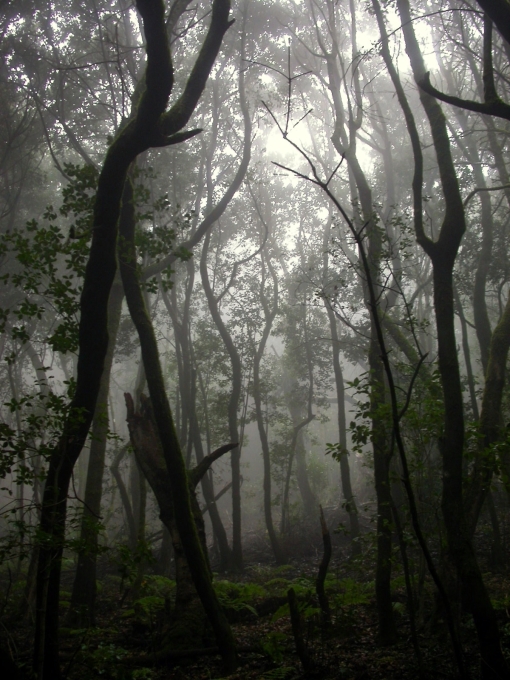
55_ForestBufferingPhotoPortadaQuercusCoverProposed2

Understory of the laurel forest in Garajonay National Park (La Gomera, Canary Islands) – also part of the World Network of Biosphere Reserves since 2012. The fog, combined with the cloud belt blowing from the Atlantic Ocean against the mountains (Garajonay is the highest peak at 1500 m), creates a mesic microclimate crucial for plant endemism. Forest canopies reinforce humidity and buffer temperature variation for many species. Photo: Paco Rodríguez.

If we were to choose a house to live, most would likely opt for one with water and electricity supply, noiseless nights, nearby leisure and shopping, and easy communication by public transport. Lacking only one of those aspects could be off-putting.

In truth, those who have the privilege of living in a stable household value it by the full set of available commodities. Similarly, the value of an ecosystem rests on its entire repertoire of ecological functions (1). And this is particularly so for forest ecosystems.

The ecological value of a forest relies on the collection of its native characteristics (2): how many autochthonous and mature trees it can host, how much photosynthesis it fuels, how many pollinisers it feeds, how much soil and water it creates and retains, and many more (3). Read the rest of this entry »

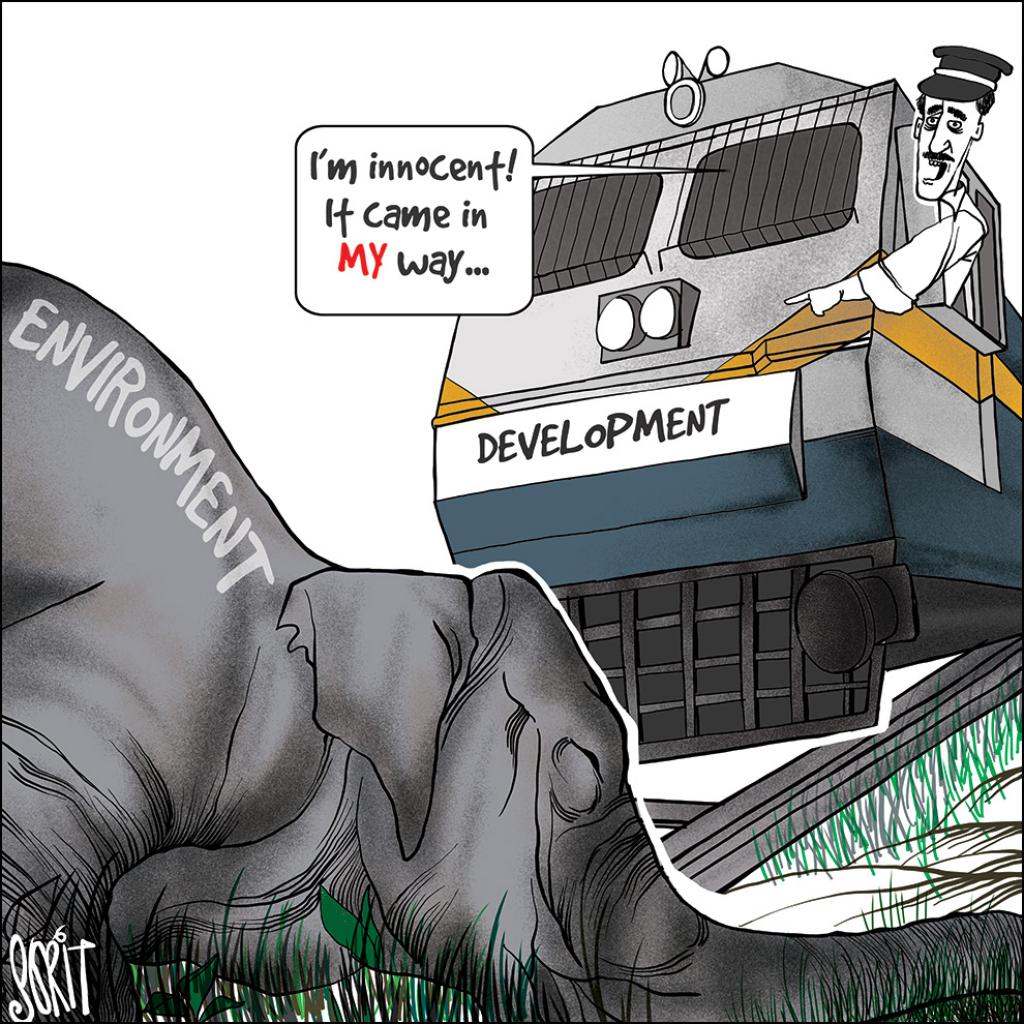
Cartoon guide to biodiversity loss LV

4 07 2019

The fourth set of six biodiversity cartoons for 2019. See full stock of previous ‘Cartoon guide to biodiversity loss’ compendia here.


Read the rest of this entry »


Increasing human population density drives environmental degradation in Africa

26 06 2019


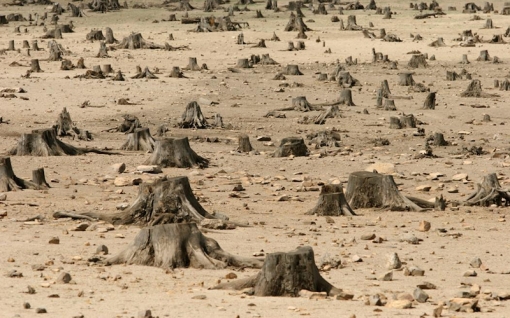
stumps

Almost a decade ago, I (co-) wrote a paper examining the socio-economic correlates of gross, national-scale indices of environmental performance among the world’s nations. It turned out to be rather popular, and has so far garnered over 180 citations and been cited in three major policy documents.

In addition to the more pedestrian ranking itself, we also tested which of three main socio-economic indicators best explained variation in the environmental rank — a country’s gross ‘wealth’ indicator (gross national income) turned out to explain the most, and there was no evidence to support a non-linear relationship between environmental performance and per capita wealth (the so-called environmental Kuznets curve).

Well, that was then, and this is now. Something that always bothered me about that bit of research was that in some respects, it probably unfairly disadvantaged certain countries that were in more recent phases of the ‘development’ pathway, such that environmental damage long since done in major development pulses many decades or even centuries prior to today (e.g., in much of Europe) probably meant that certain countries got a bit of an unfair advantage. In fact, the more recently developed nations probably copped a lower ranking simply because their damage was fresher

While I defend the overall conclusions of that paper, my intentions have always been since then to improve on the approach. That desire finally got the better of me, and so I (some might say unwisely) decided to focus on a particular region of the planet where some of the biggest biodiversity crunches will happen over the next few decades — Africa.

Africa is an important region to re-examine these national-scale relationships for many reasons. The first is that it’s really the only place left on the planet where there’s a semi-intact megafauna assemblage. Yes, the great Late Pleistocene megafauna extinction event did hit Africa too, but compared to all other continents, it got through that period relatively unscathed. So now we (still) have elephants, rhinos, giraffes, hippos, etc. It’s a pretty bloody special place from that perspective alone.

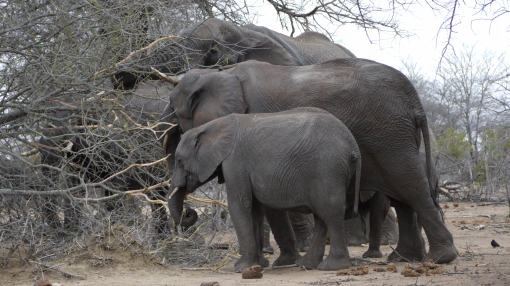
P1080625

Elephants in the Kruger National Park, South Africa (photo: CJA Bradshaw)

Then there’s the sheer size of the continent. Unfortunately, most mercator projections of the Earth show a rather quaint continent nuzzled comfortably in the middle of the map, when in reality, it’s a real whopper. If you don’t believe me, go to truesize.com and drag any country of interest over the African continent (it turns out that its can more or less fit all of China, Australia, USA, and India within its greater borders).

Third, most countries in Africa (barring a few rare exceptions), are still in the so-called ‘development’ phase, although some are much farther along the economic road than others. For this reason, an African nation-to-nation comparison is probably a lot fairer than comparing, say, Bolivia to Germany, or Mongolia to Canada.

Read the rest of this entry »


Koala extinctions past, present, and future

12 06 2019
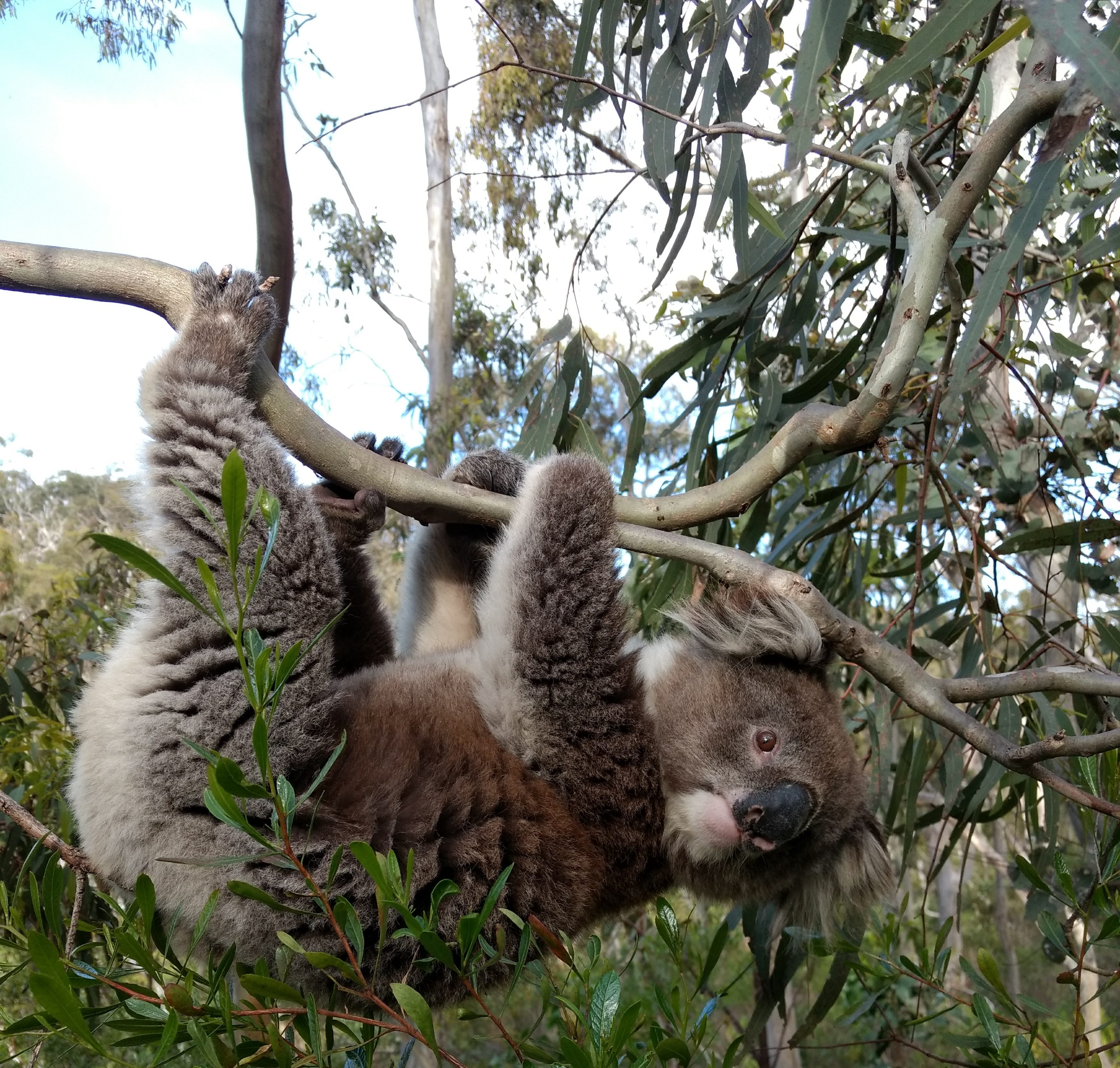
Koala

Photo by John Llewelyn

Koalas are one of the most recognised symbols of Australian wildlife. But the tree-living marsupial koala is not doing well throughout much of its range in eastern Australia. Ranging as far north as Cairns in Queensland, to as far west as Kangaroo Island in South Australia, the koala’s biggest threats today are undeniably deforestation, road kill, dog attacks, disease, and climate change.

With increasing drought, heatwaves, and fire intensity and frequency arising from the climate emergency, it is likely that koala populations and habitats will continue to decline throughout most of their current range.

But what was the distribution of koalas before humans arrived in Australia? Were they always a zoological feature of only the eastern regions?

The answer is a resounding ‘no’ — the fossil record reveal a much more complicated story.

Read the rest of this entry »


Cartoon guide to biodiversity loss LIV

17 05 2019

The third set of six biodiversity cartoons for 2019. See full stock of previous ‘Cartoon guide to biodiversity loss’ compendia here.


Read the rest of this entry »


Academics and Indigenous groups unite to stand up for the natural world

26 04 2019
rainforest

Rain forest gives way to pastures in the Brazilian Amazon in Mato Grosso. Photo by Thiago Foresti.

More than 600 scientists from every country in the EU and 300 Brazilian Indigenous groups have come together for the first time. This is because we see a window of opportunity in the ongoing trade negotiations between the EU and Brazil. In a Letter published in Science today, we are asking the EU to stand up for Brazilian Indigenous rights and the natural world. Strong action from the EU is particularly important given Brazil’s recent attempts to dismantle environmental legislation and ‘develop the unproductive Amazon’.

It’s worth clarifying — this isn’t about the EU trying to control Brazil — it’s about making sure our imports aren’t driving violence and deforestation. Foreign white people trying to ‘protect nature’ abroad have a dark and shameful past, where actions done in the name of conservation have led to the eviction of millions of Indigenous people. This has predominantly been to create (what we in the world of conservation would call) ‘protected areas’. The harsh reality is that most protected areas either are or have been ancestral lands of Indigenous people who are closely linked to their land and depend on it for their survival. Clearly, conservationists need to support Indigenous people. This new partnership between European scientists and Brazilian Indigenous groups is doing just that.

Brazil

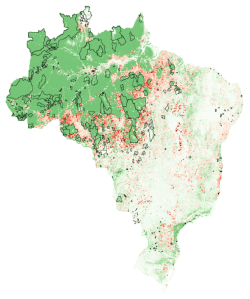
Brazil’s forest loss 2001-2013 shown in red. Indigenous lands outlined. By Mike Clark; data from GlobalForestWatch.org

In Brazil, many Indigenous groups still have a right to their land. This land is predominantly found in the Amazon rainforest, where close to a million Indigenous people live and depend on a healthy forest. Indigenous people are some of the best protectors of this vast forest, and are crucial to a future of long-term successful conservation. But Brazilian Indigenous groups and local communities are increasingly under attack. Violence on deforestation frontiers in Brazil has spiked this month, with at least 9 people found dead. The future is particularly scary for Indigenous people when there are quotes such as this from the man who is currently the President It’s a shame that the Brazilian cavalry hasn’t been as efficient as the Americans, who exterminated the Indians.

On top of human rights and environmental concerns, there is a strong profit driven case for halting deforestation. For example, ongoing deforestation in the Amazon risks flipping large parts of the rainforest to savanna – posing a serious risk to agricultural productivity, food security, local livelihoods, and the Brazilian economy. Zero-deforestation doesn’t harm agri-business, it allows for its longevity. Read the rest of this entry »


How to improve (South Australia’s) biodiversity prospects

9 04 2019
Fig2

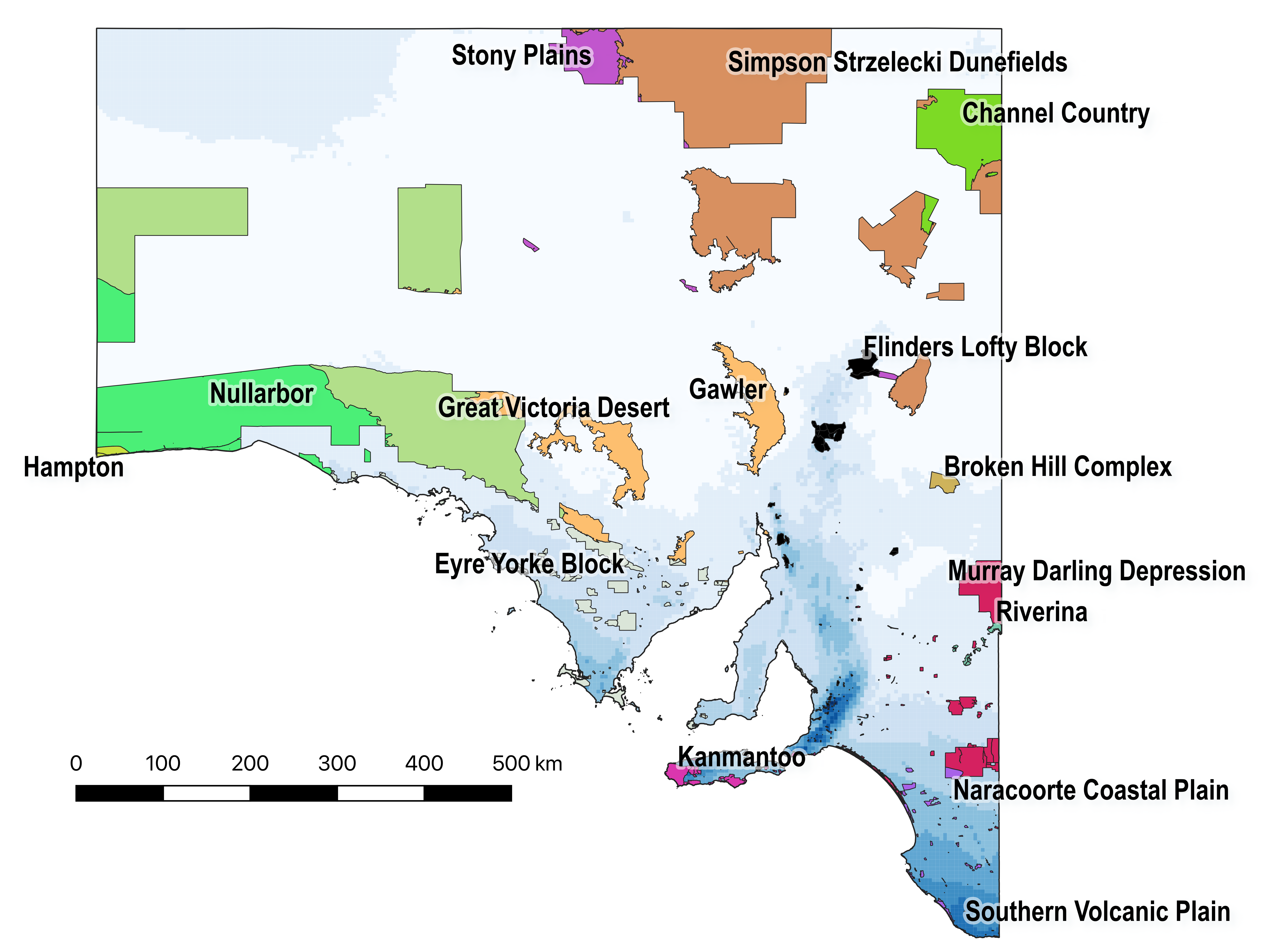
Figure 2 (from the article). Overlaying the South Australia’s Protected Areas boundary data with the Interim Biogeographic Regionalisation for Australia layer indicates that 73.2% of the total protected area (excluding Indigenous Protected Areas) in South Australia lies in the arid biogeographic regions of Great Victoria Desert (21.1%), Channel Country (15.2%), Simpson Strzelecki Dunefields (14.0%), Nullarbor (9.8%), Stony Plains (6.6%), Gawler (6.0%), and Hampton (0.5%). The total biogeographic-region area covered by the remaining Conservation Reserves amounts to 26.2%. Background blue shading indicates relative average annual rainfall.

If you read CB.com regularly, you’ll know that late last year I blogged about the South Australia 2108 State of the Environment Report for which I was commissioned to write an ‘overview‘ of the State’s terrestrial biodiversity.

At the time I whinged that not many people seemed to take notice (something I should be used to by now in the age of extremism and not giving a tinker’s about the future health of the planet — but I digress), but it seems that quietly, quietly, at least people with some policy influence here are starting to listen.

Not satisfied with merely having my report sit on the virtual shelves at the SA Environment Protection Authority, I decided that I should probably flesh out the report and turn it into a full, peer-reviewed article.

Well, I’ve just done that, with the article now published online in Rethinking Ecology as a Perspective paper.

The paper is chock-a-block with all the same sorts of points I covered last year, but there’s a lot more, and it’s also a lot better referenced and logically sequenced.

Read the rest of this entry »


Cartoon guide to biodiversity loss LIII

25 03 2019

The second set of six biodiversity cartoons for 2019. See full stock of previous ‘Cartoon guide to biodiversity loss’ compendia here.


Read the rest of this entry »


Action, not just science

25 02 2019

raised fistsIt has taken me a long time to decide to do this, but with role models like Claire Wordley, Alejandro Frid, and James Hansen out there, I couldn’t really find any more excuses.

Yes, I’ve been a strong advocate for action on biodiversity, environment and climate-change issues for a long time, and I’ve even had a few political wins in that regard with my writing and representation. I’ve even called out more than once for universities to embrace divestment from fossil fuels (to my knowledge, even my own university still has not).

While I still think these avenues are important, my ongoing observation is that things are getting worse politically, not better. That means that the normal armchair advocacy embraced by even the most outspoken academics is probably not going to be enough to elicit real political change that we — no, the planet — desperately needs.

Extinction-Rebellion-South-Australia2It is for this reason that I’ve joined the Extinction Rebellion (South Australia Chapter), especially after my friend and colleague, Dr Claire Wordley of the University of Cambridge, joined the UK Rebellion and wrote about her experiences on this very blog. That, coupled with my ongoing and mounting concern for the future Earth my daughter will inherit, requires me to take to the streets. Read the rest of this entry »


Politics matter: undoing conservation progress in the land of the dodo

4 02 2019

The island of Mauritius is known, particularly in conservation circles, for the ill-fated extinction of the dodo, but also for its many conservation success stories. These include the recovery of emblematic birds such as the Mauritius kestrel (Falco punctatus) and the pink pigeon (Nesoenas mayeri) that narrowly avoided extinction several decades ago. 

Mauritius (greater Mascarene) flying fox Pteropus niger

Behind this veil of achievements, however, local political realities are increasingly making the protection and management of Mauritian biodiversity more complex and challenging as new conservation issues emerge.

Emergence of human-wildlife conflict

In the midst of the third government-led mass cull of the Endangered Mauritian flying fox (Pteropus niger) in 2018, a paper published in the Journal for Nature Conservation shed light on the events that led to the government’s choice to do the first two mass culls of the Mauritian flying fox in 2015 and 2016. Documentation of human-wildlife conflict in Mauritius is relatively new, as noted by the authors, but provides a unique case study.

Given that the mass-culling opted for did not increase fruit growers’ profits (in fact, fruit production dropped substantially after the mass-culls) and that the flying fox, a keystone species for the native biodiversity, became more threatened with extinction following the mass culls, it appears that Mauritius provides a rare opportunity to study what precisely should be avoided when trying to resolve such a HWC [Human-wildlife conflict],

Florens & Bader (2019)

Indeed, to mitigate rising conflicts between fruit farmers and the Mauritian flying fox, the Mauritian government opted in 2006 to cull this threatened species (only six individuals were culled at the time). Despite disputes over the population size of the Mauritian flying fox and the extent of damage it caused to commercial fruit growers, as well as scientific arguments against the cull, culling continues to be the preferred approach. 

The law that kills threatened wildlife 

This focus on culling as a solution contributed to a legal amendment in October 2015 that now facilitates the population control of any species of wildlife, irrespective of its origin and its conservation status. The Native Terrestrial Biodiversity and National Parks Bill was passed on 20 October 2015, just two weeks after the government announced its plan to cull 18,000 threatened native bats.

Read the rest of this entry »


Thirsty forests

1 02 2019

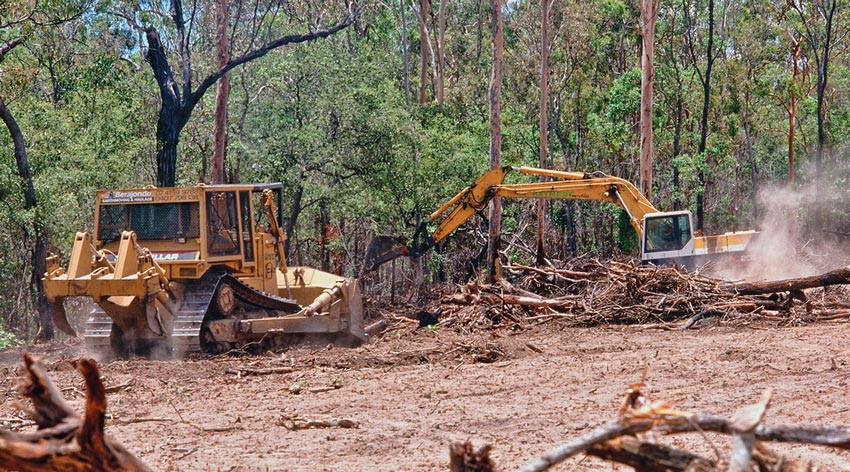
Climate change is one ingredient of a cocktail of factors driving the ongoing destruction of pristine forests on Earth. We here highlight the main physiological challenges trees must face to deal with increasing drought and heat.

Forests experiencing embolism after a hot drought. The upper-left pic shows Scots (Pinus sylvestris) and black (P. nigra) pines in Montaña de Salvador (Espuñola, Barcelona, Spain) during a hot Autumn in 2015 favouring a massive infestation by pine processionary caterpillars (Thaumetopoea pityocampa) and tree mortality the following year (Lluís Brotons/CSIC in InForest-CREAF-CTFC). To the right, an individual holm oak (Quercus ilex) bearing necrotic branches in Plasencia (Extremadura, Spain) during extreme climates from 2016 to 2017, impacting more than a third of the local oak forests (Alicia Forner/CSIC). The lower-left pic shows widespread die-off of trembling aspen (Populus tremuloides) from ‘Aspen Parkland’ (Saskatchewan, Canada) in 2004 following extreme climates in western North America from 2001 to 2002 (Mike Michaelian/Canadian Forest Service). To the right, several dead aspens near Mancos (Colorado, USA) where the same events hit forests up to one-century old (William Anderegg).

A common scene when we return from a long trip overseas is to find our indoor plants wilting if no one has watered them in our absence. But … what does a thirsty plant experience internally?

Like animals, plants have their own circulatory system and a kind of plant blood known as sap. Unlike the phloem (peripheral tissue underneath the bark of trunks and branches, and made up of arteries layered by live cells that transport sap laden with the products of photosynthesis, along with hormones and minerals — see videos here and here), the xylem is a network of conduits flanked by dead cells that transport water from the roots to the leaves through the core of the trunk of a tree (see animation here). They are like the pipes of a building within which small pressure differences make water move from a collective reservoir to every neighbours’ kitchen tap.

Water relations in tree physiology have been subject to a wealth of research in the last half a decade due to the ongoing die-off of trees in all continents in response to episodes of drought associated with temperature extremes, which are gradually becoming more frequent and lasting longer at a planetary scale (1). 

Embolised trees

During a hot drought, trees must cope with a sequence of two major physiological challenges (2, 3, 4). More heat and less internal water increase sap tension within the xylem and force trees to close their stomata (5). Stomata are small holes scattered over the green parts of a plant through which gas and water exchanges take place. Closing stomata means that a tree is able to reduce water losses by transpiration by two to three orders of magnitude. However, this happens at the expense of halting photosynthesis, because the main photosynthetic substrate, carbon dioxide (CO2), uses the same path as water vapour to enter and leave the tissues of a tree.

If drought and heat persist, sap tension reaches a threshold leading to cavitation or formation of air bubbles (6). Those bubbles block the conduits of the xylem such that a severe cavitation will ultimately cause overall hydraulic failure. Under those conditions, the sap does not flow, many parts of the tree dry out gradually, structural tissues loose turgor and functionality, and their cells end up dying. Thus, the aerial photographs showing a leafy blanket of forest canopies profusely coloured with greys and yellows are in fact capturing a Dantesque situation: trees in photosynthetic arrest suffering from embolism (the plant counterpart of a blood clot leading to brain, heart or pulmonary infarction), which affects the peripheral parts of the trees in the first place (forest dieback).

Read the rest of this entry »


Influential conservation ecology papers of 2018

17 12 2018

e35f9ddeada029a053a15cd023abadf5
For the last five years I’ve published a retrospective list of the ‘top’ 20 influential papers of the year as assessed by experts in F1000 Prime — so, I’m doing so again for 2018 (interesting side note: six of the twenty papers highlighted here for 2018 appear in Science magazine). See previous years’ posts here: 2017, 20162015, 2014, and 2013.

Read the rest of this entry »


Perseverance eventually gets the policy makers’ attention

10 12 2018

IMG_2819

My entry badge today to the South Australian Parliament (sorry for the shitty reproduction, but it’s a shitty photo of a shitty photo)

I’ve often commented on it over the years, as well as written about it both in my latest book, as well as featured it here on CB.com, that little of the conservation science we do appears to reach the people making all the decisions. This is, of course, a massive problem because so much policy that affects biodiversity is not evidence-based, nor do we seem to be getting any better at telling them how buggered our natural world is.

Even the Extinction Rebellion, or school kids screaming in the streets about lack of climate-change policies appears unable to budge the entrenched, so what hope do we lonely little scientists have of getting in a Minister’s ear? It’s enough to make one depressed.

look-at-me-girlSo, we go through the motions; we design ideal reserves with the aid of our computers, we tell people how much to fish, we tell them why feral species are bad, etc., etc., and then we publish our findings and walk away. We might do a little more and shout our messages loudly from the media rooftops, or submit comments to proposed policies, or even draft open letters or petitions. Yet no matter how hard we seem to try, our messages of urgency and despair largely fall on deaf ears.

It’s enough to make you reconsider and not bothering at all.

But! Despite my obviously jaded perspective, two things have happened to me recently that attest to how a little perseverance, sticking to your guns, and staying on message can reach the ears of the powerful. My examples are minuscule in the grand scheme of things, nor will they necessarily translate into anything really positive on the ground; yet, they give me a modicum of hope that we can make a positive difference.

The first event happened a few weeks ago after we did a press release about our paper on co-extinction cascades published in Scientific Reports. Yes, it got into a few big newspapers and radio, but I thought it wouldn’t do much more than peak the punters’ interest for the typical 24-hour news cycle. However, after the initial media interest died down, I received an e-mail from one of my university’s media officers saying that the we had been cited in The Senate (one of the two houses in the Australian Parliament)! An excerpt of the transcript is shown below (you can read the whole thing — if you could be bothered — here): Read the rest of this entry »



With a Rebel Yell, Scientists Cry ‘No, no, more!’

29 11 2018

Adrenaline makes experiences hyper-real. Everything seems to move in slow motion, apart from my heart, which is so loud that I am sure people can hear it even over the traffic.

It’s 11:03 on a sunny November morning in central London. As the green man starts to shine, I walk into the middle of the road and sit down. On either side of me, people do the same. There can only be about 50 of us sitting on this pedestrian crossing, and I murmur ‘are we enough?’

‘Look behind you,’ says a new friend.

I turn. Blackfriar’s Bridge, usually covered in cars and buses, is filling with people. Citizens walking into the road and staying there, unfurling colourful flags with hourglass symbols on them. The police film us, standing close, but make no move to arrest anyone. Later, we discover that at least some of them encourage our disobedience.

Messages start coming in — 6,000 people are here, and we’ve blocked five bridges in central London with Extinction Rebellion, protesting for action to stop climate change and species extinctions. I’m a scientist participating in my first ever civil disobedience, and for me, this changes everything.

ER1

Left to right: protestors include kids, company directors, and extinct species.

What makes a Cambridge academic — and thousands of other people — decide that sitting in a road is their best chance of being heard? In short, nothing else has got us the emissions cuts we need. The declaration that global warming is real and that greenhouse-gas emissions need to be cut came in 1988, when I was a year old. Since then, scientists have continued to be honest brokers, monitoring greenhouse gases, running models, presenting the facts to governments and to the people. And emissions have continued to climb. The 2018 IPCC report that shocked many of us into action told us we have 12 years to almost halve emissions, or face conditions incompatible with civilisation. How did we end up here? Read the rest of this entry »


Global warming causes the worst kind of extinction domino effect

25 11 2018

Dominos_Rough1-500x303Just under two weeks ago, Giovanni Strona and I published a paper in Scientific Reports on measuring the co-extinction effect from climate change. What we found even made me — an acknowledged pessimist — stumble in shock and incredulity.

But a bit of back story is necessary before I launch into describing what we discovered.

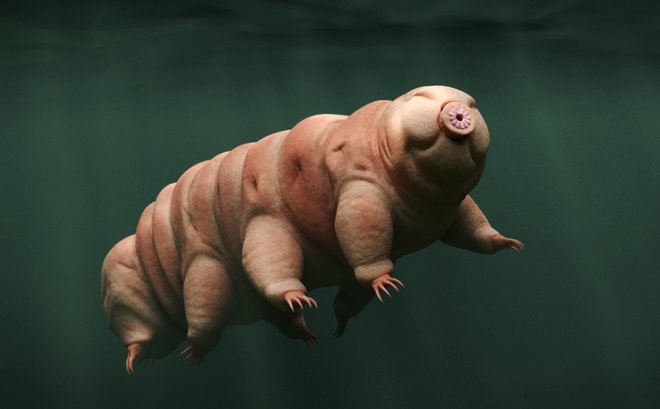
Last year, some Oxbridge astrophysicists (David Sloan and colleagues) published a rather sensational paper in Scientific Reports claiming that life on Earth would likely survive in the face of cataclysmic astrophysical events, such as asteroid impacts, supernovae, or gamma-ray bursts. This rather extraordinary conclusion was based primarily on the remarkable physiological adaptations and tolerances to extreme conditions displayed by tardigrades— those gloriously cute, but tiny (most are around 0.5 mm long as adults) ‘water bears’ or ‘moss piglets’ — could you get any cuter names?

aHR0cDovL3d3dy5saXZlc2NpZW5jZS5jb20vaW1hZ2VzL2kvMDAwLzA5OC81NzMvb3JpZ2luYWwvc3dpbW1pbmctdGFyZGlncmFkZS5qcGc=

Found almost everywhere and always (the first fossils of them date back to the early Cambrian over half a billion years ago), these wonderful little creatures are some of the toughest metazoans (multicellular animals) on the planet. Only a few types of extremophile bacteria are tougher.

So, boil, fry or freeze the Earth, and you’ll still have tardigrades around, concluded Sloan and colleagues.

When Giovanni first read this, and then passed the paper along to me for comment, our knee-jerk reaction as ecologists was a resounding ‘bullshit!’. Even neophyte ecologists know intuitively that because species are all interconnected in vast networks linked by trophic (who eats whom), competitive, and other ecological functions (known collectively as ‘multiplex networks’), they cannot be singled out using mere thermal tolerances to predict the probability of annihilation. Read the rest of this entry »


Ecophysiological feedbacks under climate change

29 10 2018

Variability in heat tolerance among populations modifies the climate-driven periods of diurnal activity expected for ectotherm species. We illustrate this phenomenon for Iberian lizards in a paper we have just published in the Journal of Animal Ecology (blog post reproduced with permission by the Journal; see related blog).

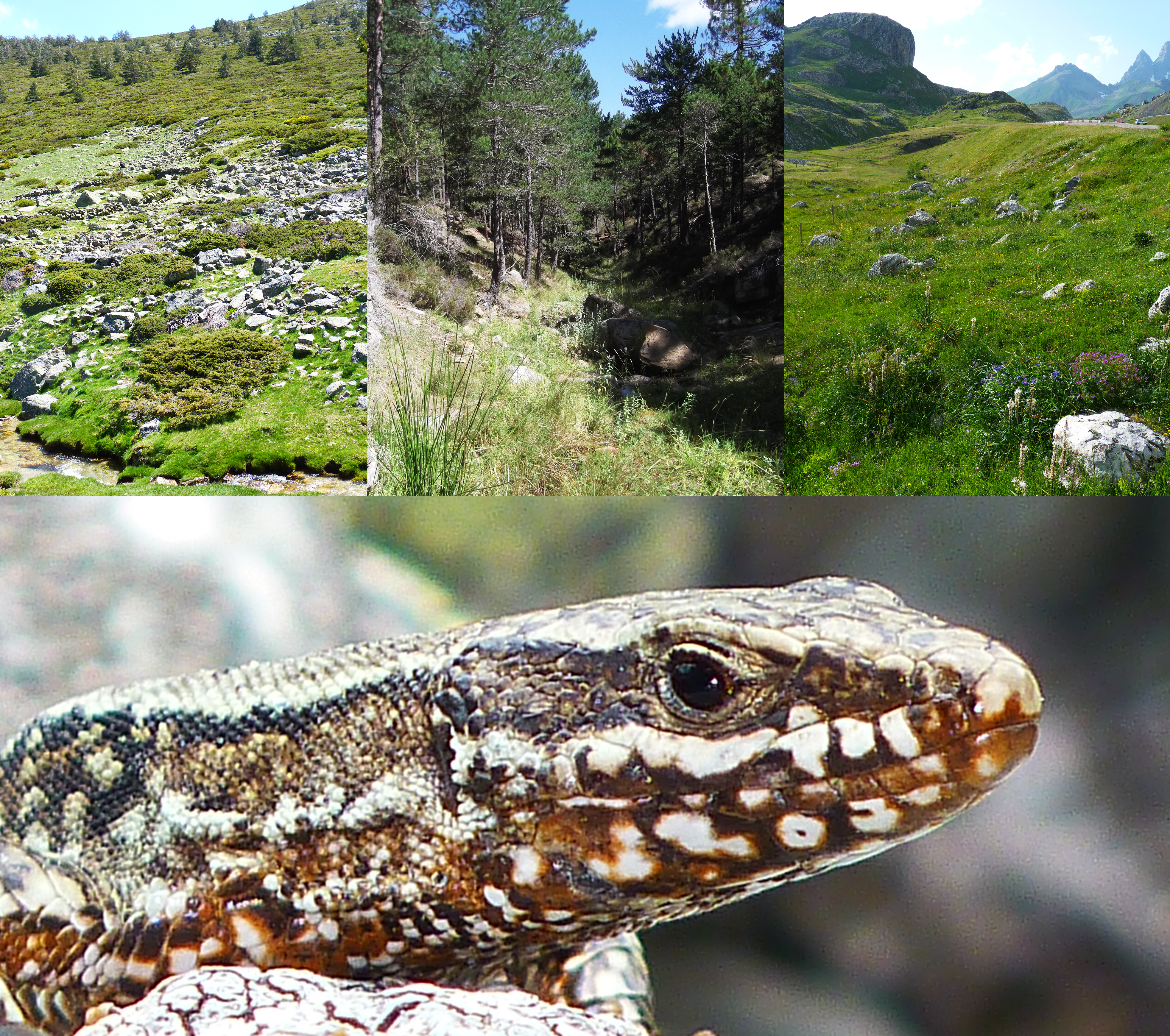
Common wall lizard (Podarcis muralis, male) and three localities where the species is abundant in Spain, left to right including Valdesquí/Madrid (Central System), Peñagolosa/Castellón (Iberian System) and El Portalet/Huesca (The Pyrenees).

Iberia is a wonderful natural laboratory, with a complex blend of flat/hilly, open/woody and coastal/continental terrain, swept by climatic gradients of temperature and moisture. In 2013, I launched a BES-supported project about the thermal ecology of Iberian lizards and managed to drive over much of the Iberian Peninsula in fairly little time. Not being a reptile specialist myself, I was confronted by the consistent observation that lizard populations occupied very different habitats across the known distribution of each of the ~ 25 known Iberian species belonging to the family Lacertidae.

For instance, the common wall lizard (Podarcis muralis) likes water, rocks and mountains, but you can find this pencil-long reptile at the top of a summit, along the slopes or riversides of shallow and deep ravines, on little stones barely surfacing above peatland grasslands, or among the bricks of buildings. These animals must experience different local climates conditional on where they live, and adapt their thermal physiology accordingly.

Having then started a postdoc in Miguel Araújo’s lab — a world-class site for global change ecology and ‘big’ biodiversity patterns — I reviewed a sizeable body of literature looking into large-scale gradients of thermal tolerance. Most of those papers had collated (mostly) one estimate of tolerance from each of tens to thousands of species, then mapped them against regional and global metrics of climate change through sophisticated mathematical frameworks. But these studies rarely accounted for population-level thermal tolerance.

Read the rest of this entry »


Sex on the beach

2 10 2018
Female green turtles (Chelonia mydas) spawning (top) and diving (bottom) on Raine Island (Great Barrier Reef, Queensland, Australia) — photos courtesy of Ian Bell. This species is ‘Endangered’ globally since 1982, mainly from egg harvesting (poaching conflict in Mexico for olive ridley Lepidochelys olivacea featured by National Geographic’s video here), despite the success of conservation projects (39). Green turtles inhabit tropical and subtropical seas in all oceans. Adults can grow > 150 kg and live for up to ~ 75 years. Right after birth, juveniles venture into the open sea to recruit ultimately in coastal areas until sexual maturity. They then make their first reproductive migration, often over 1000s of km (see footage of a real dive of a camera-equipped green turtle), to reach their native sandy beaches where pregnant females will lay their eggs. Each female can deposit more than one hundred eggs in her nest, and in several clutches in the same season because they can store the sperm from multiple mating events.

When sex is determined by the thermal environment, males or females might predominate under sustained climatic conditions. A study about marine turtles from the Great Barrier Reef illustrates how feminisation of a population can be partitioned geographically when different reproductive colonies are exposed to contrasting temperatures.

Fortunately, most people in Western societies already perceive that we live in a complex blend of sexual identities, far beyond the kind of genitals we are born with. Those identities start to establish themselves in the embryo before the sixth week of pregnancy. In the commonest scenario, for a human foetus XY with one maternal chromosome (X) and one paternal (Y) chromosome, the activation of the Sry gen (unique to Y) will trigger the differentiation of testicles and, via hormonal pathways, the full set of male characteristics (1).

Absence of that gene in an XX embryo will normally lead to a woman. However, in just one of many exceptions to the rule, Sry-expression failure in XY individuals can result in sterile men or ambiguous genitals — along a full gradient of intermediate sexes and, potentially, gender identities. A 2015 Nature ‘News’ feature echoes two extraordinary cases: (i) a father of four children found to bear a womb during an hernia operation, and (ii) a pregnant mother found to host both XX and XY cells during a genetic test – with her clinical geneticist stating “… that’s the kind of science-fiction material for someone who just came in for an amniocentesis” (2). These real-life stories simply reflect that sex determination is a complex phenomenon.

Three ways of doing it

In nature, there are three main strategies of sex determination (3) — see scheme here: Read the rest of this entry »


South Australia’s broken biodiversity legislation

24 09 2018

It might come as a bit of shock to some who might give more than a shit about our State’s environmental integrity that there is no dedicated legislation to protect biodiversity in South Australia today.

What? Well, ok, we do have the Native Vegetation Act that is supposed to restrict the clearing of existing native vegetation (of which there is precious little left), and the National Parks and Wildlife Act 1972 to legislate protected areas and species endangerment. We also have the Wilderness Protection Act 1992 that addresses wilderness protection and land restoration, and the Natural Resource Management Act 2004 that is designed to promote sustainable and integrated management of the State’s natural resources. Finally, the South Australia Environment Protection Authority operates under various acts1 to limit environmental damage.

However, South Australia has no act specifically focussed on biodiversity conservation, and the legislation that does exist does not even consider invertebrates (like insects) as animals — because most animals are in fact invertebrates, this means that most of South Australia’s species are ineligible for official threat listing, even if they have a high risk of extinction.

If you recall, I reported in July this year that in 2017 we had a Parliamentary Inquiry into Biodiversity2, which concluded that existing environmental legislation in South Australia “… lacks cohesion and consistency, particularly regarding enforcement and compliance provisions”.

In my judgement, therefore, an entirely new, biodiversity-focussed act would add legislative teeth to biodiversity conservation in South Australia. As it turns out, that very same Parliamentary Inquiry into Biodiversity I mentioned above recommended3 the creation of a Biodiversity Expert Panel to reform the legislative framework of environmental protection. Thus, the new Government of South Australia has the perfect opportunity to do so under their proposed changes to natural resource management legislation. Following these calls for reform and the new direction of Nature of SA, there is a real opportunity here for statutory reform that includes integrated biodiversity legislation analogous to the New South Wales Biodiversity Conservation Act 2016.

Read the rest of this entry »


Primate woes where the oil palm grows

16 08 2018

gorilla

A new article just published in PNAS reveals how future expansion of the palm-oil industry could have terrible consequences for African primates.

Researchers from the European Commission’s Joint Research Centre, CIRAD, Liverpool John Moores University, and ETH Zurich searched for “areas of compromise” combining high oil palm suitability with low primate vulnerability, as possible locations where to accommodate new oil-palm plantations while reducing detrimental effects on primate populations.

Results show that there is small room for compromise. In fact, potential areas of compromise are rare across the whole African continent, covering a total extent of 0.13 Mha of land highly suited to oil palm cultivation where primate vulnerability is low, rising to just 3.3 Mha if all land with at least minimum suitability to grow oil palm is taken into account.

Palm oil production is steadily rising, and expected to accelerate in response to growing world’s population, with future demand driven not only by the food industry, but also by the biofuel market. Read the rest of this entry »


Some scary stats about agriculture and biodiversity

20 07 2018

84438Last week we had the pleasure of welcoming the eminent sustainability scientist, Professor Andrew Balmford of the University of Cambridge, to our humble Ecology and Evolution Seminar Series here at Flinders University. While we couldn’t record the seminar he gave because of some of the unpublished and non-proprietary nature of some of his slides, I thought it would be interesting, useful, and thought-provoking to summarise some of the information he gave.

Andrew started off by telling us some of the environmental implications of farming worldwide. Today, existing agriculture covers more than half of ‘useable’ land (i.e., excluding unproductive deserts, etc.), and it has doubled nitrogen fixation rates from a pre-industrial baseline. Globally, agriculture is responsible for between 19 and 35% of all greenhouse gas emissions, and it has caused approximately 40% increase in observed sea-level rise (1961-2003). Not surprisingly, agriculture already occupies the regions of highest biodiversity globally, and is subsequently the greatest source of threat to species.

Read the rest of this entry »