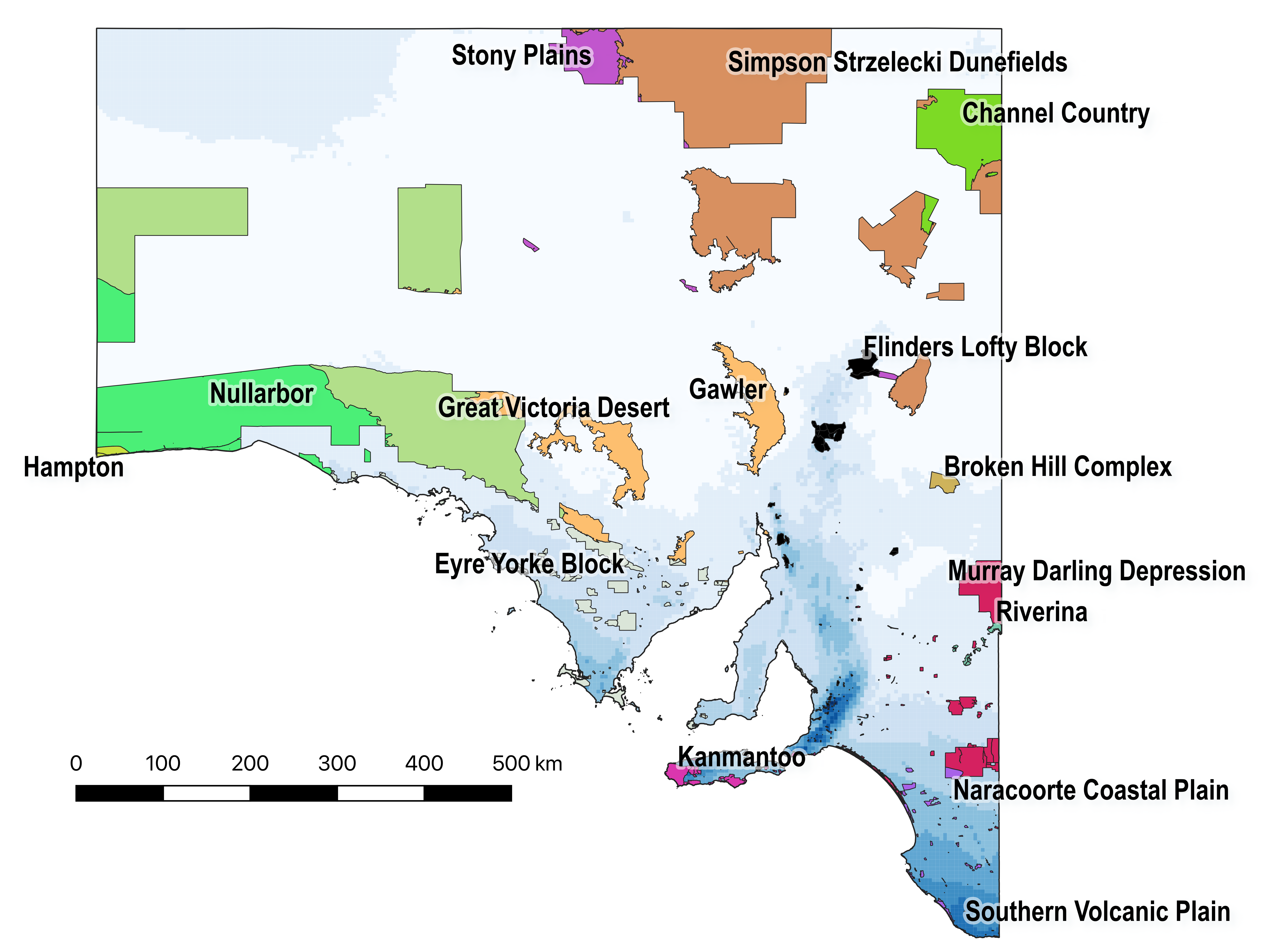
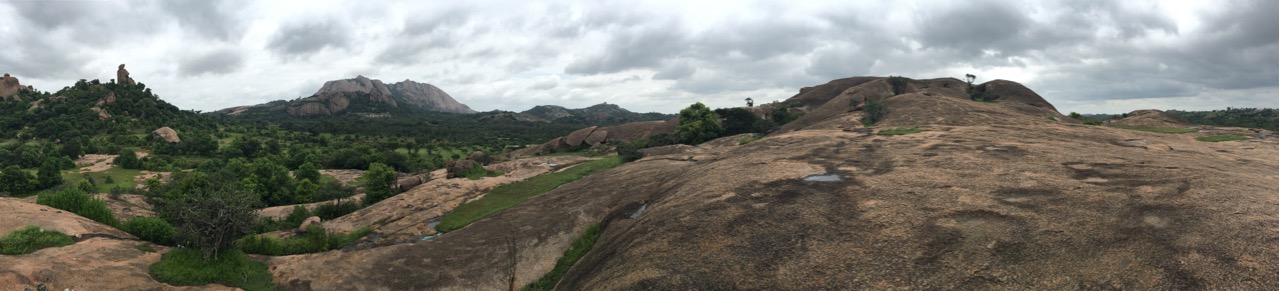
Figure 2 (from the article). Overlaying the South Australia’s Protected Areas boundary data with the Interim Biogeographic Regionalisation for Australia layer indicates that 73.2% of the total protected area (excluding Indigenous Protected Areas) in South Australia lies in the arid biogeographic regions of Great Victoria Desert (21.1%), Channel Country (15.2%), Simpson Strzelecki Dunefields (14.0%), Nullarbor (9.8%), Stony Plains (6.6%), Gawler (6.0%), and Hampton (0.5%). The total biogeographic-region area covered by the remaining Conservation Reserves amounts to 26.2%. Background blue shading indicates relative average annual rainfall.
If you read CB.com regularly, you’ll know that late last year I blogged about the South Australia 2108 State of the Environment Report for which I was commissioned to write an ‘overview‘ of the State’s terrestrial biodiversity.
At the time I whinged that not many people seemed to take notice (something I should be used to by now in the age of extremism and not giving a tinker’s about the future health of the planet — but I digress), but it seems that quietly, quietly, at least people with some policy influence here are starting to listen.
Not satisfied with merely having my report sit on the virtual shelves at the SA Environment Protection Authority, I decided that I should probably flesh out the report and turn it into a full, peer-reviewed article.
Well, I’ve just done that, with the article now published online in Rethinking Ecology as a Perspective paper.
The paper is chock-a-block with all the same sorts of points I covered last year, but there’s a lot more, and it’s also a lot better referenced and logically sequenced.


 So, we go through the motions; we
  The
The 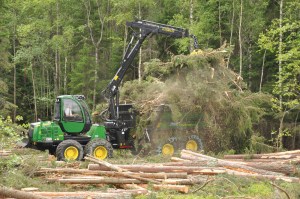 While some complain that the European Union (EU) is an enormous, cumbersome beast (just ask the self-harming Brexiteers), it generally has some rather laudable legislative checks and balances for nature conservation. While far from perfect, the rules applying to all Member States have arguably improved the state of both European environments, and those from which Europeans source their materials.
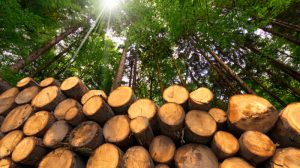 So back to the RED legislation. The original ‘
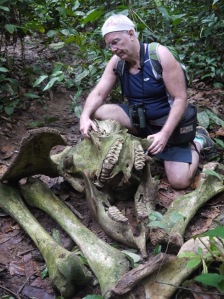 What do you say to a man whose list of conservation awards reads like a Star Wars film intro, who has introduced terms like the ‘hyperdynamism hypothesis’ to the field of ecology, and whose organisation reaches over one million people each week with updates of the scientific kind?
 Last year I






 ConservationBytes.com