Western Australia’s moronic shark cull

4 07 2014

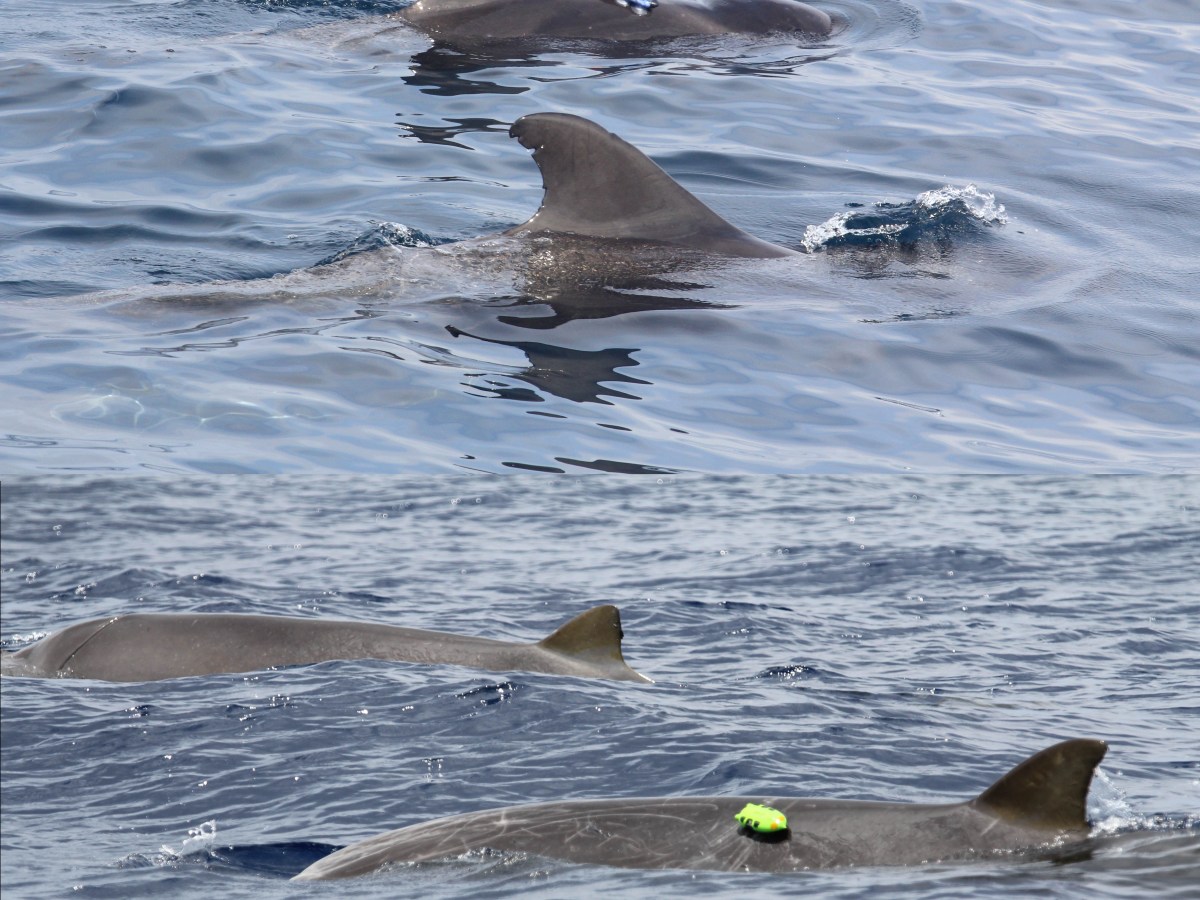
another stupid politicianA major media release today coordinated by Jessica Meeuwig in Western Australia makes the (obvious) point that there’s no biological justification to cull sharks.

301 Australian and International Scientists experts have today provided their submission to the Western Australia Environmental Protection Authority (EPA), rejecting the scientific grounds for the proposed three-year drum-line programme.

Coordinating scientist, Professor Jessica Meeuwig from the University of Western Australia said:

“To have over 300 researchers, including some of the world’s top shark specialists and marine ecologists, all strongly agreeing that there is no scientific basis for the lethal drum-line programme, tells you how unjustified the government’s proposal is. If the EPA and the Federal Minister for the Environment are using science for decisions, the drum-line proposal should not be approved.”

The experts agree that the proposal presents no evidence that the lethal drum-line programme, as implemented, will improve ocean safety. It ignores evidence from other hook-based programs in Hawaii and Queensland that have been shown to be ineffective in reducing shark attacks on humans.

Dr. Christopher Neff from the University of Sydney stated:

“There is no evidence that drum lines reduce shark bites. The Western Australia EPA now faces a question of science versus politics with global implications because it is considering establishing a new international norm that would allow for the killing of protected white sharks.”

The drum lines are ineffective and indiscriminate, with 78% of the sharks captured not considered ‘threatening’ to humans. Yet, scientifically supported, non-lethal alternatives such as the South African ‘Shark Spotter’ and Brazil’s ‘Tag and Remove’ programmes are not adequately assessed as viable options for Western Australia. Read the rest of this entry »


New Threatened Species Commissioner lacks teeth

2 07 2014

This is not Gregory Andrews

Published today on ABC Environment.

Greg Hunt, the Coalition Government’s Minister for the Environment, today announced what appears to be one of the only environmental promises kept from their election campaign in 2013: to appoint a Threatened Species Commissioner.

The appointment is unprecedented for Australia – we have never had anything remotely like it in the past. However, I am also confident that this novelty will turn out to be one of the position’s only positives.

My scepticism is not based on my personal political or philosophical perspectives; rather, it arises from Coalition Government’s other unprecedented policies to destroy Australia’s environment. No other government in the last 50 years has mounted such a breath-taking War on the Environment. In the nine month’s since the Abbott Government took control, there has been a litany of backward and dangerous policies, from the well-known axing of the Climate Commission and their push to dump of 3 million tonnes of dredge on the World Heritage Great Barrier Reef, to their lesser-publicised proposals to remove the non-profit tax status of green organisations and kill the Environmental Defenders Office. The Government’s list of destructive, right-wing, anti-environmental policies is growing weekly, with no signs of abatement.

With this background, it should come as no surprise that considerable cynicism is emerging following the Minister’s announcement. Fears that another powerless pawn of the current government appear to have been realised with the appointment of Gregory Andrews as the Commissioner. Mr Andrews is a public servant (ironically from the now-defunct Department of Department of Climate Change and Energy Efficiency) and former diplomat who has some minor infamy regarding contentious comments he made in 2006 when acting as a senior bureaucrat in Mal Brough’s Department of Indigenous Affairs. Apart from Mr Gregory’s general lack of specific expertise in species recovery, the choice appears to be neutral at best.

More importantly, the major limitation of the Commissioner to realise real benefits for Australian biodiversity is the position’s total lack of political power. Greg Hunt himself confirmed that Mr Andrews will not be able to affect government policy other than ‘encourage’ cooperation between states and environmental groups. The position also comes with a (undisclosed) funding guarantee of only one year, which makes it sound more like an experiment in public relations than effective environmental policy. Read the rest of this entry »


Great biodiversity cartoonists

1 07 2014

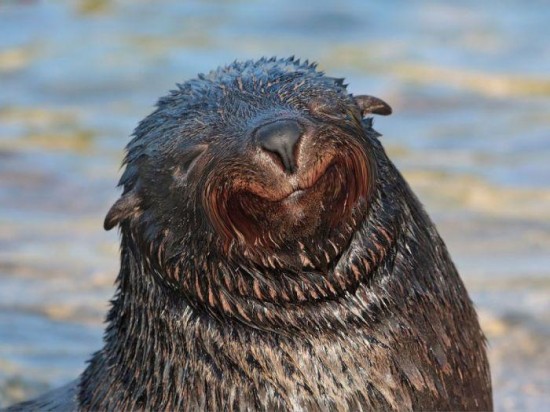
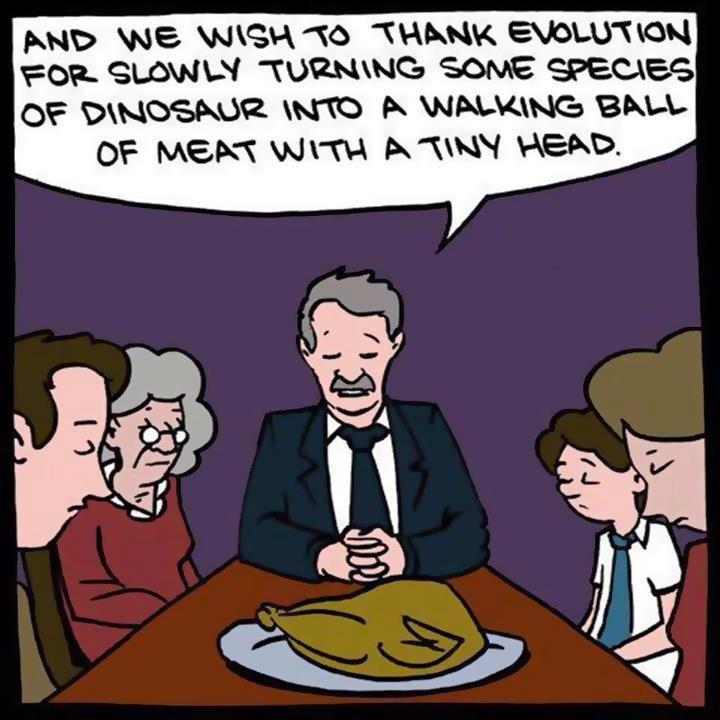
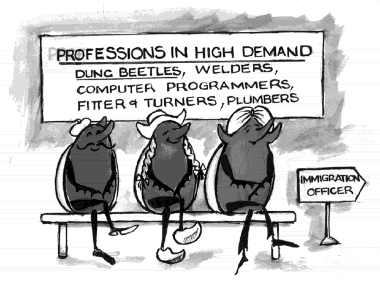
smiling fur sealAnyone who reads CB.com knows that I like to inject a bit of humour into my (often gloomy) messages. Sniggering, chortling, groaning and outright guffawing are useful ways to deal with the depressing topics conservation scientists examine every day. This is why I started the ‘Cartoon of the Week’ series, and now I have a compendium of quite a few biodiversity-related cartoons. Cartoons can also serve as wonderfully effective political tools if they manage to encapsulate the preposterousness of bad policies, navel-gazing politicians or Earth-buggering corporate tycoons. A good cartoon can be far more effective at transmitting a deep and complex message to a wide audience than most scientific articles.

Who are these gifted artists that bring together wit, humour and hard environmental truths into something that practically every scientist wants to include in conference presentations? I am inspired by some of these people, as I’m sure are many of you, so I decided to put together a little list of some of today’s better biodiversity cartoonists.

In no particular order of fame, relevance, focus on biodiversity, productivity or otherwise, I present to you my list of 10 great biodiversity cartoonists:

  • I suspect not many living outside of Australia would be familiar with the silly, yet extremely witty cartoons by First Dog on the Moon (also known as Andrew Marlton). I first came across this Melbournian when he was working for the newspaper Crikey, although he recently joined The Guardian Australia. He’s by no means what one would call an ‘environmental’ cartoonist, but there is a fair dose of (mainly Australian) biodiversity content in his cartoons. He is a self-entitled ‘marsupialist’, whatever that means (marsupial fetish, I think). I’ve even had the immense honour of having my own work immortalised in cartoon by this wonderful cartoonist.

© First Dog on the Moon

Read the rest of this entry »


50/500 or 100/1000 debate not about time frame

26 06 2014

Not enough individualsAs you might recall, Dick Frankham, Barry Brook and I recently wrote a review in Biological Conservation challenging the status quo regarding the famous 50/500 ‘rule’ in conservation management (effective population size [Ne] = 50 to avoid inbreeding depression in the short-term, and Ne = 500 to retain the ability to evolve in perpetuity). Well, it inevitably led to some comments arising in the same journal, but we were only permitted by Biological Conservation to respond to one of them. In our opinion, the other comment was just as problematic, and only further muddied the waters, so it too required a response. In a first for me, we have therefore decided to publish our response on the arXiv pre-print server as well as here on ConservationBytes.com.

50/500 or 100/1000 debate is not about the time frame – Reply to Rosenfeld

cite as: Frankham, R, Bradshaw CJA, Brook BW. 2014. 50/500 or 100/1000 debate is not about the time frame – Reply to Rosenfeld. arXiv: 1406.6424 [q-bio.PE] 25 June 2014.

The Letter from Rosenfeld (2014) in response to Jamieson and Allendorf (2012) and Frankham et al. (2014) and related papers is misleading in places and requires clarification and correction, as follows: Read the rest of this entry »


Cartoon guide to biodiversity loss XXIV

17 06 2014

Another 6 biodiversity cartoons for your conservation giggle & groan (see full stock of previous ‘Cartoon guide to biodiversity loss’ compendia here).

Read the rest of this entry »


I still fucking love biodiversity

2 06 2014
ifuckinglovebiodiversity © Bastien Laurent

© Bastien Laurent

One year ago, I launched the Facebook page “I fucking love biodiversity” (IFLB) with a post here on ConservationBytes. My goal was to get people talking about biodiversity in a positive and light-hearted way (absolutely no ‘doom and gloom’). Today, IFLB now has about 17500 fans/followers across three social media platforms. It has been an amazing experience.

I will start by admitting that I created IFLB under the assumption that “if you build it, they will come”. I thought a catchy name, goodwill and a few bells and whistles would land me a huge audience. I was wrong. It took some very serious work. And IFLB is still pretty small in the global social-media landscape.

Gladly, I don’t have to manage IFLB by myself. I have a crack team of admins that share the load. Kudos go to Laure Cugnière, Phoebe Maund, Lydia Tiller and Romina Henriques and our own in-house designer, Hannah Conduit, all of whom work on a totally volunteer basis. Thanks everyone – IFLB wouldn’t be possible without you.

During this last year, I estimate we have invested in IFLB the equivalent of nine working weeks to put out 2-3 posts every single day (yes, xmas and New Years included). That was the first lesson I learned: being part of an effort like this requires serious dedication. Not only because you need to find the most interesting content and the best photos to go with it, but because you also need to ensure all photos have copyright information, that what you are posting is not the result of Photoshop wizardry and of course, that your fans’ comments and messages don’t go unanswered. Read the rest of this entry »


Scientists should blog

27 05 2014
© Bill Porter

© Bill Porter

As ConservationBytes.com is about to tick over 1 million hits since its inception in mid-2008, I thought I’d share why I think more scientists should blog about their work and interests.

As many of you know, I regularly give talks and short courses on the value of social and other media for scientists; in fact, my next planned ‘workshop’ (Make Your Science Matter) on this and related subjects will be held at the Ecological Society of Australia‘s Annual Conference in Alice Springs later this year.

I’ve written before about the importance of having a vibrant, attractive and up-to-date online profile (along with plenty of other tips), but I don’t think I’ve ever put down my thoughts on blogging in particular. So here goes.

  1. The main reasons scientists should consider blogging is the hard, cold fact that not nearly enough people read scientific papers. Most scientists are lucky if a few of their papers ever top 100 citations, and I’d wager that most are read by only a handful of specialists (there are exceptions, of course, but these are rare). If you’re a scientist, I don’t have to tell you the disappointment of realising that the blood, sweat and tears shed over each and every paper is largely for nought considering just how few people will ever read our hard-won results. It’s simply too depressing to contemplate, especially considering that the sum of human knowledge is so vast and expanding that this trend will only ever get worse. For those reasons alone, blogging about your own work widens the readership by orders of magnitude. More people read my blog every day than will probably ever read the majority of my papers. Read the rest of this entry »


School finishers and undergraduates ill-prepared for research careers

22 05 2014

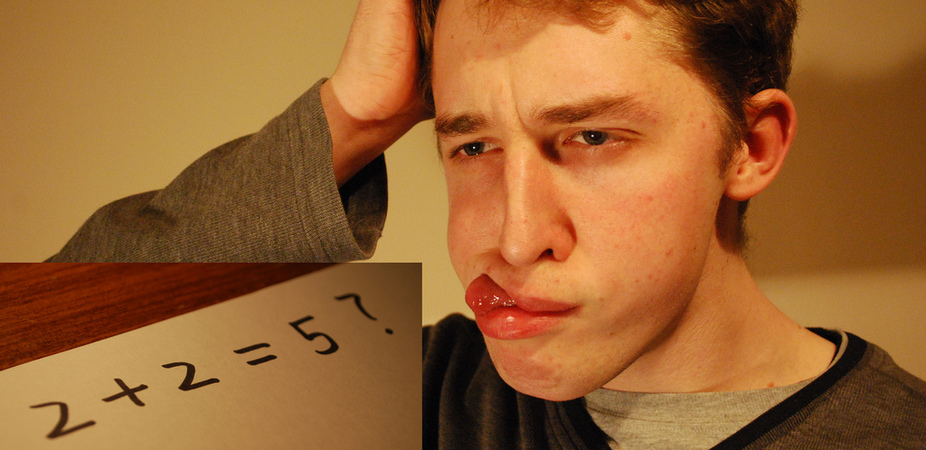
bad mathsHaving been for years now at the pointy end of the educational pathway training the next generation of scientists, I’d like to share some of my observations regarding how well we’re doing. At least in Australia, my realistic assessment of science education is: not well at all.

I’ve been thinking about this for some time, but only now decided to put my thoughts into words as the train wreck of our current government lurches toward a future guaranteeing an even stupider society. Charging postgraduate students to do PhDs for the first time, encouraging a US-style system of wealth-based educational privilege, slashing education budgets and de-investing in science while promoting the belief in invisible spaghetti monsters from space, are all the latest in the Fiberal future nightmare that will change our motto to “Australia – the stupid country”.

As you can appreciate, I’m not filled with a lot of hope that the worrying trends I’ve observed over the past 10 years or so are going to get any better any time soon. To be fair though, the problems go beyond the latest stupidities of the Fiberal government.

My realisation that there was a problem has crystallised only recently as I began to notice that most of my lab members were not Australian. In fact, the percentage of Australian PhD students and post-doctoral fellows in the lab usually hovers around 20%. Another sign of a problem was that even when we advertised for several well-paid postdoctoral positions, not a single Australian made the interview list (in fact, few Australians applied at all). I’ve also talked to many of my colleagues around Australia in the field of quantitative ecology, and many lament the same general trend.

Is it just poor mathematical training? Yes and no. Australian universities have generally lowered their entry-level requirements for basic maths, thereby perpetuating the already poor skill base of school leavers. Why? Bums (that pay) on seats. This means that people like me struggle to find Australian candidates that can do the quantitative research we need done. We are therefore forced to look overseas. Read the rest of this entry »


A convenient truth: global push for carbon-based conservation

19 05 2014

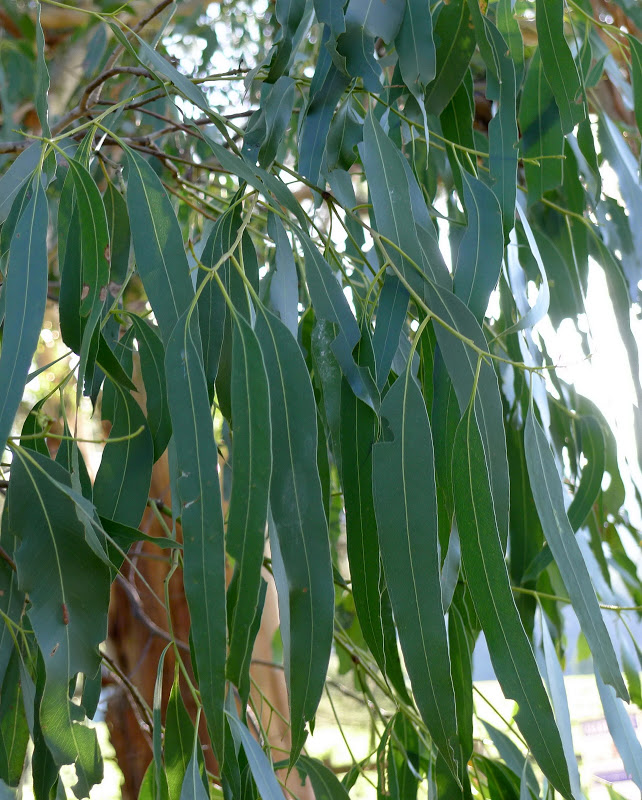
Eucalyptus viminalis (Manna Gum) - leaf, adultI’ve just written an article for the Australian River Restoration Centre‘s RipRap magazine, and they have given me permission to reproduce it here.

The brave, new green world of the carbon economy hasn’t exactly taken off as desired. Perhaps it’s because it wasn’t really planned from the outset, or maybe it is still too abstract for most people to accept, digest and incorporate into their daily lives. An emergent property of society’s generally slow awakening to the challenge of climate disruption, is that it will be a long time before we accept its full suite of incarnations.

The infant carbon economy is, however, well and truly alive and kicking, so it is important to try and plan for its growing influence on our decision making. Bumps in the road aside, the carbon economy has mostly been a blessing (actual and potential) for biodiversity conservation projects the world over.

In principle, the aim of the carbon economy is rather straight-forward: charge people a certain amount for each unit of carbon dioxide equivalents they release, and then use that money to develop approaches that further increase carbon sequestration or limit emissions. It’s a ‘build-it-and-they-will-come’ framework, where increasing financial impetus to restrict emissions is enhanced by society’s evolution towards better approaches and technology.

The operational side of the carbon economy is unfortunately much more muddled, with vested interests and political gaming weakening its implementation. Nonetheless, we persevere. Read the rest of this entry »


Ecological processes depend on …

14 05 2014
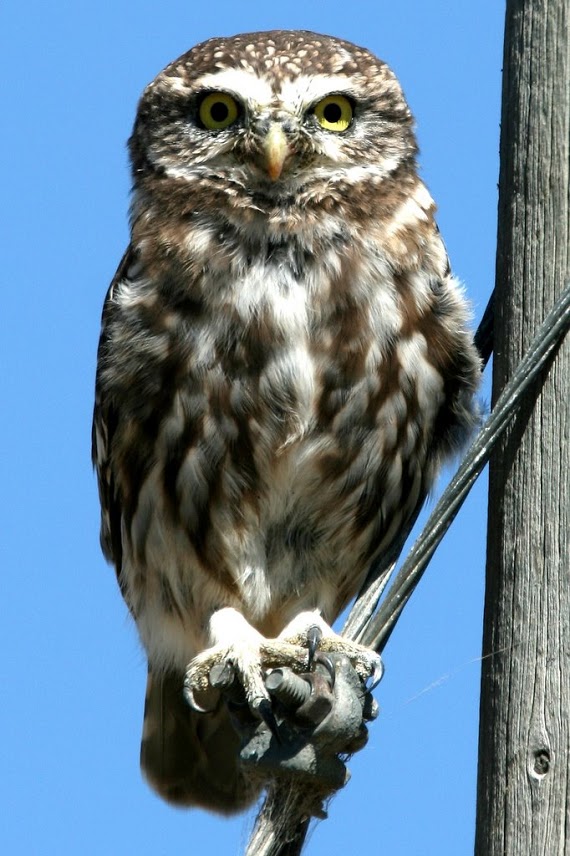
© Cagan Sekercioglu

© Cagan Sekercioglu

I have been known to say (ok – I say it all the time) that ecologists should never equivocate when speaking to the public. Whether it’s in a media release, blog post, television presentation or newspaper article, just stick to ‘yes’ or ‘no’. In other words, don’t qualify your answer with some horrid statistical statement (i.e., in 95% of cases …) or say something like “… but it really depends on …”. People don’t understand uncertainty – to most people, ‘uncertainty’ means “I don’t know” or worse, “I made it all up”.

But that’s only in the movies.

In real ‘ecological’ life, things are vastly different. It’s never as straightforward as ‘yes’ or ‘no’, because ecology is complex. There are times that I forget this important aspect when testing a new hypothesis with what seem like unequivocal data, but then reality always hits.

Our latest paper is the epitome of this emergent complexity from what started out as a fairly simple question using some amazing data. What makes birds change their range1? We looked at this question from a slightly different angle than had been done before because we had access to climate data, life-history data and most importantly, actual range change data. It’s that latter titbit that is typically missing from studies aiming to understand what drives species toward a particular fate; whether it’s a species distribution model predicting the future habitat suitability of some species as a function of climate change, or the past dynamics of some species related to its life history pace, most often the combined dynamics are missing. Read the rest of this entry »



Australian League of Environmental Organisations

6 05 2014
Shades of Green

Shades of Green

ALEO – the acronym has a nice ring to it. Although I must confess that said organisation doesn’t yet exist, but it bloody well should.

Australia is in dire need of a united front to tackle the massive anti-environment sentiment gripping this country’s band of irresponsible and short-sighted libertarian politicians. Only yesterday I was chatting to a student in the tea room about my ‘State of South Australia’s Environment‘ talk when he asked “So, what can we do about it?”. Isn’t that the 1 per cent1 question?

Apart from the obvious: (1) keep up the pressure on bad government plans (petitions, letters, blogs, reports, e-mails), (2) don’t vote for the Coalition and (3) if you’re a scientist, place some economic or well-being value on environmental processes so that even politicians can understand that maintaining ecosystems makes good economic sense, I almost casually mentioned that we need a united front in Australia against this latest right-wing wave of anti-environmentalism.

I’ve thought about this before, but my latest conversation got me reflecting on the problem a little more – why don’t we have a united league of environmental organisations in Australia? Read the rest of this entry »


Putting the ‘science’ in citizen science

30 04 2014
How to tell if a koala has been in your garden. © Great Koala Count

How to tell if a koala has been in your garden. © Great Koala Count

When I was in Finland last year, I had the pleasure of meeting Tomas Roslin and hearing him describe his Finland-wide citizen-science project on dung beetles. What impressed me most was that it completely flipped my general opinion about citizen science and showed me that the process can be useful.

I’m not trying to sound arrogant or scientifically elitist here – I’m merely stating that it was my opinion that most citizen-science endeavours fail to provide truly novel, useful and rigorous data for scientific hypothesis testing. Well, I must admit that I still believe that ‘most’ citizen-science data meet that description (although there are exceptions – see here for an example), but Tomas’ success showed me just how good they can be.

So what’s the problem with citizen science? Nothing, in principle; in fact, it’s a great idea. Convince keen amateur naturalists over a wide area to observe (as objectively) as possible some ecological phenomenon or function, record the data, and submit it to a scientist to test some brilliant hypothesis. If it works, chances are the data are of much broader coverage and more intensively sampled than could ever be done (or afforded) by a single scientific team alone. So why don’t we do this all the time?

If you’re a scientist, I don’t need to tell you how difficult it is to design a good experimental sampling regime, how even more difficult it is to ensure objectivity and precision when sampling, and the fastidiousness with which the data must be recorded and organised digitally for final analysis. And that’s just for trained scientists! Imagine an army of well-intentioned, but largely inexperienced samplers, you can quickly visualise how the errors might accumulate exponentially in a dataset so that it eventually becomes too unreliable for any real scientific application.

So for these reasons, I’ve been largely reluctant to engage with large-scale citizen-science endeavours. However, I’m proud to say that I have now published my first paper based entirely on citizen science data! Call me a hypocrite (or a slow learner). Read the rest of this entry »


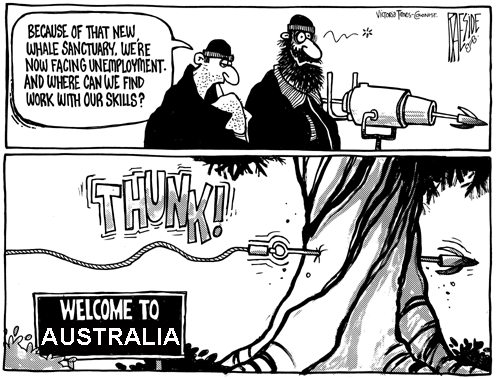
Look at the whale (while we wipe out everything else)

24 04 2014
harpoon trees

Modified from Raeside (Victoria Times Colonist)

I’ve tended to stay out of the ‘cetacean wars’ over the years because of the politics, emotions and vested interests involved, but I find it hard to ignore any longer. I’ve been wanting to write this little essay for some time, and given that we are doing a great job of buggering up the greater biodiversity future of this country, I think the time is right.

For years, Australia has been a champion of the anti-whaling movement, both in terms of its self-righteous, loud-mouth condemnation of whaling nations in its role as global ocean policeman at the International Whaling Commission, and its multi-million dollar financial investment in cetacean research. While this considered in isolation is without doubt a laudable objective (i.e., we certainly shouldn’t be hunting these magnificent marine megafauna), it is one of the greatest environmental wool-pulling-over-the-eyes, look-at-the-silly-monkey political sideshows ever devised.

“Why, Corey, that is a particularly Philistine view of the issues, don’t you think?”, I can metaphysically hear you state. However, do not confound the morality with the politics; I’m certainly focussing on the latter.

The simple fact is that being so vocally anti-whaling, Australian politicians can win easy green votes while doing nothing much at all about the other, real environmental crises unfolding right beneath the noses of their constituents. And easy it is – even the most hard-core, right-wing plutocrat would probably not (publicly) denigrate a government for standing up for the whales. In other words, it’s not a controversial environmental issue. So a little emboldened brinkmanship on the international stage, bolstered by some over-the-top, sensationalist media coverage, and you have a guaranteed recipe to garner faux environmental kudos.

It is a case of brilliant politicking, and absolute deviousness. Read the rest of this entry »


South Australia’s tattered environmental remains

16 04 2014
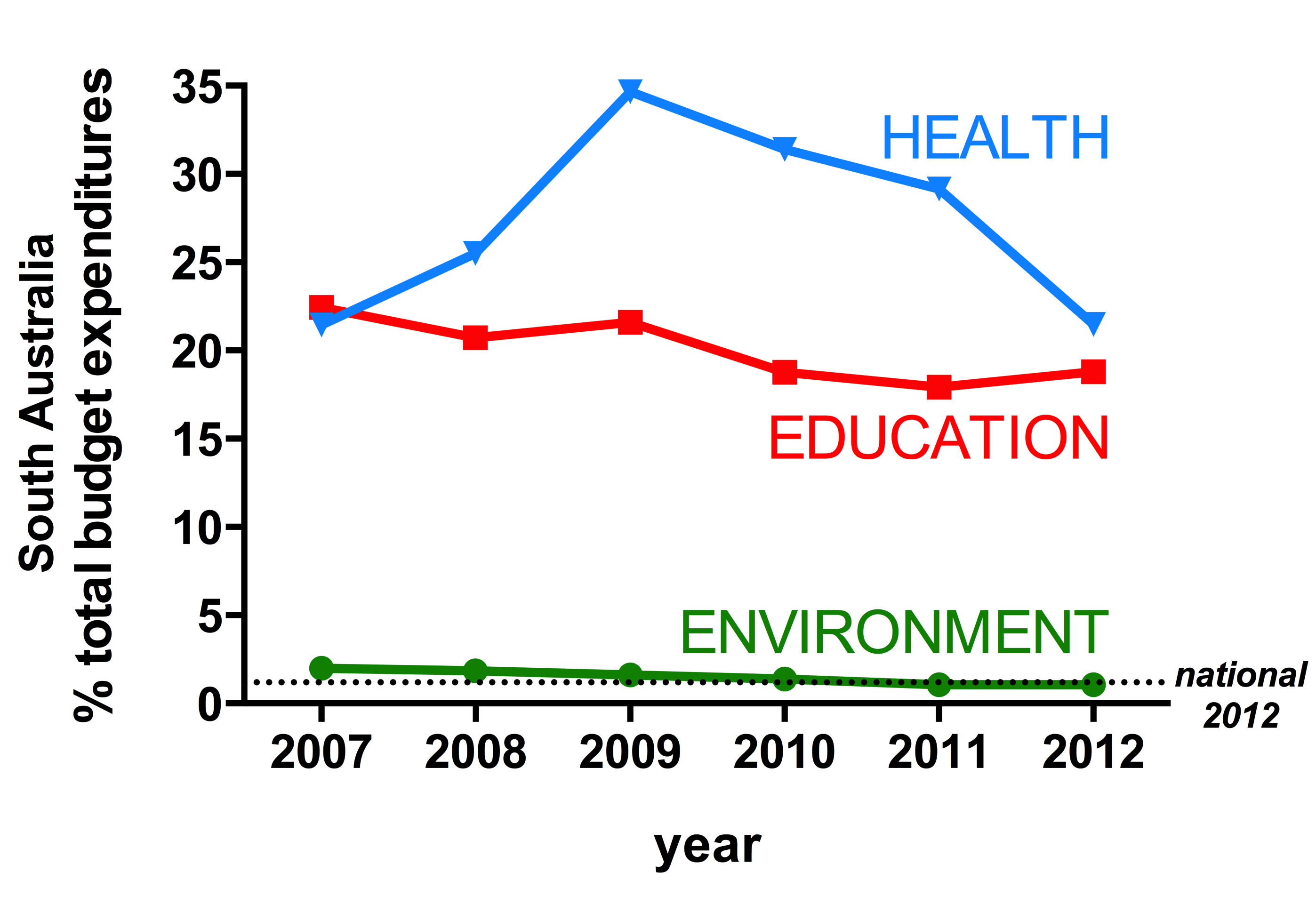
State budget percentage expenditures for health, education and environment

South Australia State budget percentage expenditures for health, education and environment

Yesterday I gave the second keynote address at the South Australia Natural Resource Management (NRM) Science Conference at the University of Adelaide (see also a brief synopsis of Day 1 here). Unfortunately, I’m missing today’s talks because of an acute case of man cold, but at least I can stay at home and work while sipping cups of hot tea.

Many people came up afterwards and congratulated me for “being brave enough to tell the truth”, which both encouraged and distressed me – I am encouraged by the positive feedback, but distressed by the lack of action on the part of our natural resource management leaders.

The simple truth is that South Australia’s biodiversity and ecosystems are in shambles, yet few seem to appreciate this.

So for the benefit of those who couldn’t attend, I’ve uploaded the podcast of my slideshow for general viewing here. I’ve also highlighted some key points from the talk below: Read the rest of this entry »



The environmental Abbott-oir

9 04 2014

“What?”, my wife exclaimed, “Is this guy Satan1 himself?”. Within 6 months in office, the Abbott-oir has:

  • attempted to remote World Heritage protection for a large expanse of Tasmanian forest;
  • vowed to reinstate logging in Tasmania on a large scale;
  • broken promise to fund Sumatran rhino recovery;
  • decided to dump 3 million tonnes of dredging spoil on the Great Barrier Reef;
  • scrapped management plans for most of the nation’s representative system of marine protected areas;
  • rollbacked protection in national parks, including allowing logging, grazing, fishing and hunting;
  • refused to send any Australian delegate to global climate change discussions;
  • allowed Western Australia to proceed with a large-scale cull of great white, tiger and bull sharks;
  • weakened Australia’s recently passed anti-illegal logging bill;
  • nearly achieved legal immunity from any challenges to his decisions on mining projects;
  • weakened the processes involved in development proposals by ‘cutting the green tape‘;
  • vowed to halt the creation of any more national parks, saying that Australia already has too many;
  • proposed to ban consumer boycotts of corporations that damage the environment;
  • cut $100 million in funding, and axed 500 jobs, in the federal Environment department;
  • continued to push for abolishing the carbon price.

Cry? Despair? Laugh? No – fight.

Abbott cartoon 5503

Read the rest of this entry »



The lengths Abbott will go to destroy environmentalism

7 04 2014

209678-tony-abbottOver at ALERT (Alliance of Leading Environmental Researchers & Thinkers), Bill Laurance has highlighted yet another major blow to environmentalism in Australia: the Coalition’s latest push is to ban consumer boycotts of environmentally damaging corporations. The following press release went out this morning. You can also find more details on the Abbott proposal here and here.

An international scientific group has decried an Australian government proposal to ban consumer boycotts of corporations that damage the environment.

“It’s clearly a bad idea,” said William Laurance, a professor at James Cook University in Australia and director of ALERT, the Alliance of Leading Environmental Researchers and Thinkers.

“Boycotts have been one of the most important arrows in the quiver of responsible conservationists and consumers,” said Laurance. “They’ve convinced many environmentally predatory firms around the world to clean up their acts.”

Consumer boycotts have improved the behaviour of hundreds of aggressive timber, oil palm, soy, seafood and other corporations around the world, say the scientists.

“Boycotts get the attention of environment-destroying companies because they hit them where it hurts—their reputation and market share,” said Corey Bradshaw, a professor at the University of Adelaide. Read the rest of this entry »


Cartoon guide to biodiversity loss XXIII

4 04 2014

Here are another 6 biodiversity cartoons for your conservation pleasure/pain (see full stock of previous ‘Cartoon guide to biodiversity loss’ compendia here).

Read the rest of this entry »


Eye on the taiga

24 03 2014

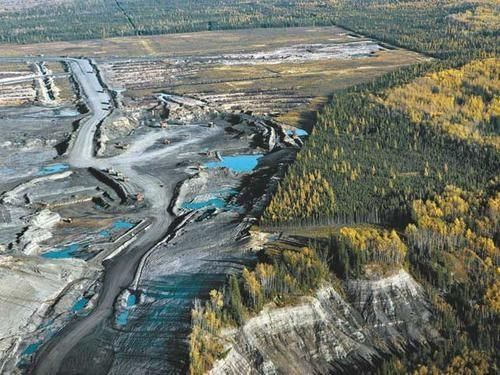
boreal damageDun! Dun, dun, dun! Dun, dun, dun! Dun, dun, daaaaah!

I’ve waited nearly two years to do that, with possibly our best title yet for a peer-reviewed paper: Eye on the taiga: removing global policy impediments to safeguard the boreal forest (recently published online in Conservation Letters).

Of course, the paper has nothing to do with cheesy Eighties music, underdog boxers or even tigers, but it does highlight an important oversight in world carbon politics. The boreal forest (also known as taiga from the Russian) spans much of the land mass of the Northern Hemisphere and represents approximately one quarter of the entire planet’s forests. As a result, this massive forest contains more than 35% of all terrestrially bound carbon (below and above ground). One doesn’t require much more information to come to the conclusion that this massive second lung of the planet (considering the Amazon the first lung) is a vital component of the world’s carbon cycle, and temperate biodiversity.

The boreal forest has been largely expanding since the retreat of the glaciers following the Last Glacial Maximum about 20,000 years ago, which means that its slow progression northward has produced a net carbon sink (i.e., it takes up more atmospheric carbon that it releases from decomposition). However, recent evidence suggests that due to a combination of increased deforestation, fire from both human encroachment and climate change, mass outbreaks of tree-killing insects and permafrost melting, the boreal forest is tipping towards becoming a net carbon source (i.e., emitting more carbon into the atmosphere than it takes up from photosynthesis). This is not a good thing for the world’s carbon cycle, because it means yet another positive feedback that will exacerbate the rapid warming of the planet. Read the rest of this entry »


If biodiversity is so important, why is Europe not languishing?

17 03 2014

collapseI don’t often respond to many comments on this blog unless they are really, really good questions (and if I think I have the answers). Even rarer is devoting an entire post to answering a question. The other day, I received a real cracker, and so I think it deserves a highlighted response.

Two days ago, a certain ‘P. Basu’ asked this in response to my last blog post (Lose biodiversity and you’ll get sick):

I am an Indian who lived in Germany for quite a long period. Now, if I am not grossly mistaken, once upon a time Germany and other west european countries had large tracts of “real” forests with bears, wolves, foxes and other animals (both carnivore and herbivore). Bear has completely disappeared from these countries with the advent of industrialization. A few wolves have been kept in more or less artificially created forests. Foxes, deer and hares, fortunately, do still exist. My question is, how come these countries are still so well off – not only from the point of view of economy but also from the angle of public health despite the loss of large tracts of natural forests? Or is it that modern science and a health conscious society can compensate the loss of biodiversity.

“Well”, I thought to myself, “Bloody good question”.

I have come across this genre of question before, but usually under more hostile circumstances when an overtly right-wing respondent (hell, let’s call a spade a spade – a ‘completely selfish arsehole’) has challenged me on the ‘value of nature’ logic (I’m not for a moment suggesting that P. Basu is this sort of person; on the contrary, he politely asked an extremely important question that requires an answer). The comeback generally goes something like this: “If biodiversity is so important, why aren’t super-developed countries wallowing in economic and social ruin because they’ve degraded their own life-support systems? Clearly you must be wrong, Sir.”

There have been discussions in the ecological and sustainability literature that have attempted to answer this, but I’ll give it a shot here for the benefit of CB.com readers. Read the rest of this entry »



Lose biodiversity and you’ll get sick

14 03 2014

dengueHere’s a (paraphrased) recommendation I did recently for F1000 about a cool avenue of research I’ve been following for a few years now. Very interesting, but much, much more to do.

The core concepts of conservation ecology are well-established: we know that habitat lossfragmentation, invasive species, over-exploitation and of course, climate change, are bad for biodiversity. This well-quantified scientific baseline has led the discipline recently to embark on questions pertaining more to the (a) implications of biodiversity loss for humanity and (b) what we can do to offset these. A recent paper by Morand and colleagues addresses perhaps one of the most compelling reasons that human society should appreciate biodiversity beyond its intrinsic value; as biodiversity degrades, so too does human health.

Some argue that the only way to convince society in general that biodiversity is worth protecting is that we link its loss directly to degrading human health, wealth and well-being. Confirmation of such relationships at a variety of spatial and temporal scales is therefore essential. Morand and colleagues used data from a variety of sources to test two predictions: (1) that the number of infectious disease should increase as overall biodiversity increases and (2) that biodiversity loss, inferred from species threat and deforestation data, should increase the number of infectious disease outbreaks in humans. Using data from 28 countries in the Asia-Pacific region, they confirmed both predictions. Read the rest of this entry »