Following my annual tradition, I present the retrospective list of the ‘top’ 20 influential papers of 2022 as assessed by experts in Faculty Opinions (formerly known as F1000). These are in no particular order. See previous years’ lists here: 2021, 2020, 2019, 2018, 2017, 2016, 2015, 2014, and 2013.

Genetic variance in fitness indicates rapid contemporary adaptive evolution in wild animals — “… this paper adds a much-needed perspective to the status of genetic diversity and adaptive potential in contemporary populations.“
Habitat, geophysical, and eco-social connectivity: benefits of resilient socio-ecological landscapes — “… distinguishes four distinct but interrelated types of connectivity: landscape, habitat, geophysical, and eco-social connectivity, of which the fourth type is new. The authors discuss how these different types of connectivity are related to ecosystem services and disservices, and how they interact with each other to influence landscape sustainability issues.“
Glyphosate impairs collective thermoregulation in bumblebees — “… low-dose glyphosate, combined with global increases in temperature, converge to disrupt homeostatic regulation in bee colonies. This is a crucial revelation for understanding the loss of bees across the globe, as they serve as major pollinators in nature and agriculture.“
Human disturbances affect the topology of food webs — “… provides great opportunities for the study of food web structures, their dynamics and stability under different human influences.“
A comprehensive database of amphibian heat tolerance — “… provides estimates of amphibian upper thermal limits – a relevant trait for assessing the vulnerability of this highly-threatened group of ectotherms to rising temperatures – derived from thousands of experimental studies.”
Read the rest of this entry »

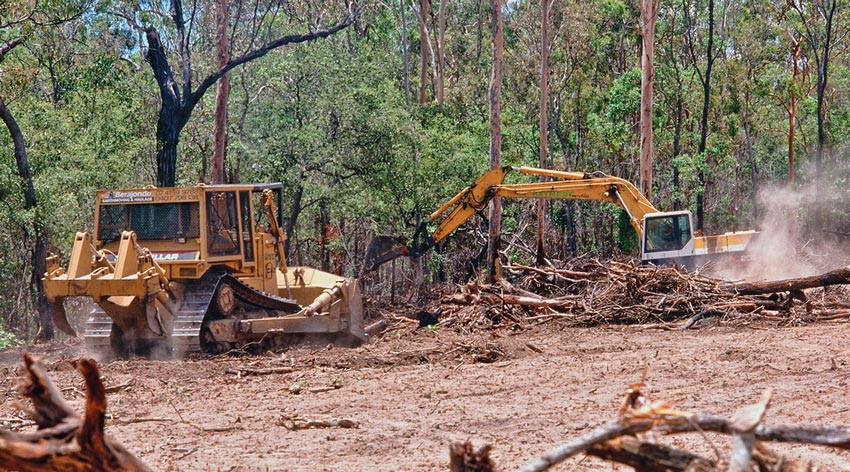
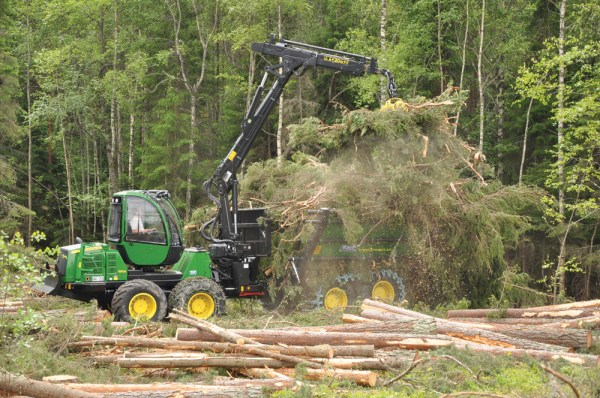 While some complain that the European Union (EU) is an enormous, cumbersome beast (just ask the self-harming Brexiteers), it generally has some rather laudable legislative checks and balances for nature conservation. While far from perfect, the rules applying to all Member States have arguably improved the state of both European environments, and those from which Europeans source their materials.
 So back to the RED legislation. The original ‘
 I believe it is important to clarify a few things about the job advertisement that we are re-opening.



 ConservationBytes.com
