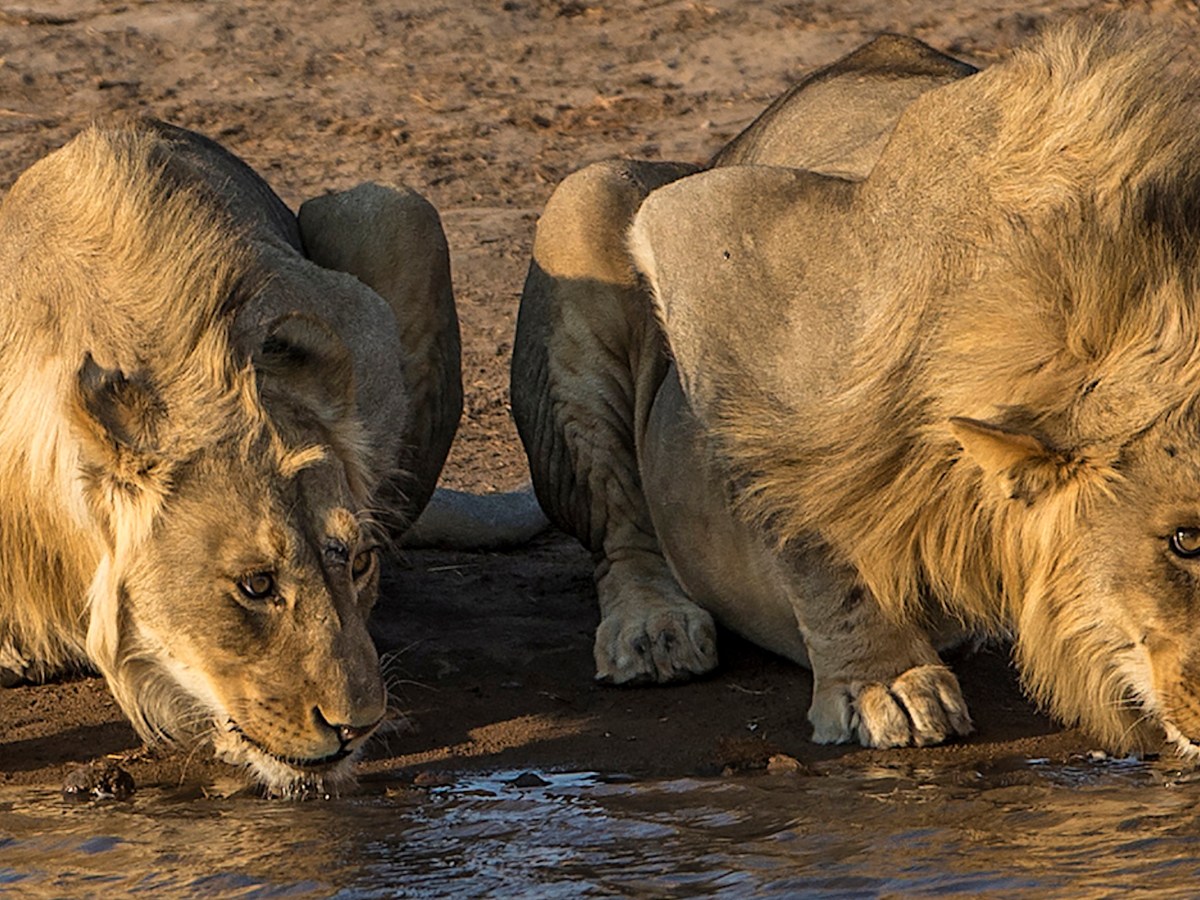
Guilty until proven innocent

18 07 2013

precautionary principleThe precautionary principle – the idea that one should adopt an approach that minimises risk – is so ingrained in the mind of the conservation scientist that we often forget what it really means, or the reality of its implementation in management and policy. Indeed, it has been written about extensively in the peer-reviewed conservation literature for over 20 years at least (some examples here, here, here and here).

From a purely probabilistic viewpoint, the concept is flawlessly logical in most conservation questions. For example, if a particular by-catch of a threatened species is predicted [from a model] to result in a long-term rate of instantaneous population change (r) of -0.02 to 0.01 [uniform distribution], then even though that interval envelops r = 0, one can see that reducing the harvest rate a little more until the lower bound is greater than zero is a good idea to avoid potentially pushing down the population even more. In this way, our modelling results would recommend a policy that formally incorporates the uncertainty of our predictions without actually trying to make our classically black-and-white laws try to legislate uncertainty directly. Read the rest of this entry »


Ecology: the most important science of our times

12 07 2013

rocket-scienceThe title of this post is deliberately intended to be provocative, but stay with me – I do have an important point to make.

I’m sure most every scientist in almost any discipline feels that her or his particular knowledge quest is “the most important”. Admittedly, there are some branches of science that are more applied than others – I have yet to be convinced, for example, that string theory has an immediate human application, whereas medical science certainly does provide answers to useful questions regarding human health. But the passion for one’s own particular science discipline likely engenders a sort of tunnel vision about its intrinsic importance.

So it comes down to how one defines ‘important’. I’m not advocating in any way that application or practicality should be the only yardstick to ascertain importance. I think superficially impractical, ‘blue-skies’ theoretical endeavours are essential precursors to all so-called applied sciences. I’ll even go so far as to say that there is fundamentally no such thing as a completely unapplied science discipline or question. As I’ve said many times before, ‘science’ is a brick wall of evidence, where individual studies increase the strength of the wall to a point where we can call it a ‘theory’. Occasionally a study comes along and smashes the wall (paradigm shift), at which point we begin to build a new one. Read the rest of this entry »


The economy worse off since 1978

3 07 2013
eat money

Can’t eat money

I was only a little tacker in 1978, and as any little tacker, I was blissfully unaware that I had just lived through a world-changing event. Just like that blissfully ignorant child, most people have no idea how important that year was.

It was around that year that humanity exceeded the planet’s capacity to sustain itself in perpetuity1. As I’ve just discovered today, it was also the same year that the per-capita Genuine Progress Indicator (GPI) peaked.

Now for a little detour and disclaimer before I explain all that. I’m not an economist, but I have a dabbled with the odd economic concept and bolted-on economic sub-routine in a few models I’ve written. Some would argue that conservation (i.e., the quest and methods needed to conserve biowealth) is almost entirely an economic pursuit, for economics is the discipline that attempts to explain (and modify) human behaviour. I tend to agree insofar as we now know enough on the biological side regarding how species become threatened and go extinct, and what kind of things we need to do to avoid losing more of the life-support system provided by biodiversity. Being completely practical about it, one could even argue that the biology part of conservation biology is complete – we should all now re-train as economists. While that notion probably represents a little hyperbole, it does demonstrate that economics is an essential endeavour in the fight to conserve our home.

Almost everyone has heard of ‘GDP’ – the Gross Domestic Product – as an indicator of economic ‘performance’, although most people have little idea what it actually measures (I’m including businesspeople and politicians here). GDP is merely the sum of marketed economic activity, which is only one small facet of the economy. For example, growing a tomato and preparing a salad for your family with it is not included, yet buying a frozen meal in the supermarket is. Even an oil spill increases GDP via increased expenditures associated with clean-up and remediation, when clearly it is not a ‘good’ thing for the economy on the whole because of the lost opportunities it causes in other sectors. Read the rest of this entry »


Relaxed laws imperil Australian wildlife

28 06 2013
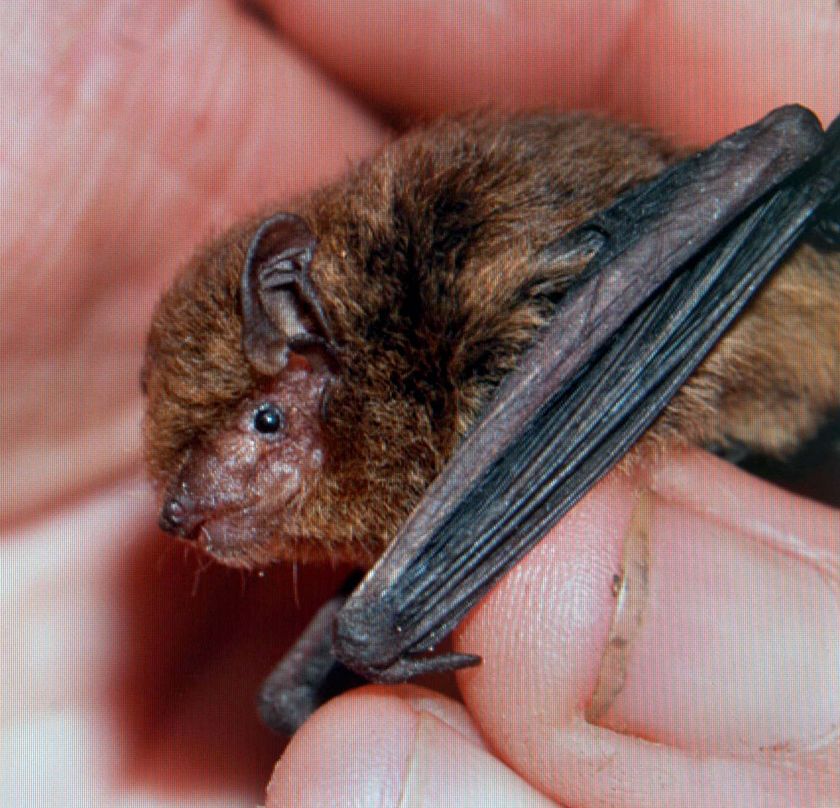
Christmas Island pipistrelle bat (Pipistrellus murrayi). © M. Schultz

Christmas Island pipistrelle bat (Pipistrellus murrayi). © M. Schultz

On the continuing theme of the demise of laws designed to protect Australian biodiversity (see here, here and here), I’m reproducing our latest Nature Correspondence on the issue. I know this might be slightly dodgy to do so, but given that it’s only a Correspondence, I don’t think I’ll get in too much trouble. Besides, it’s too important an issue to hide away behind paywalls.

Policy and legislative changes by Australia’s state governments are eroding the vital protection of the country’s unique biodiversity.

Reserves are being opened up to ecologically disruptive activities, such as grazing by domestic livestock, logging, mining, recreational hunting and fishing, and commercial development. Protected habitats on private and leasehold land are imperilled too. Queensland and Victoria, for example, are relaxing hard-won laws that limit vegetation clearance on private land, further accelerating the loss of regional biodiversity.

Collectively, these actions increase the pressure on biodiversity conservation in protected areas, many of which are already showing biodiversity loss (for example, the Kakadu National Park in northern Australia). Ecological connectivity is being lost, which will hamper the dispersal of species and their ability to respond to climate-change effects. Read the rest of this entry »
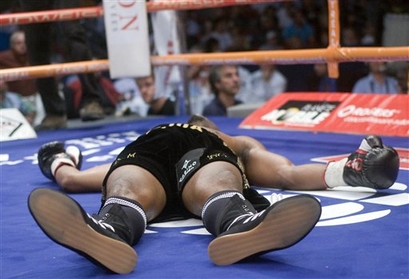


Conservation and ecology journal Impact Factors 2012

20 06 2013

smack2It’s the time of year that scientists love to hate – the latest (2012) journal ranking have been released by ISI Web of Knowledge. Many people despise this system, despite its major role in driving publishing trends.

I’ve previously listed the 2008, 2009, 2010 and 2011 IF for major conservation and ecology journals. As before, I’ve included the previous year’s IF alongside the latest values to see how journals have improved or worsened (but take note – journals increase their IF on average anyway merely by the fact that publication frequency is increasing, so small jumps aren’t necessarily meaningful; I suspect that declines are therefore more telling).

Read the rest of this entry »
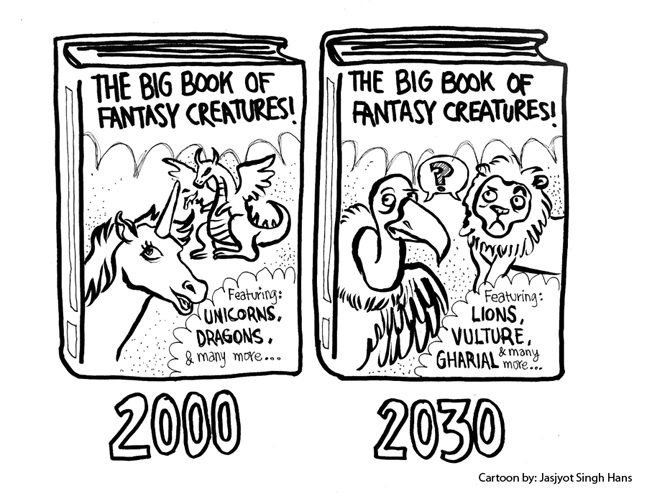


I fucking love biodiversity

18 06 2013
© G. Gallice

© G. Gallice

A corker of an idea, and post, from Diogo Veríssimo.

I don’t like biodiversity. I like beef lasagna, I like the British museum and I like everything Jules Verne ever wrote. When it comes to biodiversity, it’s different. I think about it all the time, try to be close to it and suffer emotional distress when I think of it going irretrievably away. This is LOVE.

Understanding how to get this passion across effectively has always been one of my main goals. That is why my research has focused on the links between marketing and conservation. But recently I started feeling a bit more empowered to take this mission seriously, and all thanks to the Facebook page I fucking love Science. This page became an internet sensation amassing more than 5 million fans and engaging frequently over 4 million users in any given week. Forget the New York Times and National Geographic, this is the real deal.

So I wondered, why can’t I do the same for biodiversity? The idea lingered in my head until I read a recent paper by McCallum and Bury on Google search patterns, which shows how even during the United Nations Decade on Biodiversity we are failing to mainstream biodiversity and its associated issues. If fact, people seem to be less interested. Whatever we are doing is clearly not working. So why not give this concept a try? And so I fucking love Biodiversity (IFLB) was born.

Read the rest of this entry »
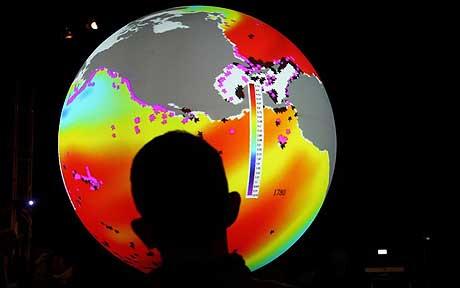


Australia’s national parks aren’t ‘national’ at all

14 06 2013

Yarra-Ranges-National-Park-AustraliaFollowing our The Conversation article a few weeks ago about the rapid demise of national parks in Australia, a few of us (me, Euan Ritchie & Emma Johnston) wrote a follow-up piece on the Australia’s national park misnomer (published simultaneously on The Conversation).

Australia boasts over 500 national parks covering 28 million hectares of land, or about 3.6% of Australia. You could be forgiven for thinking we’re doing well in the biodiversity-conservation game.

But did you know that of those more than 500 national parks, only six are managed by the Commonwealth Government? For marine parks, it’s a little more: 61 of the 130-plus are managed primarily by the Commonwealth. This means that the majority of our important biodiversity refuges are managed exclusively by state and territory governments. In other words, our national parks aren’t “national” at all.

In a world of perfect governance, this wouldn’t matter. But we’re seeing the rapid “relaxation” of laws designed to protect our “national” and marine parks by many state governments. Would making all of them truly national do more to conserve biodiversity?

One silly decision resulting in a major ecosystem disturbance in a national park can take decades if not hundreds of years to heal. Ecosystems are complex interactions of millions of species that take a long time to evolve – they cannot be easily repaired once the damage is done.

Almost overnight, Queensland, New South Wales and Victoria have rolled back nearly two centuries of park protection. What’s surprising here is that many of our conservation gains in the last few decades (for example, the Natural Heritage Trust, the National Reserve System, the Environment Protection and Biodiversity Conservation Act and a national marine reserve network) originated from Coalition policies. Read the rest of this entry »


Learning how to fail

6 06 2013

On the way to work yesterday I was listening to ABC Radio National‘s Life Matters program hosted by Natasha Mitchell about how school children are now apparently being given so much positive praise and encouragement that they can no longer handle failure. Poor, wee dears. Maybe that’s why we have such a high attrition rate once they get up to postgraduate level, because that’s when they REALLY experience failure.

Jokes and whinges aside, there is a hard truth in that message that applies to all scientists, and especially the early-career ones. I’m talking about having your paper rejected from a journal.

Even the terms we use to describe the peer-review gauntlet appear designed to instil fear and inadequacy: reject or accept. I don’t know how many times I’ve seen a PhD student’s face figuratively melt off the skull as they shuffle into my office to show me the journal’s rejection letter (now just usually forwarded in an email accompanied by implied stooped shoulders – is there an emoticon for that?). As I’ve mentioned before, we scientists can be real bastards to each other, and it comes out in spades during peer review.

While neophytes tend to take these hits the hardest, I want to impart a little wisdom from some of my very well-established and successful colleagues. Rejection should be viewed as an asset, not a mark of failure. Let me explain. Read the rest of this entry »



Cartoon guide to biodiversity loss XIX

3 06 2013

Here are 6 more biodiversity cartoons illustrating through humour the sad state of the natural world (see full stock of previous ‘Cartoon guide to biodiversity loss’ compendia here).

Read the rest of this entry »


Conservation hypocrisy

28 05 2013
telegraph.co.uk

telegraph.co.uk

Another soul-searching post from Alejandro Frid.

Confession time. This is going to be delicate, and might even ruffle some big feathers. Still, all of us need to talk about it. In fact, I want to trigger a wide conversation on the flaws and merits of what I did.

Back in March of this year I saw a posting for a job with the Smithsonian Conservation Biology Institute (SCBI) seeking a ‘conservation biologist to provide expert advice in the design and implementation of a Biodiversity Monitoring and Assessment Program (BMAP) in northern British Columbia, Canada’. The job sounded cool and important. I was suited for it, knew northern British Columbia well, and loved the idea of working there.

But there was a catch. The job was focused on the local impacts of fossil fuel infrastructure while dissociating itself from the climate impacts of burning that fuel, and involved collaborating with the fossil fuel company. According to the posting, this was not a new thing for the Smithsonian:

Guided by the principles of the Convention on Biological Diversity, SCBI works with a selected group of oil and gas companies since 1996 to develop models designed to achieve conservation and sustainable development objectives while also protecting and conserving biodiversity, and maintaining vital ecosystem services that benefit both humans and wildlife.

Given that climate change already is diminishing global biodiversity and hampering the ecosystem services on which we all depend, the logic seemed inconsistent to me. But there was little time to ponder it. The application deadline had just passed and my soft-money position with the Vancouver Aquarium Marine Science Centre was fizzling out. So I applied, hastily, figuring that I would deal with the issue later, if they ever got back to me. Read the rest of this entry »


Our national parks must be more than playgrounds or paddocks

24 05 2013

Convo TweetsIt’s interesting when a semi-random tweet by a colleague ends up mobilising a small army of scientists to get pissed off enough to co-write an article. Euan Ritchie of Deakin University started it off, and quickly recruited me, Mick McCarthy, David Watson, Ian Lunt, Hugh Possingham, Bill Laurance and Emma Johnston to put together the article. It’s a hugely important topic, so I hope it generates a lot of discussion and finally, some bloody action to stop the rapid destruction of this country’s national parks system.

Note: Published simultaneously on The Conversation.

It’s make or break time for Australia’s national parks.

National parks on land and in the ocean are dying a death of a thousand cuts, in the form of bullets, hooks, hotels, logging concessions and grazing licences. It’s been an extraordinary last few months, with various governments in eastern states proposing new uses for these critically important areas.

Australia’s first “National Park”, established in 1879, was akin to a glorified country club. Now called the “Royal National Park” on the outskirts of Sydney, it was created as a recreational escape for Sydney-siders, with ornamental plantations, a zoo, race courses, artillery ranges, livestock paddocks, deer farms, logging leases and mines.

Australians since realised that national parks should focus on protecting the species and natural landscapes they contain. However, we are now in danger of regressing to the misguided ideals of the 19th Century.

Parks under attack

In Victoria, new rules will allow developers to build hotels and other ventures in national parks. In New South Wales, legislation has been introduced to allow recreational shooting in national parks, and there is pressure to log these areas too. Read the rest of this entry »


A carbon economy can help save our species too

20 05 2013

money treeWe sent out this media release the other day, but it had pretty poor pick-up (are people sick of the carbon price wars?). Anyway, I thought it prudent to reprint here on CB.com.

Will Australia’s biodiversity benefit from the new carbon economy designed to reduce greenhouse gas emissions? Or will bio-‘perversities’ win the day?

“Cautious optimism” was the conclusion of Professor Corey Bradshaw, Director of Ecological Modelling at the University of Adelaide’s Environment Institute. He is lead author of a new paper published in the journal of Biological Conservation which reviewed the likely consequences of a carbon economy on conservation of Australian biodiversity.

“In most circumstances these two very important goals for Australia’s future – greenhouse gas emissions reduction and biodiversity conservation – are not mutually exclusive and could even boost each other,” Professor Bradshaw says.

“There are, however, many potential negative biodiversity outcomes if land management is not done with biodiversity in mind from the outset.”

The paper was contributed to by 30 Australian scientists from different backgrounds. They reviewed six areas where Australia’s Carbon Farming Initiative could have the greatest impact on biodiversity: environmental plantings; policies and practices to deal with native regrowth; fire management; agricultural practices; and feral animal control.

“The largest biodiversity ‘bang for our buck’ is likely to come from tree plantings,” says Professor Bradshaw. “But there are some potential and frightening ‘bioperversities’ as well. For example, we need to be careful not to plant just the fastest-growing, simplest and non-native species only to ‘farm’ carbon.

“Carbon plantings will only have real biodiversity value if they comprise appropriate native tree species and provide suitable habitats and resources for valued fauna. Such plantings could however risk severely altering local hydrology and reducing water availability.”

Professor Bradshaw says carefully managing regrowth of once-cleared areas could also produce a large carbon-sequestration and biodiversity benefit simultaneously. And carbon price-based modifications to agriculture that would benefit biodiversity included reductions in tillage frequency, livestock densities and fertiliser use, and retention and regeneration of native shrubs. Read the rest of this entry »


Learning from danger

13 05 2013
Guanaco fleeing
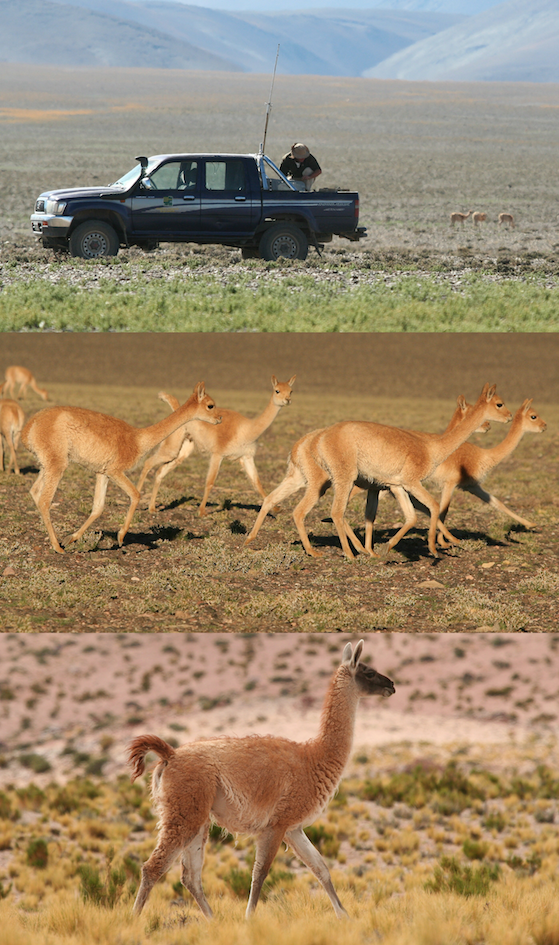
Study vehicle, a group of vicuñas and a guanaco in San Guillermo National Park (San Juan, Argentina) [courtesy of Marco Escudero]. Guanacos and vicuñas are native to South America, and are the ancestors of domesticated llamas and alpacas – which are exploited for their meat, milk and wool. Both species form monotypic genera. They have discontinuous distributions in Argentina, Bolivia, Chile and Peru, with introduced populations in Paraguay (guanaco) and Ecuador (vicuña). Population estimates are > 500,000 (guanaco) and > 300,000 (vicuña), the latter restricted to high-altitude ecosystems. They are ‘Least Concern’ for the IUCN but, given their low population growth rates (fertility = 1 offspring/female/yr), guanacos and vicuñas are targeted by conservation programs in all their native countries.

Many of us might have stumbled twice on the same stone, yet learnt to be wary of future situations of similar risk. Likewise, wild animals can be predisposed to flee when faced with already known predators (or threats in general). The type and magnitude of their evasive response depends on predator distance, speed and body size (1). Regardless, prey need to assess predation risk in a matter of seconds (or even shorter than that), i.e., balancing the benefits and costs of fleeing.

The benefits all boil down to survival, but the costs might include moving away from offspring, loss of access to fresh and abundant food, or spending precious metabolic energy (2). The methods ecologists use to study animal flight behaviour in the wild are rife with nuisances (3), yet they represent a tool for quantifying wildlife stress resulting from a variety of human activities.

Equipped with our modern technological kit (weapons, vehicles, GPS, etc.), humans behave like genuine predators and can trigger the range of flight behaviours displayed by their potential prey. In that context, Emiliano Donadio and Steve Burskirk (4) studied flight behaviour of guanacos (Lama guanicoe) and vicuñas (Vicugna vicugna) in the Argentinean open plains (‘llanos’). They monitored 2 protected areas under weak surveillance and subject to illegal hunting: the Laguna Brava Provincial Reserve and the San Guillermo Biosphere Reserve (treatment = H); and one area free of hunting and only exposed to guided visits with strict entry/exit times: the San Guillermo National Park (treatment = NH). The ecologists did 3 transects per study area. When they encountered a group of camelids, they classified three types of flight behaviour (alert without fleeing, walking away, galloping away), and measured flight time (between vehicle detection and initiation of flight behaviour) and flight distance (between the vehicle and the individuals when initiating flight behaviour). Read the rest of this entry »



Seven signs your country has an environmental problem

29 04 2013

1. It’s almost always hazy – and not just in the cities. The particulate matter pollution makes even sunny days appear like it’s about to rain. To add insult to injury, almost every advertisement with anything to do with ‘outside’ pictures a pristinely blue sky and copious sunshine, without the hint of grey. When stepping off the aeroplane, the distinct taste of tar hits the back of your throat.

2. You can’t drink the water from the tap – not anywhere. In fact, you can’t even brush your teeth with it or risk getting some nasty intestinal parasite.

3. You can’t plant trees fast enough because the frequency of landslips kills hundreds of people yearly.

4. While catching a taxi from the airport, the driver plays a continuous loop of birds singing, because most residents never hear those sounds.

5. You have an economy in over-drive, and yet you still think of yourself as ‘developing’.

6. Emerging infectious disease jumping from livestock to humans is now a near-regular occurrence, with new and weird diseases that threaten to become human pandemics and mutating with alarming speed popping up everywhere. Read the rest of this entry »


Touchy-feely ecologists

18 04 2013

happy scientistOne of the many reasons I started this blog nearly five years ago was to engage both minds and hearts that my (and my colleagues’) scientific journal papers were failing to do. Of course we have emotional attachment to our areas of expertise (I’ve never met a good scientist who wasn’t passionate about what they studied) – but as Alejandro Frid encourages – we just have to transmit that emotional component better to our fellow human beings.

The title is not a joke about sensitive, New Age guys. I am quite serious about it. Though no academic superstar, I have been publishing in ecological and conservation journals for almost twenty years. I love the discipline. I’d hate to see it fail.

What I am talking about is this: ecologists read and write about ‘extinction’, ‘over-exploitation’, ‘climate change’ and so forth as a matter of routine. Yet at the same time, science journals are full of examples of how resources can be used more sustainably, of human behaviours that reduce the greenhouse gases that alter the climate and acidify the oceans, and of alternative economic models that value a healthy biosphere. So why do consumer apathy and political inertia still run the same old show?

I know, I know. Social scientists are working hard on this question (check out, for instance, just about any issue of Nature Climate Change). But what matters is not the rigorous answer that they might produce (we already know that it is 42 – Douglas Adams couldn’t be wrong); it is instead that most non-scientists probably don’t even care about the question. Read the rest of this entry »


Help us restore a forest

12 04 2013

plantingI’m not usually one to promote conservation volunteer opportunities, but this is a little different. First, I’m involved in this one, and second, it’s very near to my home. As you might know, the Mount Lofty Ranges area has had about 90 % of its forests destroyed since European settlement, with a corresponding loss of ecosystem services. We need smart restoration on massive scale, and Monarto is one place where we can develop the best practices to achieve this goal. We really do need some help here, so I encourage anyone in the Adelaide area with an interest in evidence-based forest restoration to lend us a hand.

The Monarto Restoration Project will provide an internationally recognised opportunity to experience and engage with wild Australia as it was.

Our aim is restore and expand habitats at Monarto to represent what used to exist in the region before clearing for agriculture and the introduction of pest species. Monarto used to be teeming with wildlife. The remnant vegetation at Monarto is unique as it is located at the cross-over of two vegetation communities (the Mt Lofty Ranges and Murray Mallee). This means it provides important habitat for a range of threatened bird and plant species. However, there are still a number of species in danger of being lost from the area, so we need to focus on restoring habitat to support them too.

We provide an opportunity to see the bush in a way that is no longer possible in most parts of Australia. We hope to help you see what we have lost and encourage you to participate in conservation. It gives us the opportunity to include everyone in on-ground conservation work and pass on skills that can be applied beyond a day or this project. With your help we can reduce the impacts of pest species on the property and re-introduce some of the native species that are now locally extinct. Read the rest of this entry »


Software tools for conservation biologists

8 04 2013

computer-programmingGiven the popularity of certain prescriptive posts on ConservationBytes.com, I thought it prudent to compile a list of software that my lab and I have found particularly useful over the years. This list is not meant to be comprehensive, but it will give you a taste for what’s out there. I don’t list the plethora of conservation genetics software that is available (generally given my lack of experience with it), but if this is your chosen area, I’d suggest starting with Dick Frankham‘s excellent book, An Introduction to Conservation Genetics.

1. R: If you haven’t yet loaded the open-source R programming language on your machine, do it now. It is the single-most-useful bit of statistical and programming software available to anyone anywhere in the sciences. Don’t worry if you’re not a fully fledged programmer – there are now enough people using and developing sophisticated ‘libraries’ (packages of functions) that there’s pretty much an application for everything these days. We tend to use R to the exclusion of almost any other statistical software because it makes you learn the technique rather than just blindly pressing the ‘go’ button. You could also stop right here – with R, you can do pretty much everything else that the software listed below does; however, you have to be an exceedingly clever programmer and have a lot of spare time. R can also sometimes get bogged down with too much filled RAM, in which case other, compiled languages such as PYTHON and C# are useful.

2. VORTEX/OUTBREAK/META-MODEL MANAGER, etc.: This suite of individual-based projection software was designed by Bob Lacy & Phil Miller initially to determine the viability of small (usually captive) populations. The original VORTEX has grown into a multi-purpose, powerful and sophisticated population viability analysis package that now links to its cousin applications like OUTBREAK (the only off-the-shelf epidemiological software in existence) via the ‘command centre’ META-MODEL MANAGER (see an examples here and here from our lab). There are other add-ons that make almost any population projection and hindcasting application possible. And it’s all free! (warning: currently unavailable for Mac, although I’ve been pestering Bob to do a Mac version).

3. RAMAS: RAMAS is the go-to application for spatial population modelling. Developed by the extremely clever Resit Akçakaya, this is one of the only tools that incorporates spatial meta-population aspects with formal, cohort-based demographic models. It’s also very useful in a climate-change context when you have projections of changing habitat suitability as the base layer onto which meta-population dynamics can be modelled. It’s not free, but it’s worth purchasing. Read the rest of this entry »


Let the planting begin

3 04 2013
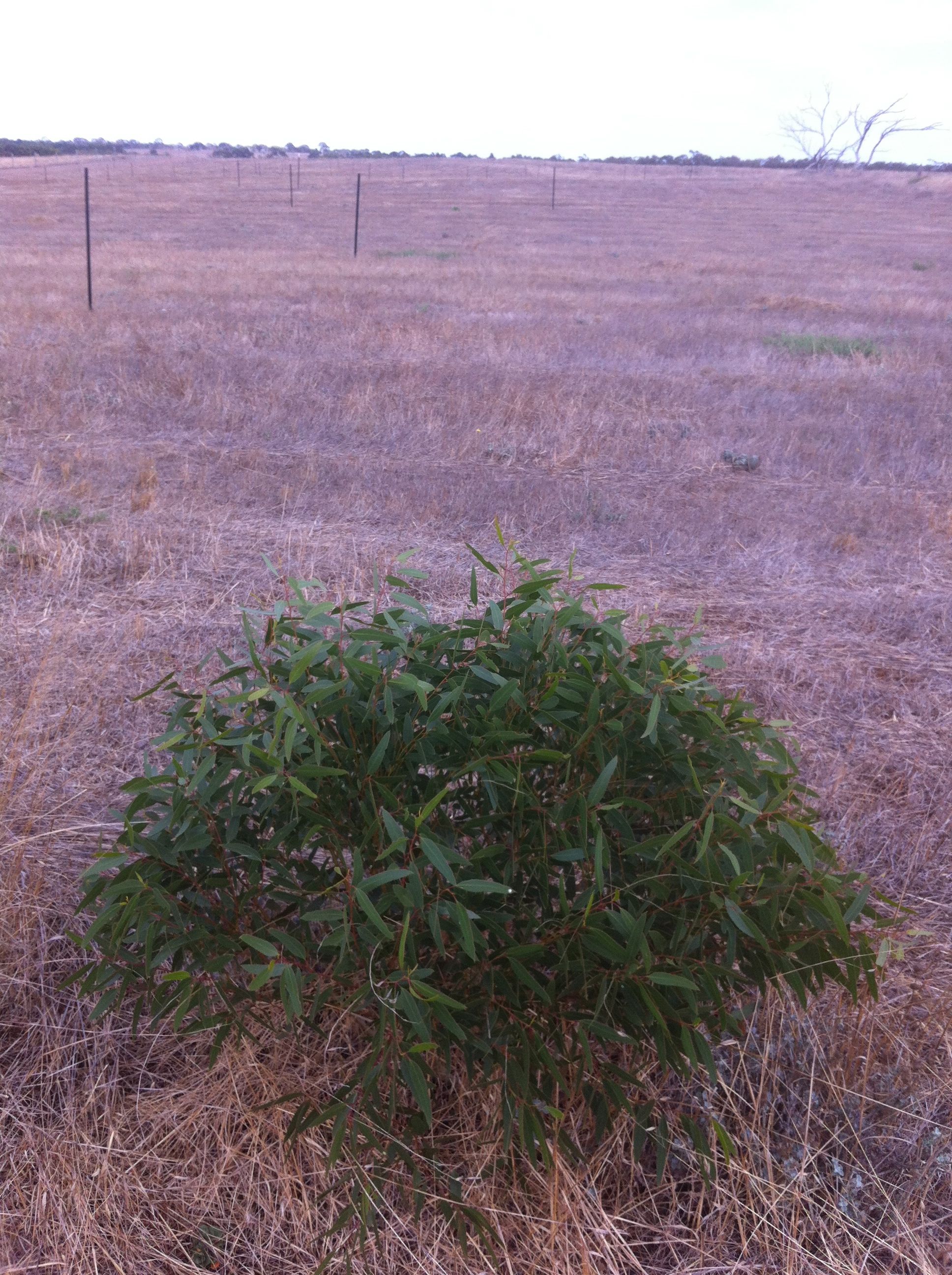
A tough little Eucalyptus porosa - one day soon this entire ex-paddock will be filled with carbon-guzzling natives.

A tough little Eucalyptus porosa – one day soon this entire ex-paddock will be filled with carbon-guzzling natives. Note the plot markers in the background.

I had a great morning today checking out the progress of our carbon-biodiversity planting experiment out at Monarto Zoo. What a fantastic effort! Briony Horner and her team have made some amazing progress.

If you haven’t read about what we’re up to, here’s a brief re-cap:

Late last year we were awarded an Australian Research Council (ARC) Linkage Project grant in which we proposed to examine experimentally the cost-benefit trade-off between biodiversity and carbon using a replicated planting regime. The approach is quite simple, but it will take many years to pay off. What we are asking is: how many different species and in what densities are required to restore a native woodland from an over-grazed paddock that provide the biggest long-term biodiversity and carbon benefits simultaneously for the lowest costs?

Read the rest of this entry »


Want to work with us?

22 03 2013
© Beboy-Fotolia

© Beboy-Fotolia

Today we announced a HEAP of positions in our Global Ecology Lab for hot-shot, up-and-coming ecologists. If you think you’ve got what it takes, I encourage you to apply. The positions are all financed by the Australian Research Council from grants that Barry Brook, Phill Cassey, Damien Fordham and I have all been awarded in the last few years. We decided to do a bulk advertisement so that we maximise the opportunity for good science talent out there.

We’re looking for bright, mathematically adept people in palaeo-ecology, wildlife population modelling, disease modelling, climate change modelling and species distribution modelling.

The positions are self explanatory, but if you want more information, just follow the links and contacts given below. For my own selfish interests, I provide a little more detail for two of the positions for which I’m directly responsible – but please have a look at the lot.

Good luck!

CJA Bradshaw

Job Reference Number: 17986 & 17987

The world-leading Global Ecology Group within the School of Earth and Environmental Sciences currently has multiple academic opportunities. For these two positions, we are seeking a Postdoctoral Research Associate and a Research Associate to work in palaeo-ecological modelling. Read the rest of this entry »


Food for sex

18 03 2013
Quercus_KakFeed Photo
Kakapo are unique among the ~ 400 parrot species (Psittaciformes) for being flightless, nocturnal and extremely long-lived (up to 100 years!). Additionally, they are herbivorous (seeds, fruits, polen, plants), males can weigh up to 2-4 kg (40% heavier than females), and females lay their eggs on the ground or cavities – i.e., 3 eggs in a single clutch annually, although 2 clutches might occur if the nest fails at the beginning of the reproductive season or if the eggs are taken for artificial incubation.Native to New Zealand, kakapo once inhabited the subalpine fringes of forest and scrub. Polynesians (1000 years ago) and Europeans (mostly in the XIX Century) arrived in the archipelago accompanied by dogs, cats, rats and mustelids that cornered kakapo populations in the Fiordland region (south-west of the South Island) where it was declared extinct in 1989. In 1977, a population of some 200 individuals was found on Stewart Island – this population was already in decline to the claws and jaws of feral cats. By the 1980s, the failure of captive breeding programs prompted the transfer of 60 individuals from Steward to carnivore-free islands. The global (known) population ‘rocketed’ from 50 individuals in 1999 to 126 in the 2012 censuses and, consequently, the kakapo’s IUCN status changed in 2000 from ‘Extinct in the Wild’ to ‘Critically Endangered’. Under the management of the Kakapo Recovery Programme, kakapo are now present on the islands of CodfishAnchor and Little Barrier.

Inbreeding, system shocks caused by fire or cyclones (for example), or demographic stochasticity (by which two or more outcomes are possible) such as how many males and females will be born in a single year, are all factors that threaten the persistence of small and fragmented populations. They can, however, be reverted by conservation actions.

If you have ever taken dancing classes, you will be familiar with the scarcity of male partners and how this can jeopardize group learning. When reproduction, rather than salsa pirouettes, is at stake, a biased sex ratio can compromise the persistence of species. For instance, when females are unable to find males (or vice versa), fertility rates can collapse as a result – a well-known cause of an Allee effect (1). Curiously, natural selection can promote such bias by favouring a species’ investment in litters dominated by one of the two genders. The evolutionary formulation of such scenario is that females can adjust the sex ratio of their offspring depending on the amount of available resources (2) – see contrasting cross-taxa studies on this subject (3-5). Thus, when resources abound (e.g., food), mothers can afford the offspring’s gender requiring more resources to reach adulthood or once adulthood is reached, is less likely to reproduce successfully (6). This predisposition to one gender or another can be key to the conservation of endangered species (7).

The kakapo case

At the end of the 1990s, the New Zealand Department of Conservation placed dispensers of supplementary food in the territories of some kakapo (a rather enormous, flightless parrot Strigops habroptilus) to encourage their reproduction. Back then, only 60 individuals were left of the entire species . Unfortunately, those females with access to the supplemental food conceived 67% of male chicks (so exacerbating the fact that kakapo populations are naturally male-biased), while those females without extra feeding had 71% of female chicks (8). Something wasn’t working. Read the rest of this entry »