Keeping lions from livestock — building fences can save lives

23 06 2017

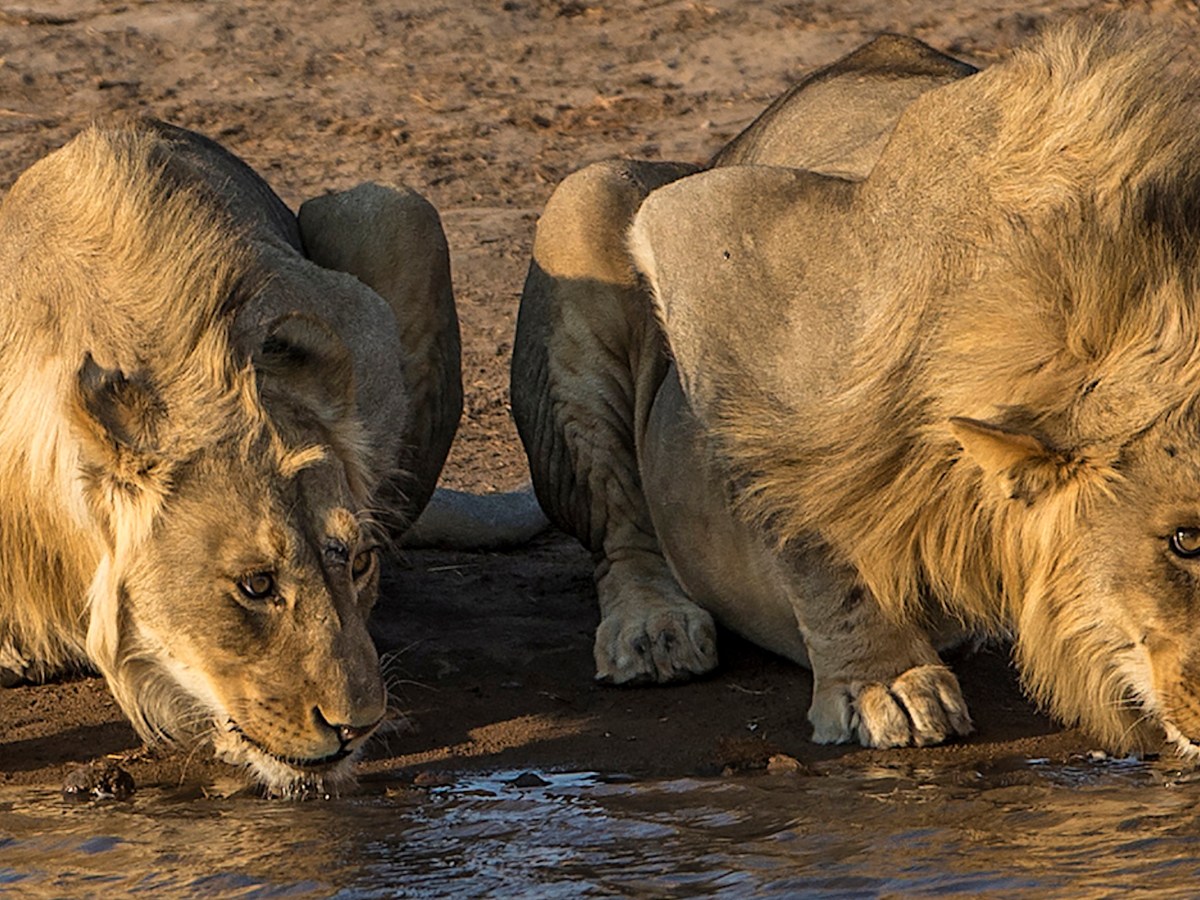
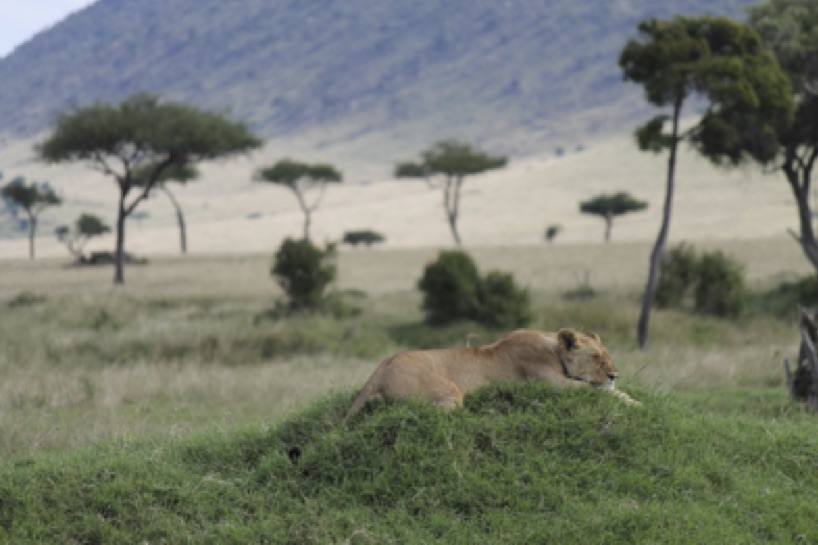
Seeing majestic lions strolling along the Maasai Mara at sunset — a dream vision for many conservationists, but a nightmare for pastoralists trying to keep their cattle safe at night. Fortunately a conservation success story from Kenya, published today in the journal Conservation Evidence, shows that predation of cattle can be reduced by almost 75% by constructing chain-link livestock fences.

The Anne K. Taylor Fund (AKTF) subsidises over 70% of the cost of building a fully fortified chain-link livestock enclosure (‘boma’) to keep cattle safe from predators at night, in the hope that this will lessen the retaliatory killings of lions by frustrated farmers. While lions, leopards and cheetahs draw in crowds of tourists who marvel at their strength and beauty, living alongside big predators can be tough. Traditionally, local people keep their animals overnight in bomas made of acacia thorns — but depredation by lions and other large carnivores cause losses of on average more than nine head of cattle per year, or US$1870 that farmers see disappear down the throat of big, hairy animals. Building a solid fortification of chain-link fence costs just $890, of which the AKTF paid $638, helping to make this an affordable option for hard-pressed locals. Read the rest of this entry »


Protecting one of the world’s marine wonders

17 06 2017
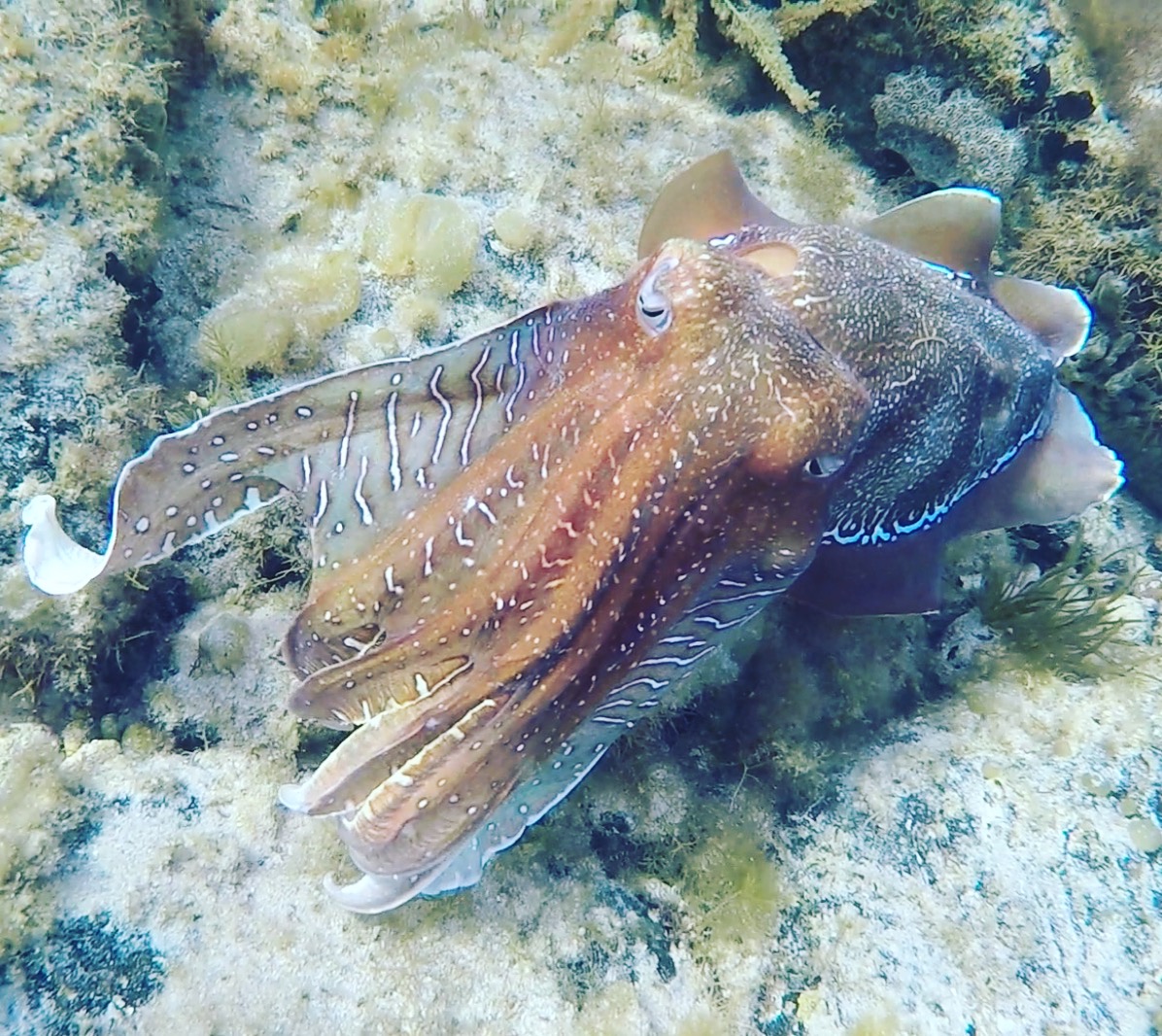
IMG_6789

© CJA Bradshaw

While I’m in transit (yet a-bloody-gain) to Helsinki, I wanted to take this opportunity to reflect on one of the most inspiring eco-tourism experiences I recently had in South Australia.

If you are South Australian and have even the slightest interest in wildlife, you will have of course at least heard of the awe-inspiring mass breeding aggregation of giant cuttlefish (Sepia apama) that occur in May-July every year in upper Spencer Gulf near the small town of Whyalla. If you have been lucky enough to go there and see these amazing creatures themselves, then you know exactly what I’m talking about. And if you haven’t yet been there, take it from me that it is so very much worth it to attempt the voyage.

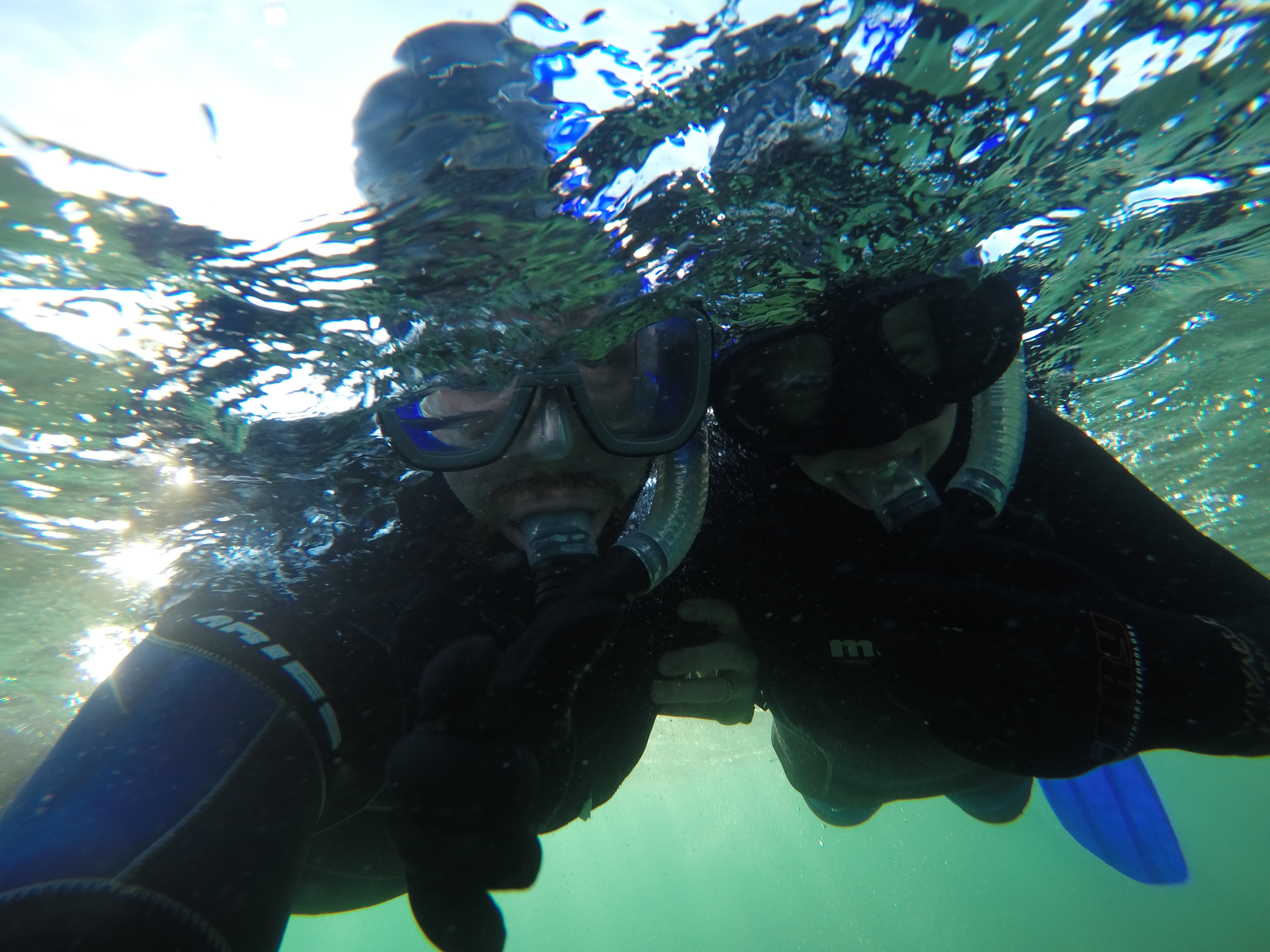
DCIM100GOPROGOPR0121.

Father-daughter giant-cuttlefish-snorkelling selfie. © CJA Bradshaw

Despite having lived in South Australia for nearly a decade now, I only got my chance to see these wonderful creatures when a father at my daughter’s school organised a school trip. After driving for five hours from Adelaide to Whyalla, we hired our snorkelling gear and got into the water the very next morning. Read the rest of this entry »


Dangers of the global road-building tsunami

8 06 2017

New roads can be treacherous — even fatal — for wildlife, native forests, and the global environment.

If you don’t believe this, just watch this two-minute video, “Why Roads Are So Dangerous

New roads can also be surprisingly risky for human economies and societies, as shown in this brief video, “Why Roads are Like Pandora’s Box”.

Read the rest of this entry »


It’s not all about temperature for corals

31 05 2017

CB_ClimateChange6_Photo

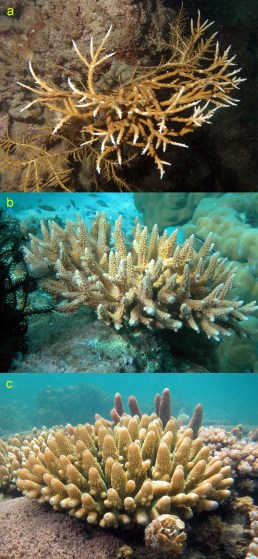
Three of the coral species studied by Muir (2): (a) Acropora pichoni: Pohnpei Island, Pacific Ocean — deep-water species/IUCN ‘Near threatened’; (b) Acropora divaricate: Maldives, Indian ocean — mid-water species/IUCN ‘Near threatened’; and (c) Acropora gemmifera: Orpheus Island, Australia — shallow-water species/IUCN ‘Least Concern’. The IUCN states that the 3 species are vulnerable to climate change (acidification, temperature extremes) and demographic booms of the invading predator, the crown-of-thorns starfish Acanthaster planci. Photos courtesy of Paul Muir.

Global warming of the atmosphere and the oceans is modifying the distribution of many plants and animals. However, marine species are bound to face non-thermal barriers that might preclude their dispersal over wide stretches of the sea. Sunlight is one of those invisible obstacles for corals from the Indian and Pacific Oceans.

If we were offered a sumptuous job overseas, our professional success in an unknown place could be limited by factors like cultural or linguistic differences that have nothing to do with our work experience or expertise. If we translate this situation into biodiversity terms, one of the best-documented effects of global warming is the gradual dispersal of species tracking their native temperatures from the tropics to the poles (1). However, as dispersal progresses, many species encounter environmental barriers that are not physical (e.g., a high mountain or a wide river), and whose magnitude could be unrelated to ambient temperatures. Such invisible obstacles can prevent the establishment of pioneer populations away from the source.

Corals are ideal organisms to study this phenomenon because their life cycle is tightly geared to multiple environmental drivers (see ReefBase: Global Information System for Coral Reefs). Indeed, the growth of a coral’s exoskeleton relies on symbiotic zooxanthellae (see video and presentation), a kind of microscopic algae (Dinoflagellata) whose photosynthetic activity is regulated by sea temperature, photoperiod and dissolved calcium in the form of aragonite, among other factors.

Read the rest of this entry »


Cartoon guide to biodiversity loss XLII

25 05 2017

My travel is finishing for now, but while in transit I’m obliged to do another instalment of biodiversity cartoons (and the second for 2017). See full stock of previous ‘Cartoon guide to biodiversity loss’ compendia here.

Read the rest of this entry »


Spring asynchrony in migratory birds

15 05 2017
CB_ClimateChange5_BirdLateMigratoryArrival_Photo

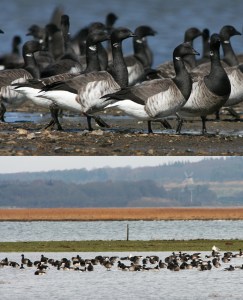
Brent geese flock in the Limfjorden (Denmark)courtesy of Kevin Clausen. The Brent goose (Branta bernicla) is a migratory goose that breeds in Arctic coasts, as well as in northern Eurasia and the Americas, starting from late May to early June. Adults are about 0.5 m long, weigh some 2 kg and live up to 30 years. Their nests are placed in the ground, where reproductive pairs incubate a single clutch (≤ 5 eggs) for a couple of months. They are herbivores, feeding on algae (mainly Zostera marina in Limfjord) and seagrass in estuaries, fjords, intertidal areas and rocky beaches during fall and winter. During summer they feed on tundra herbs, moss, lichens, as well as aquatic plants in rivers and lakes. The species is ‘Least Concern’ for the IUCN, with a global population at some 600,000 individuals.

Migratory birds synchronise their travel from non-breeding to breeding quarters with the seasonal conditions optimal for reproduction. Above all, they decide when to migrate on the basis of the climate of their wintering areas while they are there. As climate change involves earlier springs in the Arctic but not in the wintering areas, there is a lack of synchronisation that leads to a demographic decline of these birds in the polar regions where they breed.

When I think about how species respond to climate change, the song from the ClashShould I stay or should I go” comes to mind. As climate changes, species eventually have to face an ultimate choice: (i) stay and adapt to novel conditions or become locally extinct if adaptation fails, (ii) or move to other regions where climatic conditions should be more suitable. Migratory species have to face this decision every time they have to move back and forth from non-breeding to breeding grounds.

Migration is a behavioural strategy shared by different animal groups like sea turtles, mammals, amphibians, insects or birds. Species move from one area to another usually to feed and reproduce in the best climatic conditions possible. For birds, migration is a common phenomenon that typically entails large movements between breeding and wintering grounds. These vertebrates boast some of the longest migratory distances known in the animal kingdom, particularly seabirds like Artic terns, which can complete up to a round-world trip in a single migratory event between the UK and the Antarctic (1). There are several theories about the mechanisms triggering bird migration, including improving body condition and fitness through unexploited resources (2), reducing parasite load (3), minimizing predation risk (4), maximizing day-light (5), or reducing competition (6, 7). Whatever the cause, birds have to decide when the best moment to migrate is, counting only with the (usually climatic) clues they have at the departure site. Read the rest of this entry »


Who are the healthiest people in the world?

8 05 2017

healthyApologies for the little gap in my regular posts — I am in the fortunate position of having spent the last three weeks in the beautiful Villa Serbelloni in the village of Bellagio on the shores of Lake Como (northern Italy) engaged in writing a new book with my good friend and colleague, Professor Paul Ehrlich. Both of us received an invitation to become ‘Bellagio Centre Residents‘ by the Rockefeller Foundation to write the book in, shall we say, rather lush circumstances.
While I can’t yet give away all the juicy details of the book itself (we’ve only written about a third of it so far), I wanted to give you a little taste of some of the interesting results we’ve so far put together.

Today’s topic is on human health, which as I’ve written many times before, is in many ways linked to the quality of the environment in which people live. We are currently looking at which countries have the best human health statistics, as well as the best environmental conditions in which to live. Read the rest of this entry »


Cartoon guide to biodiversity loss XLI

26 04 2017

Number 41 of my semi-regular instalment of biodiversity cartoons, and the first for 2017. See full stock of previous ‘Cartoon guide to biodiversity loss’ compendia here.

Read the rest of this entry »


Noses baffled by ocean acidification

18 04 2017

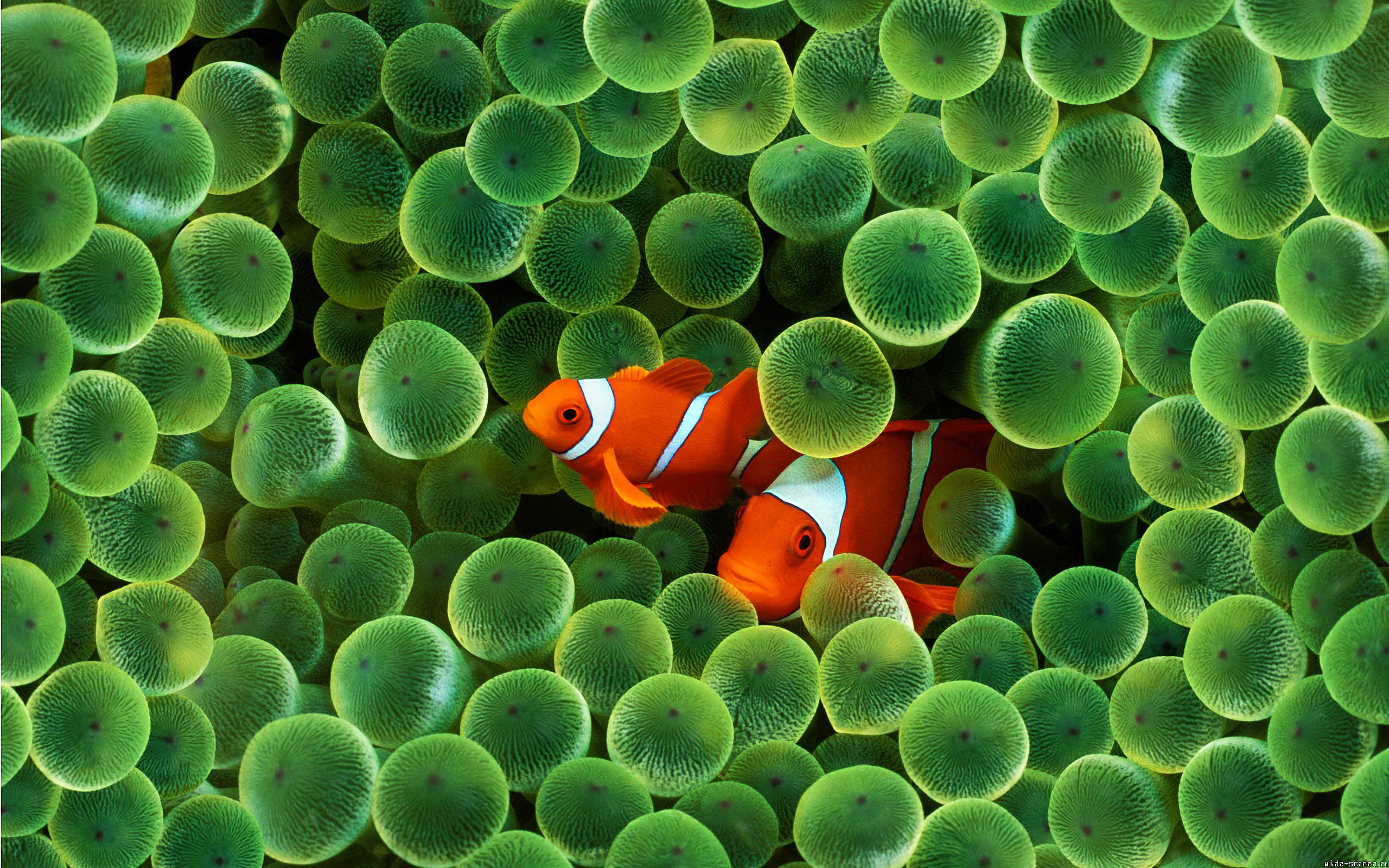
Clown fish couple (Amphiprion percula) among the tentacles of anemone Heteractis magnifica in Kimbe Bay (Papua New Guinea) – courtesy of Mark McCormick. Clownfish protect anemones from predators and parasites in exchange of shelter and food. The fish tolerates the host’s venom because its skin is protected by a mucus layer some 2-3× thicker than phylogenetically related species (12); clownfish fabricate the mucus themselves and seem to obtain anemone antigens through a period of acclimation (13), but whether protection is acquired or innate is still debated. Clownfish are highly social bony fish, forming groups with one reproductive pair (up to 11 cm in length each) and several smaller, non-reproductive males. Reproduction is protandrous (also known as sequential hermaphroditism), so larvae are born male and, as soon as the reproductive female dies, her widower becomes female and the largest of the subsidiary males becomes the alpha male. The IUCN lists clownfish, generically named ‘anemone fish’, as threatened by the pet-trade industry and habitat degradation, although surprisingly, only 1 species has been assessed (A. sandaracinos). The clown anemone fish A. ocellaris is the species that inspired Nemo in the 2003 Academy-Award fiction movie – contrary to the logical expectation that the Oscars Red Carpet would generate support for conservation on behalf of Hollywood, of the 1568 species represented in the movie, only 16 % of those evaluated are threatened (14).

Smell is like noise, the more scents we breathe in one sniff, the more difficult it is to distinguish them to the point of olfactory saturation. Experimental work with clownfish reveals that the increase in dissolved carbon dioxide in seawater, mimicking ocean acidification, alters olfactory physiology, with potential cascading effects on the demography of species.

Places such as a restaurant, a hospital or a library have a characteristic bouquet, and we can guess the emotional state of other people by their scents. Smell is critical between predators and prey of many species because both have evolved to detect each other without the aid of vision. At sea, the smell of predators dissolves in water during detection, attack, capture, and ingestion of prey, and many fishes use this information to assess the risk of ending up crunched by enemy teeth (1, 2). But predator-prey interactions can be modified by changes in the chemical composition of seawater and are therefore highly sensitive to ongoing ocean acidification (see global measuring network here). Experts regard ocean acidification as the ‘other CO2 problem’ of climate change (3) — just to emphasize that anthropogenic climate-change impacts terrestrial and aquatic ecosystems alike. Acidification occurs because the ocean absorbs CO2 at a rate proportional with the concentration of this gas in the atmosphere and, once dissolved, CO2 becomes carbonic acid (H2CO3), which in turn releases protons (H+) — in simple terms, pH is the concentration of protons (see video about ocean acidification): Read the rest of this entry »


Job: Research Fellow in Palaeo-Ecological Modelling

13 04 2017

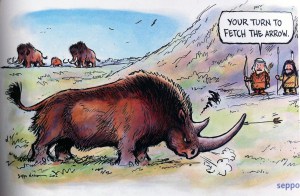
© seppo.net

I have another postdoctoral fellowship to advertise! All the details you need for applying are below.

KEY PURPOSE 

Scientific data such as fossil and archaeological records used as proxy to reconstruct past environments and biological communities (including humans) are sparse, often ambiguous or contradictory when establishing any consensus on timing or routes of initial human arrival and subsequent spread, the timing or extent of major changes in climate and other environmental perturbations, or the timing or regional pattern of biological extinctions.

The Research Fellow (Palaeo-Ecological Modelling) will assist in addressing these problems by developing state-of-the-art analytical and simulation tools to infer regional pattern of both the timing of human colonisation and megafauna extinction based on incomplete and sparse dataset, and investigating past environmental changes and human responses to identify their underlying causes and consequences on Australia’s landscapes, biodiversity and cultural history.

ORGANISATIONAL ENVIRONMENT 

The position will be based in the School of Biological Sciences in the Faculty of Science & Engineering at Flinders University. Flinders University boasts a world-class Palaeontology Research Group (PRG) and the new Global Ecology Research Laboratory that have close association with the research-intensive South Australian Museum. These research groups contribute to building a dynamic research environment that explores the continuum of environmental and evolutionary research from the ancient to modern molecular ecology and phylogeography. The School of Biological Sciences is an integrated community researching and teaching biology, and has a long history of science innovation. The appointee will join an interdisciplinary school of approximately 45 academic staff. The teaching and research activities of the School are supported by a range of technical and administrative infrastructure services.

KEY RESPONSIBILITIES

The key responsibilities and selection criteria identified for this position should be read in conjunction with the Flinders University Academic Profiles for the relevant academic classification (scroll down to Academic Profiles).

The Research Fellow (Palaeo-Ecological Modelling) will work under the direction of the Project Chief Investigator, and will be required to: Read the rest of this entry »


Not 100% renewable, but 0% carbon

5 04 2017

635906686103388841-366754148_perfection1Anyone familiar with this blog and our work on energy issues will not be surprised by my sincere support of nuclear power as the only realistic solution to climate change in the electricity (and possibly transport and industrial heat) arena. I’ve laid my cards on the table in the peer-reviewed literature (e.g., see here, here, here, here, here & here) and the standard media, and I’ve even joined the board of a new environmental NGO that supports nuclear.
And there is hope, despite the ever-increasing human population, rising consumerism, dwindling resources, and the ubiquity of ideologically driven and ethically compromised politicians. I am hopeful for several reasons, including rising safety and reliability standards of modern nuclear technology, the continued momentum of building new fission reactors in many countries, and even the beginnings of real conversations about nuclear power (or at least, the first steps toward this) in countries where nuclear energy is currently banned (e.g., Australia). I’m also heartened by the fact that nearly every conservation scientists with whom I speak is generally supportive, or at least non-resistant, to the idea of nuclear power as part of the climate change solution. An open letter by our colleagues attests to this. In fact, every day that passes brings new evidence that we cannot ignore this solution any longer.

Even despite the evidence in support of implementing a strong nuclear component into climate change-mitigation strategies, one of the most frequent arguments for not doing so is that society can achieve all of its energy needs and simultaneously combat climate change by constructing 100% renewable-energy pathways. While it is an easy mantra to repeat because it feels right intrinsically to nearly everyone with an environmental conscience, as a scientist I also had to ask if such a monumental task is even technically feasible. Read the rest of this entry »


Limited nursery replenishment in coral reefs

27 03 2017
Haemulon sciurus

blue-striped grunt (Haemulon sciurus)

Coral reef fishes are wonderfully diverse in size, form, and function, as well as their need for different habitats throughout the life cycle. Some species spend all of their life in the same kind of coral habitat, while others need different places to breed and feed.

Fishes requiring different habitats as they progress through life often have what we call ‘nurseries’ in which adults lay eggs and the subsequent juveniles remain, and these places are often dominated by mangroves or seagrasses (i.e., they are not part of the coral reef).

While we’ve known for quite some time that when these nursery habitats are not around, adjacent coral reefs have few, if any, of these nursery-dependent species. What we haven’t known until now is just how far the influence of nurseries extends along a coral reef.

In other words, if a nursery is present, just how many new recruits do different areas of a reef receive from it? Read the rest of this entry »


Credit for reviewing & editing — it’s about bloody time

15 03 2017

clapping-hands-300x225As have many other scientists, I’ve whinged before about the exploitative nature of scientific publishing. What other industry obtains its primary material for free (submitted articles), has its construction and quality control done for free (reviewing & editing), and then sells its final products for immense profit back to the very people who started the process? It’s a fantastic recipe for making oodles of cash; had I been financially cleverer and more ethically bereft in my youth, I would have bought shares in publicly listed publishing companies.

How much time do we spend reviewing and editing each other’s manuscripts? Some have tried to work out these figures and prescribe ideal writing-to-reviewing/editing ratios, but it suffices to say that we spend a mind-bending amount of our time doing these tasks. While we might never reap the financial rewards of reviewing, we can now at least get some nominal credit for the effort.

While it has been around for nearly five years now, the company Publons1 has only recently come to my attention. At first I wondered about the company’s modus operandi, but after discovering that academics can use their services completely free of charge, and that the company funds itself by “… partnering with publishers” (at least someone is getting something out of them), I believe it’s as about as legitimate and above-board as it gets.

So what does Publons do? They basically list the journals for which you have reviewed and/or edited. Whoah! (I can almost hear you say). How do I protect my anonymity? Read the rest of this entry »


Singin’ in the heat

9 03 2017
coqui & forest

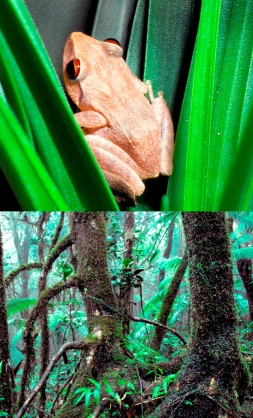
Common coqui frog male (Eleutherodactylus coqui, snout-to vent length average ~ 3 cm) camouflaged in the fronds of an epiphyte in the El Yunque National Forest (Puerto Rico), along with an image of the enchanted forest of the Sierra de Luquillo where Narins & Meenderink did their study (4) – photos courtesy of Thomas Fletcher. This species can be found from sea level to the top of the highest peak in Puerto Rico (Cerro Punta = 1338 m). Native to mesic ecosystems, common coquis are well adapted to a terrestrial life, e.g., they lack interdigital webbing that support swimming propulsion in many amphibians, and youngsters hatch directly from the egg without transiting a tadpole stage. The IUCN catalogues the species as ‘Least Concern’ though alerts recent declines in high-altitude populations caused by chytrid fungus – lethal to amphibians at a planetary scale (9). Remarkably, the species has been introduced to Florida, Hawaii, the Dominican Republic and the Virgin Islands where it can become a pest due to high fertility rates (several >20 egg clutches/female/year).

Frog songs are species-specific and highly useful for the study of tropical communities, which host the highest amphibian diversities globally. The auditory system of females and the vocal system of males have co-evolved to facilitate reproductive encounters, but global warming might be disrupting the frequency of sound-based encounters in some species..

It is a rainy night, and Don (Gene Kelly) has just left his love, Kathy (Debbie Reynolds), at home, starting one of the most famous musical movie scenes ever: Singin’ in the rain 

Amphibians (see Amphibians for kids by National Geographic) also love to sing in rainy nights when males call for a partner, but now they have to do it in hotter conditions as local climates become warmer. Vocal behaviour is a critical trait in the life history of many frog species because it mediates recognition between individuals, including sexual selection by females (1).

With few exceptions, every species has a different and unique call, so scientists can use call features to identify species, and this trait is particularly useful in the inventory of diverse tropical communities (2). Differences in call frequency, duration and pitch, and in note, number, and repetition pattern, occur from one species to another. And even within species, songs can vary from individual to individual (as much as there are not two people with the same voice), and be tuned according to body size and environmental temperature (3). Read the rest of this entry »


Job: Koala Data Research Technician

6 03 2017

koalaIf you live in South Australia, and in Adelaide especially, you would have had to be living under a rock not to have heard of the Great Koala Counts 1 and 2. So I’m not really writing this for those sotto pietra types. If you are a regular reader of CB.com, you’ll also know that I’ve been involved in helping analyse the data from GKC1, as well as improving the design of the GKC2.

8037320-3x2-940x627Well, the data are in for GKC2 and we need help to analyse them. Just as a little reminder, the GKCs are designed to provide better data to estimate the distribution and density of koalas in South Australia (especially in the Mount Lofty Ranges). We’ve already written one scientific article from GKC1, but we now have a more expansive and quality-controlled dataset, so it’s now time to write the second. Read the rest of this entry »


Job: Research Associate in Eco-epidemiological modelling

3 03 2017
myxo-rabbit

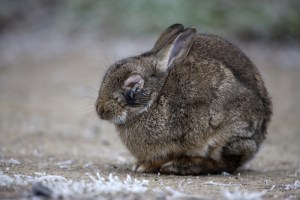
European rabbit infected with myxomatosis

Earlier this week I advertised two new PhD scholarships in palaeo-ecological modelling. Now we are pleased to advertise a six-month Research Associate position in eco-epidemiological modelling.

The position will be based in the School of Biological Sciences at Flinders University. Flinders University offers a dynamic research environment that explores the continuum of environmental and evolutionary research from the ancient to modern ecology. The School of Biological Sciences is an integrated community researching and teaching biology, and has a long history of science innovation.

Project background

Since 1996, Biosecurity South Australia has been running a capture-mark-recapture study on a European rabbit (Oryctolagus cuniculus) population located at Turretfield (~ 50 km north of Adelaide). Now into the 21st year, this is one of the world’s longest studies of its kind. Approximately every 8 weeks cage traps are reset and the population trapped over five days, with the captured rabbits weighed, sexed, tagged and blood-sampled. The study was established to investigate the epidemiology and efficacy of the two imported rabbit biocontrol agents, rabbit haemorrhagic disease virus (RHDV) and myxomatosis. To date, from 119 formal trapping events and RHDV-outbreak carcass-sampling trips, > 4500 rabbits have been monitored with > 8700 cELISA RHDV antibody tests and 7500 IgG, IgM and IgA RHDV antibody tests on sera (similarly for myxomatosis), and 111 RHDV-specific polymerase chain reaction (PCR) analyses run on tissue samples of the sampled rabbits. This represents an unparalleled dataset on rabbit survival, population fluctuations and disease dynamics. Read the rest of this entry »


Palaeo-ecology PhD scholarships

1 03 2017

scholarshipWith my new position as Matthew Flinders Fellow in Global Ecology at Flinders University, I am in the agreeable position to be able to offer two PhD scholarships to the best candidates from around the world. If you feel that you’re up to the challenge, I look forward to hearing from you.

These projects will be in the following palaeo-ecology topics:

PhD Project #1. Ecological networks to examine community cascades of Late Quaternary megafauna extinctions Read the rest of this entry »


Multiculturalism in the lab

23 02 2017

8294047fabf352ce46f4fd9a89d4a93dWith all the nasty nationalism and xenophobia gurgling nauseatingly to the surface of our political discoursethese days, it is probably worth some reflection regarding the role of multiculturalism in science. I’m therefore going to take a stab, despite being in most respects a ‘golden child’ in terms of privilege and opportunity (I am, after all, a middle-aged Caucasian male living in a wealthy country). My cards are on the table.
I know few overtly racist scientists, although I suspect that they do exist. In fact, most scientists are of a more liberal persuasion generally and tend to pride themselves on their objectivity in all aspects of being human, including the sociological ones. In other words, we tend to think of ourselves as dispassionate pluralists who only judge the empirical capabilities of our colleagues, with their races, genders, sexual persuasions and other physical attributes irrelevant to our assessment. We generally love to travel and interact with our peers from all nations and walks of life, and we regularly decorate our offices and with cultural paraphernalia different to our own.

But are we as unbiased and dispassionate as we think we are? Do we take that professed pluralism and cultural promiscuity with us to the lab each day? Perhaps we could, and should, do better. Read the rest of this entry »


Not all wetlands are created equal

13 02 2017

little-guyLast year I wrote what has become a highly viewed post here at ConservationBytes.com about the plight of the world’s freshwater biodiversity. In a word, it’s ‘buggered’.

But there are steps we can take to avoid losing even more of that precious freshwater biodiversity. The first, of course, is to stop sucking all the water out of our streams and wetlands. With a global population of 7.5 billion people and climbing, the competition for freshwater will usually mean that non-human life forms lose that race. However, the more people (and those making the decisions, in particular) realise that intact wetlands do us more good as wetlands rather than carparks, housing developments, or farmland (via freshwater filtering, species protection, carbon storage, etc.), the more we have a chance to save them.

My former MSc student, the very clever David Deane1, has been working tirelessly to examine different scenarios of wetland plant biodiversity change in South Australia, and is now the proud lead author of a corker of a new paper in Biological Conservation. Having already published one paper about how wetland plant biodiversity patterns are driven by rare terrestrial plants, his latest is a very important contribution about how to manage our precious wetlands. Read the rest of this entry »