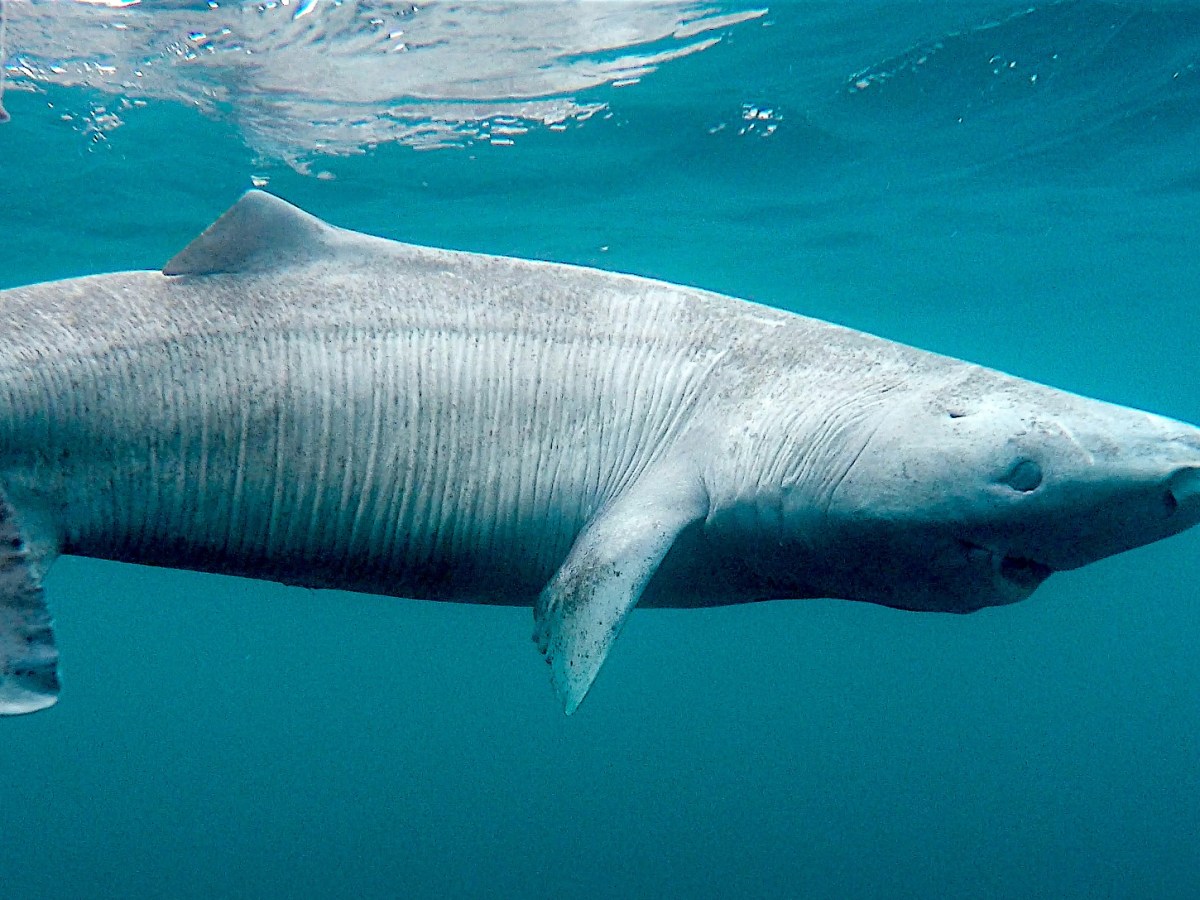
Two new postdoctoral positions in ecological network & vegetation modelling announced

21 07 2017

19420366_123493528240028_621031473222812853_n

With the official start of the new ARC Centre of Excellence for Australian Biodiversity and Heritage (CABAH) in July, I am pleased to announce two new CABAH-funded postdoctoral positions (a.k.a. Research Associates) in my global ecology lab at Flinders University in Adelaide (Flinders Modelling Node).

One of these positions is a little different, and represents something of an experiment. The Research Associate in Palaeo-Vegetation Modelling is being restricted to women candidates; in other words, we’re only accepting applications from women for this one. In a quest to improve the gender balance in my lab and in universities in general, this is a step in the right direction.

The project itself is not overly prescribed, but we would like something along the following lines of inquiry: Read the rest of this entry »


Protecting one of the world’s marine wonders

17 06 2017
IMG_6789

© CJA Bradshaw

While I’m in transit (yet a-bloody-gain) to Helsinki, I wanted to take this opportunity to reflect on one of the most inspiring eco-tourism experiences I recently had in South Australia.

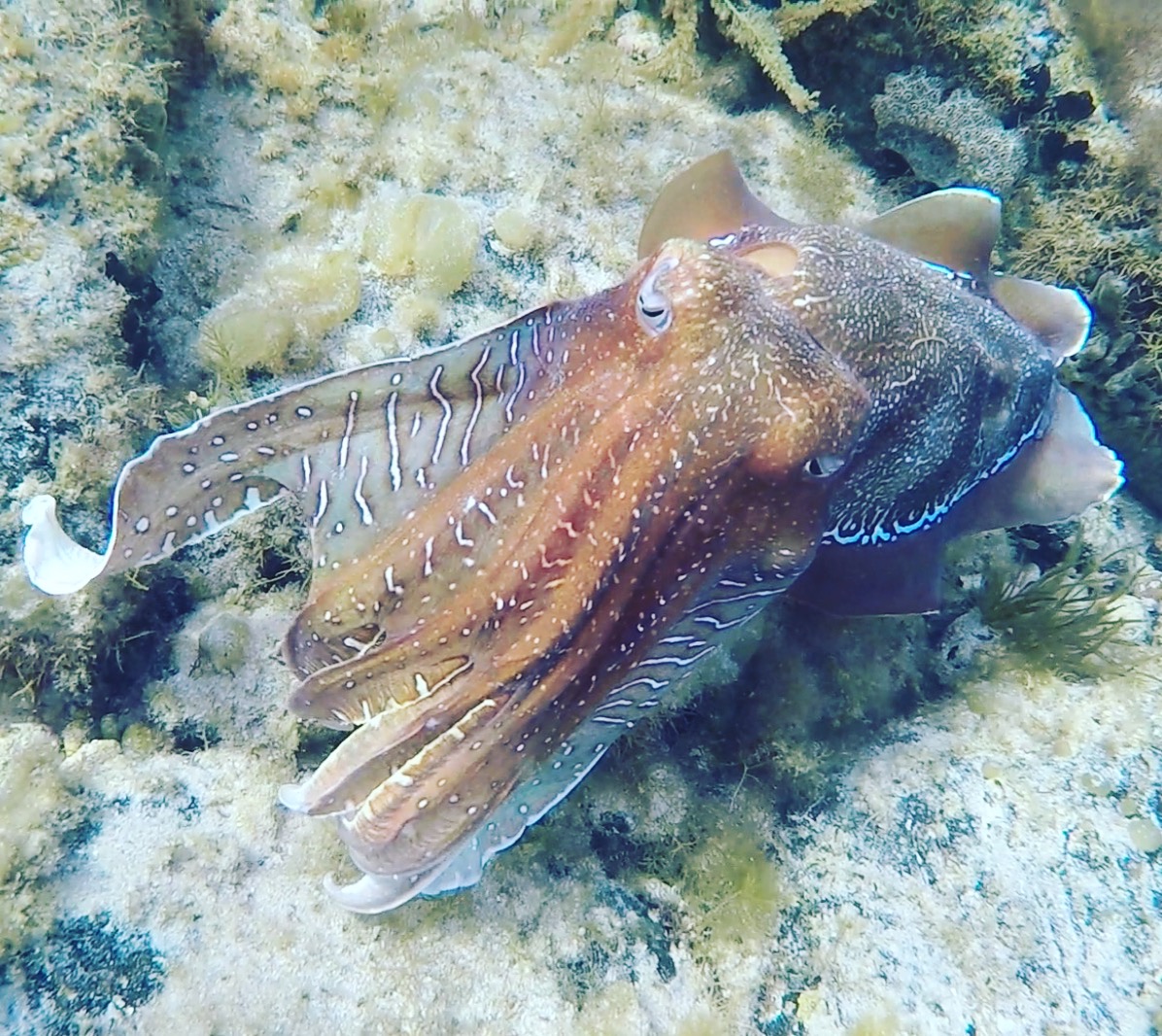
If you are South Australian and have even the slightest interest in wildlife, you will have of course at least heard of the awe-inspiring mass breeding aggregation of giant cuttlefish (Sepia apama) that occur in May-July every year in upper Spencer Gulf near the small town of Whyalla. If you have been lucky enough to go there and see these amazing creatures themselves, then you know exactly what I’m talking about. And if you haven’t yet been there, take it from me that it is so very much worth it to attempt the voyage.

DCIM100GOPROGOPR0121.

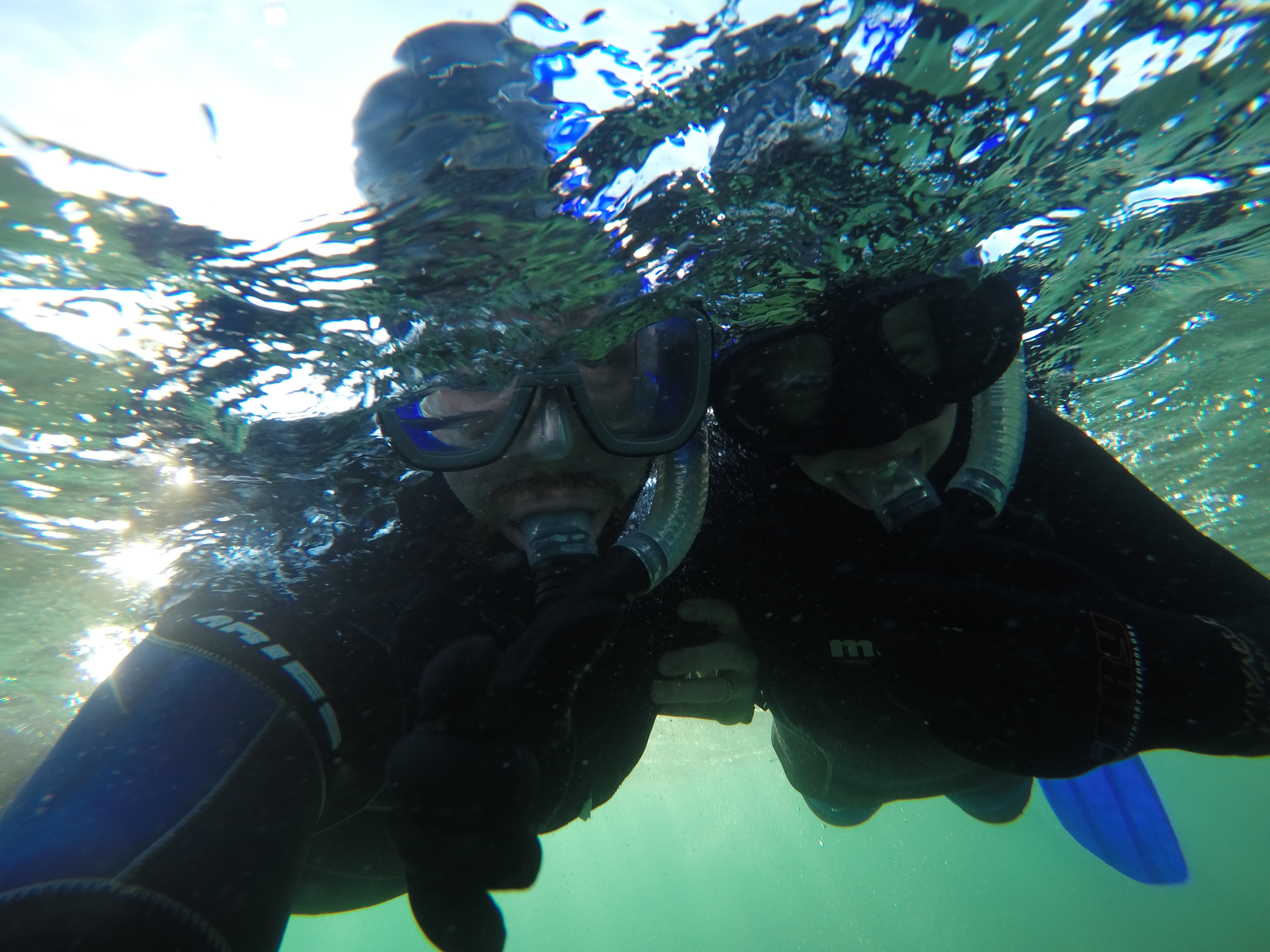
Father-daughter giant-cuttlefish-snorkelling selfie. © CJA Bradshaw

Despite having lived in South Australia for nearly a decade now, I only got my chance to see these wonderful creatures when a father at my daughter’s school organised a school trip. After driving for five hours from Adelaide to Whyalla, we hired our snorkelling gear and got into the water the very next morning. Read the rest of this entry »


It’s not all about temperature for corals

31 05 2017

CB_ClimateChange6_Photo

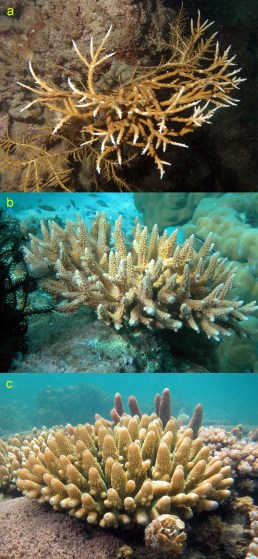
Three of the coral species studied by Muir (2): (a) Acropora pichoni: Pohnpei Island, Pacific Ocean — deep-water species/IUCN ‘Near threatened’; (b) Acropora divaricate: Maldives, Indian ocean — mid-water species/IUCN ‘Near threatened’; and (c) Acropora gemmifera: Orpheus Island, Australia — shallow-water species/IUCN ‘Least Concern’. The IUCN states that the 3 species are vulnerable to climate change (acidification, temperature extremes) and demographic booms of the invading predator, the crown-of-thorns starfish Acanthaster planci. Photos courtesy of Paul Muir.

Global warming of the atmosphere and the oceans is modifying the distribution of many plants and animals. However, marine species are bound to face non-thermal barriers that might preclude their dispersal over wide stretches of the sea. Sunlight is one of those invisible obstacles for corals from the Indian and Pacific Oceans.

If we were offered a sumptuous job overseas, our professional success in an unknown place could be limited by factors like cultural or linguistic differences that have nothing to do with our work experience or expertise. If we translate this situation into biodiversity terms, one of the best-documented effects of global warming is the gradual dispersal of species tracking their native temperatures from the tropics to the poles (1). However, as dispersal progresses, many species encounter environmental barriers that are not physical (e.g., a high mountain or a wide river), and whose magnitude could be unrelated to ambient temperatures. Such invisible obstacles can prevent the establishment of pioneer populations away from the source.

Corals are ideal organisms to study this phenomenon because their life cycle is tightly geared to multiple environmental drivers (see ReefBase: Global Information System for Coral Reefs). Indeed, the growth of a coral’s exoskeleton relies on symbiotic zooxanthellae (see video and presentation), a kind of microscopic algae (Dinoflagellata) whose photosynthetic activity is regulated by sea temperature, photoperiod and dissolved calcium in the form of aragonite, among other factors.

Read the rest of this entry »


Spring asynchrony in migratory birds

15 05 2017
CB_ClimateChange5_BirdLateMigratoryArrival_Photo

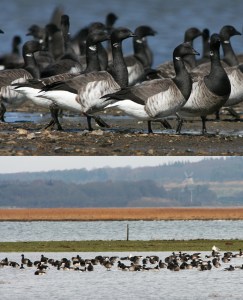
Brent geese flock in the Limfjorden (Denmark)courtesy of Kevin Clausen. The Brent goose (Branta bernicla) is a migratory goose that breeds in Arctic coasts, as well as in northern Eurasia and the Americas, starting from late May to early June. Adults are about 0.5 m long, weigh some 2 kg and live up to 30 years. Their nests are placed in the ground, where reproductive pairs incubate a single clutch (≤ 5 eggs) for a couple of months. They are herbivores, feeding on algae (mainly Zostera marina in Limfjord) and seagrass in estuaries, fjords, intertidal areas and rocky beaches during fall and winter. During summer they feed on tundra herbs, moss, lichens, as well as aquatic plants in rivers and lakes. The species is ‘Least Concern’ for the IUCN, with a global population at some 600,000 individuals.

Migratory birds synchronise their travel from non-breeding to breeding quarters with the seasonal conditions optimal for reproduction. Above all, they decide when to migrate on the basis of the climate of their wintering areas while they are there. As climate change involves earlier springs in the Arctic but not in the wintering areas, there is a lack of synchronisation that leads to a demographic decline of these birds in the polar regions where they breed.

When I think about how species respond to climate change, the song from the ClashShould I stay or should I go” comes to mind. As climate changes, species eventually have to face an ultimate choice: (i) stay and adapt to novel conditions or become locally extinct if adaptation fails, (ii) or move to other regions where climatic conditions should be more suitable. Migratory species have to face this decision every time they have to move back and forth from non-breeding to breeding grounds.

Migration is a behavioural strategy shared by different animal groups like sea turtles, mammals, amphibians, insects or birds. Species move from one area to another usually to feed and reproduce in the best climatic conditions possible. For birds, migration is a common phenomenon that typically entails large movements between breeding and wintering grounds. These vertebrates boast some of the longest migratory distances known in the animal kingdom, particularly seabirds like Artic terns, which can complete up to a round-world trip in a single migratory event between the UK and the Antarctic (1). There are several theories about the mechanisms triggering bird migration, including improving body condition and fitness through unexploited resources (2), reducing parasite load (3), minimizing predation risk (4), maximizing day-light (5), or reducing competition (6, 7). Whatever the cause, birds have to decide when the best moment to migrate is, counting only with the (usually climatic) clues they have at the departure site. Read the rest of this entry »


Noses baffled by ocean acidification

18 04 2017

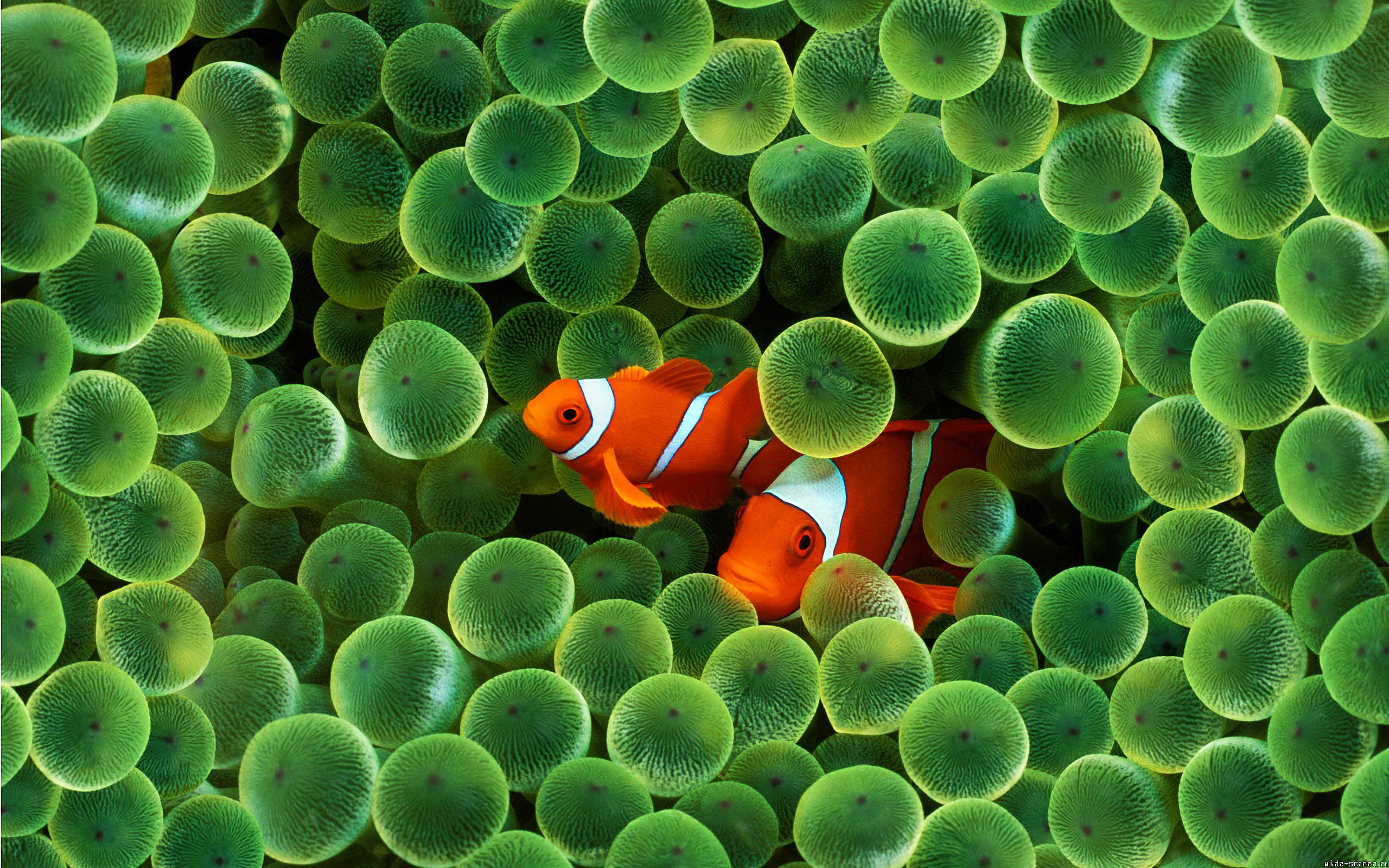
Clown fish couple (Amphiprion percula) among the tentacles of anemone Heteractis magnifica in Kimbe Bay (Papua New Guinea) – courtesy of Mark McCormick. Clownfish protect anemones from predators and parasites in exchange of shelter and food. The fish tolerates the host’s venom because its skin is protected by a mucus layer some 2-3× thicker than phylogenetically related species (12); clownfish fabricate the mucus themselves and seem to obtain anemone antigens through a period of acclimation (13), but whether protection is acquired or innate is still debated. Clownfish are highly social bony fish, forming groups with one reproductive pair (up to 11 cm in length each) and several smaller, non-reproductive males. Reproduction is protandrous (also known as sequential hermaphroditism), so larvae are born male and, as soon as the reproductive female dies, her widower becomes female and the largest of the subsidiary males becomes the alpha male. The IUCN lists clownfish, generically named ‘anemone fish’, as threatened by the pet-trade industry and habitat degradation, although surprisingly, only 1 species has been assessed (A. sandaracinos). The clown anemone fish A. ocellaris is the species that inspired Nemo in the 2003 Academy-Award fiction movie – contrary to the logical expectation that the Oscars Red Carpet would generate support for conservation on behalf of Hollywood, of the 1568 species represented in the movie, only 16 % of those evaluated are threatened (14).

Smell is like noise, the more scents we breathe in one sniff, the more difficult it is to distinguish them to the point of olfactory saturation. Experimental work with clownfish reveals that the increase in dissolved carbon dioxide in seawater, mimicking ocean acidification, alters olfactory physiology, with potential cascading effects on the demography of species.

Places such as a restaurant, a hospital or a library have a characteristic bouquet, and we can guess the emotional state of other people by their scents. Smell is critical between predators and prey of many species because both have evolved to detect each other without the aid of vision. At sea, the smell of predators dissolves in water during detection, attack, capture, and ingestion of prey, and many fishes use this information to assess the risk of ending up crunched by enemy teeth (1, 2). But predator-prey interactions can be modified by changes in the chemical composition of seawater and are therefore highly sensitive to ongoing ocean acidification (see global measuring network here). Experts regard ocean acidification as the ‘other CO2 problem’ of climate change (3) — just to emphasize that anthropogenic climate-change impacts terrestrial and aquatic ecosystems alike. Acidification occurs because the ocean absorbs CO2 at a rate proportional with the concentration of this gas in the atmosphere and, once dissolved, CO2 becomes carbonic acid (H2CO3), which in turn releases protons (H+) — in simple terms, pH is the concentration of protons (see video about ocean acidification): Read the rest of this entry »


Not 100% renewable, but 0% carbon

5 04 2017

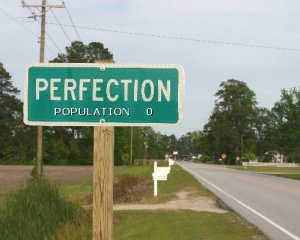
635906686103388841-366754148_perfection1Anyone familiar with this blog and our work on energy issues will not be surprised by my sincere support of nuclear power as the only realistic solution to climate change in the electricity (and possibly transport and industrial heat) arena. I’ve laid my cards on the table in the peer-reviewed literature (e.g., see here, here, here, here, here & here) and the standard media, and I’ve even joined the board of a new environmental NGO that supports nuclear.
And there is hope, despite the ever-increasing human population, rising consumerism, dwindling resources, and the ubiquity of ideologically driven and ethically compromised politicians. I am hopeful for several reasons, including rising safety and reliability standards of modern nuclear technology, the continued momentum of building new fission reactors in many countries, and even the beginnings of real conversations about nuclear power (or at least, the first steps toward this) in countries where nuclear energy is currently banned (e.g., Australia). I’m also heartened by the fact that nearly every conservation scientists with whom I speak is generally supportive, or at least non-resistant, to the idea of nuclear power as part of the climate change solution. An open letter by our colleagues attests to this. In fact, every day that passes brings new evidence that we cannot ignore this solution any longer.

Even despite the evidence in support of implementing a strong nuclear component into climate change-mitigation strategies, one of the most frequent arguments for not doing so is that society can achieve all of its energy needs and simultaneously combat climate change by constructing 100% renewable-energy pathways. While it is an easy mantra to repeat because it feels right intrinsically to nearly everyone with an environmental conscience, as a scientist I also had to ask if such a monumental task is even technically feasible. Read the rest of this entry »


Limited nursery replenishment in coral reefs

27 03 2017
Haemulon sciurus

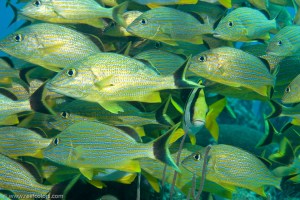
blue-striped grunt (Haemulon sciurus)

Coral reef fishes are wonderfully diverse in size, form, and function, as well as their need for different habitats throughout the life cycle. Some species spend all of their life in the same kind of coral habitat, while others need different places to breed and feed.

Fishes requiring different habitats as they progress through life often have what we call ‘nurseries’ in which adults lay eggs and the subsequent juveniles remain, and these places are often dominated by mangroves or seagrasses (i.e., they are not part of the coral reef).

While we’ve known for quite some time that when these nursery habitats are not around, adjacent coral reefs have few, if any, of these nursery-dependent species. What we haven’t known until now is just how far the influence of nurseries extends along a coral reef.

In other words, if a nursery is present, just how many new recruits do different areas of a reef receive from it? Read the rest of this entry »


Singin’ in the heat

9 03 2017
coqui & forest

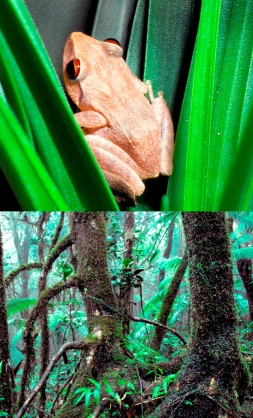
Common coqui frog male (Eleutherodactylus coqui, snout-to vent length average ~ 3 cm) camouflaged in the fronds of an epiphyte in the El Yunque National Forest (Puerto Rico), along with an image of the enchanted forest of the Sierra de Luquillo where Narins & Meenderink did their study (4) – photos courtesy of Thomas Fletcher. This species can be found from sea level to the top of the highest peak in Puerto Rico (Cerro Punta = 1338 m). Native to mesic ecosystems, common coquis are well adapted to a terrestrial life, e.g., they lack interdigital webbing that support swimming propulsion in many amphibians, and youngsters hatch directly from the egg without transiting a tadpole stage. The IUCN catalogues the species as ‘Least Concern’ though alerts recent declines in high-altitude populations caused by chytrid fungus – lethal to amphibians at a planetary scale (9). Remarkably, the species has been introduced to Florida, Hawaii, the Dominican Republic and the Virgin Islands where it can become a pest due to high fertility rates (several >20 egg clutches/female/year).

Frog songs are species-specific and highly useful for the study of tropical communities, which host the highest amphibian diversities globally. The auditory system of females and the vocal system of males have co-evolved to facilitate reproductive encounters, but global warming might be disrupting the frequency of sound-based encounters in some species..

It is a rainy night, and Don (Gene Kelly) has just left his love, Kathy (Debbie Reynolds), at home, starting one of the most famous musical movie scenes ever: Singin’ in the rain 

Amphibians (see Amphibians for kids by National Geographic) also love to sing in rainy nights when males call for a partner, but now they have to do it in hotter conditions as local climates become warmer. Vocal behaviour is a critical trait in the life history of many frog species because it mediates recognition between individuals, including sexual selection by females (1).

With few exceptions, every species has a different and unique call, so scientists can use call features to identify species, and this trait is particularly useful in the inventory of diverse tropical communities (2). Differences in call frequency, duration and pitch, and in note, number, and repetition pattern, occur from one species to another. And even within species, songs can vary from individual to individual (as much as there are not two people with the same voice), and be tuned according to body size and environmental temperature (3). Read the rest of this entry »


Not all wetlands are created equal

13 02 2017

little-guyLast year I wrote what has become a highly viewed post here at ConservationBytes.com about the plight of the world’s freshwater biodiversity. In a word, it’s ‘buggered’.
But there are steps we can take to avoid losing even more of that precious freshwater biodiversity. The first, of course, is to stop sucking all the water out of our streams and wetlands. With a global population of 7.5 billion people and climbing, the competition for freshwater will usually mean that non-human life forms lose that race. However, the more people (and those making the decisions, in particular) realise that intact wetlands do us more good as wetlands rather than carparks, housing developments, or farmland (via freshwater filtering, species protection, carbon storage, etc.), the more we have a chance to save them.

My former MSc student, the very clever David Deane1, has been working tirelessly to examine different scenarios of wetland plant biodiversity change in South Australia, and is now the proud lead author of a corker of a new paper in Biological Conservation. Having already published one paper about how wetland plant biodiversity patterns are driven by rare terrestrial plants, his latest is a very important contribution about how to manage our precious wetlands. Read the rest of this entry »


The Evidence Strikes Back — What Works 2017

16 01 2017
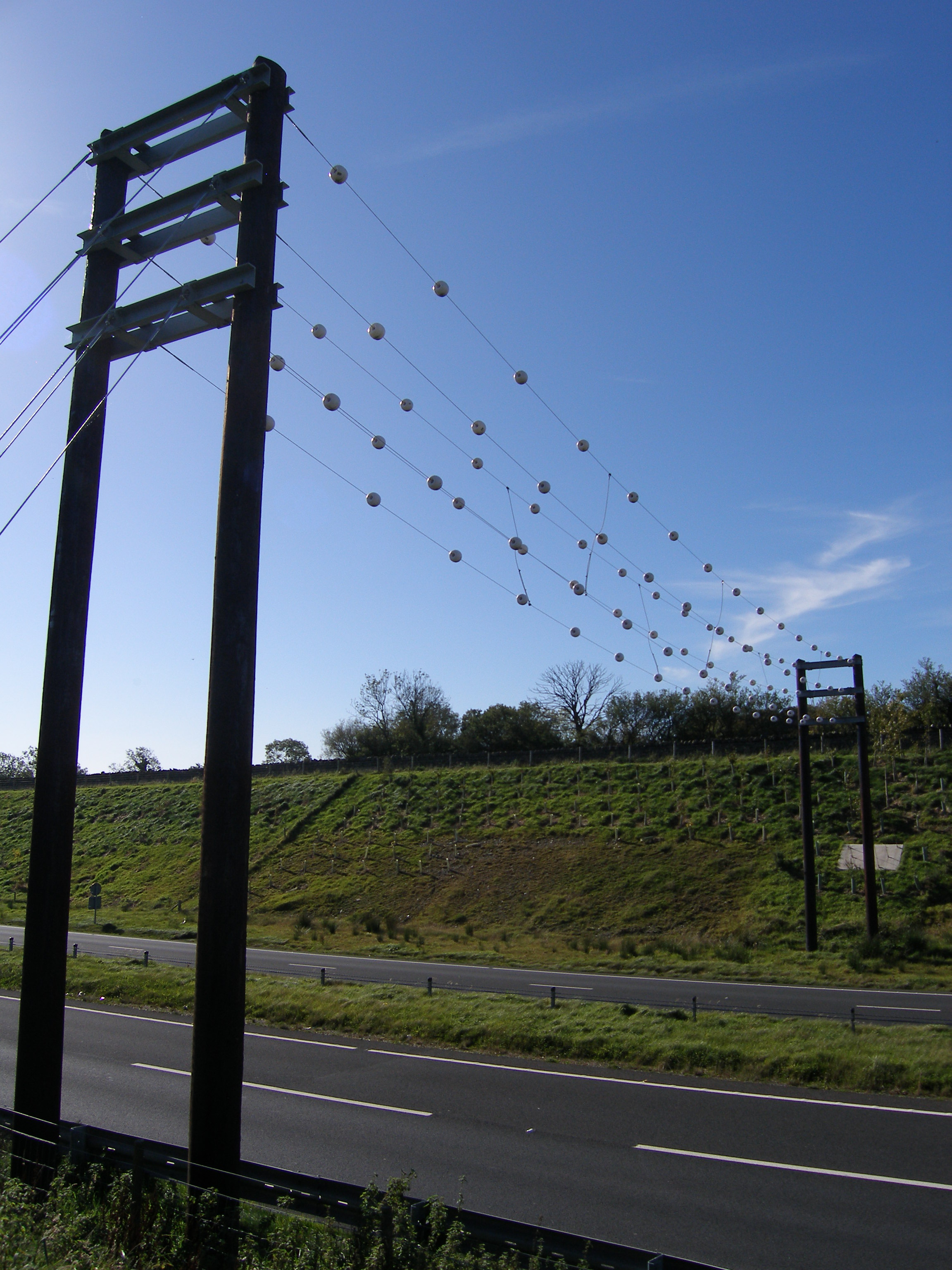
Bat gantry on the A590, Cumbria, UK. Photo credit: Anna Berthinussen

Bat gantry on the A590, Cumbria, UK. Photo credit: Anna Berthinussen

Tired of living in a world where you’re constrained by inconvenient truths, irritating evidence and incommodious facts? 2016 must have been great for you. But in conservation, the fight against the ‘post-truth’ world is getting a little extra ammunition this year, as the Conservation Evidence project launches its updated book ‘What Works in Conservation 2017’.

Conservation Evidence, as many readers of this blog will know, is the brainchild of conservation heavyweight Professor Bill Sutherland, based at Cambridge University in the UK. Like all the best ideas, the Conservation Evidence project is at once staggeringly simple and breathtakingly ambitious — to list every conservation intervention ever cooked up around the world, and see how well, in the cold light of evidence, they actually worked. The project is ongoing, with new chapters of evidence added every year grouped by taxa, habitat or topic — all available for free on www.conservationevidence.com.

What Works in Conservation’ is a book that summarises the key findings from the Conservation Evidence website, and presents them in a simple, clear format, with links to where more information can be found on each topic. Experts (some of us still listen to them, Michael) review the evidence and score every intervention for its effectiveness, the certainty of the evidence and any harmful side effects, placing each intervention into a colour coded category from ‘beneficial’ to ‘likely to be ineffective or harmful.’ The last ‘What Works’ book included chapters on birds, bats, amphibians, soil fertility, natural pest control, some aspects of freshwater invasives and farmland conservation in Europe; new for 2017 is a chapter on forests and more species added to freshwater invasives. Read the rest of this entry »


Where do citizens stand on climate change?

2 01 2017
Talk to the hand

Talk to the hand

Climate change caused by industrialisation is modifying the structure and function of the Biosphere. As we uncork 2017, our team launches a monthly section on plant and animal responses to modern climate change in the Spanish magazine Quercus – with an English version in Conservation Bytes. The initiative is the outreach component of a research project on the expression and evolution of heat-shock proteins at the thermal limits of Iberian lizards (papers in progress), supported by the British Ecological Society and the Spanish Ministry of Economy, Industry and Competitiveness. The series will feature key papers (linking climate change and biodiversity) that have been published in the primary literature throughout the last decade. To set the scene, we start off putting the emphasis on how people perceive climate change.

Salvador Herrando-Pérez, David R. Vieites & Miguel B. Araújo

“I would like to mention a cousin of mine, who is a Professor in Physics at the University of Seville – and asked about this matter [climate change], he stated: listen, I have gathered ten of the top scientists worldwide, and none has guaranteed what the weather will be like tomorrow in Seville, so how could anyone predict what is going to occur in the world 300 years ahead?”

Mariano Rajoy (Spanish President from 2011 to date) in a public speech on 22 October 2007

Weather (studied by meteorology) behaves like a chaotic system, so a little variation in the atmosphere can trigger large meteorological changes in the short term that are hard to predict. On the contrary, climate (studied by climatology) is a measure of average conditions in the long term and thus far more predictable than weather. There is less uncertainty in a climate prediction for the next century than in a weather prediction for the next month. The incorrect statement made by the Spanish President reflects harsh misinformation and/or lack of environment-related knowledge among our politicians.

Climate has changed consistently from the onset of the Industrial Revolution. The IPCC’s latest report stablishes with 95 to 100% certainty (solid evidence and high consensus given published research) that greenhouse gases from human activities are the main drivers of global warming since the second half of the 20th Century (1,2). The IPCC also flags that current concentrations of those gases have no parallel in the last 800,000 years, and that climate predictions for the 21st Century vary mostly according to how we manage our greenhouse emissions (1,3). Read the rest of this entry »


Genetic Management of Fragmented Animal and Plant Populations

10 12 2016

logoThat is the title of a new textbook that will be available mid-2017.

After almost 6 years work, authors Dick Frankham, Jonathan Ballou, Katherine Ralls, Mark Eldridge, Michele Dudash, Charles Fenster, Bob Lacy & Paul Sunnucks have produced an advanced textbook/research monograph that aims to provoke a paradigm shift in the management of small, isolated population fragments of animals and plants.

One of the greatest unmet challenges in conservation biology is the genetic management of fragmented populations of threatened animal and plant species. More than a million small, isolated, population fragments of threatened species are likely suffering inbreeding depression, loss of evolutionary potential, and elevated extinction risks (genetic erosion). Re-establishing gene flow between populations is required to reverse these effects, but managers very rarely do this. On the contrary, molecular genetic methods are mainly being used to document genetic differentiation among populations, with most studies concluding that genetically differentiated populations should be managed separately (i.e., kept isolated), thereby dooming many populations to eventual extinction.

The need for a paradigm shift in genetic management of fragmented populations has been highlighted as a major issue in conservation. The rapidly advancing field of molecular genetics is continually providing new tools to measure the extent of population fragmentation and its genetic consequences. However, adequate guidance on how to use these data for effective conservation is still lacking, and many populations are going extinct principally for genetic reasons. Consequently, there is now urgent need for an authoritative textbook on the subject.

Read the rest of this entry »


Boreal forest on the edge of a climate-change tipping point

15 11 2016

As some know, I dabble a bit in the carbon affairs of the boreal zone, and so when writer Christine Ottery interviewed me about the topic, I felt compelled to reproduce her article here (originally published on EnergyDesk).

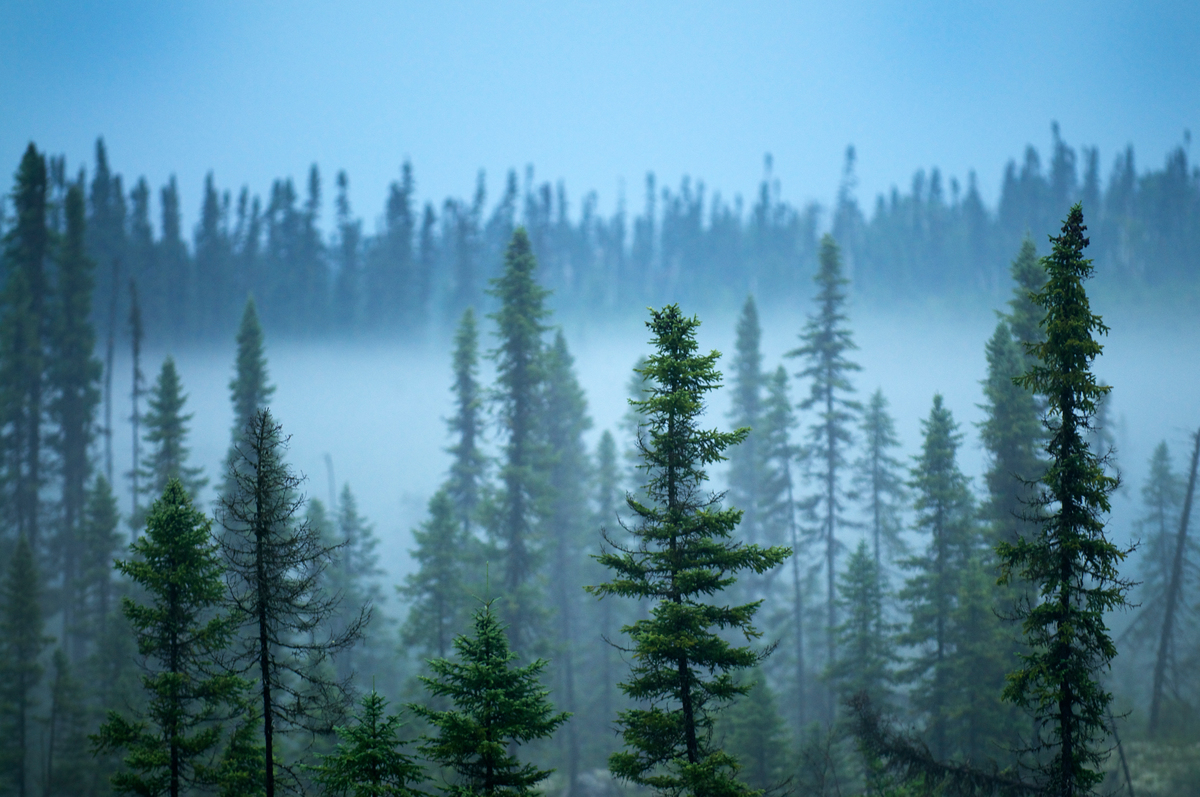
A view of the Waswanipi-Broadback Forest in the Abitibi region of Northern Quebec, one of the last remaining intact Boreal Forests in the province (source: EnergyDesk).

A view of the Waswanipi-Broadback forest in the Abitibi region of northern Quebec, one of the last remaining intact boreal forests in the Canadian province (source: EnergyDesk).

The boreal forest encircles the Earth around and just below the Arctic Circle like a big carbon-storing hug. It can mostly be found covering large swathes of Russia, Canada and Alaska, and some Scandinavian countries.

In fact, the boreal – sometimes called by its Russian name ‘taiga’ or ‘Great Northern Forest’ – is perhaps the biggest terrestrial carbon store in the world.

So it’s important to protect in a world where we’re aiming for 1.5 or – at worst – under two degrees celsius of global warming.

“Our capacity to limit average global warming to less than 2 degrees is already highly improbable, so every possible mechanism to reduce emissions must be employed as early as possible. Maintaining and recovering our forests is part of that solution,” Professor Corey Bradshaw, a leading researcher into boreal forests based at the University of Adelaide, told Energydesk.

It’s not that tropical rainforests aren’t important, but recent research led by Bradshaw published in Global and Planetary Change shows that that there is more carbon held in the boreal forests than previously realised.

But there’s a problem. Read the rest of this entry »


Potential conservation nightmare unfolding in South Africa

31 10 2016

fees-must-fallLike most local tragedies, it seems to take some time before the news really grabs the overseas audience by the proverbial goolies. That said, I’m gobsmacked that the education tragedy unfolding in South Africa since late 2015 is only now starting to be appreciated by the rest of the academic world.

You might have seen the recent Nature post on the issue, and I do invite you to read that if all this comes as news to you. I suppose I had the ‘advantage’ of getting to know a little bit more about what is happening after talking to many South African academics in the Kruger in September. In a word, the situation is dire.

We’re probably witnessing a second Zimbabwe in action, with the near-complete meltdown of science capacity in South Africa as a now very real possibility. Whatever your take on the causes, justification, politics, racism, or other motivation underlying it all, the world’s conservation biologists should be very, very worried indeed.

Read the rest of this entry »


World’s greatest conservation tragedy you’ve probably never heard of

13 10 2016

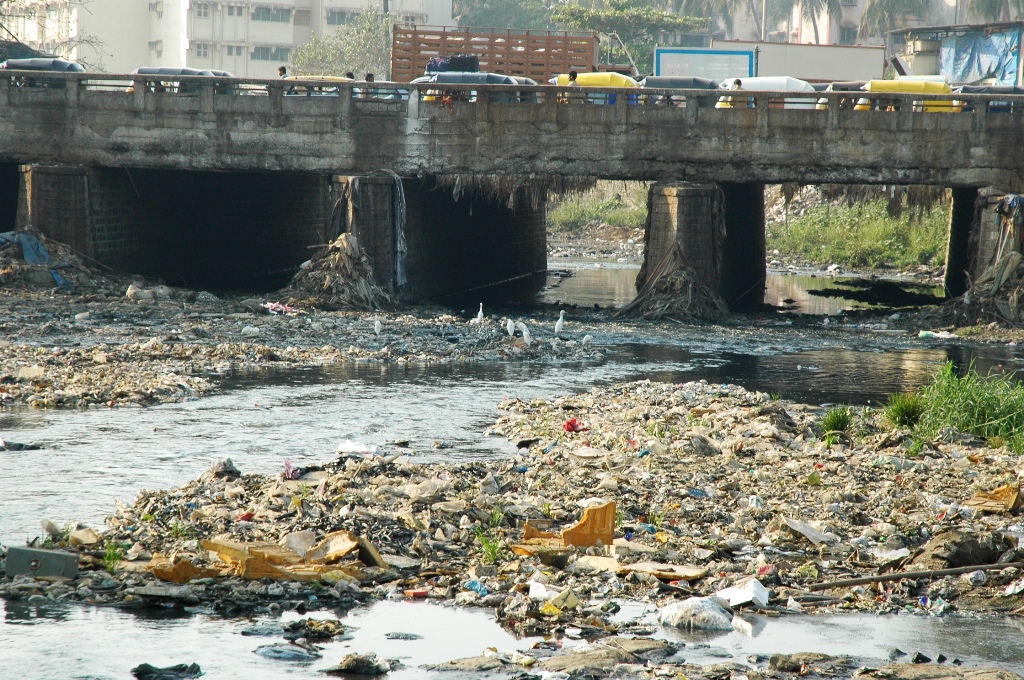
oshiwara_riverI admit that I might be stepping out on a bit of a dodgy limb by claiming ‘greatest’ in the title. That’s a big call, and possibly a rather subjective one at that. Regardless, I think it is one of the great conservation tragedies of the Anthropocene, and few people outside of a very specific discipline of conservation ecology seem to be talking about it.

I’m referring to freshwater biodiversity.

I’m no freshwater biodiversity specialist, but I have dabbled from time to time, and my recent readings all suggest that a major crisis is unfolding just beneath our noses. Unfortunately, most people don’t seem to give a rat’s shit about it.

Sure, we can get people riled by rhino and elephant poaching, trophy hunting, coral reefs dying and tropical deforestation, but few really seem to appreciate that the stakes are arguably higher in most freshwater systems. Read the rest of this entry »


Transition from the Anthropocene to the Minicene

24 09 2016
Going, going ...

Going, going … © CJA Bradshaw

I’ve just returned from a life-changing trip to South Africa, not just because it was my first time to the continent, but also because it has redefined my perspective on the megafauna extinctions of the late Quaternary. I was there primarily to attend the University of Pretoria’s Mammal Research Institute 50thAnniversary Celebration conference.

As I reported in my last post, the poaching rates in one of the larger, best-funded national parks in southern Africa (the Kruger) are inconceivably high, such that for at least the two species of rhino there (black and white), their future persistence probability is dwindling with each passing week. African elephants are probably not far behind.

As one who has studied the megafauna extinctions in the Holarctic, Australia and South America over the last 50,000 years, the trip to Kruger was like stepping back into the Pleistocene. I’ve always dreamed of walking up to a grazing herd of mammoths, woolly rhinos or Diprotodon, but of course, that’s impossible. What is entirely possible though is driving up to a herd of 6-tonne elephants and watching them behave naturally. In the Kruger anyway, you become almost blasé about seeing yet another group of these impressive beasts as you try to get that rare glimpse of a leopard, wild dogs or sable antelope (missed the two former, but saw the latter). Read the rest of this entry »


Inexorable rise of human population pressures in Africa

31 08 2016
© Nick Brandt

© Nick Brandt

I’ve been a bit mad preparing for an upcoming conference, so I haven’t had a lot of time lately to blog about interesting developments in the conservation world. However, it struck me today that my preparations provide ideal material for a post about the future of Africa’s biodiversity.

I’ve been lucky enough to be invited to the University of Pretoria Mammal Research Unit‘s 50th Anniversary Celebration conference to be held from 12-16 September this year in Kruger National Park. Not only will this be my first time to Africa (I know — it has taken me far too long), the conference will itself be in one of the world’s best-known protected areas.

While decidedly fortunate to be invited, I am a bit intimidated by the line-up of big brains that will be attending, and of the fact that I know next to bugger all about African mammals (in a conservation science sense, of course). Still, apparently my insight as an outsider and ‘global’ thinker might be useful, so I’ve been hard at it the last few weeks planning my talk and doing some rather interesting analyses. I want to share some of these with you now beforehand, although I won’t likely give away the big prize until after I return to Australia.

I’ve been asked to talk about human population pressures on (southern) African mammal species, which might seem simple enough until you start to delve into the complexities of just how human populations affect wildlife. It’s simply from the perspective that human changes to the environment (e.g., deforestation, agricultural expansion, hunting, climate change, etc.) do cause species to dwindle and become extinct faster than they otherwise would (hence the entire field of conservation science). However, it’s another thing entirely to attempt to predict what might happen decades or centuries down the track. Read the rest of this entry »


Rich and stable communities most vulnerable to change

16 08 2016

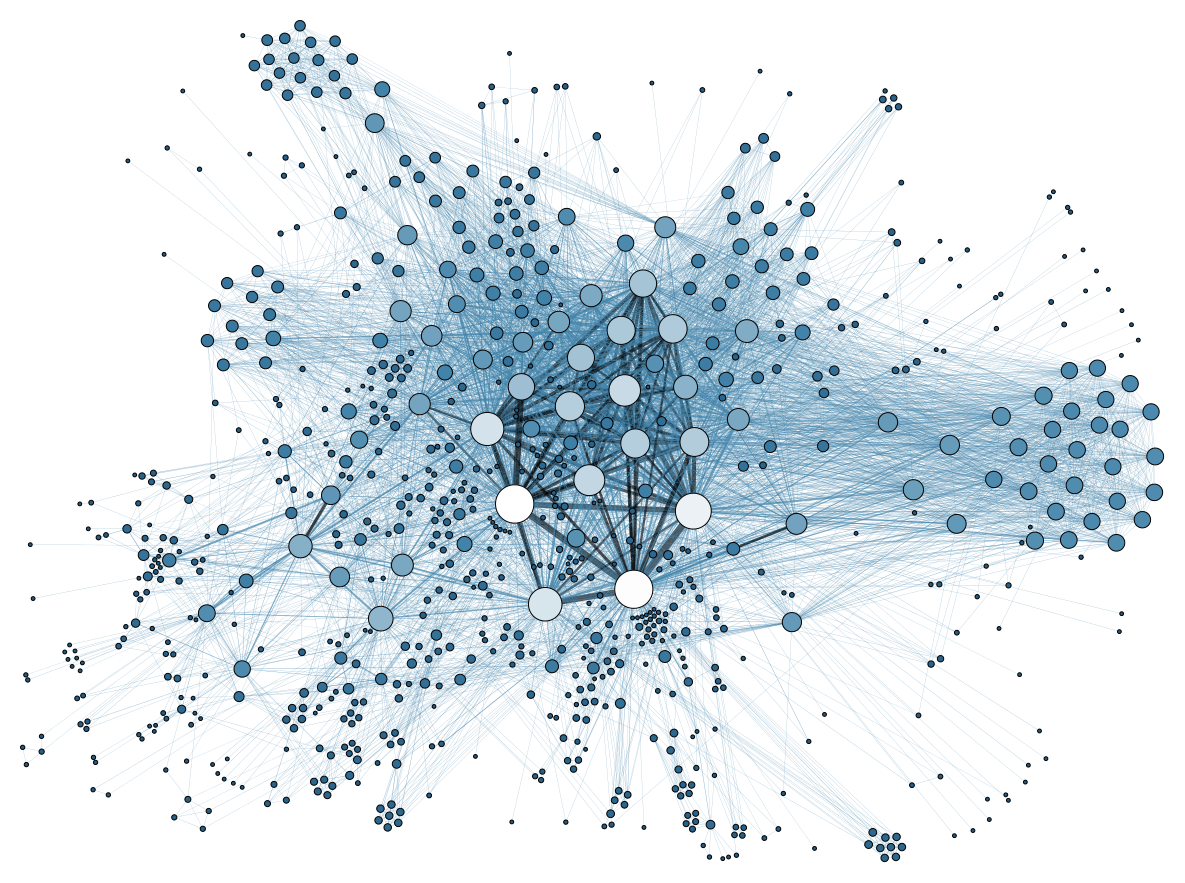
networkI’ve just read an interesting new study that was sent to me by the lead author, Giovanni Strona. Published the other day in Nature Communications, Strona & Lafferty’s article entitled Environmental change makes robust ecological networks fragile describes how ecological communities (≈ networks) become more susceptible to rapid environmental changes depending on how long they’ve had to evolve and develop under stable conditions.

Using the Avida Digital Evolution Platform (a free, open-source scientific software platform for doing virtual experiments with self-replicating and evolving computer programs), they programmed evolving host-parasite pairs in a virtual community to examine how co-extinction rate (i.e., extinctions arising in dependent species — in this case, parasites living off of hosts) varied as a function of the complexity of the interactions between species.

Starting from a single ancestor digital organism, the authors let evolve several artificial life communities for hundred thousands generation under different, stable environmental settings. Such communities included both free-living digital organisms and ‘parasite’ programs capable of stealing their hosts’ memory. Throughout generations, both hosts and parasites diversified, and their interactions became more complex. Read the rest of this entry »


Keeping India’s forests

9 08 2016

I’ve just returned from a short trip to the National Centre for Biological Sciences (NCBS) in Bangalore, Karnataka, one of India’s elite biological research institutes.

Panorama of a forested landscape (Savandurga monolith in the background) just south of Bangalore, Karnataka (photo: CJA Bradshaw)

Panorama of a forested landscape (Savandurga monolith in the background) just south of Bangalore, Karnataka (photo: CJA Bradshaw)

I was invited to give a series of seminars (you can see the titles here), and hopefully establish some new collaborations. My wonderful hosts, Deepa Agashe & Jayashree Ratnam, made sure I was busy meeting nearly everyone I could in ecology and evolution, and I’m happy to say that collaborations have begun. I also think NCBS will be a wonderful conduit for future students coming to Australia.

It was my first time visiting India1, and I admit that I had many preconceptions about the country that were probably unfounded. Don’t get me wrong — many of them were spot on, such as the glorious food (I particularly liked the southern India cuisine of dhosa, iddly & the various fruit-flavoured semolina concoctions), the insanity of urban traffic, the juxtaposition of extreme wealth and extreme poverty, and the politeness of Indian society (Indians have to be some of the politest people on the planet).

But where I probably was most at fault of making incorrect assumptions was regarding the state of India’s natural ecosystems, and in particular its native forests and grasslands. Read the rest of this entry »