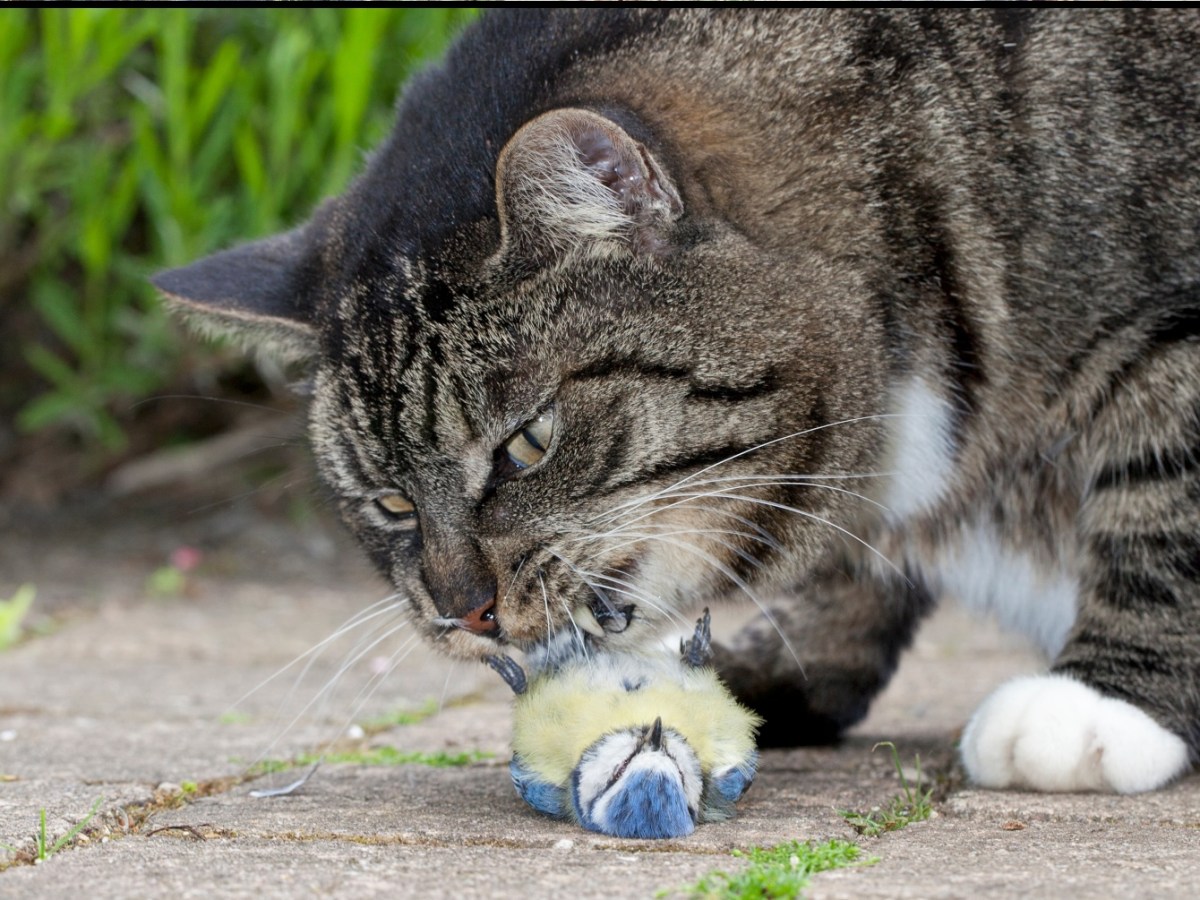
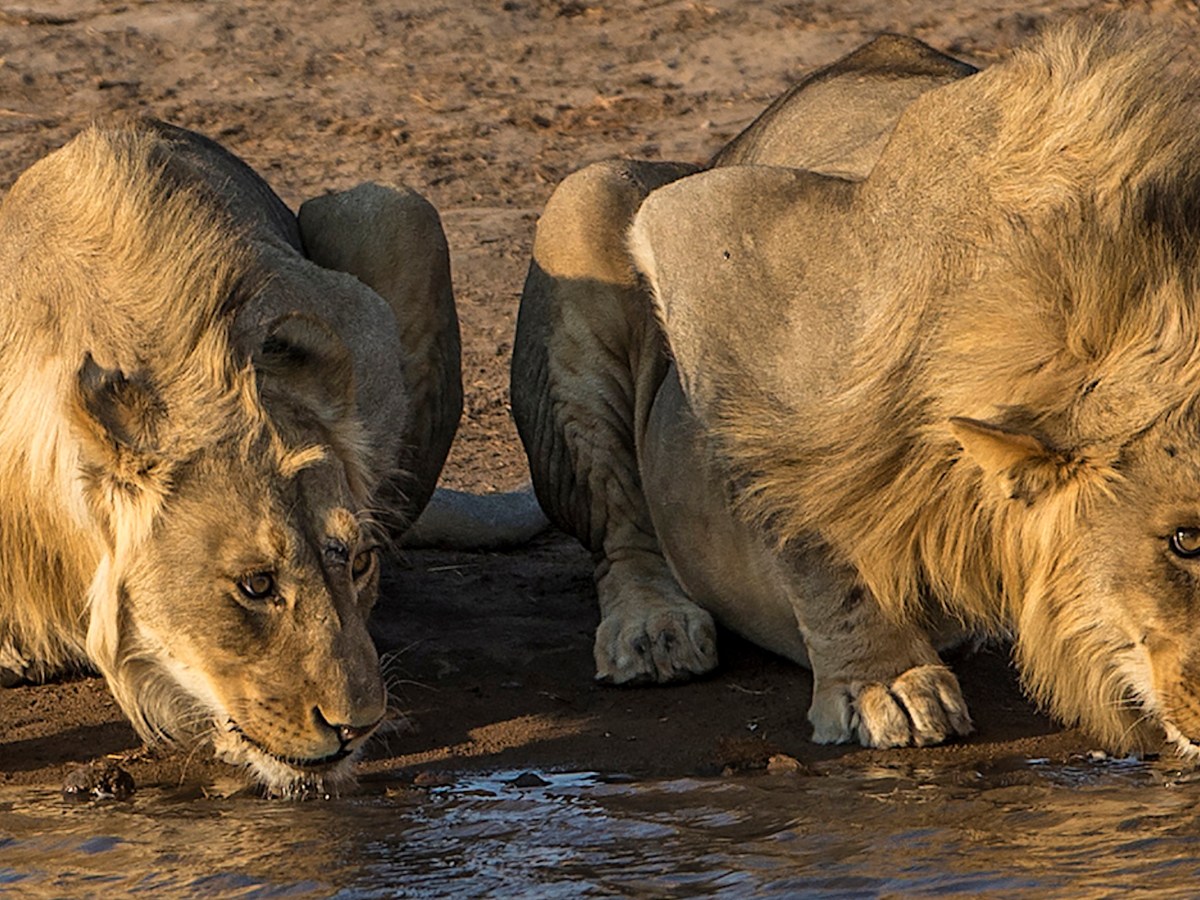
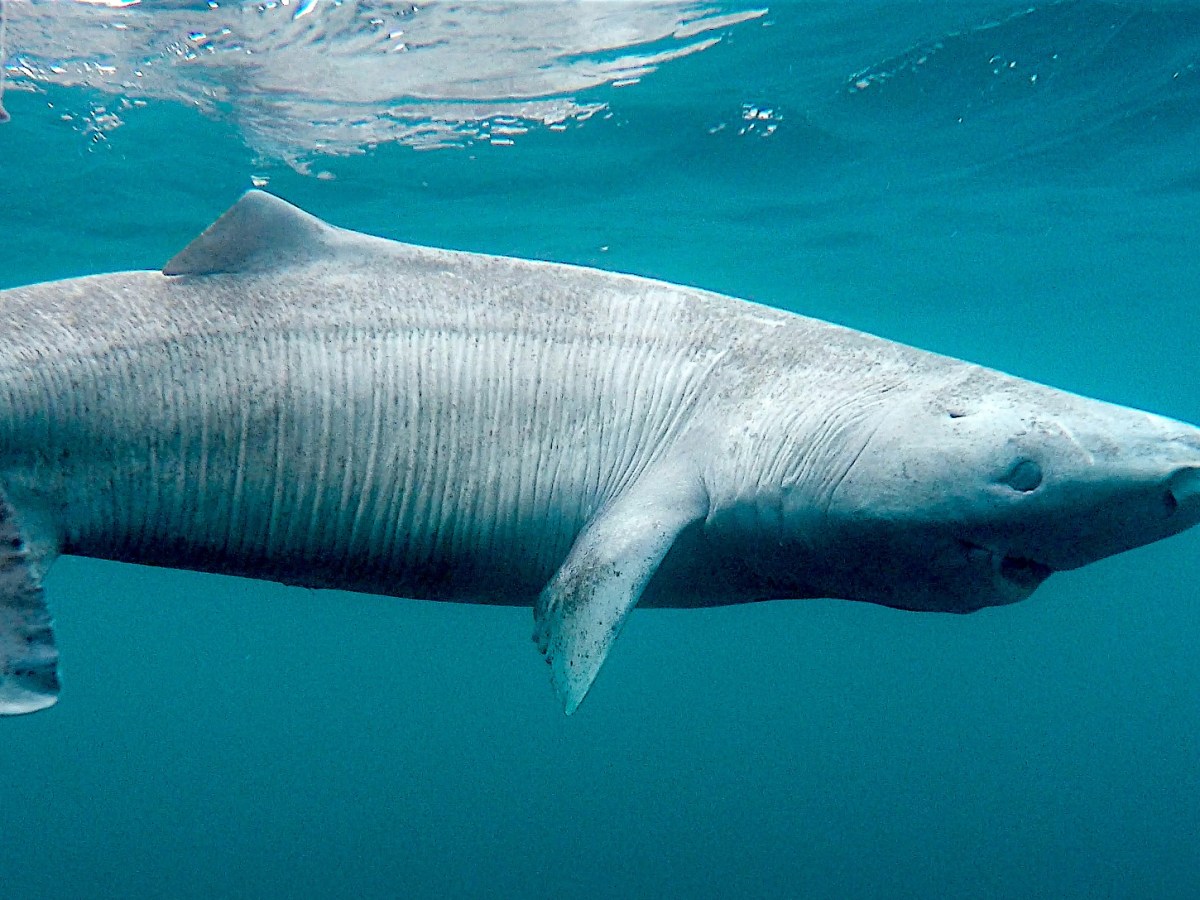
Influential conservation ecology papers of 2018

17 12 2018

e35f9ddeada029a053a15cd023abadf5
For the last five years I’ve published a retrospective list of the ‘top’ 20 influential papers of the year as assessed by experts in F1000 Prime — so, I’m doing so again for 2018 (interesting side note: six of the twenty papers highlighted here for 2018 appear in Science magazine). See previous years’ posts here: 2017, 20162015, 2014, and 2013.

Read the rest of this entry »


Perseverance eventually gets the policy makers’ attention

10 12 2018
IMG_2819

My entry badge today to the South Australian Parliament (sorry for the shitty reproduction, but it’s a shitty photo of a shitty photo)

I’ve often commented on it over the years, as well as written about it both in my latest book, as well as featured it here on CB.com, that little of the conservation science we do appears to reach the people making all the decisions. This is, of course, a massive problem because so much policy that affects biodiversity is not evidence-based, nor do we seem to be getting any better at telling them how buggered our natural world is.

Even the Extinction Rebellion, or school kids screaming in the streets about lack of climate-change policies appears unable to budge the entrenched, so what hope do we lonely little scientists have of getting in a Minister’s ear? It’s enough to make one depressed.

look-at-me-girlSo, we go through the motions; we design ideal reserves with the aid of our computers, we tell people how much to fish, we tell them why feral species are bad, etc., etc., and then we publish our findings and walk away. We might do a little more and shout our messages loudly from the media rooftops, or submit comments to proposed policies, or even draft open letters or petitions. Yet no matter how hard we seem to try, our messages of urgency and despair largely fall on deaf ears.

It’s enough to make you reconsider and not bothering at all.

But! Despite my obviously jaded perspective, two things have happened to me recently that attest to how a little perseverance, sticking to your guns, and staying on message can reach the ears of the powerful. My examples are minuscule in the grand scheme of things, nor will they necessarily translate into anything really positive on the ground; yet, they give me a modicum of hope that we can make a positive difference.

The first event happened a few weeks ago after we did a press release about our paper on co-extinction cascades published in Scientific Reports. Yes, it got into a few big newspapers and radio, but I thought it wouldn’t do much more than peak the punters’ interest for the typical 24-hour news cycle. However, after the initial media interest died down, I received an e-mail from one of my university’s media officers saying that the we had been cited in The Senate (one of the two houses in the Australian Parliament)! An excerpt of the transcript is shown below (you can read the whole thing — if you could be bothered — here): Read the rest of this entry »


With a Rebel Yell, Scientists Cry ‘No, no, more!’

29 11 2018

Adrenaline makes experiences hyper-real. Everything seems to move in slow motion, apart from my heart, which is so loud that I am sure people can hear it even over the traffic.

It’s 11:03 on a sunny November morning in central London. As the green man starts to shine, I walk into the middle of the road and sit down. On either side of me, people do the same. There can only be about 50 of us sitting on this pedestrian crossing, and I murmur ‘are we enough?’

‘Look behind you,’ says a new friend.

I turn. Blackfriar’s Bridge, usually covered in cars and buses, is filling with people. Citizens walking into the road and staying there, unfurling colourful flags with hourglass symbols on them. The police film us, standing close, but make no move to arrest anyone. Later, we discover that at least some of them encourage our disobedience.

Messages start coming in — 6,000 people are here, and we’ve blocked five bridges in central London with Extinction Rebellion, protesting for action to stop climate change and species extinctions. I’m a scientist participating in my first ever civil disobedience, and for me, this changes everything.

ER1

Left to right: protestors include kids, company directors, and extinct species.

What makes a Cambridge academic — and thousands of other people — decide that sitting in a road is their best chance of being heard? In short, nothing else has got us the emissions cuts we need. The declaration that global warming is real and that greenhouse-gas emissions need to be cut came in 1988, when I was a year old. Since then, scientists have continued to be honest brokers, monitoring greenhouse gases, running models, presenting the facts to governments and to the people. And emissions have continued to climb. The 2018 IPCC report that shocked many of us into action told us we have 12 years to almost halve emissions, or face conditions incompatible with civilisation. How did we end up here? Read the rest of this entry »


Global warming causes the worst kind of extinction domino effect

25 11 2018

Dominos_Rough1-500x303Just under two weeks ago, Giovanni Strona and I published a paper in Scientific Reports on measuring the co-extinction effect from climate change. What we found even made me — an acknowledged pessimist — stumble in shock and incredulity.

But a bit of back story is necessary before I launch into describing what we discovered.

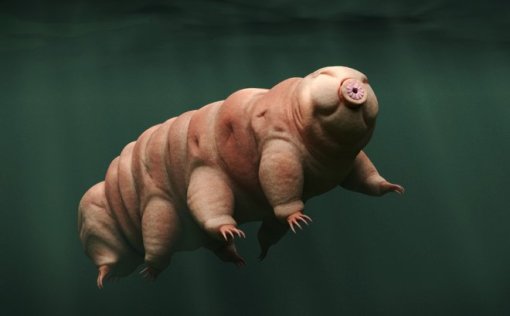
Last year, some Oxbridge astrophysicists (David Sloan and colleagues) published a rather sensational paper in Scientific Reports claiming that life on Earth would likely survive in the face of cataclysmic astrophysical events, such as asteroid impacts, supernovae, or gamma-ray bursts. This rather extraordinary conclusion was based primarily on the remarkable physiological adaptations and tolerances to extreme conditions displayed by tardigrades— those gloriously cute, but tiny (most are around 0.5 mm long as adults) ‘water bears’ or ‘moss piglets’ — could you get any cuter names?

aHR0cDovL3d3dy5saXZlc2NpZW5jZS5jb20vaW1hZ2VzL2kvMDAwLzA5OC81NzMvb3JpZ2luYWwvc3dpbW1pbmctdGFyZGlncmFkZS5qcGc=

Found almost everywhere and always (the first fossils of them date back to the early Cambrian over half a billion years ago), these wonderful little creatures are some of the toughest metazoans (multicellular animals) on the planet. Only a few types of extremophile bacteria are tougher.

So, boil, fry or freeze the Earth, and you’ll still have tardigrades around, concluded Sloan and colleagues.

When Giovanni first read this, and then passed the paper along to me for comment, our knee-jerk reaction as ecologists was a resounding ‘bullshit!’. Even neophyte ecologists know intuitively that because species are all interconnected in vast networks linked by trophic (who eats whom), competitive, and other ecological functions (known collectively as ‘multiplex networks’), they cannot be singled out using mere thermal tolerances to predict the probability of annihilation. Read the rest of this entry »


Ecophysiological feedbacks under climate change

29 10 2018

Variability in heat tolerance among populations modifies the climate-driven periods of diurnal activity expected for ectotherm species. We illustrate this phenomenon for Iberian lizards in a paper we have just published in the Journal of Animal Ecology (blog post reproduced with permission by the Journal; see related blog).

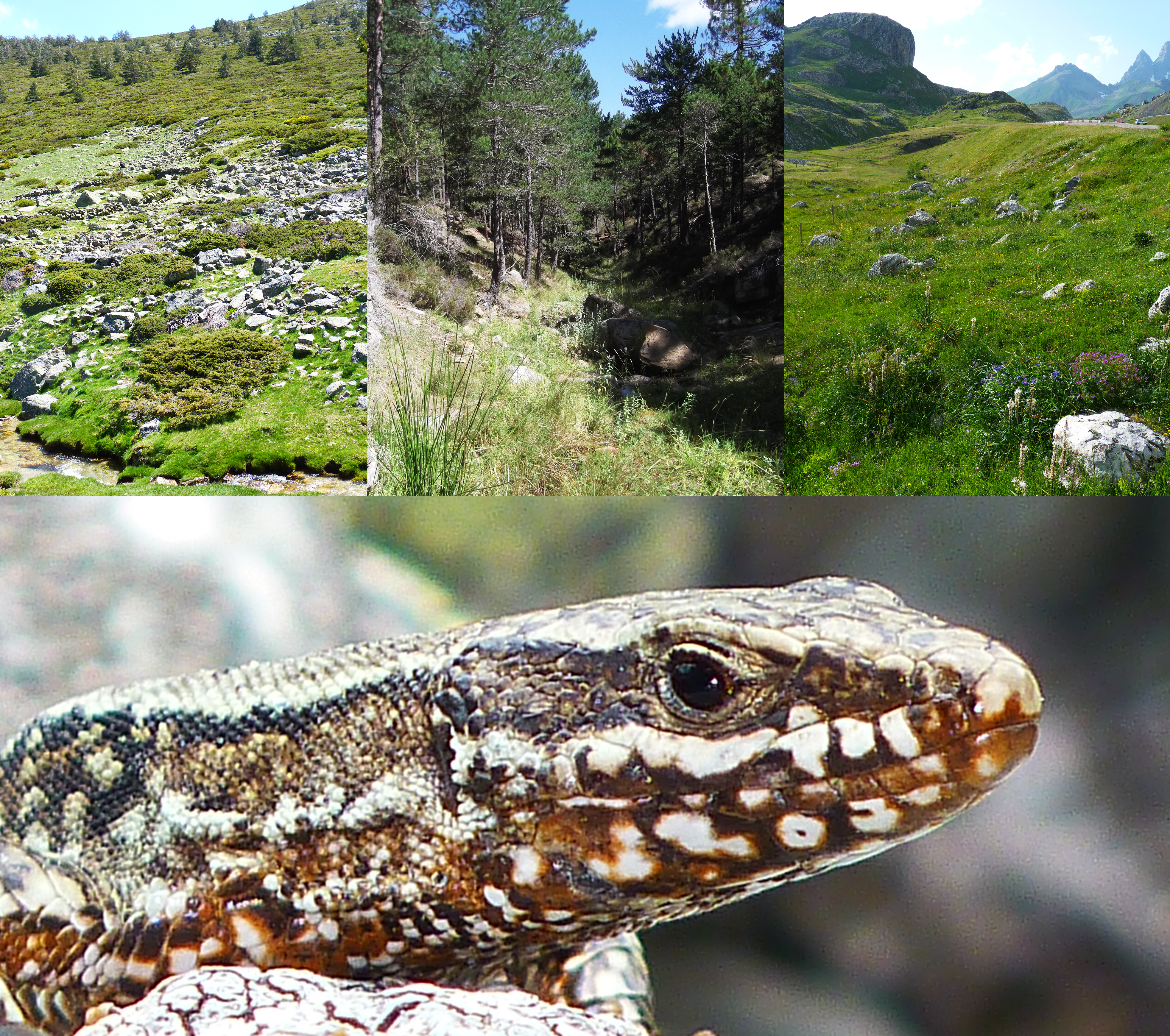
Common wall lizard (Podarcis muralis, male) and three localities where the species is abundant in Spain, left to right including Valdesquí/Madrid (Central System), Peñagolosa/Castellón (Iberian System) and El Portalet/Huesca (The Pyrenees).

Iberia is a wonderful natural laboratory, with a complex blend of flat/hilly, open/woody and coastal/continental terrain, swept by climatic gradients of temperature and moisture. In 2013, I launched a BES-supported project about the thermal ecology of Iberian lizards and managed to drive over much of the Iberian Peninsula in fairly little time. Not being a reptile specialist myself, I was confronted by the consistent observation that lizard populations occupied very different habitats across the known distribution of each of the ~ 25 known Iberian species belonging to the family Lacertidae.

For instance, the common wall lizard (Podarcis muralis) likes water, rocks and mountains, but you can find this pencil-long reptile at the top of a summit, along the slopes or riversides of shallow and deep ravines, on little stones barely surfacing above peatland grasslands, or among the bricks of buildings. These animals must experience different local climates conditional on where they live, and adapt their thermal physiology accordingly.

Having then started a postdoc in Miguel Araújo’s lab — a world-class site for global change ecology and ‘big’ biodiversity patterns — I reviewed a sizeable body of literature looking into large-scale gradients of thermal tolerance. Most of those papers had collated (mostly) one estimate of tolerance from each of tens to thousands of species, then mapped them against regional and global metrics of climate change through sophisticated mathematical frameworks. But these studies rarely accounted for population-level thermal tolerance.

Read the rest of this entry »


Sex on the beach

2 10 2018
Female green turtles (Chelonia mydas) spawning (top) and diving (bottom) on Raine Island (Great Barrier Reef, Queensland, Australia) — photos courtesy of Ian Bell. This species is ‘Endangered’ globally since 1982, mainly from egg harvesting (poaching conflict in Mexico for olive ridley Lepidochelys olivacea featured by National Geographic’s video here), despite the success of conservation projects (39). Green turtles inhabit tropical and subtropical seas in all oceans. Adults can grow > 150 kg and live for up to ~ 75 years. Right after birth, juveniles venture into the open sea to recruit ultimately in coastal areas until sexual maturity. They then make their first reproductive migration, often over 1000s of km (see footage of a real dive of a camera-equipped green turtle), to reach their native sandy beaches where pregnant females will lay their eggs. Each female can deposit more than one hundred eggs in her nest, and in several clutches in the same season because they can store the sperm from multiple mating events.

When sex is determined by the thermal environment, males or females might predominate under sustained climatic conditions. A study about marine turtles from the Great Barrier Reef illustrates how feminisation of a population can be partitioned geographically when different reproductive colonies are exposed to contrasting temperatures.

Fortunately, most people in Western societies already perceive that we live in a complex blend of sexual identities, far beyond the kind of genitals we are born with. Those identities start to establish themselves in the embryo before the sixth week of pregnancy. In the commonest scenario, for a human foetus XY with one maternal chromosome (X) and one paternal (Y) chromosome, the activation of the Sry gen (unique to Y) will trigger the differentiation of testicles and, via hormonal pathways, the full set of male characteristics (1).

Absence of that gene in an XX embryo will normally lead to a woman. However, in just one of many exceptions to the rule, Sry-expression failure in XY individuals can result in sterile men or ambiguous genitals — along a full gradient of intermediate sexes and, potentially, gender identities. A 2015 Nature ‘News’ feature echoes two extraordinary cases: (i) a father of four children found to bear a womb during an hernia operation, and (ii) a pregnant mother found to host both XX and XY cells during a genetic test – with her clinical geneticist stating “… that’s the kind of science-fiction material for someone who just came in for an amniocentesis” (2). These real-life stories simply reflect that sex determination is a complex phenomenon.

Three ways of doing it

In nature, there are three main strategies of sex determination (3) — see scheme here: Read the rest of this entry »


South Australia doesn’t value its environment

5 09 2018

how we treat our environmentThe South Australian State Budget was released yesterday, and as has been the trend for the last ten years or so, the numbers are not good for the State’s environment.

While it has been reported that the budget includes the loss of 115 full-time staff from the Department of Environment and Water, the overall cuts run much deeper. They also herald a new era of not giving a tinker’s cuss for the sorry state of our environment.

I took the liberty of amassing the budget data with respect to environmental spending in this State since 2002-2003 (the earliest year I could find budget papers), and now I’ve just added the 2018-2019 data.

If I’ve selected the appropriate amounts, — side note: someone desperately needs to teach these budget bean-counters how to standardise, report, itemise, and organise data much, much better than they do (my first-year students could do a better job drunk and blindfolded) — then this is what environmental spending (including environment, biodiversity, water, and the Environment Protection Authority) has looked like since 2002: Read the rest of this entry »


The European Union just made bioenergy worse for biodiversity

21 08 2018

bioenergy2While some complain that the European Union (EU) is an enormous, cumbersome beast (just ask the self-harming Brexiteers), it generally has some rather laudable legislative checks and balances for nature conservation. While far from perfect, the rules applying to all Member States have arguably improved the state of both European environments, and those from which Europeans source their materials.

But legislation gets updated from time to time, and not always in the ways that benefit biodiversity (and therefore, us) the most. This is exactly what’s just happened with the new EU Renewable Energy Directive (RED) released in June this year.

Now, this is the point where most readers’ eyes glaze over. EU policy discussions are exceedingly dry and boring (I’ve dabbled a bit in this arena before, and struggled to stay awake myself). But I’ll try to lighten your required concentration load somewhat by being as brief and explanatory as possible, but please stay with me — this shit is important.

In fact, it’s so important that I joined forces with some German colleagues with particular expertise in greenhouse-gas accounting and EU policy — Klaus Hennenberg and Hannes Böttcher1 of Öko-Institut (Institute of Applied Ecology) in Darmstadt — to publish an article available today in Nature Ecology and Evolution.

bioenergy4So back to the RED legislation. The original ‘RED 2009‘ covered reductions of greenhouse-gas emissions and the mitigation of negative impacts on areas of high biodiversity value, such as primary forests, protected areas, and highly biodiverse grasslands, and for areas of high carbon stock like wetlands, forests, and peatlands.

But RED 2009 was far from what we might call ‘ambitious’, because globally mandatory criteria on water, soil and social aspects for agriculture and forestry production were excluded to avoid conflicts with rules of the World Trade Organization.

Nor did RED 2009 apply to all bioenergy types, and only included biofuels used in transport, including gaseous and solid fuels, and bioliquids used for electricity, heating, and cooling. But RED 2009 requirements also applied to all raw materials sourced from agriculture and forestry, especially as forest biomass is explicitly mentioned as a raw material for the production of advanced biofuels in the RED 2009 extension from 2015.

Thus, one could conceivably call RED 2009 criteria ‘minimum safeguards’.

But as of June this year, the EU accepted a 2016 proposal to recast RED 2009 into what is now called ‘RED II’. While the revisions might look good on paper by setting new incentives in transport (advanced biofuels) and in heating and cooling that will likely increase the use of biomass sourced from forests, and by extending the directive on solid and gaseous biomass, the amendments unfortunately take some huge leaps backwards in terms of sustainability requirements.

These include the following stuff-ups: Read the rest of this entry »


Some scary stats about agriculture and biodiversity

20 07 2018

84438Last week we had the pleasure of welcoming the eminent sustainability scientist, Professor Andrew Balmford of the University of Cambridge, to our humble Ecology and Evolution Seminar Series here at Flinders University. While we couldn’t record the seminar he gave because of some of the unpublished and non-proprietary nature of some of his slides, I thought it would be interesting, useful, and thought-provoking to summarise some of the information he gave.

Andrew started off by telling us some of the environmental implications of farming worldwide. Today, existing agriculture covers more than half of ‘useable’ land (i.e., excluding unproductive deserts, etc.), and it has doubled nitrogen fixation rates from a pre-industrial baseline. Globally, agriculture is responsible for between 19 and 35% of all greenhouse gas emissions, and it has caused approximately 40% increase in observed sea-level rise (1961-2003). Not surprisingly, agriculture already occupies the regions of highest biodiversity globally, and is subsequently the greatest source of threat to species.

Read the rest of this entry »


Biodiversity is everyone’s responsibility

13 07 2018

Workspace: Team Of Diverse Workers Put Hands TogetherI’m not sure if many South Australians are aware of this, but the Parliamentary Inquiry into Biodiversity by the Environment, Resources and Development Committee presented a report to the 53rd Parliament of South Australia in March 2017. I thought it worthwhile reproducing their executive summary here on CB.com (I’ve highlighted the text that I deem to be rather insightful and simultaneously damning from our own elected government representatives):

This report summarises the findings and recommendations of the South Australian Parliament’s Environment, Resources and Development Committee’s inquiry into biodiversity in South Australia. Specifically, the inquiry investigated the regulatory and policy framework to determine whether it appropriately supports terrestrial and marine ecological processes, biodiversity values and abates species extinction.

The Committee found that in spite of the efforts of the State and Federal governments, industry and private landholders in South Australia, the condition of biodiversity in the State continues to decline. Species extinctions have occurred in the past and a further “extinction debt” still exists. There is no reason to believe that this trend will improve without a change to the way we approach biodiversity conservation.

A key theme to emerge from the Inquiry is that biodiversity conservation needs to be everyone’s responsibility; State and Federal government, industry, the broader community, and private landholders.

This also means that biodiversity conservation needs to occur across both public and private land, with actions coordinated at a landscape scale.

Making biodiversity conservation everyone’s responsibility requires a range of measures, including legislative reform, improved management of threats and greater involvement of the community. The provision of greater resources would yield faster results.

This report has focused on several key themes that emerged from submissions to the Inquiry.

Regulating for better biodiversity – South Australia’s legislative framework

South Australia’s current legislative framework does not provide for optimum biodiversity outcomes.

Three key issues contribute to this –

  • an out-of-date suite of environmental legislation that lacks cohesion and consistency, particularly regarding enforcement and compliance provisions;
  • inadequate and incomplete processes for identifying and protecting at-risk elements that need special measures (e.g. for protection of specific threatened species and ecological communities); and
  • inadequate consideration of biodiversity conservation in legislation that regulates human activities. In particular, there is a lack of cohesion between the environmental legislative and policy framework and land use planning, assessment and approval.
  • Statutory fragmentation of biodiversity considerations – that is, consideration of different aspects of biodiversity under different pieces of legislation – results in lack of cohesion and consistency, duplication and inefficiency, and makes it difficult to implement a landscape approach or to identify strategic opportunities and risks.

Taken as a whole, current enforcement provisions do not provide for effective and proportionate compliance action. Enforcement and compliance provisions across the relevant legislation are uneven in their approach. For example, penalties appear to be disproportionate and not risk-based (although there are some exceptions). Modern enforcement tools such as compliance orders, civil remedies and alternative penalties (such as administrative penalties, payment of damages including exemplary damages, remediation orders etc) are not included in all relevant legislation. There is some duplication in offences and inconsistency in the types of sanctions and penalty ranges.

There is an urgent need to amend the legislative framework to support any attempt to improve biodiversity outcomes.

The best approach will be based on clear, shared responsibility for biodiversity outcomes, supported by individual accountability. However, such a change will require policy development and drive.

To ensure forward momentum and improvements in the short term while developing the policy settings to support such a step-change, a staged approach could be implemented. There are various ways this could be achieved.

The Committee suggests a 3-stage approach to reforming the legislative framework. The Committee recommends the creation of a Biodiversity Expert Panel that is responsible for advancing this 3-stage approach.

  1. The first stage will involve amendments to improve operation and effectiveness of the regulatory regime within current policy settings, acknowledging that as a result of Stage 3, provisions may be altered or moved into different pieces of legislation. Amendments generally would be to the existing ‘environmental’ Acts, and primarily to the National Parks and Wildlife Act 1972 and Native Vegetation Act 1991. They would include many of the specific areas for amendment identified in EDO submissions (2011 & 2015) as well as in the SA Government submission, for example, beginning with amendments to improve current environmental legislation.
  2. Stage 2 would progress to amendments to improve integration between Acts and improve support for landholders and community participation.
  3. Stage 3 would implement a system whereby all resource use and management would be managed by one piece of legislation, with protection of biodiversity and sustainable development at its core. Provisions for protected area management, and for the scientific work involved in identifying threatened species and communities, may be contained in separate legislation.

Threats, ecological resilience and restoration

The State’s native biodiversity is facing myriad of current threats, including habitat loss and fragmentation (due to development and changing land-use), pest plants and animals, and control burn regimes. There is a need for more stringent vegetation protection, better informed and enacted control and management strategies of known pest plants and animals, and a revision of burning regimes.

Future threats to the State’s biodiversity will be largely driven by climate change impacts and the interaction with existing major threats (e.g. urbanisation and changing land use). Adequately preparing for and managing such future threats will require knowledge of projected changes and pro-active preparation for such changes.

Working with the community

Involvement of the community is an essential part of any biodiversity conservation strategy for the State. It is a foundation stone for moving to a point where biodiversity conservation is everyone’s business.

Community engagement will become increasingly important for biodiversity conservation, especially given the growing role of volunteers to support works on public land as well as the voluntary conservation efforts of private landholders. The expanding role of volunteers reenforces that biodiversity conservation is everyone’s business.

South Australia’s approach to biodiversity conversation on private land needs to be reinvigorated.

Cross cutting themes

There were several cross cutting themes identified in submissions to the Inquiry. There was broad recognition of the strong cultural and historic significance of elements of biodiversity to Aboriginal people, and that this is often poorly understood outside those communities. Continuing to identify ways for Aboriginal people to contribute to land and water management in South Australia remains a priority.

With respect to knowledge generation, critical knowledge gaps exist that need to be filled and existing knowledge is not being adequately understood, communicated or applied. From a resourcing perspective, there is concern that insufficient funds are being allocated to biodiversity conservation, which is affecting work on public and private lands.

The management of over-abundant species in South Australia remains a challenge, noting the recent impacts of long-nose fur seals in the Lower Lakes and Coorong, and ongoing concerns regarding the impact of animals such as little corellas and some species of kangaroos on negative vegetation.


Communicating climate change

5 06 2018

Both the uncertainty inherent in scientific data, and the honesty of those scientists who report such data to any given audience, can sow doubt about the science of climate change. The perception of this duality is engrained in how the human mind works. We illustrate this through a personal experience connecting with global environmentalism, and synthesise some guidelines to communicate the science of climate disruption by humans.

EskimoTote_English

Courtesy of Toté (www.elcomic.es)

In January 2017, the Spanish environmental magazine Quercus invited us to give a talk, at the Cabinet of Natural History in Madrid, about our article on the effects of climate change on the feeding ecology of polar bears, which made to Quercuscover in February 2017 (1) — see blog post here. During questions and debate with the audience (comprising both scientists and non-scientists), we displayed a graph illustrating combinations of seven sources of energy (coal, water, gas, nuclear, biomass, sun and wind) necessary to meet human society’s global energy needs according to Barry Brook & Corey Bradshaw (2). That paper supports the idea that nuclear energy, and to a lesser extent wind energy, offer the best cost-benefit ratios for the conservation of biodiversity after accounting for factors intimately related to energy production, such as land use, waste and climate change.

While discussing this scientific result, one member of the audience made the blunt statement that it was normal that a couple of Australian researchers supported nuclear energy since Australia hosts the largest uranium reservoirs worldwide (~1/3 of the total). The collective membership of Quercus and the Cabinet of Natural History is not suspicious of lack of awareness of environmental problems, but a different matter is that individuals can of course evaluate a piece of information through his/her own and legitimate perspective.

The stigma of hypocrisy

Indeed, when we humans receive and assimilate a piece of information, our (often not self-conscious) approach can range from focusing on the data being presented to questioning potential hidden agendas by the informer. However, the latter can lead to a psychological trap that has been assessed recently (3) — see simple-language summary of that assessment in The New York Times. In one of five experiments, a total of 451 respondents were asked to rank their opinion about four consecutive vignettes tracking the conversation between two hypothetical individuals (Becky & Amanda) who had a common friend. During this conversation, Amanda states that their friend is pirating music from the Internet, and Becky (who also illegally downloads music) can hypothetically give three alternative answers: Read the rest of this entry »


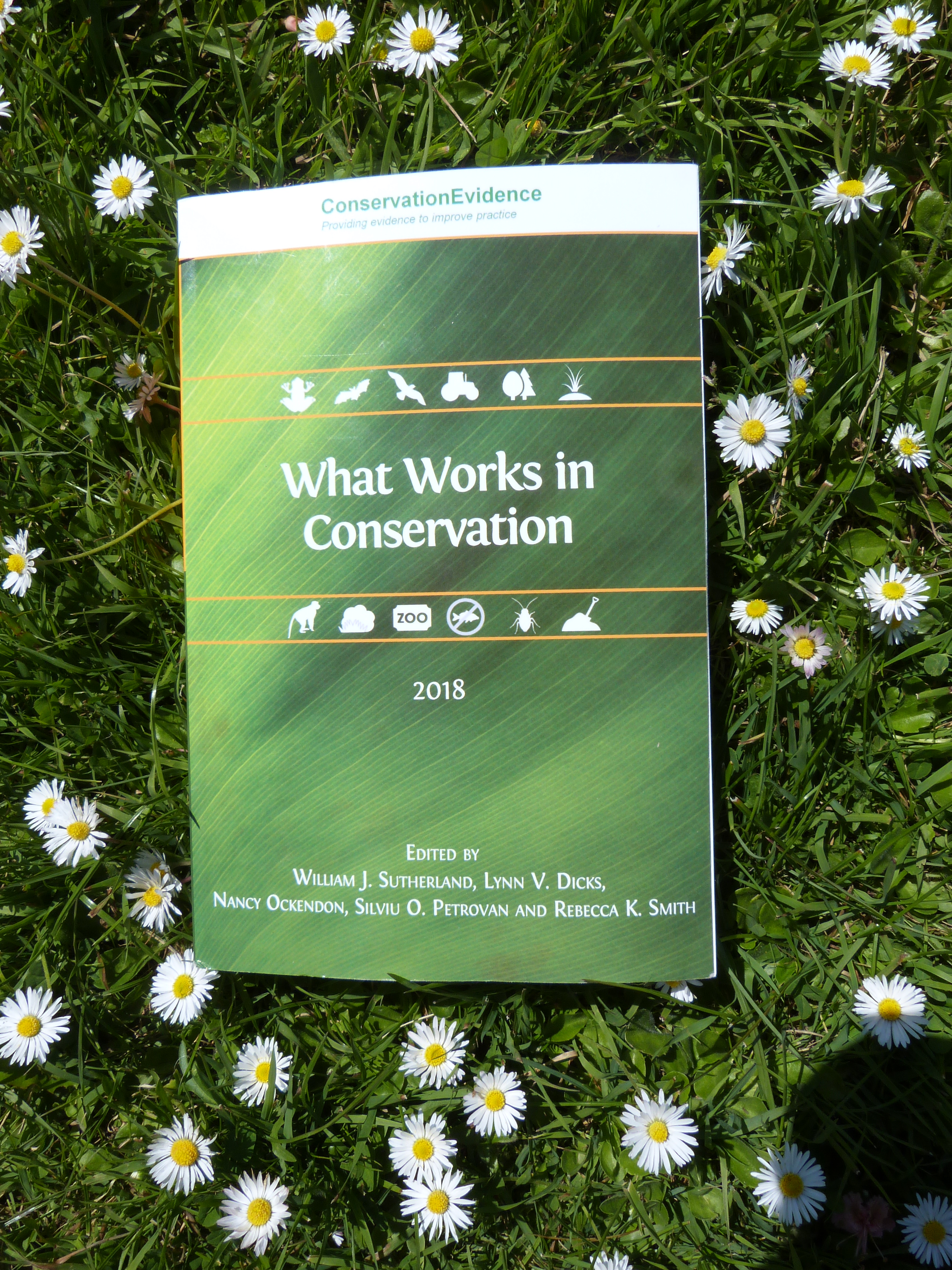
What Works in Conservation 2018

23 05 2018

P1230308

Do you have a copy of this book? If not, why not?


This book is free to download. This book contains the evidence for the effectiveness of over 1200 things you might do for conservation. If you don’t have a copy, go and download yourself a free one here, right now, before you even finish reading this article. Seriously. Go. You’ll laugh, you’ll cry, it’ll change your life.

Why you’ll laugh

OK, I may have exaggerated the laughing part. ‘What Works in Conservation 2018’ is a serious and weighty tome, 660 pages of the evidence for 1277 conservation interventions (anything you might do to conserve a species or habitat), assessed by experts and graded into colour-coded categories of effectiveness. This is pretty nerdy stuff, and probably not something you’ll lay down with on the beach or dip into as you enjoy a large glass of scotch (although I don’t know your life, maybe it is).

But that’s not really what it’s meant for. This is intended as a reference book for conservation managers and policymakers, a way to scan through your possible solutions and get a feel for those that are most likely to be effective. Once you have a few ideas in mind, you can follow the links to see the full evidence base for each study at conservationevidence.com, where over 5000 studies have been summarised into digestible paragraphs.

The book takes the form of discrete chapters on taxa, habitats or topics (such as ‘control of freshwater invasives’). Each chapter is split into IUCN threat categories such as ‘Agriculture’ or ‘Energy production and mining’. For each threat there are a series of interventions that could be used to tackle it, and for each of these interventions the evidence has been collated. Experts have then graded the body of the evidence over three rounds of Delphi scoring, looking at the effectiveness, certainty in the evidence (i.e., the quality and quantity of evidence available), and any harms to the target taxa. These scores combine to place each intervention in a category from ‘Beneficial’ to ‘Likely to be ineffective or harmful’. Read the rest of this entry »


A life of fragmentation

9 05 2018

LauranceWhat do you say to a man whose list of conservation awards reads like a Star Wars film intro, who has introduced terms like the ‘hyperdynamism hypothesis’ to the field of ecology, and whose organisation reaches over one million people each week with updates of the scientific kind?

Interview with Bill Laurance by Joel Howland (originally published in Conjour)


Well, I started by asking what it is that leads him to love the natural world to the extent he does. His answer was disarmingly simple.

“I grew up in the country, on an Oregon cattle ranch, and I think my love of nature just evolved naturally from that. When I was a young kid my dad and I did some fishing and ‘rock-hounding’— searching for rare stones and fossils. As an adolescent and teen I loved heading off into a forest or wilderness, rifle in hand – back in those days you could do that – to see whatever I could find. I watched red foxes hunting, eagles mating, and even heard a mountain lion scream. I got to be a pretty good duck and game-bird hunter.”

He’s quick to point out, however, he realised his taste for guns was not so developed as his love of nature.

“I gave up my rifles for a camera, and enjoyed that even more. I really got into photography for a while. Nature has always just calmed and fascinated me —I guess that’s partly why I became a conservationist.”

Who is Bill Laurance?

William F. Laurance is one of the leading ecology and conservation scientists globally, publishing dozens of papers in journals like Nature and Science, and rewriting the way scientists in the field research the complex interactions between flora and fauna — particularly in rainforests like the Amazon.

He is a Distinguished Research Professor at James Cook University in Australia, a Fellow of the Australian Academy of Science and the American Association for the Advancement of Science, and has received an Australian Laureate Fellowship from the Australian Research Council.

All this for a man from western USA who dreamed of running a zoo. Instead, he has travelled a path of intricate and game-changing research, trailblazing awareness campaigns and inspirational writings that have driven the way many see the environment over the past few decades.

Despite this profile, Laurance gave some time to tell Conjour about his life, his passion and his aims. I asked him what — considering his impressive CV — the future holds.

His response seems a real insight to the man. Read the rest of this entry »


Penguins cheated by ecosystem change

13 03 2018

Jorge Drexler sings “… I was committed not to see what I saw, but sometimes life is more complex than what it looks like …”*. This excerpt by the Oscar-winning Uruguayan singer seems to foretell the theme of this blog: how the ecological complexity of marine ecosystems can elicit false signals to their predators. Indeed, the fidelity of marine predators to certain feeding areas can turn demographically detrimental to themselves when the amount of available food shrinks. A study of jackass penguins illustrates the phenomenon in a context of overfishing and ocean warming.

CB_JackassPenguinsEcologicalTrapPhoto

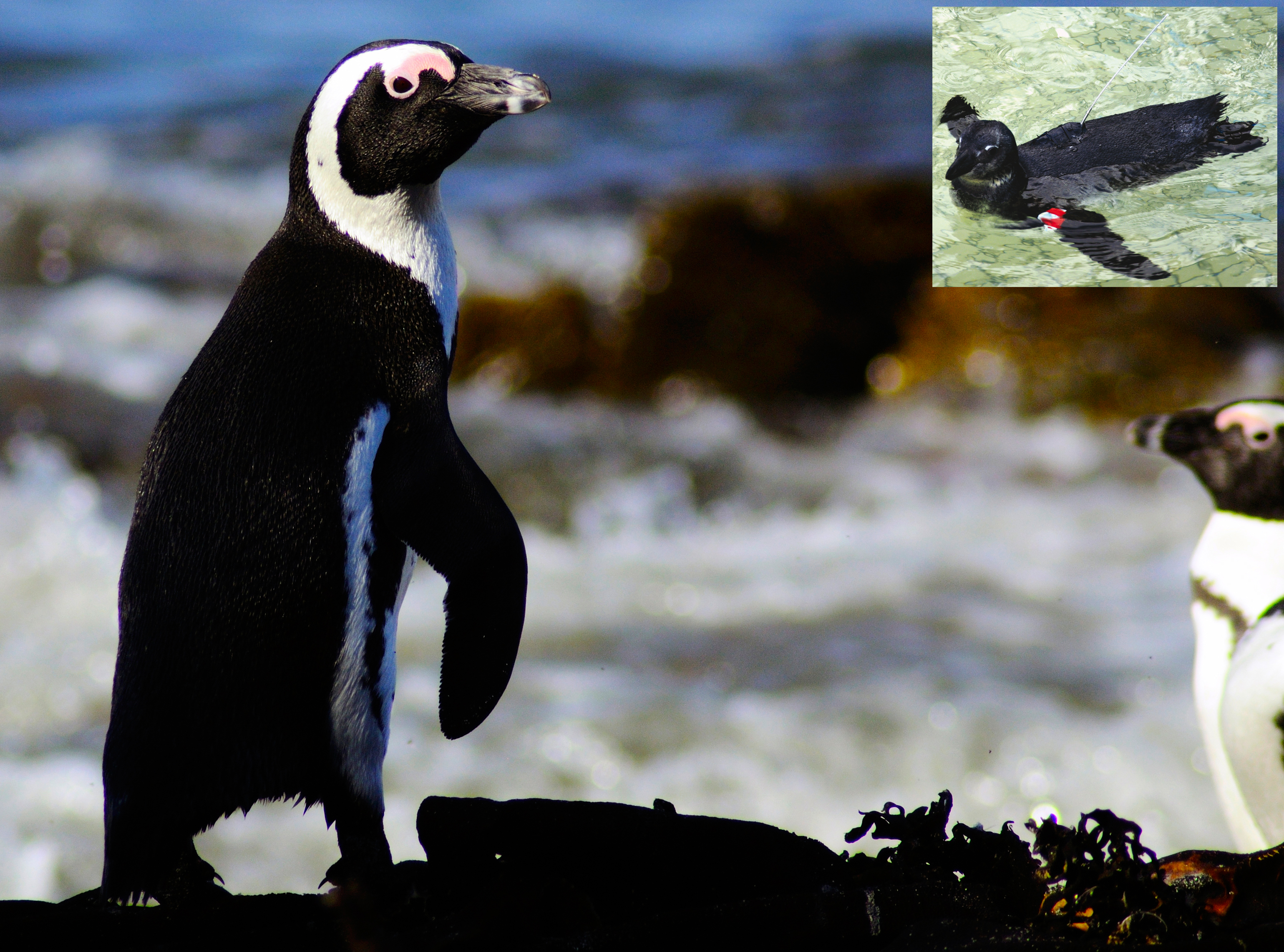
Adult of jackass penguin (Spheniscus demersus) from Robben Island (South Africa) — in the inset, one of the first juveniles released with a satellite transmitter on its back. The species is ‘Endangered’ under IUCN’s criteria (28), following a recent halving of the total population currently estimated at ~ 80,000 adults. Jackass penguins are the only penguins living in Africa, and owe their common name to their vocalisations (you can hear their braying sounds here); adults are ~ 50 cm tall and weigh ~ 3 kg. Photos courtesy of Richard Sherley.

Surface temperature, dissolved oxygen, acidity and primary productivity are, by and large, the top four environmental factors driving the functionality of marine ecosystems (1). Growing scientific evidence supports the idea that anthropogenic warming of the atmosphere and the oceans correlates with this quartet (2). For instance, marine primary productivity is enhanced by increased temperatures (3), but a warmer sea surface intensifies stratification, i.e., stacked layers of seawater with contrasting physical and chemical properties.

In coastal areas experiencing ‘upwelling’ (where winds displace surface water, allowing deep water laden with nutrients to reach the euphotic zone where plankton communities feast), stratification weakens upwelling currents and, in turn, limits the growth of plankton (4) that fuels the entire trophic web, including our fisheries. The study of these complex trophic cascades is particularly cumbersome from the perspective of large marine predators because of their capacity to move long distances, from hundreds to thousands of kilometres (5), with strong implications for their conservation (6).

With those caveats in mind, Richard Sherley and colleagues satellite-tracked the movement of 54 post-fledged, juvenile jackass penguins (Spheniscus demersus) for 2-3 years (7). All individuals had been hatched in eight colonies (accounting for 80% of the global population), and were equipped with platform terminal transmitters. Jackass penguins currently nest in 28 island and mainland locations between South Africa and Namibia. Juveniles swim up to 2000 km in search of food and, when approaching adulthood, return to their native colonies where they reproduce and reside for the remainder of their lives (watch individuals swimming here).

The natural history of this species is linked to the Southern Hemisphere’s trade winds (‘alisios’ for Spanish speakers), which blow from the southeast to the tropics. In the South Atlantic, trade winds sustain the Benguela Current, the waters of which surface from some 300 m of depth and fertilise the marine ecosystems stretching from the Western coasts of South Africa to Angola (8). Read the rest of this entry »


Our global system-of-systems

28 02 2018

Complex-systems

I’ve just read an excellent paper that succinctly, eloquently, and wisely summarised the current predicament of our highly interconnected, global, complex adaptive system (i.e., our environment).

If you are new to the discussions around state shifts, hysteresis, tipping points, and system collapse, there might be a lot in the new paper by Philip Garnett of the University of York that you could find intimidating (and not just because of the complexity of the concepts he discusses). If you are more up-to-date on these discussions, I highly recommend reading this paper for distilling some of the more pertinent questions.

The essence of the paper is that our global environment (Earth) is one giant, complex system made up of interacting sub-systems. We can think of these as a giant, interconnected network of nodes and connections (often called ‘edges’) between them. If you do ecological network theory, then you know what I’m talking about.

What’s particularly fascinating to me is that Philip Garnett is not an environmental scientist; in fact, he’s a a lecturer in Operations Management and Business Analytics (although he does have a background in genetics and biology) who specialises in complex systems theory. In fact, much of his paper uses socio-economic examples of system complexity and collapse, yet the applications to environmentalism in general, and to ecological integrity in particular, are spot on.

Read the rest of this entry »


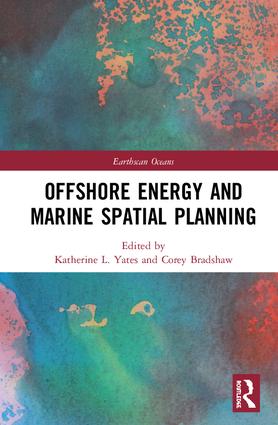
Offshore Energy & Marine Spatial Planning

22 02 2018

FishingOffshoreWind

I have the pleasure (and relief) of announcing a new book that’s nearly ready to buy, and I think many readers of CB.com might be interested in what it describes. I know it might be a bit premature to announce it, but given that we’ve just finished the last few details (e.g., and index) and the book is ready to pre-order online, I don’t think it’s too precocious to advertise now.

9781138954533-2

A little history is in order. The brilliant and hard-working Katherine Yates (now at the University of Salford in Manchester, UK) approached me back in 2014 to assist her with co-editing the volume that she wanted to propose for the Routledge Earthscan Ocean series. I admit that I reluctantly agreed at the time, knowing full well what was in store (anyone who has already edited a book will know what I mean). Being an active researcher in energy and biodiversity (perhaps not so much on the ‘planning’ side per se) certainly helped in my decision.

And yes, there were ups and downs, and sometimes it was a helluva lot of work, but Katherine certainly made my life easier, and she has finally driven the whole thing to completion. She deserves most of the credit.

Read the rest of this entry »


Bring it back

13 02 2018

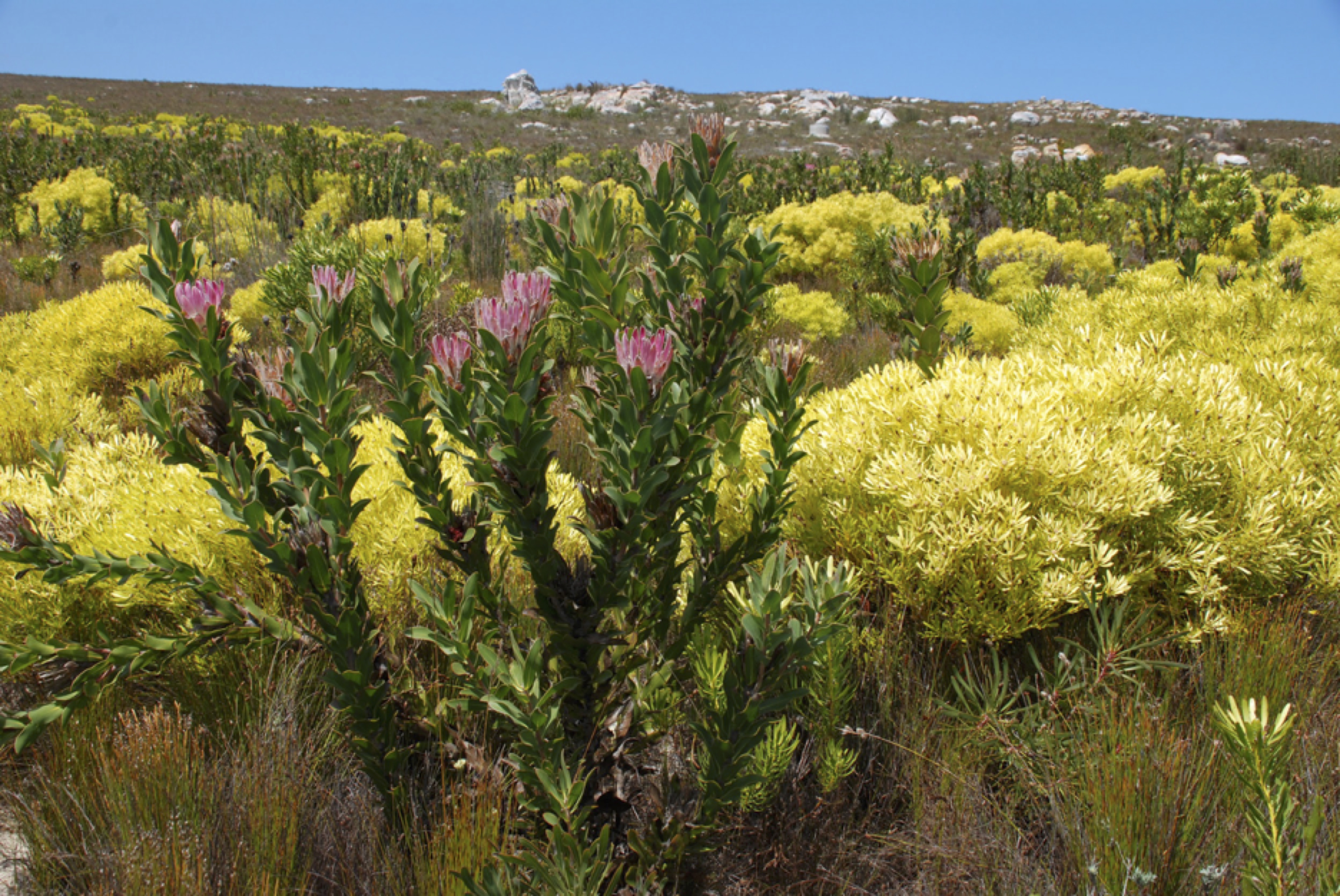
fynbos

Protea compacta in fynbos, a form of shrubland at Soetanysberg, South Africa. Photo: Brian van Wilgen

Restoration of lost habitats and ecosystems hits all the right notes — conservation optimism, a can-do attitude, and the excitement of seeing biologically impoverished areas teem with life once more.

The Strategic Plan of the Convention on Biological Diversity includes a target to restore at least 15% of degraded ecosystems. This is being enthusiastically taken up in many places, including through initiatives such as the Bonn Challenge, a global aspiration to restore 350 million hectares of deforested and degraded land by 2030. This is in recognition of the importance of healthy ecosystems in not just conserving biodiversity, but also in combating climate change. Peatlands and forests lock away carbon, while grassland diversity stabilises ecosystem productivity during extreme weather events. So how can we make sure that these restoration efforts are as effective as possible? Read the rest of this entry »


Influential conservation ecology papers of 2017

27 12 2017

Gannet Shallow Diving 03
As I have done for the last four years (20162015, 2014, 2013), here’s another retrospective list of the top 20 influential conservation papers of 2017 as assessed by experts in F1000 Prime.

Read the rest of this entry »


Tiny, symbiotic organisms protect corals from predation and disease

20 12 2017

hydrozoan polyp

Hydrozoan polyps living on the surface of a coral (photo credit: S. Montano)

Corals could have some unexpected allies to cope with the multi-faceted threats posed by climate change.

In a new study published today in Proceedings of the Royal Society B, Montano and colleagues show how tiny hydrozoans smaller than 1 mm and commonly found in dense colonies on the surface of hard corals (see above photo) play an important ecological role.

Visually examining ~ 2500 coral colonies in both Maldivian and Saudi Arabian reefs, the scientists searched for signs of predation, temperature-induced stress, and disease. For each colony, they also recorded the presence of symbiotic hydrozoans. They demonstrated that corals living in association with hydrozoans are much less prone to be eaten by corallivorous (i.e., ‘coral-eating’) fish and gastropods than hydrozoan-free corals.

A likely explanation for this pattern could be the deterring action of hydrozoan nematocysts (cells capable of ejecting a venomous organelle, which are the same kinds found in jellyfish tentacles). An individual hydrozoan polyp of less than 1 mm clearly cannot cope with a corallivorous fish that is a billions of times larger, yet hydrozoans can grow at high densities on the surface of corals (sometimes > 50 individuals per cm2). This creates a sort of a continuous, ‘urticating‘ carpet that can discourage fish from foraging. Read the rest of this entry »


Microclimates: thermal shields against global warming for small herps

22 11 2017

Thermal microhabitats are often uncoupled from above-ground air temperatures. A study focused on small frogs and lizards from the Philippines demonstrates that the structural complexity of tropical forests hosts a diversity of microhabitats that can reduce the exposure of many cold-blooded animals to anthropogenic climate warming.

Luzon forest frogs

Reproductive pair of the Luzon forest frogs Platymantis luzonensis (upper left), a IUCN near-threatened species restricted to < 5000 km2 of habitat. Lower left: the yellow-stripped slender tree lizard Lipinia pulchella, a IUCN least-concerned species. Both species have body lengths < 6 cm, and are native to the tropical forests of the Philippines. Right panels, top to bottom: four microhabitats monitored by Scheffers et al. (2), namely ground vegetation, bird’s nest ferns, phytotelmata, and fallen leaves above ground level. Photos courtesy of Becca Brunner (Platymantis), Gernot Kunz (Lipinia), Stephen Zozaya (ground vegetation) and Brett Scheffers (remaining habitats).

If you have ever entered a cave or an old church, you will be familiar with its coolness even in the dog days of summer. At much finer scales, from centimetres to millimetres, this ‘cooling effect’ occurs in complex ecosystems such as those embodied by tropical forests. The fact is that the life cycle of many plant and animal species depends on the network of microhabitats (e.g., small crevices, burrows, holes) interwoven by vegetation structures, such as the leaves and roots of an orchid epiphyte hanging from a tree branch or the umbrella of leaves and branches of a thick bush.

Much modern biogeographical research addressing the effects of climate change on biodiversity is based on macroclimatic data of temperature and precipitation. Such approaches mostly ignore that microhabitats can warm up or cool down in a fashion different from that of local or regional climates, and so determine how species, particularly ectotherms, thermoregulate (1). To illustrate this phenomenon, Brett Scheffers et al. (2) measured the upper thermal limits (typically known as ‘critical thermal maxima’ or CTmax) of 15 species of frogs and lizards native to the tropical forest of Mount Banahaw, an active volcano on Luzon (The Philippines). The > 7000 islands of this archipelago harbour > 300 species of amphibians and reptiles (see video here), with > 100 occurring in Luzon (3).

Read the rest of this entry »