Incentivise to keep primary forests intact

7 02 2014

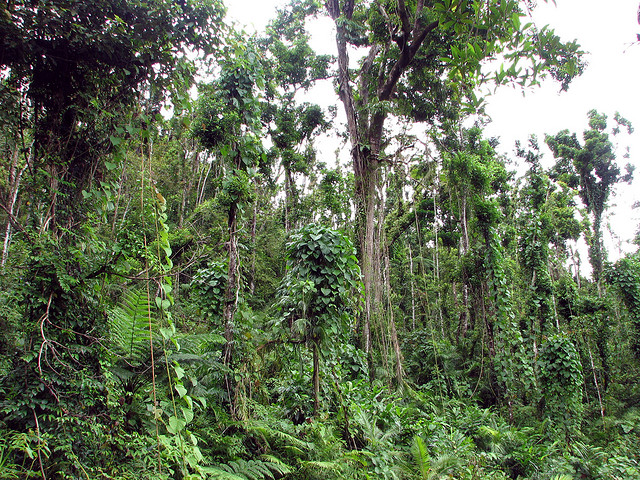
The Amazon rainforest. Photo by Rhett A. Butler

I know – ‘incentivise’ is one of those terrible wank words of business speak. But to be heard by the economically driven, one must learn their guttural and insensitive language. I digress …

Today’s post is merely a repost of an interview I did for the new Mongabay.com series ‘Next Big Idea in Forest Conservation‘. I’m honoured to have been selected for an interview along with the likes of Bill Laurance and Stuart Pimm.

Consider this my conservation selfie.

An Interview with Corey Bradshaw

Mongabay.com: What is your background?

Corey Bradshaw: I have a rather eclectic background in conservation ecology. I grew up in the wilds of western Canada, the son of a trapper. My childhood experiences initially gave me a primarily consumptive view of the environment from trapping, fishing and hunting, but I learned that without intact environmental functions, these precious resources quickly degrade or disappear. This ironic appreciation of natural processes would later lead me into academia and the pursuit of reducing the rate of the extinction crisis.

I completed my first degrees in ecology in Montréal and the University of Alberta, followed by a PhD in New Zealand at the University of Otago. After deciding to pursue the rest of my career in the Southern Hemisphere, I completed my postdoctoral fellowship at the University of Tasmania. Multiple field seasons in the subantarctic and Antarctica probably assisted in a giving me a burgeoning desire to change gears, so I left for the tropics of northern Australia to begin a position at Charles Darwin University. Being introduced there to conservation greats like Navjot Sodhi (sadly, now deceased), Barry Brook and David Bowman turned my research interests on their ear. I quickly became enamoured with quantitative conservation ecology, applying my skills in mathematics to the plight of the world’s ecosystems. Nowhere did the problems seem more intractable than in the tropics.

I am now based at the University of Adelaide (since 2008) and have a vibrant research lab where we apply our quantitative skills to everything from conservation ecology, climate change, energy provision, human population trends, ecosystem services, sustainable agriculture, human health, palaeoecology, carbon-based conservation initiatives and restoration techniques.

Mongabay.com: How long have you worked in tropical forest conservation and in what geographies? What is the focus of your work? Read the rest of this entry »


Terrestrial biodiversity’s only chance is avoided deforestation

24 01 2014

farming forestsToday I was shocked, stunned and pleasantly (for a change) surprised. Australia has its first ‘avoided deforestation’ carbon farming project.

It is understandable that this sort of news doesn’t make the Jane & Joe Bloggs of the world stand up and cheer, but it should make conservation biologists jump for bloody joy.

So why exactly am I so excited about the setting aside of a mere 9000 ha (90 km2, or 10 × 9 km) of semi-arid scrub in western New South Wales? It’s simple – nothing can replace the biodiversity or carbon value of primary forest. In other words, forest restoration – while laudable and needed – can never achieve what existing forest already does. We know now from various parts of the world that biodiversity is nearly always much higher in primary forest, and that the carbon structure of the forest (especially below-ground carbon) can take centuries to recover.

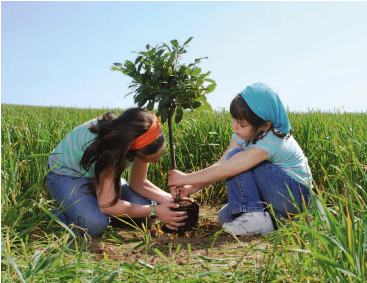
Another problem with restoration – and if you’ve ever been involved in any tree planting yourself, you’ll know what I mean – is that it’s incredibly expensive, time-consuming and slow. Wouldn’t it make more financial sense just to save forests instead of trying to rebuild them?

Of course it is, so the logical conclusion from a conservation perspective is to save primary forest first, then worry about restoration next. The problem is, there are few, if any, financial incentives for keeping forests standing in the private sector. The stumbling rise of the carbon economy is a potential resolution to this problem, although neither the Kyoto Protocol nor most national carbon-trading schemes adequately account for the carbon value of existing forests.

Up until today, even Australia didn’t have any examples.

Read the rest of this entry »


Essential role of carnivores on the wane

10 01 2014
© Luca Galuzzi www.galuzzi.it

© Luca Galuzzi http://www.galuzzi.it

This interesting review has just come out in Science, and because I was given a heads-up about it, I decided to do a F1000 recommendation. That’s more or less what follows, with some additional thoughts.

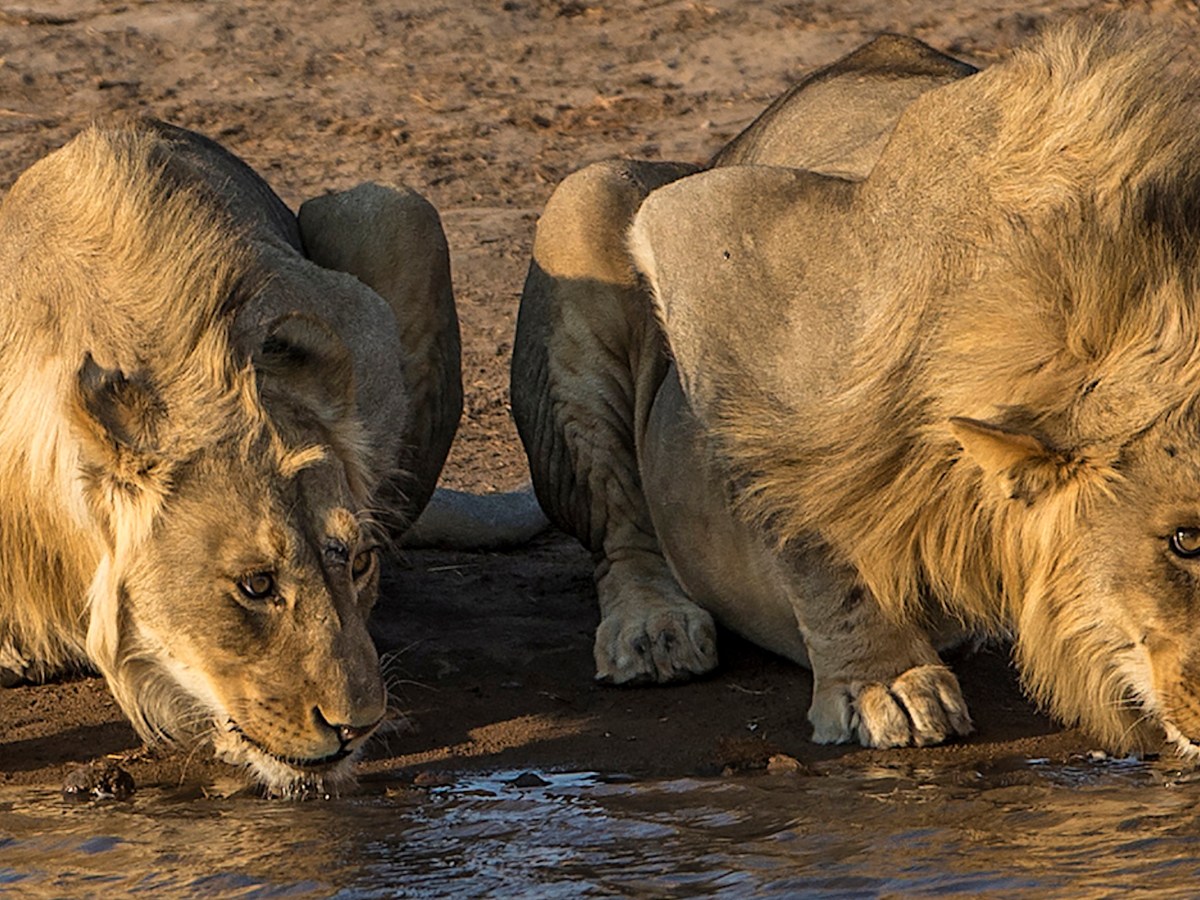
Ripple and colleagues can perhaps be excused for stating what might appear to many ‘in the biz’ to be blatantly obvious, but their in-depth review of the status of the world’s carnivores is a comprehensive overview of this essential guild’s worldwide plight. It not only represents an excellent teaching tool, the review elegantly summarises the current status of these essential ecosystem engineers.

The world’s 245 terrestrial carnivores might seem to be ecologically redundant to the informed given their natural rarity, low densities and cryptic behaviour, but nothing could be farther from the truth. Ecologists have only within the last decade or so revealed the essential ecosystem functions of these species (see former posts on CB.com here, here and here). The review focuses on the largest and most well-studied species, but the trends likely apply across most of the order. Read the rest of this entry »


Biowealth: all creatures great and small

4 12 2013

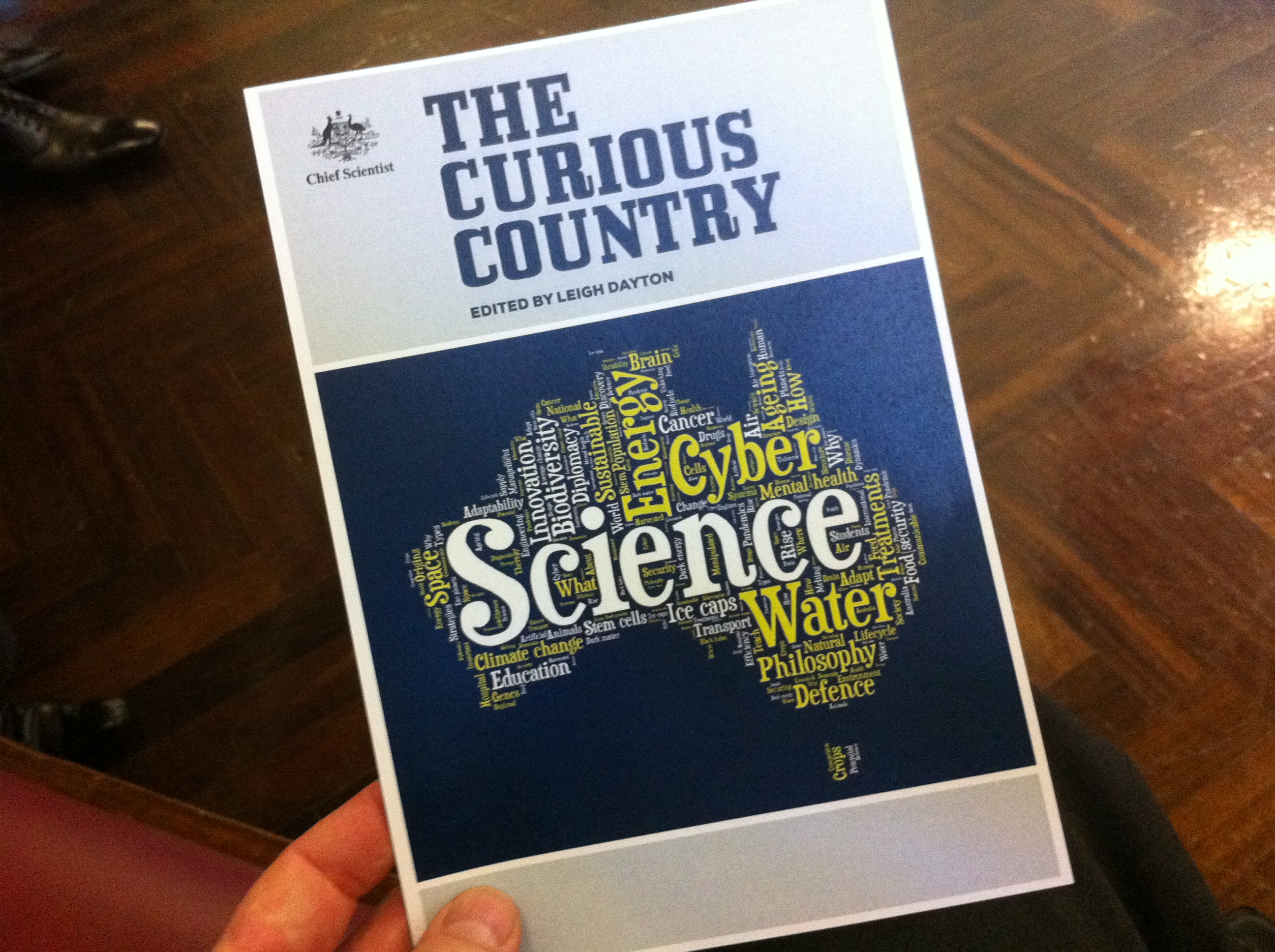
Curious Country flyer“So consider the crocodiles, sharks and snakes, the small and the squirmy, the smelly, slimy and scaly. Consider the fanged and the hairy, the ugly and the cute alike. The more we degrade this astonishing diversity of evolved life and all its interactions on our only home, the more we expose ourselves to the ravages of a universe that is inherently hostile to life.”

excerpt from ‘Biowealth: all creatures great and small’ The Curious Country (C.J.A. Bradshaw 2013).

I’ve spent the last few days on the east coast with my science partner-in-crime, Barry Brook, and one of our newest research associates (Marta Rodrigues-Rey Gomez). We first flew into Sydney at sparrow’s on Monday, then drove a hire car down to The ‘Gong to follow up on some Australian megafauna databasing & writing with Bert Roberts & Zenobia Jacobs. On Tuesday morning we then flitted over to Canberra where we had the opportunity to attend the official launch of a new book that Barry and I had co-authored.

The book, The Curious Country, is an interesting experiment in science communication and teaching dreamed up by Australia’s Chief Scientist, Professor Ian Chubb. Realising that the average Aussie has quite a few questions about ‘how stuff works’, but has little idea how to answer those questions, Ian engaged former Quantum star and science editor, Leigh Dayton, to put together a short, punchy, topical and easily understood book about why science is good for the country.

Yes, intuitive for most of you out there reading this, but science appreciation isn’t always as high as it should be amongst the so-called ‘general public’. Ian thought this might be one way to get more people engaged.

When honoured with the request to write an interesting chapter on biodiversity for the book, I naturally accepted. It turns out Barry was asked to do one on energy provision at the same time (but we didn’t know we had both been asked at the time). Our former lab head, Professor David Bowman, was also asked to write a chapter about fire risk, so it was like a mini-reunion yesterday for the three of us.

Read the rest of this entry »


King for a day – what conservation policies would you make?

29 11 2013

CrownI have been thinking a lot lately about poor governance and bad choices when it comes to biodiversity conservation policy. Perhaps its all that latent anger arising from blinkered, backward policies recently implemented by conservative state and national governments in Australia and elsewhere that leads me to contemplate: What would I do if I had the power to change policy?

While I am certain I have neither the experience or complete knowledge to balance national budgets, ensure prosperity and maintain the health of an entire country, I do have some ideas about what we’re doing wrong conservation-wise, and how we could potentially fix things. This is not meant to be an exhaustive list – it is more a discussion point where people can suggest their own ideas.

So here are 16 things I’d change or implement (mainly in Australia) if I were king for a day:

Read the rest of this entry »


Quantity, but not quality – slow recovery of disturbed tropical forests

8 11 2013

tropical regrowthIt is a sobering statistic that most of the world’s tropical forests are not ‘primary’ – that is, those that have not suffered some alteration or disturbance from humans (previously logged, cleared for agriculture, burned, etc.).

Today I highlight a really cool paper that confirms this, plus adds some juicy (and disturbing – pun intended – detail). The paper by Phil Martin and colleagues just published in Proceedings of the Royal Society B came to my attention through various channels – not least of which was their citation of one of our previous papers ;-), as well as a blog post by Phil himself. I was so impressed with it that I made my first Faculty of 1000 Prime recommendation1 of the paper (which should appear shortly).

As we did in 2011 (to which Phil refers as our “soon-to-be-classic work” – thanks!), Martin and colleagues amassed a stunning number of papers investigating the species composition of disturbed and primary forests from around the tropics. Using meta-analysis, they matched disturbed and undisturbed sites, recording the following statistics: Read the rest of this entry »


Too small to avoid catastrophic biodiversity meltdown

27 09 2013
Chiew Larn

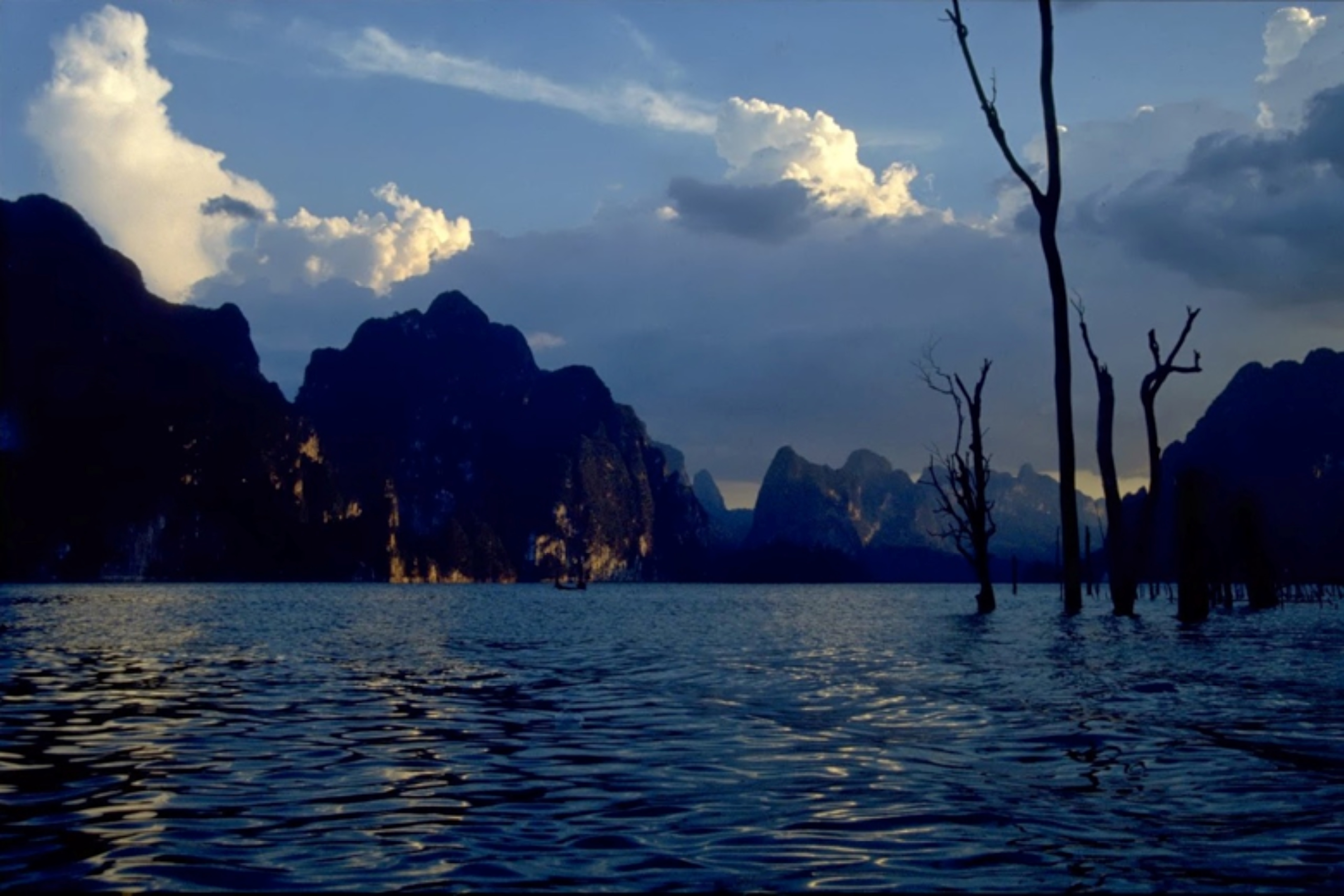
Chiew Larn Reservoir is surrounded by Khlong Saeng Wildlife Sanctuary and Khao Sok National Park, which together make up part of the largest block of rainforest habitat in southern Thailand (> 3500 km2). Photo: Antony Lynam

One of the perennial and probably most controversial topics in conservation ecology is when is something “too small’. By ‘something’ I mean many things, including population abundance and patch size. We’ve certainly written about the former on many occasions (see here, here, here and here for our work on minimum viable population size), with the associated controversy it elicited.

Now I (sadly) report on the tragedy of the second issue – when is a habitat fragment too small to be of much good to biodiversity?

Published today in the journal Science, Luke Gibson (of No substitute for primary forest fame) and a group of us report disturbing results about the ecological meltdown that has occurred on islands created when the Chiew Larn Reservoir of southern Thailand was flooded nearly 30 years ago by a hydroelectric dam.

As is the case in many parts of the world (e.g., Three Gorges Dam, China), hydroelectric dams can cause major ecological problems merely by flooding vast areas. In the case of Charn Liew, co-author Tony Lynam of Wildlife Conservation Society passed along to me a bit of poignant and emotive history about the local struggle to prevent the disaster.

“As the waters behind the dam were rising in 1987, Seub Nakasathien, the Superintendent of the Khlong Saeng Wildlife Sanctuary, his staff and conservationist friends, mounted an operation to capture and release animals that were caught in the flood waters.

It turned out to be distressing experience for all involved as you can see from the clips here, with the rescuers having only nets and longtail boats, and many animals dying. Ultimately most of the larger mammals disappeared quickly from the islands, leaving just the smaller fauna.

Later Seub moved to Huai Kha Khaeng Wildlife Sanctuary and fought an unsuccessful battle with poachers and loggers, which ended in him taking his own life in despair in 1990. A sad story, and his friend, a famous folk singer called Aed Carabao, wrote a song about Seub, the music of which plays in the video. Read the rest of this entry »



Conservation: So easy a child could do it

13 09 2013

child's playI don’t like to talk about my family online. Call me paranoid, but there are a lot of crazy people out there who don’t like what scientists like me are saying (bugger the evidence). Yes, like many climate scientists, I’ve also been threatened. That’s why my personal life remains anonymous except for a select group of people.

But I’ve mentioned my daughter before on this blog, and despite a few people insinuating that I am a bad parent because of what I said, I am happy that I made the point that climate change is a scary concept of which our children must at least be cognisant.

My daughter’s story today is a little less confronting, but equally enlightening. It’s also a little embarrassing as a scientist who has dedicated my entire research career to the discipline of conservation biology.

As a normal six year-old without the ability to refrain from talking – even for a moment – I hear a lot of stories. Many of them are of course fantastical and ridiculous, but those are just part of a healthy, imaginative childhood (I am proud to say though that she is quite clear about the non-existence of fictitious entities like faeries, easter bunnies and gods).

Every once in a while, however, there are snippets of wisdom that ooze out from the cracks in the dross. In the last few months, my daughter has independently and with no prompting from me come up with two pillars of conservation science: (i) protected areas and (ii) biodiversity corridors. Read the rest of this entry »


MPs’ ignorance puts national parks in peril

30 08 2013

greedyLed by Bill Laurance, our latest opinion editorial in the Higher Education supplement. Interestingly, it has already spawned a bilious and spittle-flecked response by Queensland’s Acting National Parks Minister, Tim Mander. Given the evidence, who’s side do you take? I’m happy that at least one of the worst culprit state governments is at least now paying some attention to the issue.

LAST week the world was appalled when Ecuador decided to open up one of its iconic national parks for petroleum development, with Leonardo di Caprio being among the chorus of dissenting voices. Yet the world should be even more disappointed in Australia, a far wealthier nation whose parks could be facing even worse threats.

Why is Australia going down this reckless path? It’s all down to the state governments – especially in Victoria, Queensland and NSW.

For the conservative politicians currently holding sway in these States, it seems it’s time to generate some quick cash while cutting park budgets – and never mind the impact on Australia’s imperilled ecosystems and biodiversity.

In Victoria, for instance, land developers are now being allowed to build hotels and other ventures in national parks. In NSW, recreational shooting and possibly logging will be allowed in parks if new legislation is passed. In NSW’s marine parks, bans on shore-based recreational fishing are being lifted [see previous post here].

Other parks in NSW and Queensland are being opened up to livestock grazing. In Morrinya National Park in Queensland, a strip of forest 20 km long was recently cleared for fencing, with new stock-watering tanks being established throughout the park. Read the rest of this entry »


Biogeography comes of age

22 08 2013

penguin biogeographyThis week has been all about biogeography for me. While I wouldn’t call myself a ‘biogeographer’, I certainly do apply a lot of the discipline’s techniques.

This week I’m attending the 2013 Association of Ecology’s (INTECOL) and British Ecological Society’s joint Congress of Ecology in London, and I have purposefully sought out more of the biogeographical talks than pretty much anything else because the speakers were engaging and the topics fascinating. As it happens, even my own presentation had a strong biogeographical flavour this year.

Although the species-area relationship (SAR) is only one small aspect of biogeography, I’ve been slightly amazed that after more than 50 years since MacArthur & Wilson’s famous book, our discipline is still obsessed with SAR.

I’ve blogged about SAR issues before – what makes it so engaging and controversial is that SAR is the principal tool to estimate overall extinction rates, even though it is perhaps one of the bluntest tools in the ecological toolbox. I suppose its popularity stems from its superficial simplicity – as the area of an (classically oceanic) island increases, so too does the total number of species it can hold. The controversies surrounding such as basic relationship centre on describing the rate of that species richness increase with area – in other words, just how nonlinear the SAR itself is.

Even a cursory understanding of maths reveals the importance of estimating this curve correctly. As the area of an ‘island’ (habitat fragment) decreases due to human disturbance, estimating how many species end up going extinct as a result depends entirely on the shape of the SAR. Get the SAR wrong, and you can over- or under-estimate the extinction rate. This was the crux of the palaver over Fangliang He (not attending INTECOL) & Stephen Hubbell’s (attending INTECOL) paper in Nature in 2011.

The first real engagement of SAR happened with John Harte’s maximum entropy talk in the process macroecology session on Tuesday. What was notable to me was his adamant claim that the power-law form of SAR should never be used, despite its commonness in the literature. I took this with a grain of salt because I know all about how messy area-richness data can be, and why one needs to consider alternate models (see an example here). But then yesterday I listened to one of the greats of biogeography – Robert Whittaker – who said pretty much the complete opposite of Harte’s contention. Whittaker showed results from one of his papers last year that the power law was in fact the most commonly supported SAR among many datasets (granted, there was substantial variability in overall model performance). My conclusion remains firm – make sure you use multiple models for each individual dataset and try to infer the SAR from model-averaging. Read the rest of this entry »


Shrinking global range projected for the world’s largest fish

7 08 2013
© W. Osborn (AIMS)

© W. Osborn (AIMS)

My recently finished PhD student, Ana Sequeira, has not only just had a superb paper just accepted in Global Change Biology, she’s recently been offered (and accepted) a postdoctoral position based at the University of Western Australia‘s Oceans Institute (in partnership with AIMS and CSIRO). As any supervisor, I’m certainly pleased when a student completes her PhD, but my pride as an academic papa truly soars when she gets her first job. Well done, Ana. This post by Ana is about her latest paper.

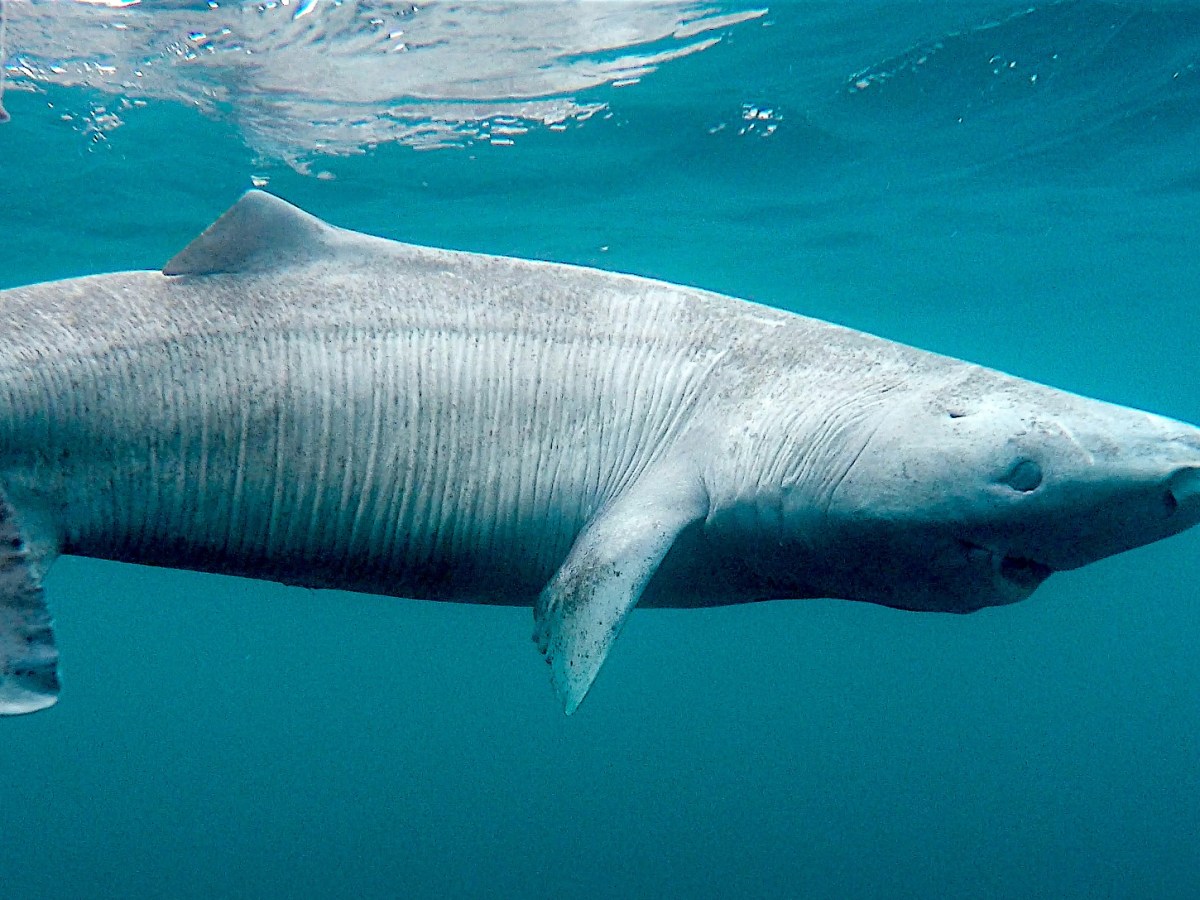
Following our previous whale shark work (see herehereherehere, here, here and here), especially the recent review where we inferred global connectivity and suggest possible pathways for their migration, we have now gone a step further and modelled the habitat suitability for the species at at global scale. This paper sets a nice scene regarding current habitat suitability, which also demonstrates the potential connectivity pathways we hypothesised previously. But the paper goes much further; we extend our predictions to a future scenario for 2070 when water temperatures are expected to increase on average by 2 °C.

Sequeira et al_GCB_Figure 3

Global predictions of current seasonal habitat suitability for whale sharks. Black triangles indicate known aggregation locations. Solid line delineates areas where habitat suitability > 0.1 was predicted.

Regarding the current range of whale sharks (i.e., its currently suitable habitat), we already know that whale sharks span latitudes between about 35 º North to South. We also know that this geographical range has been exceeded on several occasions. What we did not know was whether conditions were suitable enough for whale sharks to cross from the Indian Ocean to the Atlantic Ocean – in other words, whether they could travel between ocean basins south of South Africa. Our global model results demonstrate that suitable habitat in this region does exist at least during the summer, thus supporting our hypotheses regarding global connectivity!

It’s true that the extensive dataset we used (30 years’ worth of whale shark sightings collected by tuna purse seiners in the three major oceans – data provided by the IRD, IOTC and SPC) has many caveats (as do all opportunistically collected data), but we went to great trouble to deal with them in this paper (you can request a copy here or access it directly here). And the overall result: the current global habitat suitability for whale sharks does agree well with current locations of whale shark occurrence, with the exception of the Eastern Pacific for where we did not have enough data to validate. Read the rest of this entry »


Relaxed laws imperil Australian wildlife

28 06 2013
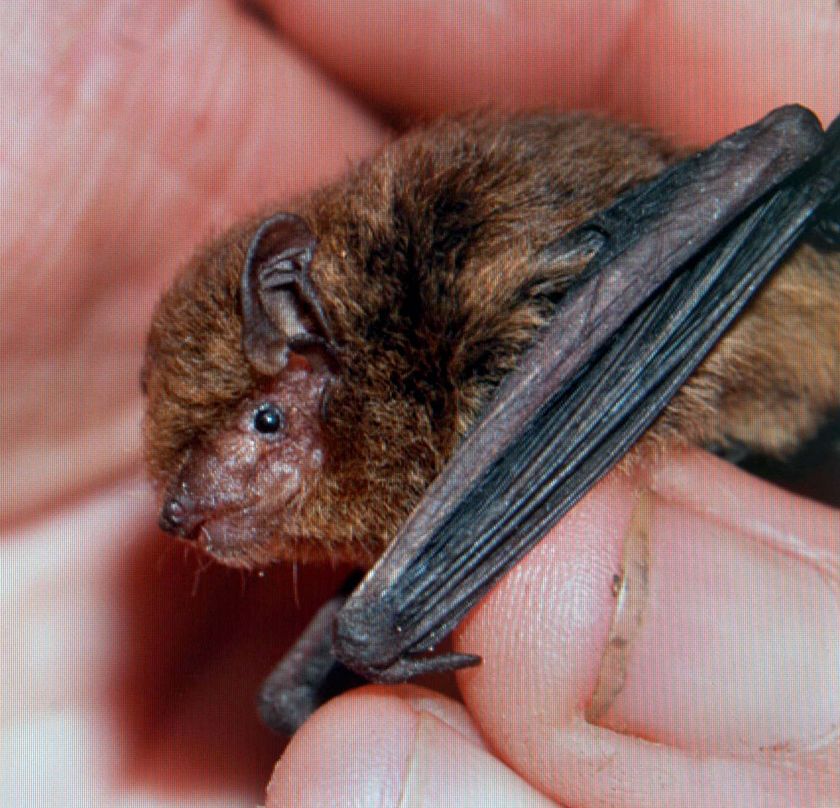
Christmas Island pipistrelle bat (Pipistrellus murrayi). © M. Schultz

Christmas Island pipistrelle bat (Pipistrellus murrayi). © M. Schultz

On the continuing theme of the demise of laws designed to protect Australian biodiversity (see here, here and here), I’m reproducing our latest Nature Correspondence on the issue. I know this might be slightly dodgy to do so, but given that it’s only a Correspondence, I don’t think I’ll get in too much trouble. Besides, it’s too important an issue to hide away behind paywalls.

Policy and legislative changes by Australia’s state governments are eroding the vital protection of the country’s unique biodiversity.

Reserves are being opened up to ecologically disruptive activities, such as grazing by domestic livestock, logging, mining, recreational hunting and fishing, and commercial development. Protected habitats on private and leasehold land are imperilled too. Queensland and Victoria, for example, are relaxing hard-won laws that limit vegetation clearance on private land, further accelerating the loss of regional biodiversity.

Collectively, these actions increase the pressure on biodiversity conservation in protected areas, many of which are already showing biodiversity loss (for example, the Kakadu National Park in northern Australia). Ecological connectivity is being lost, which will hamper the dispersal of species and their ability to respond to climate-change effects. Read the rest of this entry »


Australia’s national parks aren’t ‘national’ at all

14 06 2013

Yarra-Ranges-National-Park-AustraliaFollowing our The Conversation article a few weeks ago about the rapid demise of national parks in Australia, a few of us (me, Euan Ritchie & Emma Johnston) wrote a follow-up piece on the Australia’s national park misnomer (published simultaneously on The Conversation).

Australia boasts over 500 national parks covering 28 million hectares of land, or about 3.6% of Australia. You could be forgiven for thinking we’re doing well in the biodiversity-conservation game.

But did you know that of those more than 500 national parks, only six are managed by the Commonwealth Government? For marine parks, it’s a little more: 61 of the 130-plus are managed primarily by the Commonwealth. This means that the majority of our important biodiversity refuges are managed exclusively by state and territory governments. In other words, our national parks aren’t “national” at all.

In a world of perfect governance, this wouldn’t matter. But we’re seeing the rapid “relaxation” of laws designed to protect our “national” and marine parks by many state governments. Would making all of them truly national do more to conserve biodiversity?

One silly decision resulting in a major ecosystem disturbance in a national park can take decades if not hundreds of years to heal. Ecosystems are complex interactions of millions of species that take a long time to evolve – they cannot be easily repaired once the damage is done.

Almost overnight, Queensland, New South Wales and Victoria have rolled back nearly two centuries of park protection. What’s surprising here is that many of our conservation gains in the last few decades (for example, the Natural Heritage Trust, the National Reserve System, the Environment Protection and Biodiversity Conservation Act and a national marine reserve network) originated from Coalition policies. Read the rest of this entry »


Our national parks must be more than playgrounds or paddocks

24 05 2013

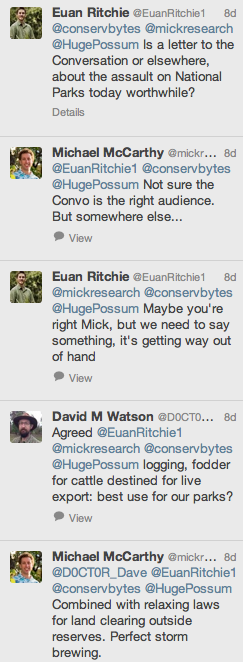
Convo TweetsIt’s interesting when a semi-random tweet by a colleague ends up mobilising a small army of scientists to get pissed off enough to co-write an article. Euan Ritchie of Deakin University started it off, and quickly recruited me, Mick McCarthy, David Watson, Ian Lunt, Hugh Possingham, Bill Laurance and Emma Johnston to put together the article. It’s a hugely important topic, so I hope it generates a lot of discussion and finally, some bloody action to stop the rapid destruction of this country’s national parks system.

Note: Published simultaneously on The Conversation.

It’s make or break time for Australia’s national parks.

National parks on land and in the ocean are dying a death of a thousand cuts, in the form of bullets, hooks, hotels, logging concessions and grazing licences. It’s been an extraordinary last few months, with various governments in eastern states proposing new uses for these critically important areas.

Australia’s first “National Park”, established in 1879, was akin to a glorified country club. Now called the “Royal National Park” on the outskirts of Sydney, it was created as a recreational escape for Sydney-siders, with ornamental plantations, a zoo, race courses, artillery ranges, livestock paddocks, deer farms, logging leases and mines.

Australians since realised that national parks should focus on protecting the species and natural landscapes they contain. However, we are now in danger of regressing to the misguided ideals of the 19th Century.

Parks under attack

In Victoria, new rules will allow developers to build hotels and other ventures in national parks. In New South Wales, legislation has been introduced to allow recreational shooting in national parks, and there is pressure to log these areas too. Read the rest of this entry »


A carbon economy can help save our species too

20 05 2013

money treeWe sent out this media release the other day, but it had pretty poor pick-up (are people sick of the carbon price wars?). Anyway, I thought it prudent to reprint here on CB.com.

Will Australia’s biodiversity benefit from the new carbon economy designed to reduce greenhouse gas emissions? Or will bio-‘perversities’ win the day?

“Cautious optimism” was the conclusion of Professor Corey Bradshaw, Director of Ecological Modelling at the University of Adelaide’s Environment Institute. He is lead author of a new paper published in the journal of Biological Conservation which reviewed the likely consequences of a carbon economy on conservation of Australian biodiversity.

“In most circumstances these two very important goals for Australia’s future – greenhouse gas emissions reduction and biodiversity conservation – are not mutually exclusive and could even boost each other,” Professor Bradshaw says.

“There are, however, many potential negative biodiversity outcomes if land management is not done with biodiversity in mind from the outset.”

The paper was contributed to by 30 Australian scientists from different backgrounds. They reviewed six areas where Australia’s Carbon Farming Initiative could have the greatest impact on biodiversity: environmental plantings; policies and practices to deal with native regrowth; fire management; agricultural practices; and feral animal control.

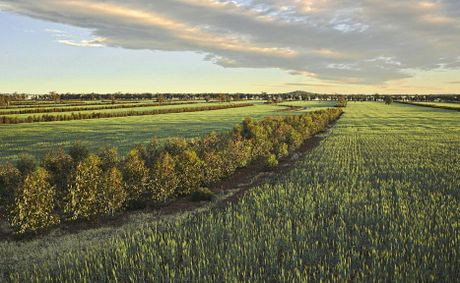
“The largest biodiversity ‘bang for our buck’ is likely to come from tree plantings,” says Professor Bradshaw. “But there are some potential and frightening ‘bioperversities’ as well. For example, we need to be careful not to plant just the fastest-growing, simplest and non-native species only to ‘farm’ carbon.

“Carbon plantings will only have real biodiversity value if they comprise appropriate native tree species and provide suitable habitats and resources for valued fauna. Such plantings could however risk severely altering local hydrology and reducing water availability.”

Professor Bradshaw says carefully managing regrowth of once-cleared areas could also produce a large carbon-sequestration and biodiversity benefit simultaneously. And carbon price-based modifications to agriculture that would benefit biodiversity included reductions in tillage frequency, livestock densities and fertiliser use, and retention and regeneration of native shrubs. Read the rest of this entry »


Help us restore a forest

12 04 2013

plantingI’m not usually one to promote conservation volunteer opportunities, but this is a little different. First, I’m involved in this one, and second, it’s very near to my home. As you might know, the Mount Lofty Ranges area has had about 90 % of its forests destroyed since European settlement, with a corresponding loss of ecosystem services. We need smart restoration on massive scale, and Monarto is one place where we can develop the best practices to achieve this goal. We really do need some help here, so I encourage anyone in the Adelaide area with an interest in evidence-based forest restoration to lend us a hand.

The Monarto Restoration Project will provide an internationally recognised opportunity to experience and engage with wild Australia as it was.

Our aim is restore and expand habitats at Monarto to represent what used to exist in the region before clearing for agriculture and the introduction of pest species. Monarto used to be teeming with wildlife. The remnant vegetation at Monarto is unique as it is located at the cross-over of two vegetation communities (the Mt Lofty Ranges and Murray Mallee). This means it provides important habitat for a range of threatened bird and plant species. However, there are still a number of species in danger of being lost from the area, so we need to focus on restoring habitat to support them too.

We provide an opportunity to see the bush in a way that is no longer possible in most parts of Australia. We hope to help you see what we have lost and encourage you to participate in conservation. It gives us the opportunity to include everyone in on-ground conservation work and pass on skills that can be applied beyond a day or this project. With your help we can reduce the impacts of pest species on the property and re-introduce some of the native species that are now locally extinct. Read the rest of this entry »


De-extinction is about as sensible as de-death

15 03 2013

Published simultaneously in The Conversation.


On Friday, March 15 in Washington DC, National Geographic and TEDx are hosting a day-long conference on species-revival science and ethics. In other words, they will be debating whether we can, and should, attempt to bring extinct animals back to life – a concept some call “de-extinction”.

The debate has an interesting line-up of ecologists, geneticists, palaeontologists (including Australia’s own Mike Archer), developmental biologists, journalists, lawyers, ethicists and even artists. I have no doubt it will be very entertaining.

But let’s not mistake entertainment for reality. It disappoints me, a conservation scientist, that this tired fantasy still manages to generate serious interest. I have little doubt what the ecologists at the debate will conclude.

Once again, it’s important to discuss the principal flaws in such proposals.

Put aside for the moment the astounding inefficiency, the lack of success to date and the welfare issues of bringing something into existence only to suffer a short and likely painful life. The principal reason we should not even consider the technology from a conservation perspective is that it does not address the real problem – mainly, the reason for extinction in the first place.

Even if we could solve all the other problems, if there is no place to put these new individuals, the effort and money expended is a complete waste. Habitat loss is the principal driver of species extinction and endangerment. If we don’t stop and reverse this now, all other avenues are effectively closed. Cloning will not create new forests or coral reefs, for example. Read the rest of this entry »


Brave new green world: biodiversity’s response to Australia’s carbon economy

12 03 2013

carbon farming 2I’ve had a busy weekend entertaining visiting colleagues and participating in WOMADelaide‘s first-ever ‘The Planet Talks‘. If you haven’t heard of WOMADelaide, you’re truly missing out in one of the best music festivals going (and this is from a decidedly non-festival-going sort). Planet Talks this year was a bit of an experiment after the only partially successful Earth Station festival held last year (it was well-attended, but apparently wasn’t as financially successful as they had hoped). So this year they mixed a bit of science with a bit of music – hence ‘Planet Talks’. Paul Ehrlich was one of the star attractions, and I had the honour of going onstage with him yesterday to discuss a little bit about human population growth and sustainability. It was also great to see Robyn Williams again. All the Talks were packed out – indeed, I was surprised they were so popular, especially in the 39-degree heat. Rob Brookman, WOMADelaide’s founder and principal organiser, told me afterward that they’d definitely be doing it again.

But my post really isn’t about WOMADelaide or The Planet Talks (even though I got the bonus of meeting one of my favourite latin bands, Novalima, creators of one of my favourite songs). It’s instead about a paper I heralded last year that’s finally been accepted.

In early 2012 at the Terrestrial Ecosystem Research Network (TERN) symposium in Adelaide, the Australian Centre for Ecological Analysis and Synthesis (ACEAS) put on what they called the ‘Grand Challenges’ workshop. I really didn’t get the joke at the time, but apparently the ‘grand challenge’ was locking 30 scientists with completely different backgrounds in a room for two days to see if they could do anything other than argue and bullshit. Well, we rose to that challenge and produced something that I think is rather useful.

I therefore proudly introduce the paper entitled Brave new green world: consequences of a carbon economy for the conservation of Australian biodiversity just accepted in Biological Conservation. The online version isn’t quite ready yet (should be in the next few weeks), but you are welcome to request a preprint from me now. If you attended (the surprisingly excellent) TERN symposium in Canberra last month, you might have seen me give a brief synopsis of our results.

The paper is a rather  in-depth review of how we, 30 fire, animal, plant, soil, landscape, agricultural and freshwater biologists, believe Australia’s new carbon-influenced economy (i.e., carbon price) will impact the country’s biodiversity. Read the rest of this entry »


Crying ‘wolf’ overlooks the foxes: challenging ‘planetary tipping points’

28 02 2013

tipping pointToday, a paper by my colleague, Barry Brook, appeared online in Trends in Ecology and Evolution. It’s bound to turn a few heads.

Let’s not get distracted by the title of the post, or the potential for a false controversy. It’s important to be clear that the planet is indeed ill, and it’s largely due to us. Species are going extinct faster than the would have otherwise. The planet’s climate system is being severely disrupted, so is the carbon cycle. Ecosystem services are on the decline.

But – and it’s a big ‘but’ – we have to be wary of claiming the end of the world as we know it or people will shut down and continue blindly with their growth and consumption obsession. We as scientists also have to be extremely careful not to pull concepts and numbers out of our bums without empirical support.

Specifically, I’m referring to the latest ‘craze’ in environmental science writing – the idea of ‘planetary tipping points‘ and the related ‘planetary boundaries‘. It’s really the stuff of Hollywood disaster blockbusters – the world suddenly shifts into a new ‘state’ where some major aspect of how the world functions does an immediate about-face. Read the rest of this entry »


Science immortalised in cartoon

1 02 2013

Well, this is a first for me (us).

I’ve never had a paper of ours turned into a cartoon. The illustrious and brilliant ‘First Dog on the Moon‘ (a.k.a. Andrew Marlton) who is chief cartoonist for Australia’s irreverent ‘Crikey‘ online news magazine just parodied our Journal of Animal Ecology paper No need for disease: testing extinction hypotheses for the thylacine using multispecies metamodels that I wrote about a last month here on ConservationBytes.com.

Needless to say, I’m chuffed as a chuffed thing.

Enjoy!

Stripey