A life of fragmentation

9 05 2018

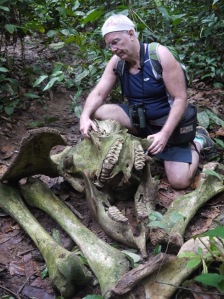
LauranceWhat do you say to a man whose list of conservation awards reads like a Star Wars film intro, who has introduced terms like the ‘hyperdynamism hypothesis’ to the field of ecology, and whose organisation reaches over one million people each week with updates of the scientific kind?

Interview with Bill Laurance by Joel Howland (originally published in Conjour)


Well, I started by asking what it is that leads him to love the natural world to the extent he does. His answer was disarmingly simple.

“I grew up in the country, on an Oregon cattle ranch, and I think my love of nature just evolved naturally from that. When I was a young kid my dad and I did some fishing and ‘rock-hounding’— searching for rare stones and fossils. As an adolescent and teen I loved heading off into a forest or wilderness, rifle in hand – back in those days you could do that – to see whatever I could find. I watched red foxes hunting, eagles mating, and even heard a mountain lion scream. I got to be a pretty good duck and game-bird hunter.”

He’s quick to point out, however, he realised his taste for guns was not so developed as his love of nature.

“I gave up my rifles for a camera, and enjoyed that even more. I really got into photography for a while. Nature has always just calmed and fascinated me —I guess that’s partly why I became a conservationist.”

Who is Bill Laurance?

William F. Laurance is one of the leading ecology and conservation scientists globally, publishing dozens of papers in journals like Nature and Science, and rewriting the way scientists in the field research the complex interactions between flora and fauna — particularly in rainforests like the Amazon.

He is a Distinguished Research Professor at James Cook University in Australia, a Fellow of the Australian Academy of Science and the American Association for the Advancement of Science, and has received an Australian Laureate Fellowship from the Australian Research Council.

All this for a man from western USA who dreamed of running a zoo. Instead, he has travelled a path of intricate and game-changing research, trailblazing awareness campaigns and inspirational writings that have driven the way many see the environment over the past few decades.

Despite this profile, Laurance gave some time to tell Conjour about his life, his passion and his aims. I asked him what — considering his impressive CV — the future holds.

His response seems a real insight to the man. Read the rest of this entry »


Why populations can’t be saved by a single breeding pair

3 04 2018

620x349

© Reuters/Thomas Mukoya

I published this last week on The Conversation, and now reproducing it here for CB.com readers.


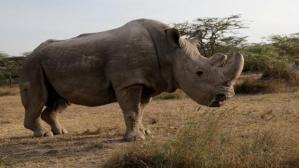
Two days ago, the last male northern white rhino (Ceratotherium simum cottoni) died. His passing leaves two surviving members of his subspecies: both females who are unable to bear calves.

Even though it might not be quite the end of the northern white rhino because of the possibility of implanting frozen embryos in their southern cousins (C. simum simum), in practical terms, it nevertheless represents the end of a long decline for the subspecies. It also raises the question: how many individuals does a species need to persist?

Fiction writers have enthusiastically embraced this question, most often in the post-apocalypse genre. It’s a notion with a long past; the Adam and Eve myth is of course based on a single breeding pair populating the entire world, as is the case described in the Ragnarok, the final battle of the gods in Norse mythology.

This idea dovetails neatly with the image of Noah’s animals marching “two by two” into the Ark. But the science of “minimum viable populations” tells us a different story.

No inbreeding, please

The global gold standard used to assess the extinction risk of any species is the International Union for the Conservation of Nature (IUCN) Red List of Threatened Species. Read the rest of this entry »


Our global system-of-systems

28 02 2018

Complex-systems

I’ve just read an excellent paper that succinctly, eloquently, and wisely summarised the current predicament of our highly interconnected, global, complex adaptive system (i.e., our environment).

If you are new to the discussions around state shifts, hysteresis, tipping points, and system collapse, there might be a lot in the new paper by Philip Garnett of the University of York that you could find intimidating (and not just because of the complexity of the concepts he discusses). If you are more up-to-date on these discussions, I highly recommend reading this paper for distilling some of the more pertinent questions.

The essence of the paper is that our global environment (Earth) is one giant, complex system made up of interacting sub-systems. We can think of these as a giant, interconnected network of nodes and connections (often called ‘edges’) between them. If you do ecological network theory, then you know what I’m talking about.

What’s particularly fascinating to me is that Philip Garnett is not an environmental scientist; in fact, he’s a a lecturer in Operations Management and Business Analytics (although he does have a background in genetics and biology) who specialises in complex systems theory. In fact, much of his paper uses socio-economic examples of system complexity and collapse, yet the applications to environmentalism in general, and to ecological integrity in particular, are spot on.

Read the rest of this entry »


When devils and thylacines went extinct

17 01 2018

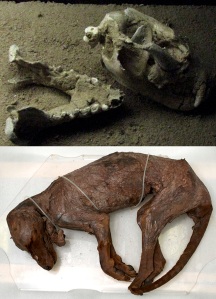
devil-thylacine-extinctWe’ve just published an analysis of new radiocarbon dates showing that thylacines (Tasmanian ‘tigers’, Thylacinus cynocephalus) and Tasmanian devils (Sarcophilus harrisi) went extinct on the Australian mainland at the same time — some 3200 years ago.

For many years, we’ve been uncertain about when thylacines and devils went extinct in mainland Australia (of course, devils are still in Tasmania, and thylacines went extinct there in the 1930s) — a recent age for the devil extinction (500 years before present) has recently been shown to be unreliable. The next youngest reliable devil fossil is 25000 years old.

So, knowing when both species went extinct is essential to be able to determine the drivers of these extinctions, and why they survived in Tasmania. If the two extinctions on the mainland happened at the same time, this would support the hypothesis that a common driver (or set of drivers) caused both species to go extinct. Read the rest of this entry »


Influential conservation ecology papers of 2017

27 12 2017

Gannet Shallow Diving 03
As I have done for the last four years (20162015, 2014, 2013), here’s another retrospective list of the top 20 influential conservation papers of 2017 as assessed by experts in F1000 Prime.

Read the rest of this entry »


Giving a monkey’s about primate conservation

12 12 2017
Urban monkey living (Macaque, Gibraltar) small

Concrete jungle. A Barbary macaque sits in a human-dominated landscape in Gibraltar. Photo: Silviu Petrovan

Saving primates is a complicated business. Primates are intelligent, social animals that have complex needs. They come into conflict with humans when they raid rubbish bins and crops, chew power cables, and in some cases become aggressive towards people.

Humans, however, have the upper hand. While 60% of non-human primate species are threatened, humans grow in numbers and power, building roads through forests, hunting and trapping primates, and replacing their habitat with farms and houses.

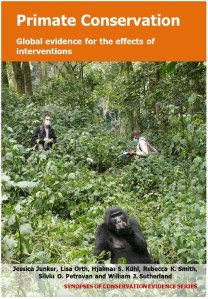
To help primatologists choose the most effective conservation approaches to resolve these problems, researchers in the Conservation Evidence project teamed up with primate researchers to produce a global database on the effectiveness of primate conservation solutions. This free database, which can also be downloaded as a single pdf, summarizes the evidence for 162 conservation interventions — actions that conservationists might take to conserve primates. The data come from searches of over 170 conservation journals and newsletters, and each study is summarized in a single paragraph in plain English, making it possible for conservationists without access to scientific journals to read the key findings.

Front cover primate synopsisSo what works in primate conservation? Well, the picture is rarely straightforward — partly due to the lack of data — but there are some interesting trends. Reducing hunting is one area where there seem to be a range of potentially effective approaches. Community control of patrolling, banning hunting and removing snares was effective in the three studies in which it was tested, all in African countries.

Further emphasizing the importance of involving local communities, implementing no-hunting community policies or traditional hunting bans also appeared helpful in boosting primate numbers. In other places, a more traditional approach of using rangers to protect primates has proved a winning strategy. Training rangers, providing them with arms, and increasing ranger patrols all worked to protect primates from poachers. Identifying the circumstances in which community led approaches or ranger patrols work will be key to implementing the most appropriate response to each conservation challenge. Read the rest of this entry »


Microclimates: thermal shields against global warming for small herps

22 11 2017

Thermal microhabitats are often uncoupled from above-ground air temperatures. A study focused on small frogs and lizards from the Philippines demonstrates that the structural complexity of tropical forests hosts a diversity of microhabitats that can reduce the exposure of many cold-blooded animals to anthropogenic climate warming.

Luzon forest frogs

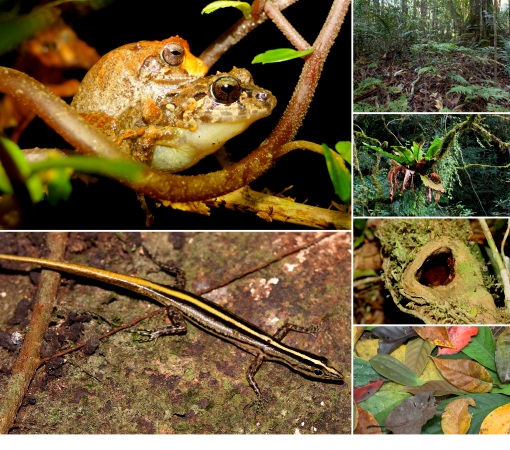
Reproductive pair of the Luzon forest frogs Platymantis luzonensis (upper left), a IUCN near-threatened species restricted to < 5000 km2 of habitat. Lower left: the yellow-stripped slender tree lizard Lipinia pulchella, a IUCN least-concerned species. Both species have body lengths < 6 cm, and are native to the tropical forests of the Philippines. Right panels, top to bottom: four microhabitats monitored by Scheffers et al. (2), namely ground vegetation, bird’s nest ferns, phytotelmata, and fallen leaves above ground level. Photos courtesy of Becca Brunner (Platymantis), Gernot Kunz (Lipinia), Stephen Zozaya (ground vegetation) and Brett Scheffers (remaining habitats).

If you have ever entered a cave or an old church, you will be familiar with its coolness even in the dog days of summer. At much finer scales, from centimetres to millimetres, this ‘cooling effect’ occurs in complex ecosystems such as those embodied by tropical forests. The fact is that the life cycle of many plant and animal species depends on the network of microhabitats (e.g., small crevices, burrows, holes) interwoven by vegetation structures, such as the leaves and roots of an orchid epiphyte hanging from a tree branch or the umbrella of leaves and branches of a thick bush.

Much modern biogeographical research addressing the effects of climate change on biodiversity is based on macroclimatic data of temperature and precipitation. Such approaches mostly ignore that microhabitats can warm up or cool down in a fashion different from that of local or regional climates, and so determine how species, particularly ectotherms, thermoregulate (1). To illustrate this phenomenon, Brett Scheffers et al. (2) measured the upper thermal limits (typically known as ‘critical thermal maxima’ or CTmax) of 15 species of frogs and lizards native to the tropical forest of Mount Banahaw, an active volcano on Luzon (The Philippines). The > 7000 islands of this archipelago harbour > 300 species of amphibians and reptiles (see video here), with > 100 occurring in Luzon (3).

Read the rest of this entry »


You know you’re screwed when the insects disappear

31 10 2017

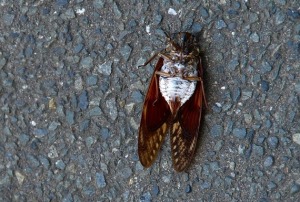
dead cicadaLast Friday, ABC 891 here in Adelaide asked me to comment on a conservation paper doing the news rounds last week. While it has been covered extensively in the media (e.g., The Guardian, CNN, and Science), I think it’s probably going to be one of those things that people unfortunately start to forget right away. But this is decidedly something that no one should be forgetting.

While you can listen to me chat about this with the lovely Sonya Feldhoff on the ABC (I start chin-wagging around the 14:30 mark), I thought it prudent to remind CB.com readers just how devastatingly important this study is.

While anyone with a modicum of conservation science under her belt will know that the Earth’s biodiversity is not doing well, the true extent of the ecological tragedy unfolding before our very eyes really came home to us back in 2014 with the publication of WWF’s Living Planet Report. According to a meta-analysis of 10,380 population trends from over 3000 species of birds, reptiles, amphibians, mammals, and fish, the report concluded that the Earth has lost over 50% of the individuals in vertebrate populations since 1970. Subsequent revisions (and more population trends from more species) place the decline at over 60% by 2020 (that’s only a little over two years away). You can also listen to me speak about this on another radio show.

If that little bit of pleasant news didn’t make the pit of your stomach gurgle and a cold sweat break out on the back of your neck, you’re probably not human. But hang on, boys and girls — it gets so much worse! The publication in PLoS One on 18 October about Germany’s insect declines might be enough to tip you over the edge and into the crevasse of mental instabilityRead the rest of this entry »


Four decades of fragmentation

27 09 2017

fragmented

I’ve recently read perhaps the most comprehensive treatise of forest fragmentation research ever compiled, and I personally view this rather readable and succinct review by Bill Laurance and colleagues as something every ecology and conservation student should read.

The ‘Biological Dynamics of Forest Fragments Project‘ (BDFFP) is unquestionably one of the most important landscape-scale experiments ever conceived and implemented, now having run 38 years since its inception in 1979. Indeed, it was way ahead of its time.

Experimental studies in ecology are comparatively rare, namely because it is difficult, expensive, and challenging in the extreme to manipulate entire ecosystems to test specific hypotheses relating to the response of biodiversity to environmental change. Thus, we ecologists tend to rely more on mensurative designs that use existing variation in the landscape (or over time) to infer mechanisms of community change. Of course, such experiments have to be large to be meaningful, which is one reason why the 1000 km2 BDFFP has been so successful as the gold standard for determining the effects of forest fragmentation on biodiversity.

And successful it has been. A quick search for ‘BDFFP’ in the Web of Knowledge database identifies > 40 peer-reviewed articles and a slew of books and book chapters arising from the project, some of which are highly cited classics in conservation ecology (e.g., doi:10.1046/j.1523-1739.2002.01025.x cited > 900 times; doi:10.1073/pnas.2336195100 cited > 200 times; doi:10.1016/j.biocon.2010.09.021 cited > 400 times; and doi:10.1111/j.1461-0248.2009.01294.x cited nearly 600 times). In fact, if we are to claim any ecological ‘laws’ at all, our understanding of fragmentation on biodiversity could be labelled as one of the few, thanks principally to the BDFFP. Read the rest of this entry »


World of urban rangers

2 08 2017

Bridging the gap between an urban population and the wildlife we love.IOE_crowdfunding1_web_16-9-with-logo-C

The world continues to urbanise. According to the Population Reference Bureau, the developed nations of the world are 74% urban, and it is expected that by 2050, 70% of the entire world will be ‘urban’. Besides all the other consequences, people’s connection to nature will become more and more distant. With more people living in concrete jungles, a faster pace of life and a barrage of things competing for their attention, we cannot expect that nature, wildlife protection, ocean sustainability, et cetera will be high on the list of their priorities. Other than when the most sensational of news stories are released, how many of them will even think about wildlife, let alone take any personal steps that would make a difference to its survival?

If these are the people who define consumer behaviour and impact policy decisions, they are the ones who will also unwittingly drive the wildlife-conservation agenda. The conservation sector must therefore make a more concerted effort to connect with city dwellers and to do so, understand the motivations and desires of the greater public.

The good news is that despite the grander evidence against it, people do love animals. As children, we are surrounded by animals. Many of our favourite books, movies, clothes, and toys are associated with animals. Even as adults, 163 million of us have watched a video of a panda clinging to its caretaker, 100 million of us went to see Jungle Book, and 700 million more of us visited zoos last year. Marketers play into our love of animals and use the sympathetic or iconic nature of animals on a massive scale in advertising and branding.

If you threw practicality out the window, the most impactful thing you could do to convert that love of animals into a love of conservation would be to airlift those hundreds of millions of people into the Amazon, Serengeti, or Alaskan wilderness for a week. While the experience wouldn’t make all of them conservationists, it would certainly change the way they thought about the importance of nature.

Given this impossibility, the next best thing is to bring nature to them and entice them to explore more within their own means. Shows like BBC Planet Earth or Wild Kratts do a fantastic job of revealing the awesomeness of nature in a way that most everyone appreciates.

But TV shows are still a passive experience where the viewer takes in what he/she is being shown.

Our work at Internet of Elephants is to supplement this type of programming with games about wildlife that can actively be played every day. Our goal is to get people to think about wildlife for five minutes every day and convert the urban world into wildlife addicts. Read the rest of this entry »


Two new postdoctoral positions in ecological network & vegetation modelling announced

21 07 2017

19420366_123493528240028_621031473222812853_n

With the official start of the new ARC Centre of Excellence for Australian Biodiversity and Heritage (CABAH) in July, I am pleased to announce two new CABAH-funded postdoctoral positions (a.k.a. Research Associates) in my global ecology lab at Flinders University in Adelaide (Flinders Modelling Node).

One of these positions is a little different, and represents something of an experiment. The Research Associate in Palaeo-Vegetation Modelling is being restricted to women candidates; in other words, we’re only accepting applications from women for this one. In a quest to improve the gender balance in my lab and in universities in general, this is a step in the right direction.

The project itself is not overly prescribed, but we would like something along the following lines of inquiry: Read the rest of this entry »


It’s not all about temperature for corals

31 05 2017

CB_ClimateChange6_Photo

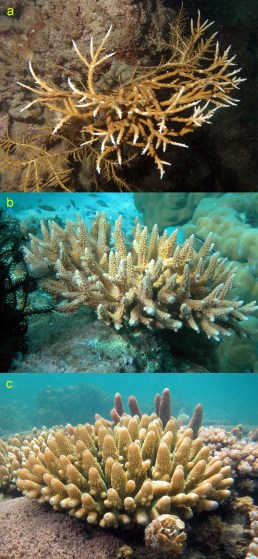
Three of the coral species studied by Muir (2): (a) Acropora pichoni: Pohnpei Island, Pacific Ocean — deep-water species/IUCN ‘Near threatened’; (b) Acropora divaricate: Maldives, Indian ocean — mid-water species/IUCN ‘Near threatened’; and (c) Acropora gemmifera: Orpheus Island, Australia — shallow-water species/IUCN ‘Least Concern’. The IUCN states that the 3 species are vulnerable to climate change (acidification, temperature extremes) and demographic booms of the invading predator, the crown-of-thorns starfish Acanthaster planci. Photos courtesy of Paul Muir.

Global warming of the atmosphere and the oceans is modifying the distribution of many plants and animals. However, marine species are bound to face non-thermal barriers that might preclude their dispersal over wide stretches of the sea. Sunlight is one of those invisible obstacles for corals from the Indian and Pacific Oceans.

If we were offered a sumptuous job overseas, our professional success in an unknown place could be limited by factors like cultural or linguistic differences that have nothing to do with our work experience or expertise. If we translate this situation into biodiversity terms, one of the best-documented effects of global warming is the gradual dispersal of species tracking their native temperatures from the tropics to the poles (1). However, as dispersal progresses, many species encounter environmental barriers that are not physical (e.g., a high mountain or a wide river), and whose magnitude could be unrelated to ambient temperatures. Such invisible obstacles can prevent the establishment of pioneer populations away from the source.

Corals are ideal organisms to study this phenomenon because their life cycle is tightly geared to multiple environmental drivers (see ReefBase: Global Information System for Coral Reefs). Indeed, the growth of a coral’s exoskeleton relies on symbiotic zooxanthellae (see video and presentation), a kind of microscopic algae (Dinoflagellata) whose photosynthetic activity is regulated by sea temperature, photoperiod and dissolved calcium in the form of aragonite, among other factors.

Read the rest of this entry »


Noses baffled by ocean acidification

18 04 2017

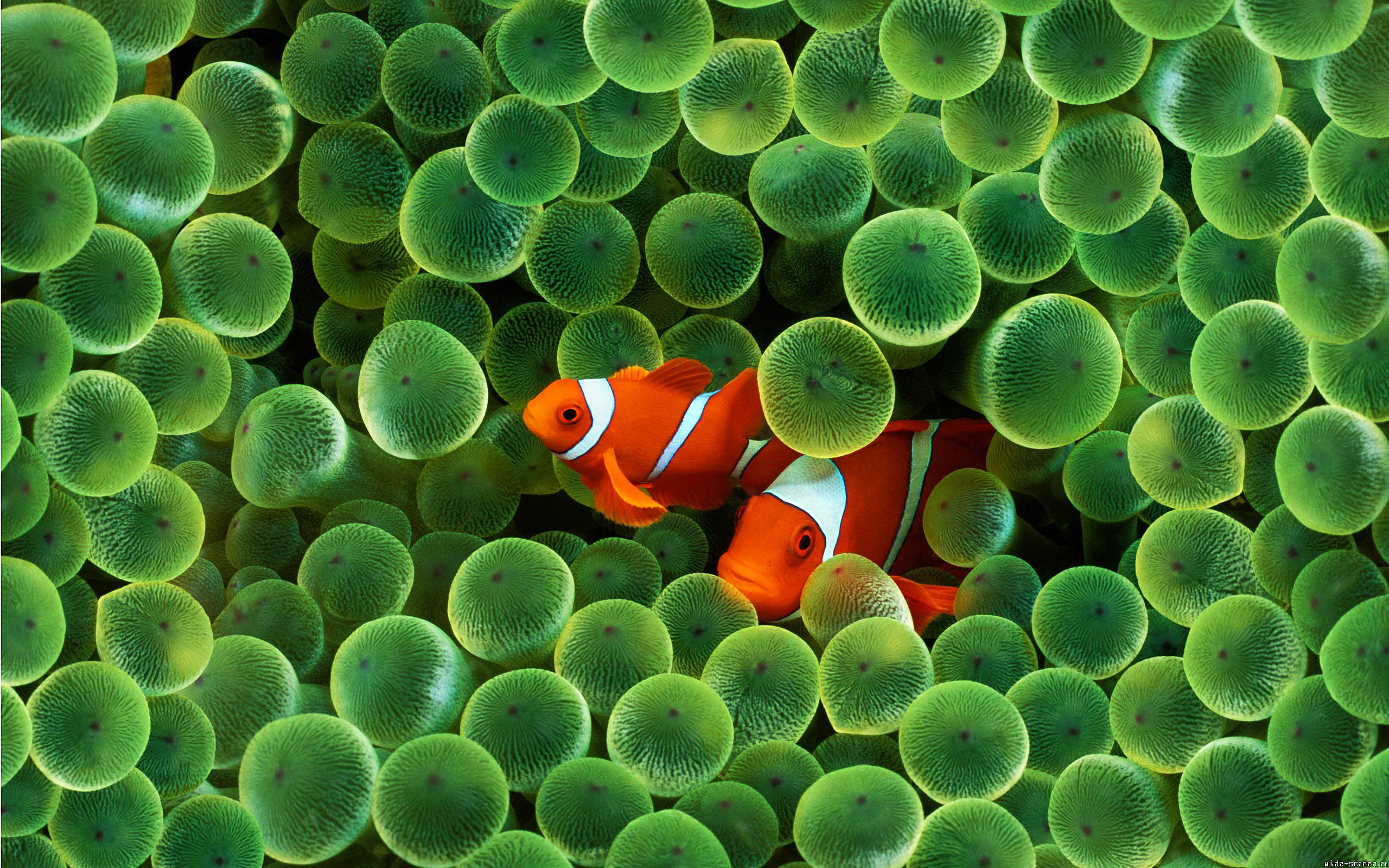
Clown fish couple (Amphiprion percula) among the tentacles of anemone Heteractis magnifica in Kimbe Bay (Papua New Guinea) – courtesy of Mark McCormick. Clownfish protect anemones from predators and parasites in exchange of shelter and food. The fish tolerates the host’s venom because its skin is protected by a mucus layer some 2-3× thicker than phylogenetically related species (12); clownfish fabricate the mucus themselves and seem to obtain anemone antigens through a period of acclimation (13), but whether protection is acquired or innate is still debated. Clownfish are highly social bony fish, forming groups with one reproductive pair (up to 11 cm in length each) and several smaller, non-reproductive males. Reproduction is protandrous (also known as sequential hermaphroditism), so larvae are born male and, as soon as the reproductive female dies, her widower becomes female and the largest of the subsidiary males becomes the alpha male. The IUCN lists clownfish, generically named ‘anemone fish’, as threatened by the pet-trade industry and habitat degradation, although surprisingly, only 1 species has been assessed (A. sandaracinos). The clown anemone fish A. ocellaris is the species that inspired Nemo in the 2003 Academy-Award fiction movie – contrary to the logical expectation that the Oscars Red Carpet would generate support for conservation on behalf of Hollywood, of the 1568 species represented in the movie, only 16 % of those evaluated are threatened (14).

Smell is like noise, the more scents we breathe in one sniff, the more difficult it is to distinguish them to the point of olfactory saturation. Experimental work with clownfish reveals that the increase in dissolved carbon dioxide in seawater, mimicking ocean acidification, alters olfactory physiology, with potential cascading effects on the demography of species.

Places such as a restaurant, a hospital or a library have a characteristic bouquet, and we can guess the emotional state of other people by their scents. Smell is critical between predators and prey of many species because both have evolved to detect each other without the aid of vision. At sea, the smell of predators dissolves in water during detection, attack, capture, and ingestion of prey, and many fishes use this information to assess the risk of ending up crunched by enemy teeth (1, 2). But predator-prey interactions can be modified by changes in the chemical composition of seawater and are therefore highly sensitive to ongoing ocean acidification (see global measuring network here). Experts regard ocean acidification as the ‘other CO2 problem’ of climate change (3) — just to emphasize that anthropogenic climate-change impacts terrestrial and aquatic ecosystems alike. Acidification occurs because the ocean absorbs CO2 at a rate proportional with the concentration of this gas in the atmosphere and, once dissolved, CO2 becomes carbonic acid (H2CO3), which in turn releases protons (H+) — in simple terms, pH is the concentration of protons (see video about ocean acidification): Read the rest of this entry »


Job: Research Fellow in Palaeo-Ecological Modelling

13 04 2017

© seppo.net

I have another postdoctoral fellowship to advertise! All the details you need for applying are below.

KEY PURPOSE 

Scientific data such as fossil and archaeological records used as proxy to reconstruct past environments and biological communities (including humans) are sparse, often ambiguous or contradictory when establishing any consensus on timing or routes of initial human arrival and subsequent spread, the timing or extent of major changes in climate and other environmental perturbations, or the timing or regional pattern of biological extinctions.

The Research Fellow (Palaeo-Ecological Modelling) will assist in addressing these problems by developing state-of-the-art analytical and simulation tools to infer regional pattern of both the timing of human colonisation and megafauna extinction based on incomplete and sparse dataset, and investigating past environmental changes and human responses to identify their underlying causes and consequences on Australia’s landscapes, biodiversity and cultural history.

ORGANISATIONAL ENVIRONMENT 

The position will be based in the School of Biological Sciences in the Faculty of Science & Engineering at Flinders University. Flinders University boasts a world-class Palaeontology Research Group (PRG) and the new Global Ecology Research Laboratory that have close association with the research-intensive South Australian Museum. These research groups contribute to building a dynamic research environment that explores the continuum of environmental and evolutionary research from the ancient to modern molecular ecology and phylogeography. The School of Biological Sciences is an integrated community researching and teaching biology, and has a long history of science innovation. The appointee will join an interdisciplinary school of approximately 45 academic staff. The teaching and research activities of the School are supported by a range of technical and administrative infrastructure services.

KEY RESPONSIBILITIES

The key responsibilities and selection criteria identified for this position should be read in conjunction with the Flinders University Academic Profiles for the relevant academic classification (scroll down to Academic Profiles).

The Research Fellow (Palaeo-Ecological Modelling) will work under the direction of the Project Chief Investigator, and will be required to: Read the rest of this entry »


Singin’ in the heat

9 03 2017
coqui & forest

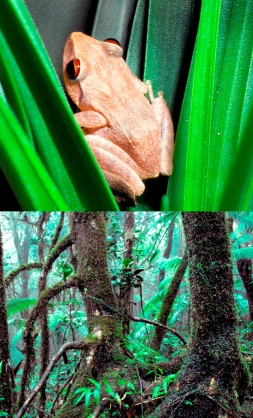
Common coqui frog male (Eleutherodactylus coqui, snout-to vent length average ~ 3 cm) camouflaged in the fronds of an epiphyte in the El Yunque National Forest (Puerto Rico), along with an image of the enchanted forest of the Sierra de Luquillo where Narins & Meenderink did their study (4) – photos courtesy of Thomas Fletcher. This species can be found from sea level to the top of the highest peak in Puerto Rico (Cerro Punta = 1338 m). Native to mesic ecosystems, common coquis are well adapted to a terrestrial life, e.g., they lack interdigital webbing that support swimming propulsion in many amphibians, and youngsters hatch directly from the egg without transiting a tadpole stage. The IUCN catalogues the species as ‘Least Concern’ though alerts recent declines in high-altitude populations caused by chytrid fungus – lethal to amphibians at a planetary scale (9). Remarkably, the species has been introduced to Florida, Hawaii, the Dominican Republic and the Virgin Islands where it can become a pest due to high fertility rates (several >20 egg clutches/female/year).

Frog songs are species-specific and highly useful for the study of tropical communities, which host the highest amphibian diversities globally. The auditory system of females and the vocal system of males have co-evolved to facilitate reproductive encounters, but global warming might be disrupting the frequency of sound-based encounters in some species..

It is a rainy night, and Don (Gene Kelly) has just left his love, Kathy (Debbie Reynolds), at home, starting one of the most famous musical movie scenes ever: Singin’ in the rain 

Amphibians (see Amphibians for kids by National Geographic) also love to sing in rainy nights when males call for a partner, but now they have to do it in hotter conditions as local climates become warmer. Vocal behaviour is a critical trait in the life history of many frog species because it mediates recognition between individuals, including sexual selection by females (1).

With few exceptions, every species has a different and unique call, so scientists can use call features to identify species, and this trait is particularly useful in the inventory of diverse tropical communities (2). Differences in call frequency, duration and pitch, and in note, number, and repetition pattern, occur from one species to another. And even within species, songs can vary from individual to individual (as much as there are not two people with the same voice), and be tuned according to body size and environmental temperature (3). Read the rest of this entry »


To feed or to perish in an iceless world

1 02 2017
cb_climatechange2_polarbears_photo2

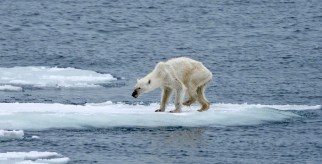
Emaciated female polar bear on drift ice in Hinlopen Strait (Svalbard, Norway), in July 2015 – courtesy of Kerstin Langenberger (www.arctic-dreams.com)

Evolution has designed polar bears to move, hunt and reproduce on a frozen and dynamic habitat that wanes and grows in thickness seasonally. But the modification of the annual cycle of Arctic ice due to global warming is triggering a trophic cascade, which already links polar bears to marine birds.

Popular and epicurean gastronomy claims that the best recipes should use seasonal veggies and fruits. Once upon a time, when there were no greenhouses, international trade routes, or as much frozen and canned food, our grandparents enjoyed what was available at the time. So in some years we had plenty of cherries, while during others we might have feasted on plums. Read the rest of this entry »


Fertilisers can make plants sicker

25 01 2017

sick-plantLast year we reported experimental evidence that the dilution effect was the phenomenon by which greater biodiversity imparts disease resistance in plant communities. Our latest paper shows the mechanism underlying this.

In my ongoing collaboration with the crack team of plant community ecologists led by Shurong Zhou at Fudan University in Shanghai, we have now shown that nitrogen-based fertilisers — in addition to causing soil damage and environmental problems from run-off — reduce a plant community’s resistance to fungal diseases.

This means that prolonged use of artificial fertilisers can lead to the extinction of the most resistant plant species in a community, meaning that the remaining species are in fact more susceptible to diseases.

Continuing the experimental field trials in alpine meadows of the Tibetan Plateau, we tested the biodiversity resilience of an isolated  plant community to increasing concentrations of nitrogenous fertilisers. In this diverse and pristine ecosystem, we have finally established that extended fertilisation of soils not only alters the structure of natural plant communities, it also exacerbates pathogen emergence and transmission. Read the rest of this entry »


Where do citizens stand on climate change?

2 01 2017
Talk to the hand

Talk to the hand

Climate change caused by industrialisation is modifying the structure and function of the Biosphere. As we uncork 2017, our team launches a monthly section on plant and animal responses to modern climate change in the Spanish magazine Quercus – with an English version in Conservation Bytes. The initiative is the outreach component of a research project on the expression and evolution of heat-shock proteins at the thermal limits of Iberian lizards (papers in progress), supported by the British Ecological Society and the Spanish Ministry of Economy, Industry and Competitiveness. The series will feature key papers (linking climate change and biodiversity) that have been published in the primary literature throughout the last decade. To set the scene, we start off putting the emphasis on how people perceive climate change.

Salvador Herrando-Pérez, David R. Vieites & Miguel B. Araújo

“I would like to mention a cousin of mine, who is a Professor in Physics at the University of Seville – and asked about this matter [climate change], he stated: listen, I have gathered ten of the top scientists worldwide, and none has guaranteed what the weather will be like tomorrow in Seville, so how could anyone predict what is going to occur in the world 300 years ahead?”

Mariano Rajoy (Spanish President from 2011 to date) in a public speech on 22 October 2007

Weather (studied by meteorology) behaves like a chaotic system, so a little variation in the atmosphere can trigger large meteorological changes in the short term that are hard to predict. On the contrary, climate (studied by climatology) is a measure of average conditions in the long term and thus far more predictable than weather. There is less uncertainty in a climate prediction for the next century than in a weather prediction for the next month. The incorrect statement made by the Spanish President reflects harsh misinformation and/or lack of environment-related knowledge among our politicians.

Climate has changed consistently from the onset of the Industrial Revolution. The IPCC’s latest report stablishes with 95 to 100% certainty (solid evidence and high consensus given published research) that greenhouse gases from human activities are the main drivers of global warming since the second half of the 20th Century (1,2). The IPCC also flags that current concentrations of those gases have no parallel in the last 800,000 years, and that climate predictions for the 21st Century vary mostly according to how we manage our greenhouse emissions (1,3). Read the rest of this entry »


Genetic Management of Fragmented Animal and Plant Populations

10 12 2016

logoThat is the title of a new textbook that will be available mid-2017.

After almost 6 years work, authors Dick Frankham, Jonathan Ballou, Katherine Ralls, Mark Eldridge, Michele Dudash, Charles Fenster, Bob Lacy & Paul Sunnucks have produced an advanced textbook/research monograph that aims to provoke a paradigm shift in the management of small, isolated population fragments of animals and plants.

One of the greatest unmet challenges in conservation biology is the genetic management of fragmented populations of threatened animal and plant species. More than a million small, isolated, population fragments of threatened species are likely suffering inbreeding depression, loss of evolutionary potential, and elevated extinction risks (genetic erosion). Re-establishing gene flow between populations is required to reverse these effects, but managers very rarely do this. On the contrary, molecular genetic methods are mainly being used to document genetic differentiation among populations, with most studies concluding that genetically differentiated populations should be managed separately (i.e., kept isolated), thereby dooming many populations to eventual extinction.

The need for a paradigm shift in genetic management of fragmented populations has been highlighted as a major issue in conservation. The rapidly advancing field of molecular genetics is continually providing new tools to measure the extent of population fragmentation and its genetic consequences. However, adequate guidance on how to use these data for effective conservation is still lacking, and many populations are going extinct principally for genetic reasons. Consequently, there is now urgent need for an authoritative textbook on the subject.

Read the rest of this entry »