Night is the peak activity period for many animal species. In the Western Andes of Ecuador, the Chocó golden scarab flies between forest patches during the night, but urban lighting interferes with their paths and jeopardises populations already struggling to persist in fragmented native forests.
Urban development has created a network of illuminated infrastructure that allows our society to function day and night without interruption. It is no surprise that with so much artificial light, we increasingly have to move farther away from towns and cities to see a sky full of stars.
Light pollution poses a challenge for nocturnal species that have adapted to living in the dimness of night (1, 2) — see documentaries about the impacts of artificial light on wildlife and insects, and a related scientific talk. This problem might be one of the causes of the global decline in insects (3, 4), in turn negatively affecting their role in maintaining agricultural systems through pest control, pollination, and soil quality (5). These concepts are featured by the documentaries The Insect Apocalypse and The Great Death of Insects.
Chocó golden scarab (Chrysina argenteola) walking on forest litter in La Maná (Cotopaxi, Ecuador). Growing to up to 4 cm in length, this species inhabits the tropical rainforest of the Chocó region in the Western Andes (10), where it is frequently attracted to artificial lights at night. The striking colour of this ‘jewel scarab’ is an optical illusion. The exoskeleton is covered with overlapping layers of chitin that polarise light and reflect hues of blue, gold, green, silver, or reddish tones, depending on the species (16). The metallic sheen appears to deter bird predation (17) and might serve as camouflage as well as aid in individual recognition (11). The eyes of insects are ‘compound’ — composed of 100s to 1000s of tubular eyelets (‘ommatidia’), each with its own cornea and lens (18), and all collectively contributing to insect vision. In nocturnal species like the golden scarab, the photoreceptor cells (at the base of each ommatidium) respond more slowly to light compared to diurnal species, allowing the former to collect more nocturnal light per unit of time before forming an image (19). However, just as staring at the sun blinds us, eyes adapted for night vision become overwhelmed by excessive artificial light, disrupting the behaviour of these species. Below the scarab image are two photographs contrasting the day and night landscapes of the same location in Pedro Vicente Maldonado (Pichincha, Ecuador) within the species’ distribution range. Photos courtesy of Martín Bustamante (animal) and Luis Camacho (city).
When flying, nocturnal insects orient their backs toward the sky, using the light of the moon and stars as a reference (6) (explained here and here). However, when they encounter artificial lights, they can no longer distinguish up from down, and so they can become disoriented, flying erratically, like a moth circling a streetlight.
It is estimated that a third of the insects attracted to artificial light die from collisions, burn injuries, exhaustion, and/or predation (7). In the tropics, finding countless dead insects at the base of urban lights is a common scene. Equally important is that artificial light also hinders migration, foraging, and the search for mates in many nocturnal species (1, 8, 9).
Nocturnal jewels
Camacho and collaborators evaluated the effect of artificial lighting at night on the Chocó golden scarab (Chrysina argenteola) (10). This species inhabits the tropical rainforests of the Western Andes from Ecuador to Colombia, and is a member of the group known as ‘jewel scarabs‘ due to their metallic body coloration (11). Because of its nocturnal habits and the larvae’s dependence on wood for food (12), the golden scarab has been increasingly affected by the loss of native forest in combination with light pollution from rural and urban expansion.
Human overpopulation is often depicted in the media in one of two ways: as either a catastrophic disaster or an overly-exaggerated concern. Yet the data understood by scientists and researchers is clear. So what is the actual state of our overshoot, and, despite our growing numbers, are we already seeing the signs that the sixth mass extinction is underway?
In a recent episode of The Great Simplification podcast, Nate Hagens was joined by global ecologist Corey Bradshaw to discuss his recent research on the rapid decline in biodiversity, how population and demographics will change in the coming decades, and what both of these will mean for complex global economies currently reliant on a stable environment.
Australia is home to about one in 12 of the world’s species of animals, birds, plants and insects – between 600,000 and 700,000 species. More than 80% of Australian plants and mammals and just under 50% of our birds are found nowhere else.
But habitat destruction, climate change, and invasive species are wreaking havoc on Earth’s rich biodiversity, and Australia is no exception.
More and more species stand on the edge of oblivion. That’s just the ones we know enough about to list formally as threatened. Many more are in trouble, especially in the oceans. Change is the new constant. As the world heats up and ecosystems warp, new combinations of species can emerge without an evolutionary connection, creating novel communities.
It is still possible to stop species from dying out. But it will take an unprecedented effort.
The vulnerable southern bell (growling grass) frog (Litoria raniformis). Rupert Mathwin/Flinders University
The way that eels migrate along rivers and seas is mesmerising. There has been scientific agreement since the turn of the 20th Century that the Sargasso Sea is the breeding home to the sole European species. But it has taken more than two centuries since Carl Linnaeus gave this snake-shaped fish its scientific name before an adult was discovered in the area where they mate and spawn.
Even among nomadic people, the average human walks no more than a few dozen kilometres in a single trip. In comparison, the animal kingdom is rife with migratory species that traverse continents, oceans, and even the entire planet (1).
The European eel (Anguilla anguilla) is an outstanding example. Adults migrate up to 5000 km from the rivers and coastal wetlands of Europe and northern Africa to reproduce, lay their eggs, and die in the Sargasso Sea — an algae-covered sea delimited by oceanic currents in the North Atlantic.
The European eel (Anguilla Anguilla) is an omnivorous fish that migrates from European and North African rivers to the Sargasso Sea to mate and die (18). Each individual experiences 4 distinct developmental phases, which look so different that they have been described as three distinct species (19): A planktonic, leaf-like larva (ilecocephalus phase) emerges from each egg and takes up to 3 years to cross the Atlantic. Off the Afro-European coasts, the larva transforms into a semi-transparent tiny eel (iiglass phase) that enters wetlands and estuaries, and travels up the rivers as it gains weight and pigment (iiiyellow phase). They remain there for up to 20 years, rarely growing larger than 1 m in length and 4 kg in weight (females are larger than males) — see underwater footage here and here. Sexual maturity ultimately begins to adjust to the migration to the sea: a darker, saltier, and deeper environment than the river. Their back and belly turn bronze and silver (ivsilver phase), respectively, the eyes increase in size and the number of photoreceptors multiplies (function = submarine vision), the stomach shrinks and loses its digestive function, the walls of the swim bladder thicken (function = floating in the water column), and the fat content of tissues increases by up to 30% of body weight (function = fuel for transoceanic travelling). And finally, the reproductive system will gradually develop while eels navigate to the Sargasso Sea — a trip during which they fast. Photos courtesy of Sune Riis Sørensen (2-day embryo raised at www.eel-hatch.dk and leptocephalus from the Sargasso Sea) and Lluís Zamora (Ter River, Girona, Spain: glass eels in Torroella de Montgrí, 70 cm yellow female in Bonmatí, and 40 cm silver male showing eye enlargement in Bescanó). Eggs and sperm are only known from in vitro fertilisation in laboratories and fish farms (20).
As larvae emerge, they drift with the prevailing marine currents over the Atlantic to the European and African coasts (2). The location of the breeding area was unveiled in the early 20th Century as a result of the observation that the size of the larvae caught in research surveys gradually decreased from Afro-European land towards the Sargasso Sea (3, 4). Adult eels had been tracked by telemetry in their migration route converging on the Azores Archipelago (5), but none had been recorded beyond until recently.
Crossing the Atlantic
To complete this piece of the puzzle, Rosalind Wright and collaborators placed transmitters in 21 silver females and released them in the Azores (6). These individuals travelled between 300 and 2300 km, averaging 7 km each day. Five arrived in the Sargasso Sea, and one of them, after a swim of 243 days (from November 2019 to July 2020), reached what for many years had been the hypothetical core of the breeding area (3, 4). It is the first direct record of a European eel ending its reproductive journey.
Eels use the magnetic fields in their way back to the Sargasso Sea and rely on an internal compass that records the route they made as larvae (7). The speed of navigation recorded by Wright is slower than in many long-distance migratory vertebrates like birds, yet it is consistent across the 16 known eel species (8).
Telemetry (6) and fisheries (14) of European eel (Anguilla anguilla). Eel silhouettes indicate the release point of 21 silver females in Azores in 2018 (orange) and 2019 (yellow), the circles show the position where their transmitters stopped sending signals, and the grey background darkens with water depth. The diagrams display the distance travelled and the speed per eel, where the circle with bold border represents the female that reached the centre of the hypothetical spawning area in the Sargasso Sea (dashed lines in the map) (3). Blue, green and pink symbols indicate the final location of eels equipped with teletransmitters in previous studies, finding no individual giving location signals beyond the Azores Archipelago (6). The barplot shows commercial catches (1978-2021) of yellow+silver eels in those European countries with historical landings exceeding 30,000 t (no data available for France prior to 1986), plus Spain (6120 t from 1951) — excluding recreational fishery and farming which, in 2020, totalled 300 and 4600 t, respectively (14). Red circles represent glass-eel catches added up for France (> 90% of all-country landings), Great Britain, Portugal, and Spain. Catches have kept declining since the 1980s. One kg of glass eels contains some 3000 individuals, so the glass-eel fishery has a far greater impact on stocks than the adult fishery.
Wright claimed that, instead of swiftly migrating for early spawning, eels engage in a protracted migration at depth. This behaviour serves to conserve their energy and minimises the risk of dying (6). The delay also allows them to reach full reproductive potential since, during migration, eels stop eating and mobilise all their resources to swim and reproduce (9).
Other studies have revealed that adults move in deep waters in daylight but in shallow waters at night, and that some individuals are faster than others (3 to 47 km per day) (5). Considering that (i) this fish departs Europe and Africa between August and December and (ii) spawning occurs in the Sargasso Sea from December to May, it is unknown whether different individuals might breed 1 or 2 years after they begin their oceanic migration.
Management as complex as life itself
The European eel started showing the first signs of decline at the end of the 19th Century (10, 11). In 2008, the species was listed as Critically Endangered by the IUCN, and its conservation status has since remained in that category — worse than that of the giant panda (Ailuropoda melanoleuca) or the Iberian lynx (Lynx pardinus).
Following my annual tradition, I present the retrospective list of the ‘top’ 20 influential papers of 2022 as assessed by experts in Faculty Opinions(formerly known as F1000). These are in no particular order. See previous years’ lists here: 2021, 2020, 2019, 2018, 2017, 2016, 2015, 2014, and 2013.
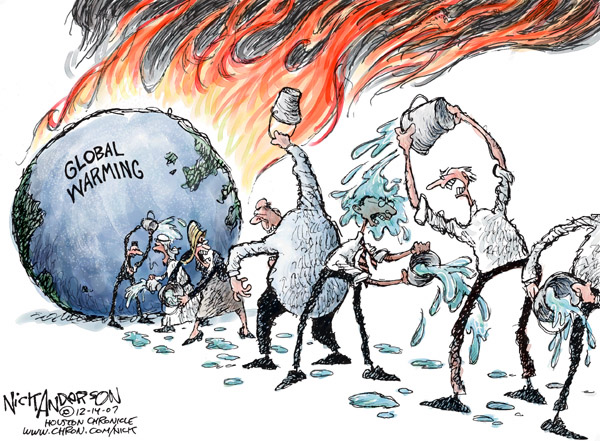
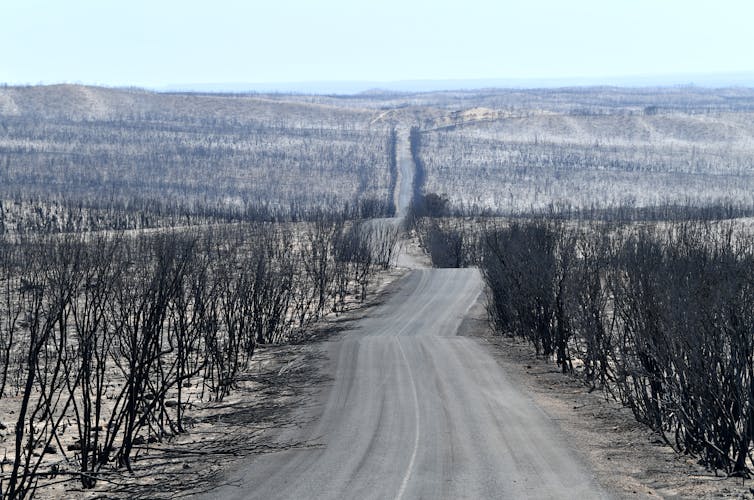
Climate change is one of the main drivers of species loss globally. We know more plants and animals will die as heatwaves, bushfires, droughts and other natural disasters worsen.
But to date, science has vastly underestimated the true toll climate change and habitat destruction will have on biodiversity. That’s because it has largely neglected to consider the extent of “co-extinctions”: when species go extinct because other species on which they depend die out.
Our new research shows 10% of land animals could disappear from particular geographic areas by 2050, and almost 30% by 2100. This is more than double previous predictions. It means children born today who live to their 70s will witness literally thousands of animals disappear in their lifetime, from lizards and frogs to iconic mammals such as elephants and koalas.
But if we manage to dramatically reduce carbon emissions globally, we could save thousands of species from local extinction this century alone.
Ravages of drought will only worsen in coming decades. CJA Bradshaw
An extinction crisis unfolding
Every species depends on others in some way. So when a species dies out, the repercussions can ripple through an ecosystem.
For example, consider what happens when a species goes extinct due to a disturbance such as habitat loss. This is known as a “primary” extinction. It can then mean a predator loses its prey, a parasite loses its host or a flowering plant loses its pollinators.
A real-life example of a co-extinction that could occur soon is the potential loss of the critically endangered mountain pygmy possum (Burramys parvus) in Australia. Drought, habitat loss, and other pressures have caused the rapid decline of its primary prey, the bogong moth (Agrotis infusa).
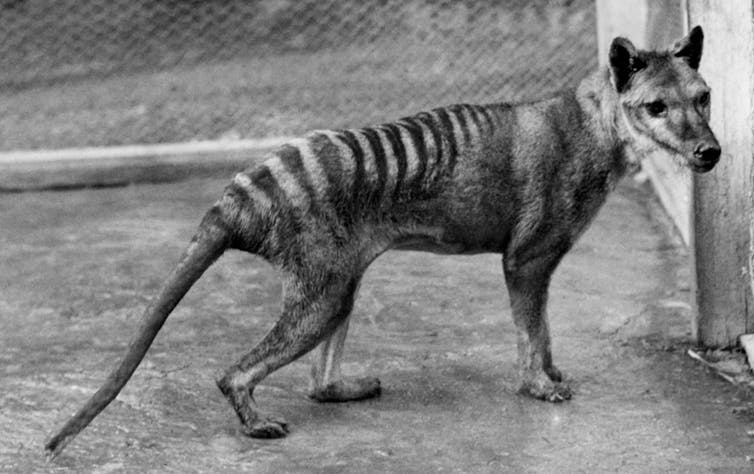
In a newly announced partnership with Texas biotech company Colossal Biosciences, Australian researchers are hoping their dream to bring back the extinct thylacine is a “giant leap” closer to fruition.
Scientists at University of Melbourne’s TIGRR Lab (Thylacine Integrated Genetic Restoration Research) believe the new partnership, which brings Colossal’s expertise in CRISPR gene editing on board, could result in the first baby thylacine within a decade.
The genetic engineering firm made headlines in 2021 with the announcement of an ambitious plan to bring back something akin to the woolly mammoth, by producing elephant-mammoth hybrids or “mammophants”.
But de-extinction, as this type of research is known, is a highly controversial field. It’s often criticised for attempts at “playing God” or drawing attention away from the conservation of living species. So, should we bring back the thylacine? We asked five experts.
I’ll preface this post with a caveat — the data herein are a few years old (certainly pre-COVID), so things have likely changed a bit. Still, I think the main message holds.
That last observation is important because there are really two main ways to quantify a country’s environmental performance. First, there is its relative environmental damage, which essentially means what proportion of its own resources a country has pilfered or damaged. This type of measure standardises the metrics to account for the different areas of countries (e.g., Russia versus Singapore) and how much of, say, forests, they had to start with, and what proportion of them they have thus far destroyed.
Looking at it this way, small countries with few large-scale industries came out in the lead as the least-damaged environmentally — the least environmentally damaged country according this metric is Cape Verde (followed by Central African Republic, Swaziland, Niger, and Djibouti).
However, another way to look at it is how much of the overall contribution to the world’s environmental damage each country is responsible, which of course implies that the countries with the highest amounts of resources damaged in absolute terms (i.e., the biggest, most populous ones) disproportionately contribute more to global environmental damage.
Using this absolute metric, the countries with the greatest overall damage are Brazil (largely due to the destruction of the Amazon and its other forests), the USA (for its greenhouse-gas emissions and conversion of its prairies to farmland), and China (for its water pollution, deforestation, and carbon emissions). On the flip side, this means that the smallest countries with the fewest people are ranked ‘better’ because of their lower absolute contribution to the world’s total environmental damage.
Looking more closely at how countries do relative to each other using different and more specific measures of environmental performance, the best-known and most-reported metric is the ecological footprint. This measures the ecological ‘assets’ that any particular population of people requires to produce the natural resources it consumes and to absorb its wastes.
Mounting evidence is pointing to the world having entered a sixth mass extinction. If the current rate of extinction continues we could lose most species by 2200. The implication for human health and wellbeing is dire, but not inevitable.
In the timeline of fossil evidence going right back to the first inkling of any life on Earth — over 3.5 billion years ago — almost 99 percent of all species that have ever existed are now extinct. That means that as species evolve over time — a process known as ‘speciation’ — they replace other species that go extinct.
Extinctions and speciations do not happen at uniform rates through time; instead, they tend to occur in large pulses interspersed by long periods of relative stability. These extinction pulses are what scientists refer to as mass extinction events.
The Cambrian explosion was a burst of speciation some 540 million years ago. Since then, at least five mass extinction events have been identified in the fossil record (and probably scores of smaller ones). Arguably the most infamous of these was when a giant asteroid smashed into Earth about 66 million years ago in what is now the Gulf of Mexico. The collision vapourised species immediately within the blast zone. Later, species were killed off by climate change arising from pulverised particulates suspended in the atmosphere, as well as intense volcano activity stimulated by the buckling of the Earth’s crust from the asteroid’s impact. Together, about 76 percent of all species around at the time went extinct, of which the disappearance of the dinosaurs is most well-known. But dinosaurs didn’t disappear altogether — the survivors just evolved into birds.
Following my annual tradition, I present the retrospective list of the ‘top’ 20 influential papers of 2021 as assessed by experts in Faculty Opinions(formerly known as F1000). These are in no particular order. See previous years’ lists here: 2020, 2019, 2018, 2017, 2016, 2015, 2014, and 2013.
Clues to understanding human interactions with global ecosystems already exist. The challenge is to read them more accurately so we can design the best path forward for a world beset by species extinctions and the repercussions of global warming.
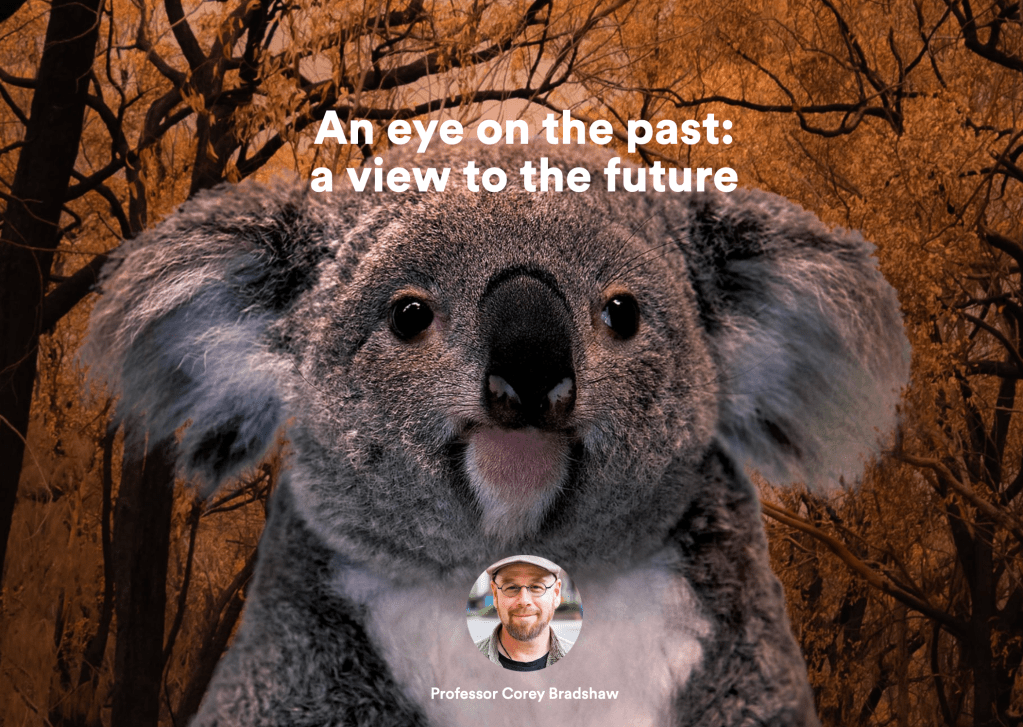
This is the puzzle being solved by Professor Corey Bradshaw, head of the Global Ecology Lab at Flinders University. By developing complex computer modelling and steering a vast international cohort of collaborators, he is developing research that can influence environmental policy — from reconstructing the past to revealing insights of the future.
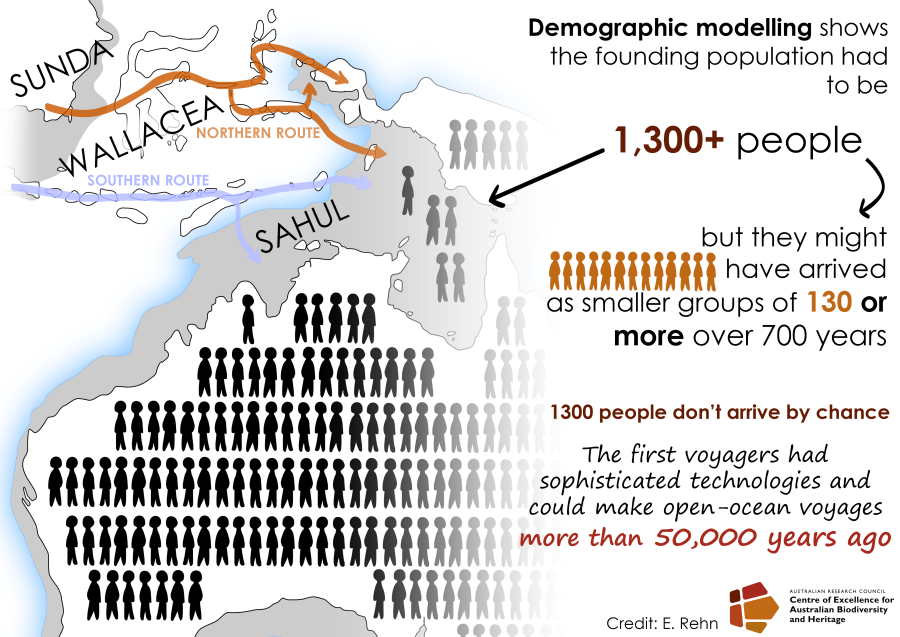
As an ecologist, he aims both to reconstruct and project how ecosystems adapt, how they are maintained, and how they change. Human intervention is pivotal to this understanding, so Professor Bradshaw casts his gaze back to when humans first entered a landscape – and this has helped construct an entirely fresh view of how Aboriginal people first came to Australia, up to 75,000 years ago.
Professor Bradshaw and colleagues identified and tested more than 125 billion possible pathways using rigorous computational analysis in the largest movement-simulation project ever attempted, with the pathways compared to the oldest known archaeological sites as a means of distinguishing the most likely routes.
The study revealed that the first Indigenous people not only survived but thrived in harsh environments, providing further evidence of the capacity and resilience of the ancestors of Indigenous people, and suggests large, well-organised groups were able to navigate tough terrain.
It is possible to cultivate corals in the sea like growing a nursery of trees to restore a burned forest. Cultivated corals grow faster than wild corals and can be outplanted to increase the healthy area of damaged reefs. Incorporated in projects of citizen science and ecotourism, this activity promotes environmental awareness about coral reefs, the marine ecosystem that is both the most biodiverse and the most threatened by global change.
When I finished by undergraduate studies in the 1980s, I met several top Spanish marine biologists to prospect my first job ever in academia. In all one-to-one interviews I had, I was asked what my interests were. And when I described that I wanted to study ways of modifying impacted marine ecosystems to restore their biodiversity, a well-known professor judged that my proposition was an inviable form of jardinería marina (marine gardening) ― those words made me feel embarrassed and have remained vivid in my professional imagination since. Neither the expert nor the young researcher knew at the time that we were actually talking about ecological restoration, a discipline that was being formalised exactly then by botanists in their pledge to recover pre-European conditions for North American grasslands (1).
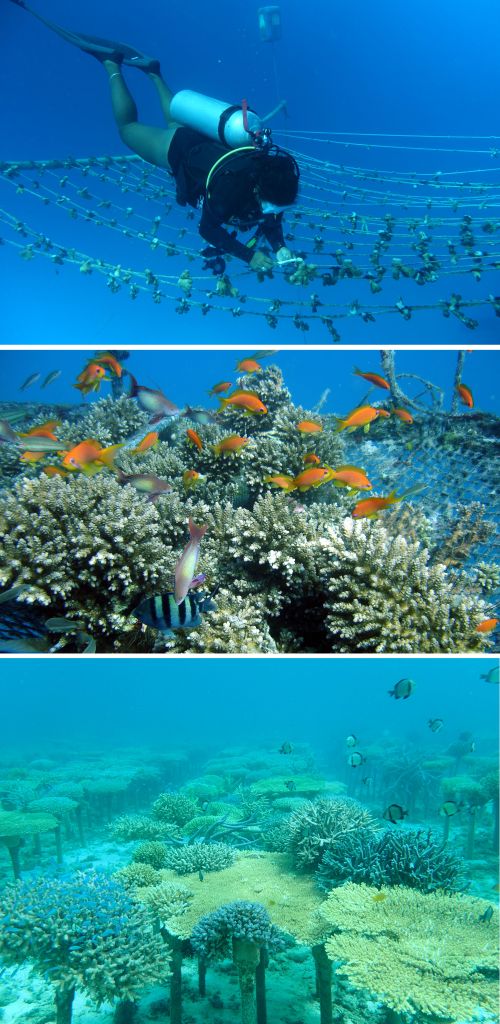
Aspects of coral gardening. The photos show (top) a diver scraping off (with the aid of a toothbrush) algae, sponges and parasites that compete for light and nutrients with the coral fragments under cultivation along suspended ropes (Cousin Island, Seychelles), (middle) coral outplantings in the Gulf of Eliat (Red Sea) hosting a diverse community of fish that clean off the biofouling for free (21), and (bottom) a donor colony farmed off Onna (Okinawa, Japan) (12). Photos courtesy of Luca Saponari (Cousin), Buki Rinkevich (Eliat) and Yoshimi Higa / Onna Village Fishery Cooperative.
Today, the term coral gardening encompasses the suite of methods to cultivate corals (tiny colonial jellyfish with an external skeleton and a carnivorous diet) and to outplant them into the wild to boost the growth of coral reefs following perturbations (2). In the face of the decline of coral reefs globally, due to the combination of climate change, pollution, and overfishing (3), this type of mariculture has gathered momentum in the last three decades and is currently being applied to more than 100 coral species in all the main reefs of our seas and oceans (4-6).
Sure, it’s a tough time for everyone, isn’t it? But it’s a lot worse for the already disadvantaged, and it’s only going to go downhill from here. I suppose that most people who read this blog can certainly think of myriad ways they are, in fact, still privileged and very fortunate (I know that I am).
Nonetheless, quite a few of us I suspect are rather ground down by the onslaught of bad news, some of which I’ve been responsible for perpetuating myself. Add lock downs, dwindling job security, and the prospect of dying tragically due to lung infection, many have become exasperated.
What can we do in addition to shifting our focus to making the future a little less shitty than it could otherwise be? I have a few tips that you might find useful:
When snorkelling in a reef, it’s natural to think of coral colonies as a colourful scenography where fish act in a play. But what would happen to the fish if the stage went suddenly empty, as in Peter Brook’s 1971 Midsummer Night’s Dream? Would the fish still be there acting their roles without a backdrop?
This question is not novel in coral-reef science. Ecologists have often compared reef fish diversity and biomass in selected localities before and after severe events of coral mortality. Even a temporary disappearance of corals might have substantial effects on fish communities, sometimes resulting in a local disappearance of more than half of local fish species.
Considering the multiple, complex ways fish interact with — and depend on — corals, this might appear as an obvious outcome. Still, such complexity of interactions makes it difficult to predict how the loss of corals might affect fish diversity in specific contexts, let alone at the global scale.
Focusing on species-specific fish-coral associations reveals an inconsistent picture with local-scale empirical observations. When looking at the fraction of local fish diversity that strictly depends on corals for food and other more generic habitat requirements (such as shelter and reproduction), the global picture suggests that most fish diversity in reef locality might persist in the absence of corals.
The mismatch between this result and the empirical evidence of a stronger coral dependence suggests the existence of many hidden ecological paths connecting fish to corals, and that those paths might entrap many fish species for which the association to corals is not apparent.
I’m not in any way formally involved in either the IPCC or IPBES, although I’ve been involved indirectly in analysing many elements of both the language of the reports and the science underlying their predictions.
Today, The Guardianreported that a leaked copy of an IPCC report scheduled for release soon indicated that, well, the climate-change situation is in fact worse than has been previously reported in IPCC documents.
If you’re a biologist, climatologist, or otherwise-informed person, this won’t come as much of a surprise. Why? Well, the latest report finally recognises that the biosphere is not just some big balloon that slowly inflates or deflates with the whims of long-term climate variation. Instead, climate records over millions of years show that the global climate can and often does shift rapidly between different states.
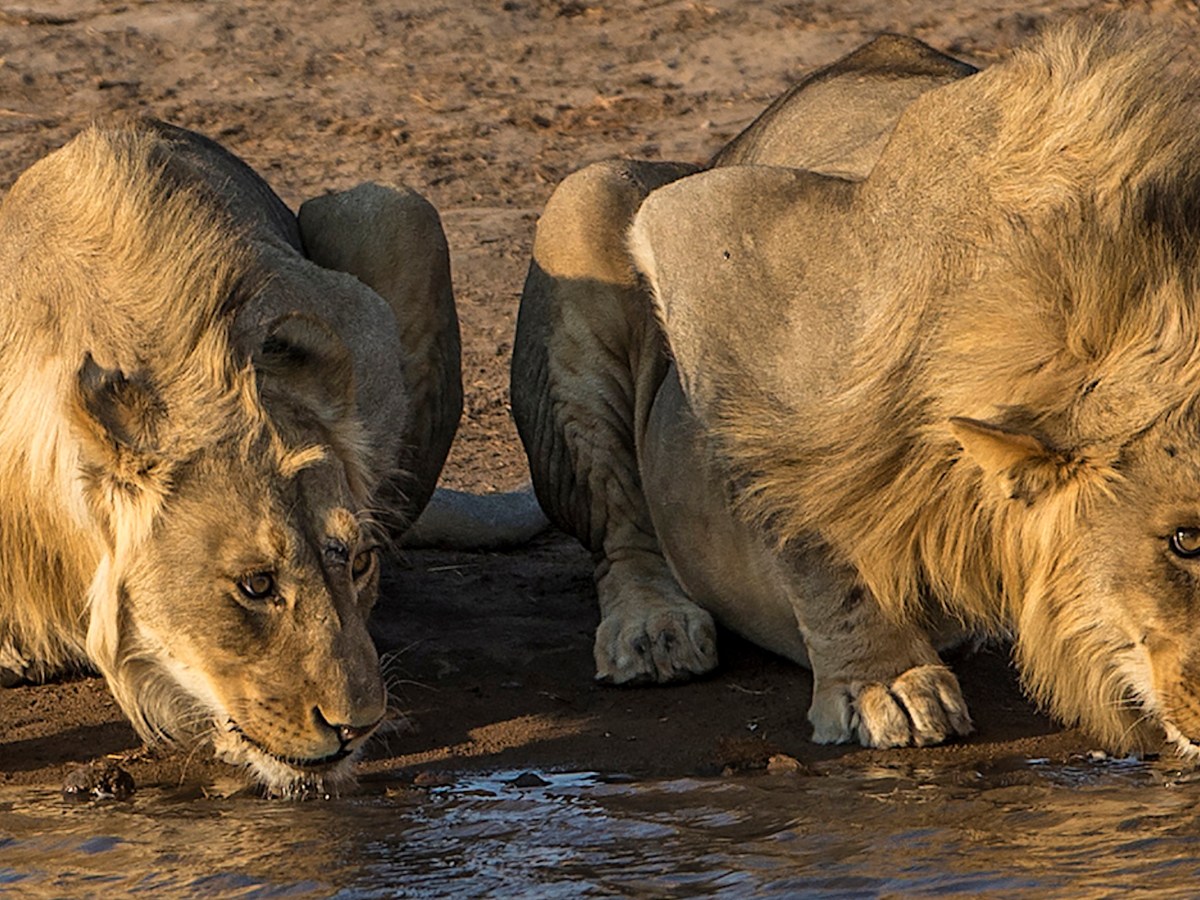
In some African countries, lion trophy hunting is legal. Riaan van den Berg
In sub-Saharan Africa, almost 1,400,000 km² of land spread across many countries — from Kenya to South Africa — is dedicated to “trophy” (recreational) hunting. This type of hunting can occur on communal, private, and state lands.
The hunters – mainly foreign “tourists” from North America and Europe – target a wide variety of species, including lions, leopards, antelopes, buffalo, elephants, zebras, hippopotamus and giraffes.
Debates centred on the role of recreational hunting in supporting nature conservation and local people’s livelihoods are among the most polarising in conservation today.
On one hand, people argue that recreational hunting generates funding that can support livelihoods and nature conservation. It’s estimated to generate US$200 million annually in sub-Saharan Africa, although others dispute the magnitude of this contribution.
On the other hand, hunting is heavily criticised on ethical and moral grounds and as a potential threat to some species.
Evidence for taking a particular side in the debate is still unfortunately thin. In our recently published research, we reviewed the large body of scientific literature on recreational hunting from around the world, which meant we read and analysed more than 1000 peer-reviewed papers.
My father was a hunter, and by proxy so was I when I was a lad. I wasn’t really a ‘good’ hunter in the sense that I rarely bagged my quarry, but during my childhood not only did I fail to question the morality of recreational hunting, I really thought that in fact it was by and large an important cultural endeavour.
It’s interesting how conditioned we become as children, for I couldn’t possibly conceive of hunting a wild, indigenous species for my own personal satisfaction now. I find the process not only morally and ethically reprehensible, I also think that most species don’t need the extra stress in an already environmentally stressed world.
I admit that I do shoot invasive European rabbits and foxes on my small farm from time to time — to reduce the grazing and browsing pressure on my trees from the former, and the predation pressure on the chooks from the latter. Of course, we eat the rabbits, but I tend just to bury the foxes. My dual perspective on the general issue of hunting in a way mirrors the two sides of the recreational hunting issue we report in our latest paper.
Wild boar (Sus scrofus). Photo: Valentin Panzirsch, CC BY-SA 3.0 AT, via Wikimedia Commons
I want to be clear here that our paper focuses exclusively on recreational hunting, and especially the hunting of charismatic species for their trophies. The activity is more than just a little controversial, for it raises many ethical and moral concerns at the very least. Yet, recreational hunting is frequently suggested as a way to conserve nature and support local people’s livelihoods.
Anyone with even a passing interest in the global environment knows all is not well. But just how bad is the situation? Our new paper shows the outlook for life on Earth is more dire than is generally understood.
The research published today reviews more than 150 studies to produce a stark summary of the state of the natural world. We outline the likely future trends in biodiversity decline, mass extinction, climate disruption and planetary toxification. We clarify the gravity of the human predicament and provide a timely snapshot of the crises that must be addressed now.
The problems, all tied to human consumption and population growth, will almost certainly worsen over coming decades. The damage will be felt for centuries and threatens the survival of all species, including our own.
Our paper was authored by 17 leading scientists, including those from Flinders University, Stanford University and the University of California, Los Angeles. Our message might not be popular, and indeed is frightening. But scientists must be candid and accurate if humanity is to understand the enormity of the challenges we face.
Humanity must come to terms with the future we and future generations face. Shutterstock
Getting to grips with the problem
First, we reviewed the extent to which experts grasp the scale of the threats to the biosphere and its lifeforms, including humanity. Alarmingly, the research shows future environmental conditions will be far more dangerous than experts currently believe. Read the rest of this entry »
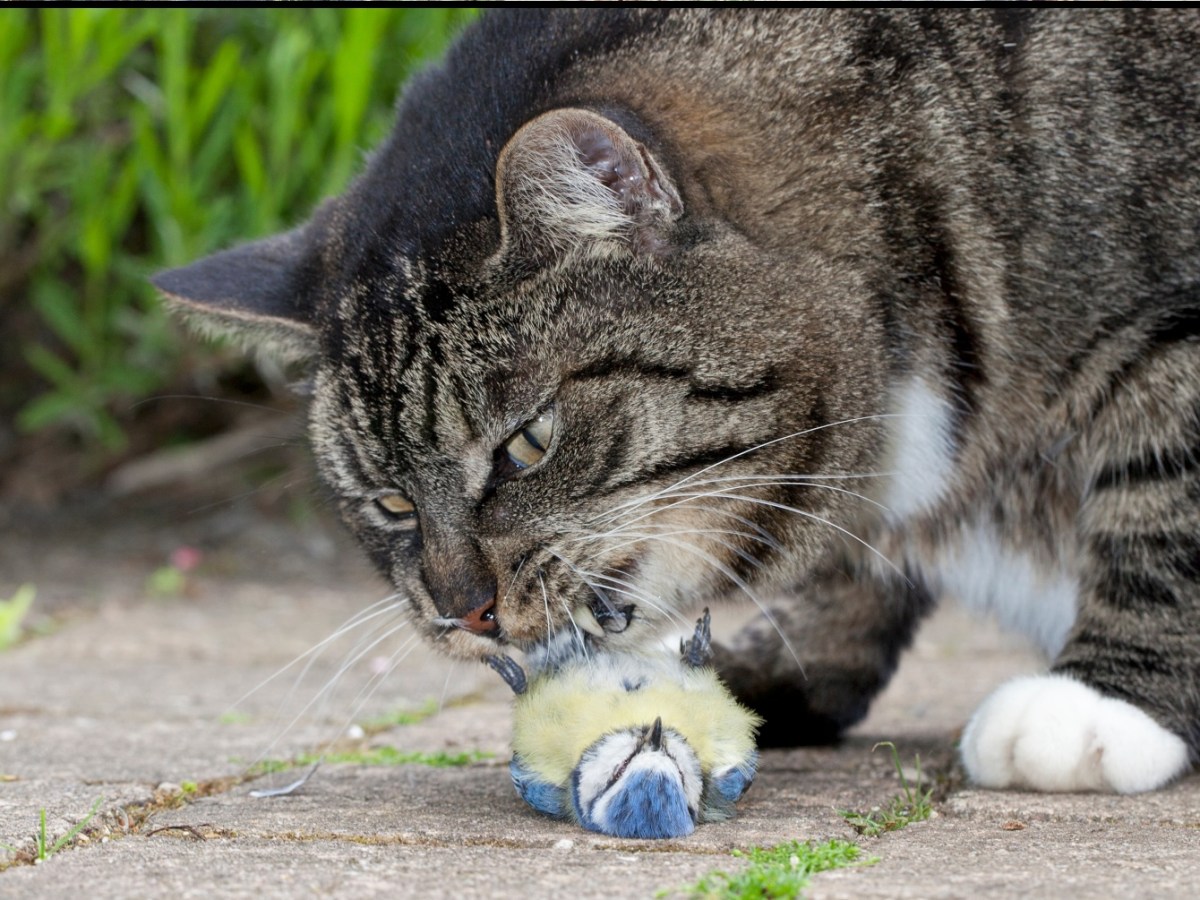
Those of us living with cats share our homes with an ancestral predator, one adapted for hunting and the frequent, exclusive consumption of meat. These instincts become fully activated outside the domestic environment, where cats pose a global threat to wildlife. Pets are family. We celebrate their arrival with the same joy as a grand…
Many animals avoid contact with people. In protected areas of the African savanna, mammals flee more intensely upon hearing human conversations than when they hear lions or sounds associated with hunting. This fear of humans affects how species use and move in their habitat. Throughout our lives, we interact with hundreds of wildlife species without…
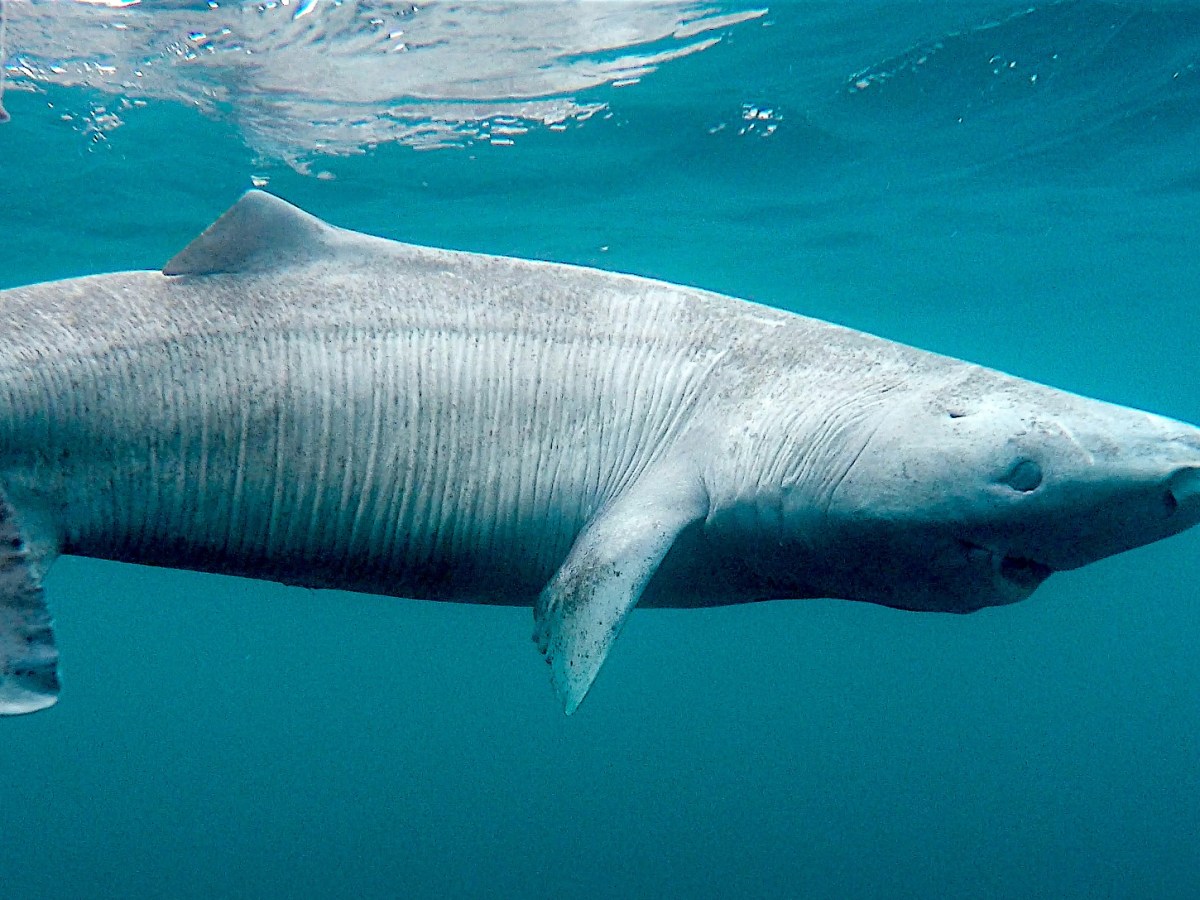
Deep-sea sharks include some of the longest-lived vertebrates known. The record holder is the Greenland shark, with a recently estimated maximum age of nearly 400 years. Their slow life cycle makes them vulnerable to fisheries. Humans rarely live longer than 100 years. But many other animals and plants can live for several centuries or even millennia, particularly…














 ConservationBytes.com