While some of us still might imagine the conservationist as a fancy explorer discovering new species in a remote corner of the world, or collecting samples while drowning in mud, a growing portion of conservation science nowadays consists of asking people about their ideas and behaviours.
Needless to say, this approach produces a fair share of awkward, if not dangerous, situations. After all, who likes the idea of completing a questionnaire from the fisheries office, asking about compliance with harvest limitations or licence fees? Or, even worse, who fancies being asked about the possession of illegally traded wildlife?
Many conservationists would really like to have this valuable information, but at the same time it is clear that these questions put people at great discomfort. This leads to biased estimates of important behaviours affecting conservation. This is where specialised questioning techniques can help.
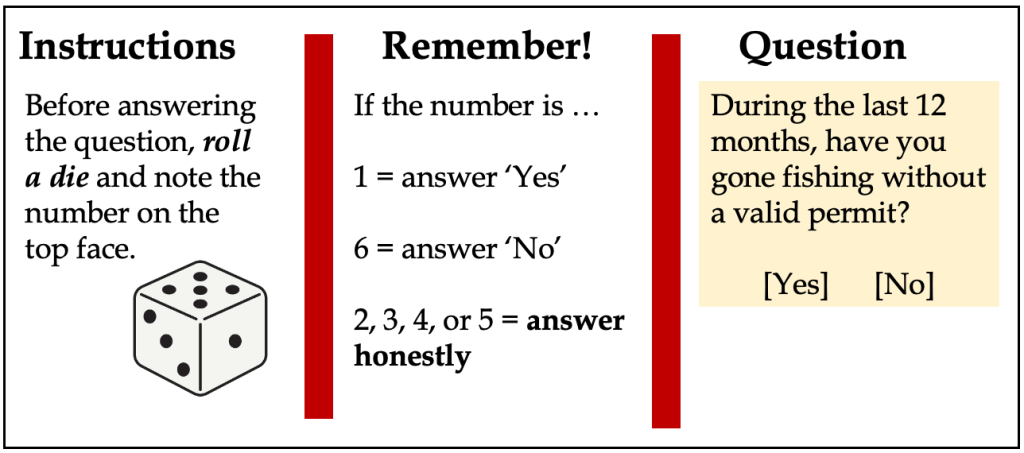
Specialised questioning techniques aim to prevent researchers, or anyone else, to trace back individual answers. Many do so by adding noise with a known distribution to individual answers. Then, when all answers are pooled, this noise is ruled out with statistical approaches. Noise can come from a randomising device (e.g. a die), like in the randomised response technique:
Individual answers can also be masked by asking respondents not to indicate if they engaged in a certain behaviour, but by asking them, out of a list of sensitive and non-sensitive behaviours, to indicate the number in which they engaged. This is the case of the unmatched count technique (a.k.a list experiments):
There are many hypotheses about where the Indigenous ancestors first settled in Australia tens of thousands of years ago, but evidence is scarce.
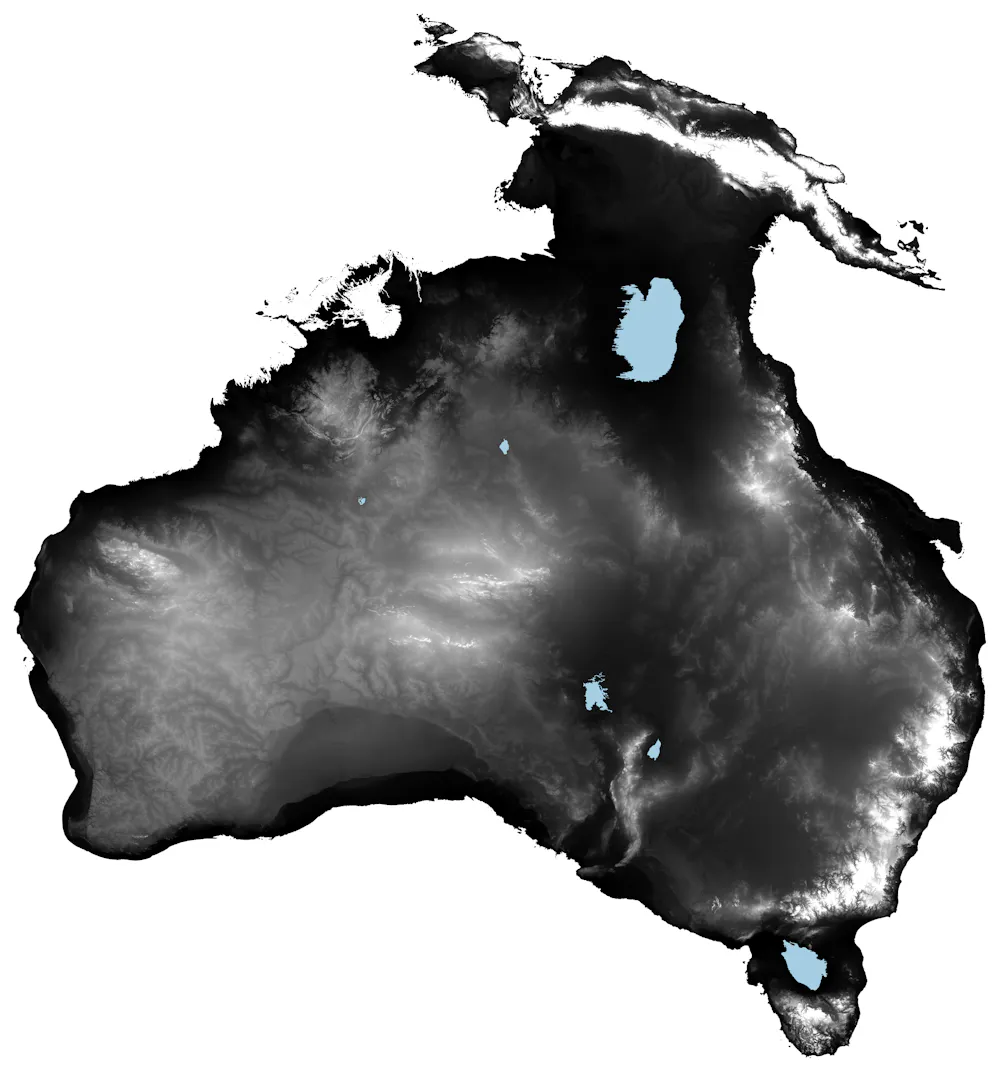
Few archaeological sites date to these early times. Sea levels were much lower and Australia was connected to New Guinea and Tasmania in a land known as Sahul that was 30% bigger than Australia is today.
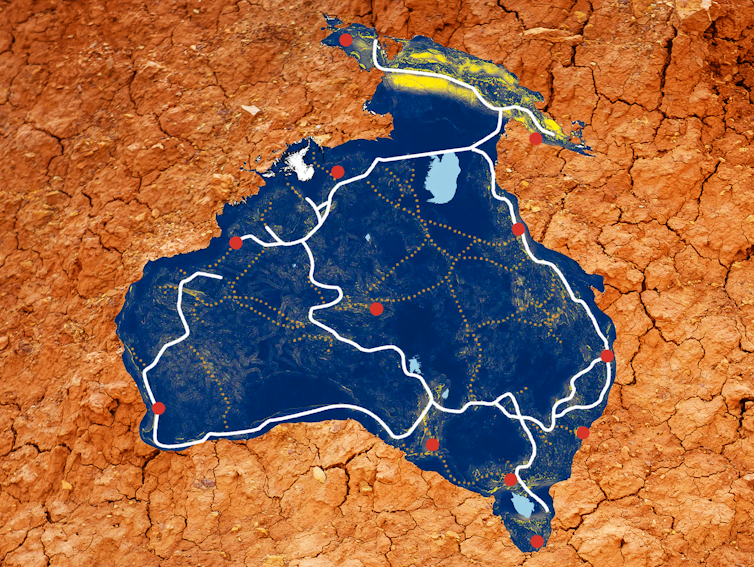
Our latest research advances our knowledge about the most likely routes those early Australians travelled as they peopled this giant continent.
Modelling human movement requires understanding how people navigate new terrain. Computers facilitate building models, but they are still far from easy. We reasoned we needed four pieces of information: (1) topography; (2) the visibility of tall landscape features; (3) the presence of freshwater; and (4) demographics of the travellers.
We think people navigated in new territories — much as people do today — by focusing on prominent land features protruding above the relative flatness of the Australian continent. Read the rest of this entry »
We know it is more than 60,000 years since the first people entered the continent of Sahul — the giant landmass that connected New Guinea, Australia and Tasmania when sea levels were lower than today.
But where the earliest people moved across the landscape, how fast they moved, and how many were involved, have been shrouded in mystery.
Our latest research, published today shows the establishment of populations in every part of this giant continent could have occurred in as little as 5,000 years. And the entire population of Sahul could have been as high as 6.4 million people.
This translates to more than 3 million people in the area that is now modern-day Australia, far more than any previous estimate.
The first people could have entered through what is now western New Guinea or from the now-submerged Sahul Shelf off the modern-day Kimberley (or both).
But whichever the route, entire communities of people arrived, adapted to and established deep cultural connections with Country over 11 million square kilometres of land, from northwestern Sahul to Tasmania.
Map of what Australia looked like for most of the human history of the continent when sea levels were lower than today. Author provided
This equals a rate of population establishment of about 1km per year (based on a maximum straight-line distance of about 5,000km from the introduction point to the farthest point).
That’s doubly impressive when you consider the harshness of the Australian landscape in which people both survived and thrived.
What was the Medieval warm period? What caused it, and did carbon dioxide play a role?
We are living in a world that is getting warmer year by year, threatening our environment and way of life.
But what if these climate conditions were not exceptional? What if it had already happened in the past when human influences were not part of the picture?
The often mentioned Medieval warm period seems to fit the bill. This evokes the idea that if natural global warming and all its effects occurred in the past without humans causing them, then perhaps we are not responsible for this one. And it does not really matter because if we survived one in the past, then we can surely survive one now.
This Medieval period of warming, also known as the Medieval climate anomaly, was associated with an unusual temperature rise roughly between 750 and 1350 AD (the European Middle Ages). The available evidence suggests that at times, some regions experienced temperatures exceeding those recorded during the period between 1960 and 1990. Read the rest of this entry »
They’re one of the most damaging environmental forces on Earth. They’ve colonised pretty much every place humans have set foot on the planet. Yet you might not even know they exist.
We’re talking about alien species. Not little green extraterrestrials, but invasive plants and animals not native to an ecosystem and which become pests. They might be plants from South America, starfish from Africa, insects from Europe or birds from Asia.
These species can threaten the health of plants and animals, including humans. And they cause huge economic harm. Our research, recently published in the journal Nature, puts a figure on that damage. We found that globally, invasive species cost US$1.3 trillion (A$1.7 trillion) in money lost or spent between 1970 and 2017.
The cost is increasing exponentially over time. And troublingly, most of the cost relates to the damage and losses invasive species cause. Meanwhile, far cheaper control and prevention measures are often ignored.
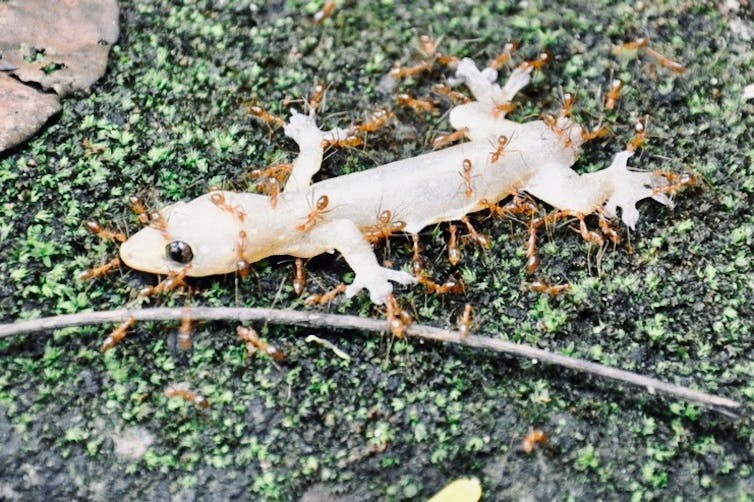
Yellow crazy ants, such as these attacking a gecko, are among thousands of invasive species causing ecological and economic havoc. Dinakarr, CC0, Wikimedia Commons
An expansive toll
Invasive species have been invading foreign territories for centuries. They hail from habitats as diverse as tropical forests, dry savannas, temperate lakes and cold oceans.
They arrived because we brought them — as pets, ornamental plants or as stowaways on our holidays or via commercial trade.
For many years I’ve been interested in modelling the extinction dynamics of megafauna. Apart from co-authoring a few demographically simplified (or largely demographically free) models about how megafauna species could have gone extinct, I have never really tried to capture the full nuances of long-extinct species within a fully structured demographic framework.
That is, until now.
But how do you get the life-history data of an extinct animal that was never directly measured. Surely, things like survival, reproductive output, longevity and even environmental carrying capacity are impossible to discern, and aren’t these necessary for a stage-structured demographic model?
The answer to the first part of that question “it’s possible”, and to the second, it’s “yes”. The most important bit of information we palaeo modellers need to construct something that’s ecologically plausible for an extinct species is an estimate of body mass. Thankfully, palaeontologists are very good at estimating the mass of the things they dig up (with the associated caveats, of course). From such estimates, we can reconstruct everything from equilibrium densities, maximum rate of population growth, age at first breeding, and longevity.
But it’s more complicated than that, of course. In Australia anyway, we’re largely dealing with marsupials (and some monotremes), and they have a rather different life-history mode than most placentals. We therefore have to ‘correct’ the life-history estimates derived from living placental species. Thankfully, evolutionary biologists and ecologists have ways to do that too.
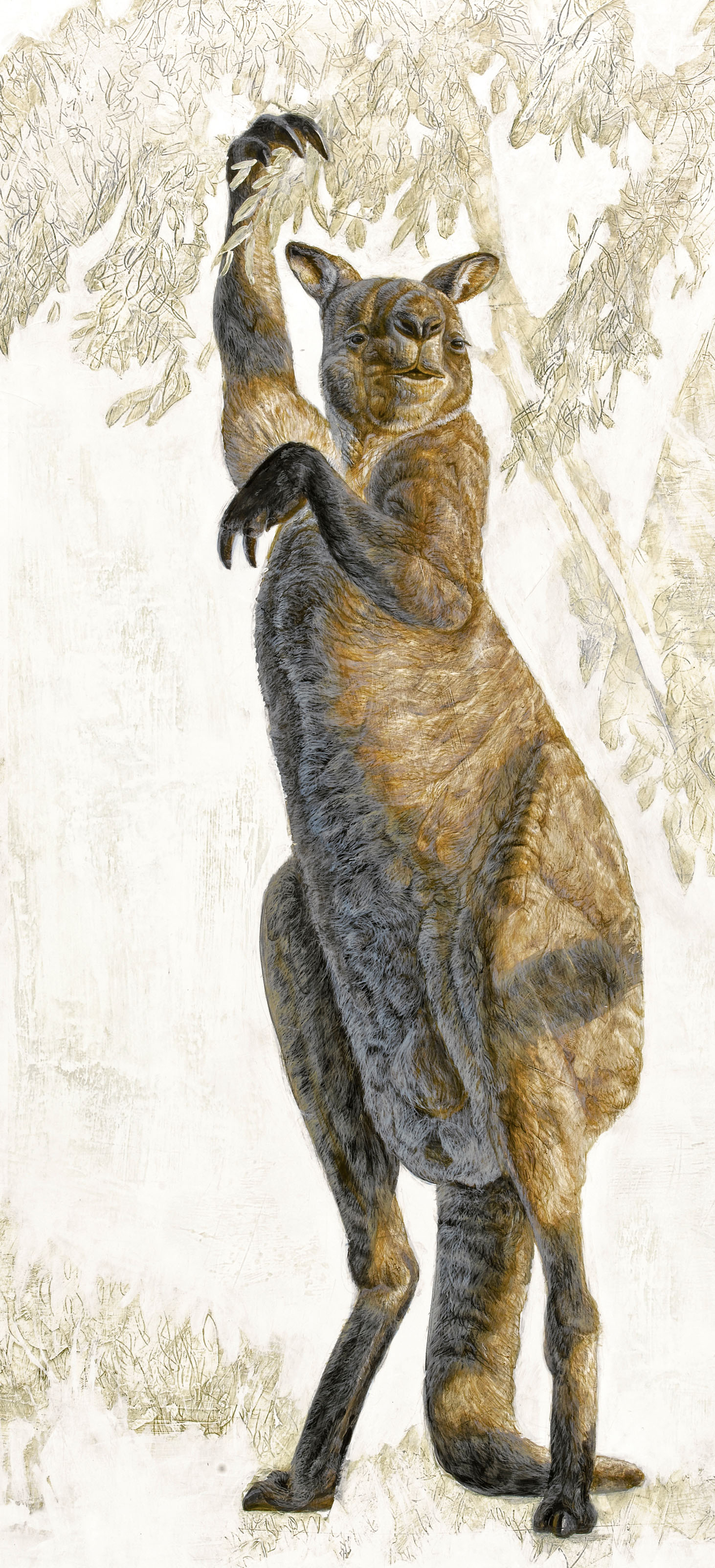
The Pleistocene kangaroo Procoptodon goliah, the largest and most heavily built of the short-faced kangaroos, was the largest and most heavily built kangaroo known. It had an unusually short, flat face and forwardly directed eyes, with a single large toe on each foot (reduced from the more normal count of four). Each forelimb had two long, clawed fingers that would have been used to bring leafy branches within reach.
So with a battery of ecological, demographic, and evolutionary tools, we can now create reasonable stochastic-demographic models for long-gone species, like wombat-like creatures as big as cars, birds more than two metres tall, and lizards more than seven metres long that once roamed the Australian continent.
Ancient clues, in the shape of fossils and archaeological evidence of varying quality scattered across Australia, have formed the basis of several hypotheses about the fate of megafauna that vanished during a peak about 42,000 years ago from the ancient continent of Sahul, comprising mainland Australia, Tasmania, New Guinea and neighbouring islands.
There is a growing consensus that multiple factors were at play, including climate change, the impact of people on the environment, and access to freshwater sources.
Just published in the open-access journal eLife, our latest CABAH paper applies these approaches to assess how susceptible different species were to extinction – and what it means for the survival of species today.
Using various characteristics such as body size, weight, lifespan, survival rate, and fertility, we (Chris Johnson, John Llewelyn, Vera Weisbecker, Giovanni Strona, Frédérik Saltré & me) created population simulation models to predict the likelihood of these species surviving under different types of environmental disturbance.
We compared the results to what we know about the timing of extinction for different megafauna species derived from dated fossil records. We expected to confirm that the most extinction-prone species were the first species to go extinct – but that wasn’t necessarily the case.
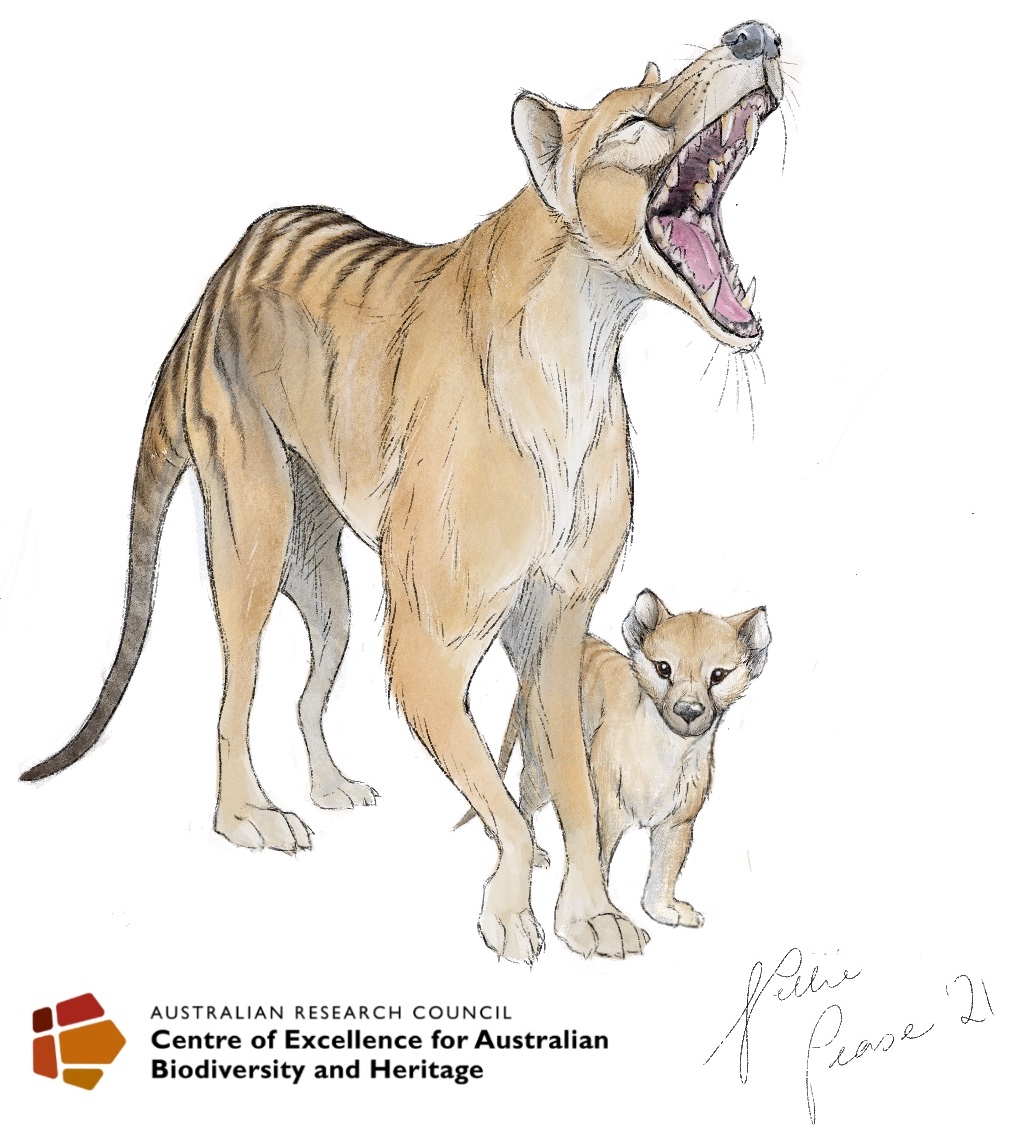
While we did find that slower-growing species with lower fertility, like the rhino-sized wombat relative Diprotodon, were generally more susceptible to extinction than more-fecund species like the marsupial ‘tiger’ thylacine, the relative susceptibility rank across species did not match the timing of their extinctions recorded in the fossil record.
Indeed, we found no clear relationship between a species’ inherent vulnerability to extinction — such as being slower and heavier and/or slower to reproduce — and the timing of its extinction in the fossil record.
In fact, we found that most of the living species used for comparison — such as short-beaked echidnas, emus, brush turkeys, and common wombats — were more susceptible on average than their now-extinct counterparts.
Let’s step back to 2015. In a former life when I was at another institution, I had the immense fortune and pleasure to spend six months on sabbatical in a little village just south of Paris working with my friend and colleague, Franck Courchamp, at Université Paris-Sud (now Université Paris-Saclay).
Sure, I felt a bit jammy living there with my daughter in a beautiful house just down the street from two mouth-watering pâtisseries and three different open marchés. We ate well. We picked mushrooms on the weekends or visited local châteaux. We went into the city and visited overwhelmingly beautiful museums at our leisure. We drank good champagne (well, I did, not my eight-year old). We had communal raclettes.
But of course, I was primarily there to do research with Franck and his lab, despite the obvious perks.
While I busied myself with several tasks while there, one of our main outputs was to put together the world’s first global database of the costs of invasive insects, which we subsequently published in 2016.
But that was only the beginning. With funding that started off the process with insects, Franck persevered and hired postdocs and took on more students to build the most comprehensive database of all invasive species ever compiled — InvaCost.
I cannot stress enough how massive an undertaking this was. It’s not simply a big list of all the cost estimates in existence, it’s also a detailed assessment of cost reliability, standardisation, and contextualisation. I’m not sure I would have had the courage to do this myself.
Herein we described how the economic costs of invasive alien species accumulated since 1970 are tremendous, and that they have been steadily increasing over time.
Easy. Don’t go swimming/surfing/snorkelling/diving in the ocean.
“Oh, shit”
Sure, that’s true, but if you’re like many Australians, the sea is not just a beautiful thing to look at from the window, it’s a way of life. Trying telling a surfer not to surf, or a diver not to dive. Good luck with that.
It turns out that many of the deterrents we tested failed to show any reduction in the probability of a shark biting, with only one type of electronic deterrent showing any effect at all (~ 60% reduction).
Great. But what might that mean in terms of how many people could be saved by wearing such electronic deterrents? While the probability of being bitten by a shark is low globally, even in Australia (despite public perceptions), we wondered if the number of lives saved and injuries avoided was substantial.
In a new paper just published today in Royal Society Open Science, we attempted to answer that question.
To predict how many people could avoid shark bites if they were using properly donned electronic deterrents that demonstrate some capacity to dissuade sharks from biting, we examined the century-scale time series of shark bites on humans in Australia. This database — the ‘Australian Shark Attack File‘ — is one of the most comprehensive databases of its kind.
Given the ‘success’ (i.e., a lot of people seem to be reading it) of our recent Ghastly Future paper, I thought it would be interesting to go back and have a look at what we wrote in our 2015 book Killing the Koala on the subject. I think you’ll find that if anything we were probably overly optimistic.
An updated digest of that material follows.
When your accountant tells you to reduce expenditure, you do it or risk bankruptcy; when your electrician tells you the wiring in your house is dodgy, you replace it or risk your family dying in an avoidable fire; when your doctor tells you your cholesterol is too high, you cut back fat intake (and/or take cholesterol-reducing drugs) or risk a heart attack.
Yet few with any real political or financial power heed the warnings of environmental scientists. It is not just a few of us either — globally, ecologists, conservation biologists and environmental scientists are united in telling the world (for decades now) that growth in population and consumption cannot go on forever. They have been united in telling us if we do not clean up our planet, our life-support systems could ultimately fail.
There are now nearly eight billion people on Earth, and median projections suggest that the population will grow to ten billion or more by the end of the century. Some analyses indicate that with present technologies, Earth could only sustainably support indefinitely some 5 billion people under best-case scenarios, but assuming similar proportions of poverty and suffering as we have today. Others imply that 5 billion could be many too many.
As a result, humanity is entering that near-perfect storm of problems driven by overpopulation, overconsumption, gross inequalities, and the use of needlessly environmentally damaging technologies. The problems include the intertwined dilemmas of loss of the biodiversity that runs human life-support systems, climate disruption, energy shortages, global toxification, alteration of critical biogeochemical cycles, shortages of water, soil, mineral resources and farmland, and increasing probability of vast epidemics (as COVID-19 poignantly exemplifies).
In some African countries, lion trophy hunting is legal. Riaan van den Berg
In sub-Saharan Africa, almost 1,400,000 km² of land spread across many countries — from Kenya to South Africa — is dedicated to “trophy” (recreational) hunting. This type of hunting can occur on communal, private, and state lands.
The hunters – mainly foreign “tourists” from North America and Europe – target a wide variety of species, including lions, leopards, antelopes, buffalo, elephants, zebras, hippopotamus and giraffes.
Debates centred on the role of recreational hunting in supporting nature conservation and local people’s livelihoods are among the most polarising in conservation today.
On one hand, people argue that recreational hunting generates funding that can support livelihoods and nature conservation. It’s estimated to generate US$200 million annually in sub-Saharan Africa, although others dispute the magnitude of this contribution.
On the other hand, hunting is heavily criticised on ethical and moral grounds and as a potential threat to some species.
Evidence for taking a particular side in the debate is still unfortunately thin. In our recently published research, we reviewed the large body of scientific literature on recreational hunting from around the world, which meant we read and analysed more than 1000 peer-reviewed papers.
My father was a hunter, and by proxy so was I when I was a lad. I wasn’t really a ‘good’ hunter in the sense that I rarely bagged my quarry, but during my childhood not only did I fail to question the morality of recreational hunting, I really thought that in fact it was by and large an important cultural endeavour.
It’s interesting how conditioned we become as children, for I couldn’t possibly conceive of hunting a wild, indigenous species for my own personal satisfaction now. I find the process not only morally and ethically reprehensible, I also think that most species don’t need the extra stress in an already environmentally stressed world.
I admit that I do shoot invasive European rabbits and foxes on my small farm from time to time — to reduce the grazing and browsing pressure on my trees from the former, and the predation pressure on the chooks from the latter. Of course, we eat the rabbits, but I tend just to bury the foxes. My dual perspective on the general issue of hunting in a way mirrors the two sides of the recreational hunting issue we report in our latest paper.
Wild boar (Sus scrofus). Photo: Valentin Panzirsch, CC BY-SA 3.0 AT, via Wikimedia Commons
I want to be clear here that our paper focuses exclusively on recreational hunting, and especially the hunting of charismatic species for their trophies. The activity is more than just a little controversial, for it raises many ethical and moral concerns at the very least. Yet, recreational hunting is frequently suggested as a way to conserve nature and support local people’s livelihoods.
This might be a little outside the realms of ‘conservation’ per se, but put has a lot of ecology-evolution components, with spin-off applications to modern conservation. Please spread the word.
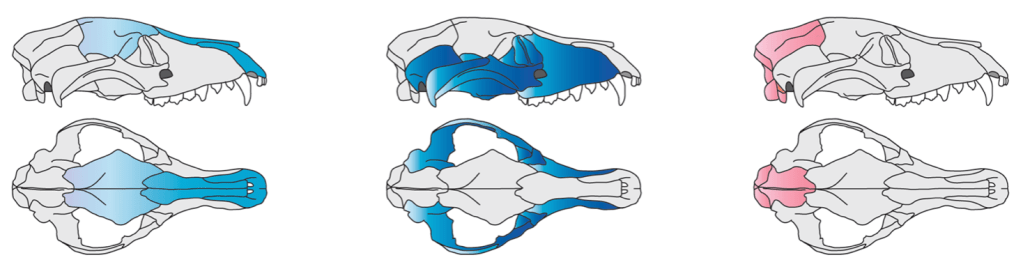
The Research Associate will investigate how the skull of extant mammal populations varies according to their environment, with a focus on the interaction between mega-herbivores and vegetation change.
The project aims to understand the relationship between evolved morphological adaptation and phenotypic plasticity in changing local environments. The Research Associate will extrapolate this knowledge to the iconic extinct Australian megafauna, with the aim of establishing how changing conditions of the past might have contributed to the demise of the Australian megafauna.
The candidate will be expected to work within a large group of collaborators at Flinders University and interstate, and supervise postgraduate students. The collaboration environment includes teams of national and international researchers, and will particularly integrate research in Global Ecology Lab led by Corey Bradshaw, and Chris Johnson‘s lab at the University of Tasmania. The candidate will be expected to liaise with academic, administrative and technical staff according to the University’s policies, practices and standards.
In the second of two consecutive interviews with climate-change experts (see the first one here), readers of the Spanish magazine Quercus have a chat with Katharine Hayhoe. Her words blend hope with the most putrid reality of economics and politics. May this interview inspire some environment-friendly changes in our daily routines and in how we see the beautiful life that surrounds us.
PhD in climate science, professor in political science and co-director of the Climate Centre at Texas Tech University (USA), Katharine Hayhoe works on climate projections and mitigation (1-3). Her prominent profile as communicator (4-6) made her one of the 100th most influential people in the world. To the left, Katharine has “A conversation on climate change” with citizens at the Lyndon Baines Johnson Presidential Library and Museum (Austin). Photo credits: Artie Limmer (portrait) & Jay Godwin (talk).
Interview done 20 October 2020
Below we italicise each question and the name of the person asking the question and cite a range of publications we deem relevant per question. For expanding on Katharyne Hayhoe’s views on climate change, see a sample of her public talks here and here, interviews here and here, and newspaper articles here and here. We love one of the titles of her newspaper articles “A thermometer is not liberal or conservative”. A spanish version of this article and interview has been published in the February 2021 issue of the magazine Quercus.
Question 1 of 4: There are extraordinarily influential people on a global scale who have a utilitarian perspective of nature, and think that climate change (be it of anthropogenic origin or not) entails advantages and opportunities to Western economies, and that we will be able to adapt whether changes are reversible or irreversible. Can we engage or use those influential people in any possible way to abate climate change?(7, 8)/ Iñaki García Pascual (Environmental geologist)
Hayhoe:
Climate change has some localised, short-term, specific benefits (9). One example is increased access to oil and gas resources in a melting Arctic (10). This temporarily profits oil and gas industries, provides some financial benefit to local communities in Greenland and Alaska short-term, and harms both them and everyone else in the long term. A book called Windfall by Mackenzie Funk describes who is “profiteering” from climate change, and how.
Overall, however, climate change already harms the majority of people today. The poor, the vulnerable, and the marginalized are affected first and foremost. Since the 1960s, for example, climate change has increased the gap between the richest and poorest countries in the world by as much as 25 per cent. In 2019, UN Special Rapporteur on extreme poverty and human rights, Philip Alston, warned that climate change “threatens to undo the last 50 years” of development, global health and poverty reduction.” (11)
And while the rich may be able to temporarily “buy their way out of rising heat and hunger”, as Alston put it, the truth is that we all live on this planet, no matter how wealthy and influential we are. The air we breathe, the water we drink, the food we eat and all the resources we use come from our shared home.
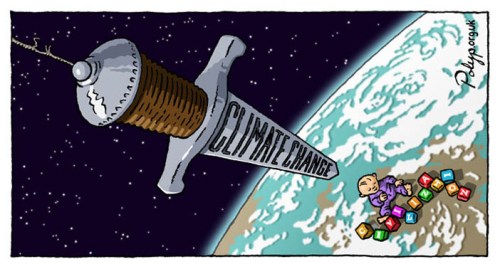
Climate change threatens the ability of our planet to support human civilisation as we know it. It is a threat multiplier, attacking our health, our economy, our resources and even our security. As climate change intensifies and economic markets crumble and refugee crises surge, even those who may temporarily benefit from a warmer world will be negatively impacted by these changes long-term.
That’s why it makes so much sense to take practical steps to limit carbon pollution now. Many of these actions also provide us with short-term benefits that can be quantified in economic terms: like energy savings through efficiency, cheaper electricity from renewables, more jobs, better public transportation, and even faster cars (like Tesla). Climate action also provides less tangible but arguably even more important benefits: cleaner air and water, better health, poverty reduction, and a host of other co-benefits that substantively move us towards meeting key UN Sustainable Development Goals.
To care about climate change, we don’t have to be a certain type of person or live in a certain place or vote a certain way: all we have to be is a human living on this planet, and we’re all that.
Radiocarbon (14C) dating was developed by Nobel-Prize winning chemist Willard Libby, and has become the predominant method to build chronologies of ancient populations and species using the Quaternary fossil record. I have just published a research paper about 14C dating of fossil bone reviewing the four standard chemical pretreatments of bone collagen to avoid sample contamination and generate accurate fossil ages: gelatinization, ultrafiltration, XAD purification and hydroxyproline isolation. Hydroxyproline isolation is perceived as the most accurate pretreatment in a questionnaire survey completed by 132 experts from 25 countries, but remains costly, time-consuming and not widely available. I argue that (1) innovation is urgently required to develop affordable analytical chemistry to date low-mass samples of collagen amino acids, (2) those developments should be overseen by a certification agency, and (3) 14C users should be more conceptually involved in how (much) 14C chemistry determines dating accuracy. Across the board, scientific controversies like the timing of Quaternary extinctions need not be fuelled by inaccurate chronological data.
Megafauna bones from the Quaternary fossil record. Top: excavation of a partial skeleton of a short-faced kangaroo Procoptodon browneorum at Tight Entrance Cave (Western Australia) [1]: these bones are close to the limit of radiocarbon (14C) dating in a geological context 43000 to 49000 years old. Middle: metacarpal of the extinct horse Hippidion cf. devillei from Casa del Diablo (Peru) 14C dated at 11980 ± 100 years before present (BP) (CAMS-175039) following XAD purification of collagen gelatin [2]. Bottom:collection of skeletal remains of (mostly) red deer Cervus elaphus from El Cierro Cave (Spain) 14C dated at 15520 ± 75 years BP on ultrafiltered gelatin (OxA-27869 and OxA-27870 average) [3].
Scientists have widely been interested in the present and future state of biodiversity. Ecologists (the main audience of this blog) have also looked into the past with pioneering investigations addressing the composition of ancient forests and the origins of agriculture in layers of fossil pollen accumulated in lake sediments [4]. But it took us decades to see the fossil record as a useful tool (combining biological, geochemical and molecular techniques) to answer basic ecological questions. Some of those questions are critical for conserving today’s biodiversity [5, 6]: for example, when did human impacts on ecosystems become global or what extinct species have best tolerated past environmental change and what that means to modern species? [7].
The study of (pre)historic biological events relies one way or another on our ability to time when a certain animal, human, or plant occurred and what environmental conditions they experienced, and relies on concepts borrowed from archaeology (past human activity), palaeontology (fossils), palaeocology (species responses to past environments), and geochronology (age of fossils and/or their geological context). Among the range of chronological methods available to date biological and cultural samples [8], radiocarbon (14C) dating has become the most important for dating bones aged modern to late Quaternary (last ~ 50,000 years).Hereafter, ‘bone’ comprises antler, bone, ivory and teeth. 14C dating of bones is appealing at least for four reasons:
Anyone with even a passing interest in the global environment knows all is not well. But just how bad is the situation? Our new paper shows the outlook for life on Earth is more dire than is generally understood.
The research published today reviews more than 150 studies to produce a stark summary of the state of the natural world. We outline the likely future trends in biodiversity decline, mass extinction, climate disruption and planetary toxification. We clarify the gravity of the human predicament and provide a timely snapshot of the crises that must be addressed now.
The problems, all tied to human consumption and population growth, will almost certainly worsen over coming decades. The damage will be felt for centuries and threatens the survival of all species, including our own.
Our paper was authored by 17 leading scientists, including those from Flinders University, Stanford University and the University of California, Los Angeles. Our message might not be popular, and indeed is frightening. But scientists must be candid and accurate if humanity is to understand the enormity of the challenges we face.
Humanity must come to terms with the future we and future generations face. Shutterstock
Getting to grips with the problem
First, we reviewed the extent to which experts grasp the scale of the threats to the biosphere and its lifeforms, including humanity. Alarmingly, the research shows future environmental conditions will be far more dangerous than experts currently believe. Read the rest of this entry »
“I wish it need not have happened in my time,” said Frodo. “So do I,’ said Gandalf, “and so do all who live to see such times. But that is not for them to decide. All we have to decide is what to do with the time that is given us.”
Frodo Baggins and Gandalf, The Fellowship of the Ring
Today, 16 high-profile scientists and I published what I describe as a ‘cold shower’ about society’s capacity to avoid a ghastly future of warfare, disease, inequality, persecution, extinction, and suffering.
And it goes way beyond just the plight of biodiversity.
No one who knows me well would mistake me for an optimist, try as I might to use my colleagues’ and my research for good. Instead, I like to describe myself as a ‘realist’. However, this latest paper has made even my gloomier past outputs look downright hopeful.
And before being accused of sensationalism, let me make one thing abundantly clear — I sincerely hope that what we describe in this paper does not come to pass. Not even I am that masochistic.
I am also supportive of every attempt to make the world a better place, to sing about our successes, regroup effectively from our failures, and maintain hope in spite of evidence to the contrary.
But failing to acknowledge the magnitude and the gravity of the problems facing us is not just naïve, it is positively dangerous and potentially fatal.
As the pandemic rages globally, and the fragility of the American political system goes on full display, I give you the first set of biodiversity cartoons for 2021. See full stock of previous ‘Cartoon guide to biodiversity loss’ compendia here.
The reasons we developed a multi-index rank are many (summarised here), but they essentially boil down to the following rationale:
(i) No single existing index is without its own faults; (ii) ranks are only really meaningful when expressed on a relative scale; and (iii) different disciplines have wildly different index values, so generally disciplines aren’t easily compared.
That’s why I made the R code available to anyone wishing to reproduce their own ranked sample of journals. However, given that implementing the R code takes a bit of know-how, I decided to apply my new-found addiction to R Shiny to create (yet another) app.
This new app takes a pre-defined list of journals and the required indices, and does the resampled ranking for you based on a few input parameters that you can set. It also provides a few nice graphs for the ranks (and their uncertainties), as well as a plot showing the relationship between the resulting ranks and the journal’s Impact Factor (for comparison).
Following my late-December tradition, I present — in no particular order — a retrospective list of the ‘top’ 20 influential papers of 2020 as assessed by experts in Faculty Opinions(formerly known as F1000). See previous years’ lists here: 2019, 2018, 2017, 2016, 2015, 2014, and 2013.
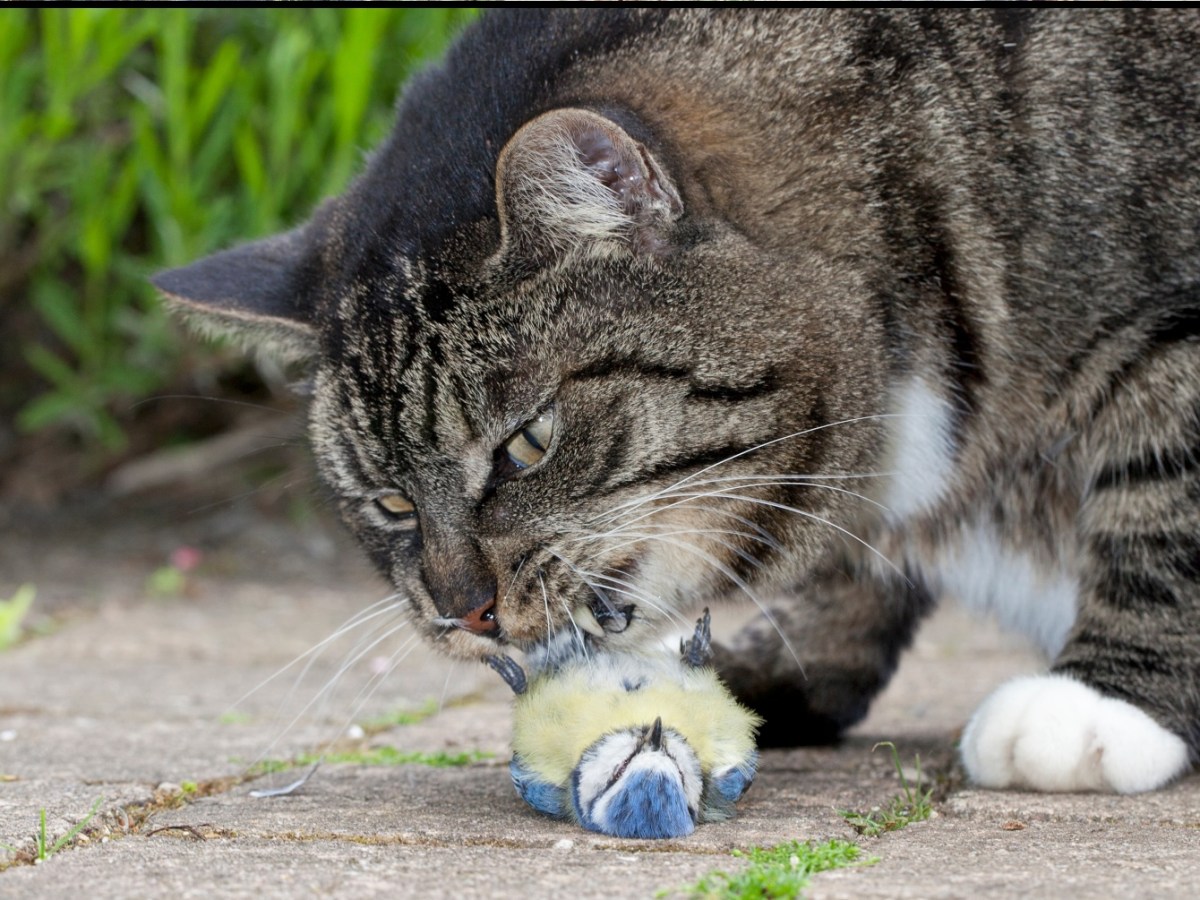
Those of us living with cats share our homes with an ancestral predator, one adapted for hunting and the frequent, exclusive consumption of meat. These instincts become fully activated outside the domestic environment, where cats pose a global threat to wildlife. Pets are family. We celebrate their arrival with the same joy as a grand…
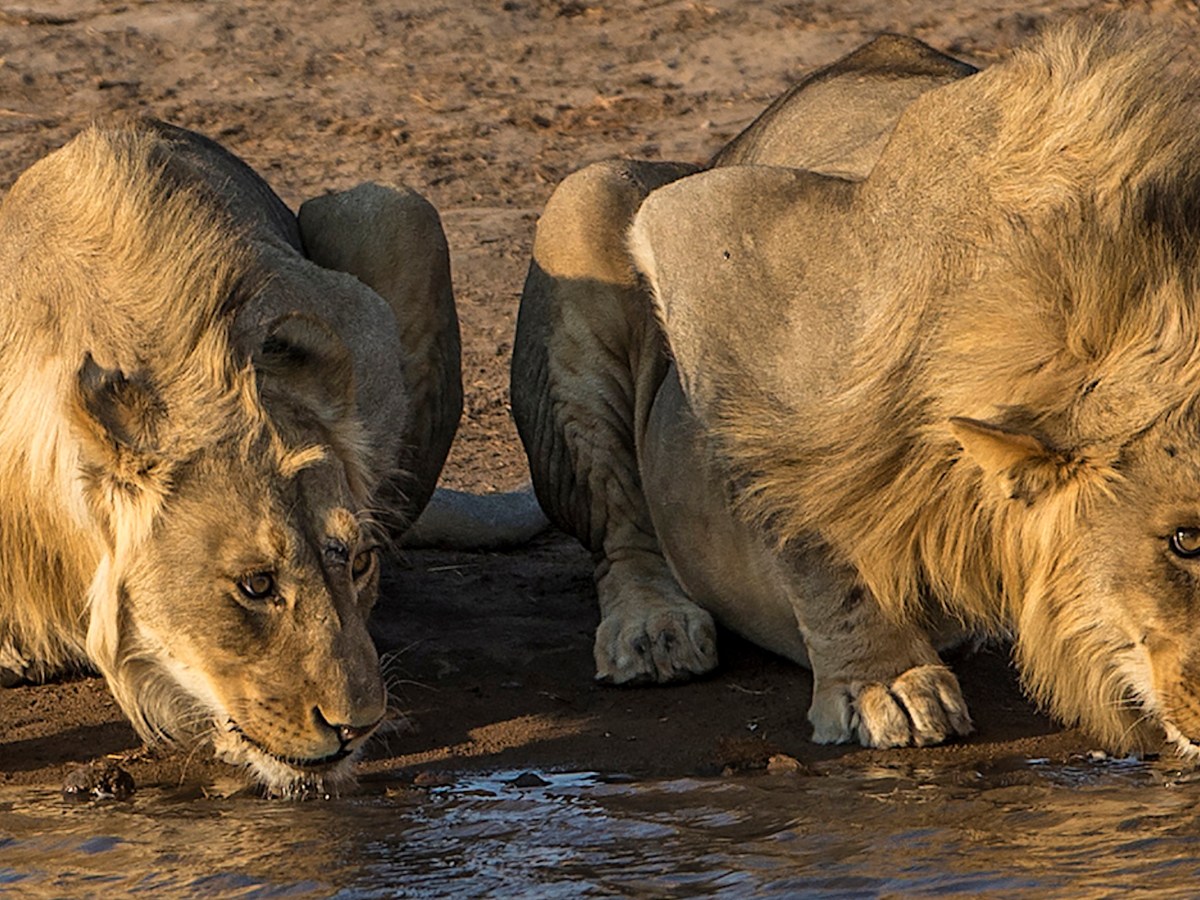
Many animals avoid contact with people. In protected areas of the African savanna, mammals flee more intensely upon hearing human conversations than when they hear lions or sounds associated with hunting. This fear of humans affects how species use and move in their habitat. Throughout our lives, we interact with hundreds of wildlife species without…
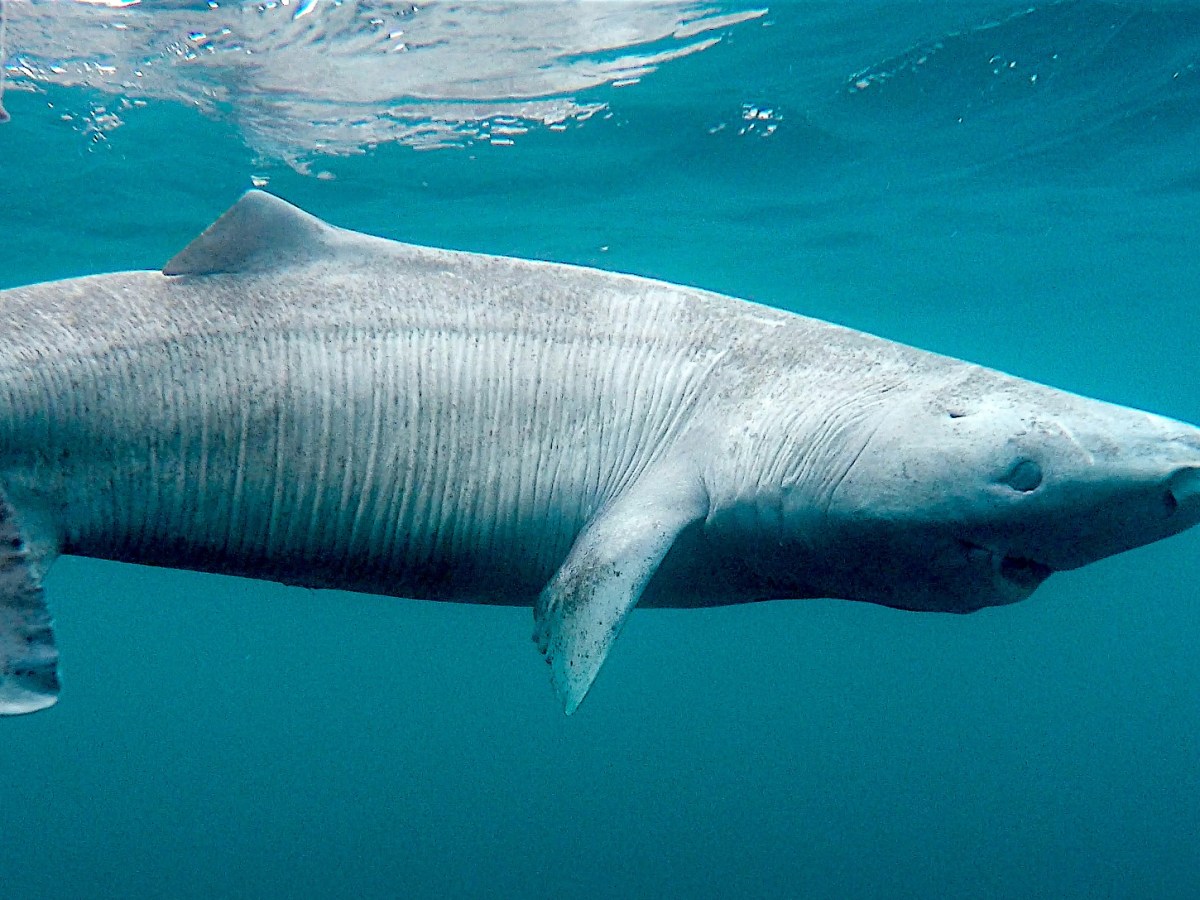
Deep-sea sharks include some of the longest-lived vertebrates known. The record holder is the Greenland shark, with a recently estimated maximum age of nearly 400 years. Their slow life cycle makes them vulnerable to fisheries. Humans rarely live longer than 100 years. But many other animals and plants can live for several centuries or even millennia, particularly…













 ConservationBytes.com