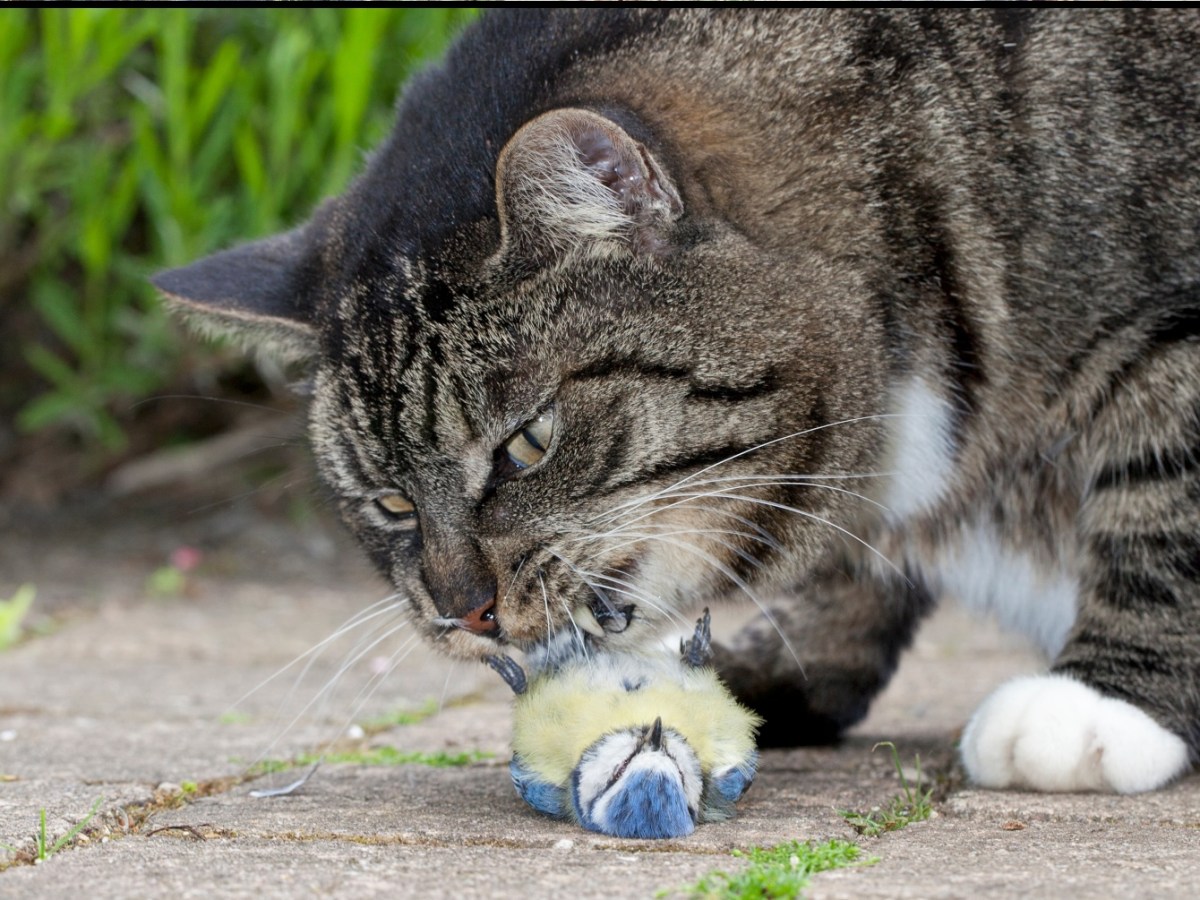
Those of us living with cats share our homes with an ancestral predator, one adapted for hunting and the frequent, exclusive consumption of meat. These instincts become fully activated outside the domestic environment, where cats pose a global threat to wildlife.
Pets are family. We celebrate their arrival with the same joy as a grand homecoming, and their absence leaves a grief as deep as losing a loved one. In bonding with cats and dogs, we often attribute human abilities and emotions to them.
But beyond this affection, domestic animals still carry the instincts and genetic legacy of their wild ancestors(1, 2). My cats — Caruso, Muesli, and Plata — have been calm and loving, but they have always enjoyed a real hunt (3). When a moth comes in through a window, they seem possessed: their mouths chitter and make clicking sounds, they leap from one piece of furniture to another, and their heads snap sharply between the insect’s position and other points in the room, calculating the best spot from which to pounce on their prey. That is why when they become feral, cats and dogs integrate into food chains like any other species: they compete for ecosystem resources, hunt and are hunted, and hybridise and exchange diseases with other carnivores (4, 5).
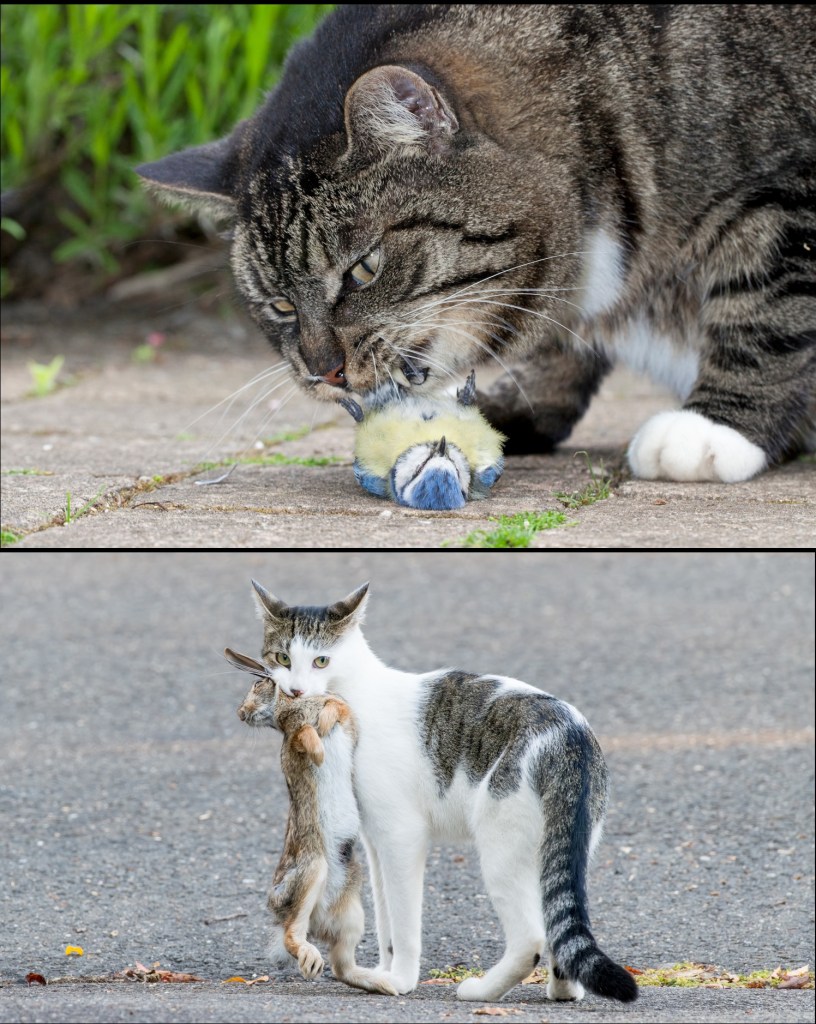
Top: cat eating an Eurasian blue tit (Cyanistes caeruleus), a common visitor to home gardens in Nijmegen (Netherlands). Bottom, domestic cat after hunting an Eastern cottontail rabbit (Sylvilagus floridanus) in a residential neighbourhood of Stratford (Connecticut, USA). Photos courtesy of Jelger Herder (Nijmegen) and Scott Kruitbosch (Stratford). Scott is a photographer and conservationist. Near sunset on 30/09/2020, while intently observing local wildlife, he witnessed a neighbourhood cat sneak up from behind on a cottontail feeding in open grass and grab it. For years, Scott has had extremely negative interactions, both in person and online, with local residents over these issues. These exchanges have revealed that many people show little concern for wildlife or for the dangers their outdoor cats face, and believe that their cats would not, or could not, harm wildlife.
Domestic cats are highly skilled hunters, and their predatory interactions with a wide range of prey are widely documented in social media and documentaries. Some examples include cats catching: bats and birds on the wing, butterflies, chipmunks, dragons, fishes, grasshoppers, frogs, lizards, mice, owls, rabbits, seagulls, snakes, squirrels, and wallabies. See an award-winning photo depicting wildlife with fatal injuries caused by cats recorded in 2019 at a single animal hospital in the USA, and a video showing domestic cats mimicking bird calls and some cat owners explaining that their pets reject commercial cat food after experiencing the thrill of hunting real prey. The documentary Secret Life of Cats contextualises the ecological challenges posed by free-roaming cats.
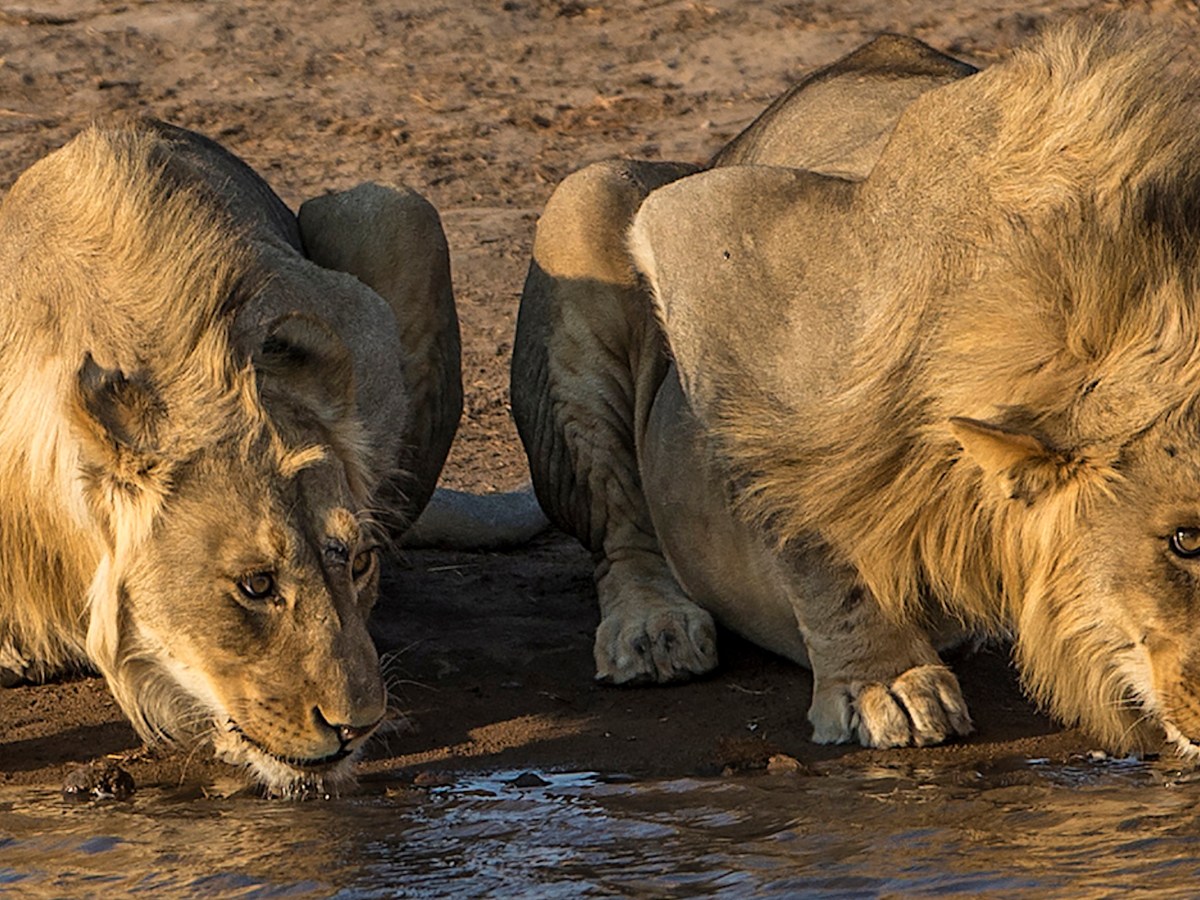
Many animals avoid contact with people. In protected areas of the African savanna, mammals flee more intensely upon hearing human conversations than when they hear lions or sounds associated with hunting. This fear of humans affects how species use and move in their habitat.
Throughout our lives, we interact with hundreds of wildlife species without stopping to think about it. These interactions can be direct, such as encountering wild animals while hiking in the mountains or driving through rural areas — or more deliberate, as when we engage with wildlife for food, sport, or trade. As hunters, fishers, and collectors, we kill more than 15,000 species of vertebrates — one-third of known diversity — a range of prey 300 times greater than that of any other predator our size (1).
Now, let’s look at it from the other side. Anyone who has survived an attack or a fatal accident, they understand that the experience is remembered for a lifetime. Likewise, animals store information about threatening or harmful encounters with humans (2). For them, adjusting their behaviour in response to human presence has implications for their survival and reproduction (3, 4), which are passed down from generation to generation (5). This ability to adapt, for example, determines which individuals, populations and species coexist with us in urbanised environments (6).
Response to dangerous sounds
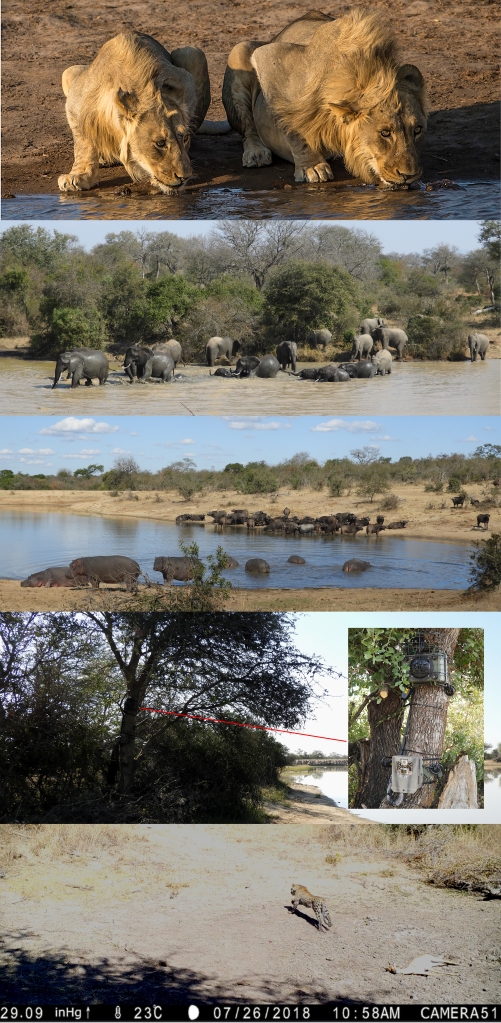
Liana Zanette and her team measured the flight responses of wild mammals in the Greater Kruger National Park (South Africa) when exposed to sounds that signal danger (7) [video-summary]. To do this, Zanette recorded videos of more than 4,000 visits to 21 waterholes by 18 mammal species. During each visit, a speaker attached to a tree randomly played one of five playback sounds: hunting dogs barking, gunshots, lion growls, human conversations in a calm tone and, as a control, the songs of harmless birds.
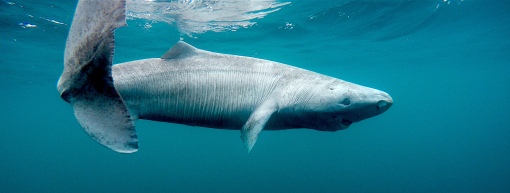
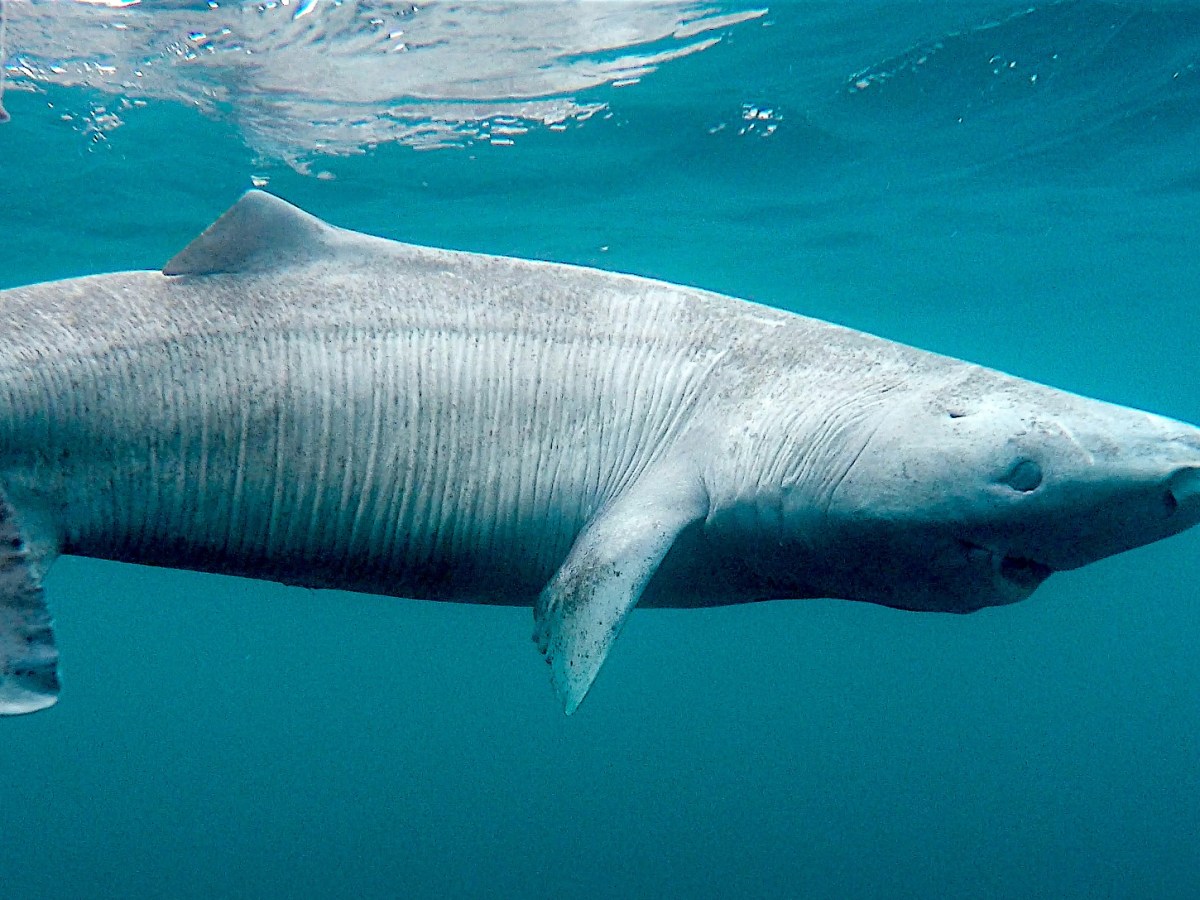
Deep-sea sharks include some of the longest-lived vertebrates known. The record holder is the Greenland shark, with a recently estimated maximum age of nearly 400 years. Their slow life cycle makes them vulnerable to fisheries.
In the Arctic, there are whales that have survived since the time of Napoleon’s Empire; in the Atlantic, there are molluscs that were contemporary with Christopher Columbus’ voyages; and in Antarctica, there are sponges born before the Holocene when humans were still an insignificant species of hunter-gatherers (see video on lifespan variation in wildlife).
Long-lived species grow slowly and reproduce at later ages (1, 2). As a result, these animals require a long time to form abundant populations and to recover from fishing-related mortality.
Among cartilaginous fish (chimaeras, rays, sharks, and skates), the risk of extinction due to overfishing is twice as high for deep-sea species compared to coastal species, because the former have longer and slower life cycles (3).
The Black Summer bushfires of 2019–2020 that razed more than half of the landscape on Kangaroo Island in South Australia left an indelible mark on the island’s unique native biodiversity, which is still struggling to recover.
Flinders Chase National Park on Kangaroo Island after the 2019-2020 Black Summer fires (credit: CJA Bradshaw)
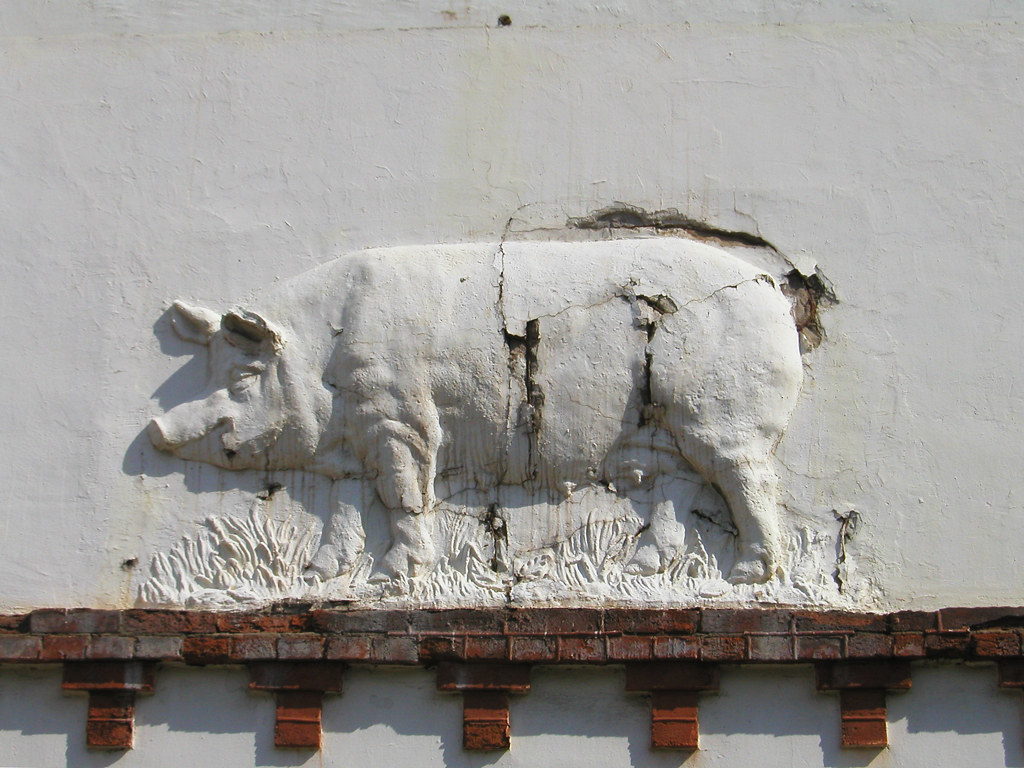
However, one big bonus for the environment’s recovery is the likely eradication of feral pigs (Sus scrofa). Invasive feral pigs cause a wide range of environmental, economic and social damages. In Australia, feral pigs occupy about 40% of the mainland and offshore islands, with a total, yet highly uncertain, population size estimated in the millions.
Feral pigs are recognised as a key threatening process under the Environment Protection and Biodiversity Conservation Act 1999, with impacts on at least 148 nationally threatened species and eight threatened ecological communities. They are a declared invasive species and the subject to control programs in all Australian jurisdictions.
Motion sensing cameras deployed during the eradication program capture feral pigs using their snouts to search for soil-borne food. This behaviour, called rooting, creates large areas of disturbed soil, killing native vegetation and spreading invasive weeds and pathogens (credit: PIRSA).
Non-native species introduced mainly via increasing trade of goods and services have huge economic, health, and environmental costs. These ‘biological invasions’ involve the intentional or unintentional transport and release of species beyond their native biogeographical ranges, facilitating their potential spread.
However, there is limited information available demonstrating whether a country’s capacity to manage its invasive species is effective at limiting future damage.
Our new study published in the journal Ecological Economics found that while more affluent countries with higher economic activity are vulnerable to more damage from invasive species, they also have the highest potential to limit damages incurred by investing more in management. Consequently, a nation’s economic capability partially determines the efficacy of investing in the control and prevention of invasive species.
In Australia, most fire occurs in the vast tropical savannas of the country’s north. In new research published in Nature Geoscience, we show Indigenous management of fire in these regions began at least 11,000 years ago – and possibly as long as 40,000 years ago.
But climate change and other effects of human activity are making wildfires more common and more severe in many regions, often with catastrophic results. In Australia, fires have caused major economic, environmental and personal losses, most recently in the south of the country.
Australia is home to about one in 12 of the world’s species of animals, birds, plants and insects – between 600,000 and 700,000 species. More than 80% of Australian plants and mammals and just under 50% of our birds are found nowhere else.
But habitat destruction, climate change, and invasive species are wreaking havoc on Earth’s rich biodiversity, and Australia is no exception.
More and more species stand on the edge of oblivion. That’s just the ones we know enough about to list formally as threatened. Many more are in trouble, especially in the oceans. Change is the new constant. As the world heats up and ecosystems warp, new combinations of species can emerge without an evolutionary connection, creating novel communities.
It is still possible to stop species from dying out. But it will take an unprecedented effort.
The vulnerable southern bell (growling grass) frog (Litoria raniformis). Rupert Mathwin/Flinders University
A global database set up by scientists to assemble data on the economic cost of biological invasions in support of effective government management strategies has grown to include all known invasive species.
Now involving 145 researchers from 44 countries — the current version of InvaCost has 13,553 entries in 22 languages and enables scientists to develop a clear picture about the major threats globally of invasive species to ecosystems, biodiversity, and human well-being.
Biological invasions are caused by species introduced on purpose or accidentally by humans to areas outside of their natural ranges. From cats and weeds, to crop pests and diseases, invasive species are a worldwide scourge.
Invasive species have cost over US$2 trillion globally since the 1970s by damaging goods and services, and through the costs of managing them, and these economic costs are only increasing.
A new synthesis published in the journal BioSciencedocuments the progress of the InvaCost endeavour.The study provides a timeline of the state of invasion costs, starting with prior flaws and shortcomings in the scientific literature, then how InvaCost has helped to alleviate and address these issues, and what the future potentially holds for research and policymakers.
In light of new genetic research on the identity of ‘wild dogs’ and dingoes across Australia, the undersigned wish to express concern with current South Australia Government policy regarding the management and conservation of dingoes. Advanced DNA research on dingoes has demonstrated that dingo-dog hybridisation is much less common than thought, that most DNA tested dingoes had little domestic dog ancestry and that previous DNA testing incorrectly identified many dingoes as hybrids (Cairns et al. 2023). We have serious concerns about the threat current South Australian public policy poses to the survival of the ‘Big Desert’ dingo population found in Ngarkat Conservation Park and surrounding areas.
We urge the South Australian Government to:
Revoke the requirement that all landholders follow minimum baiting standards, including organic producers or those not experiencing stock predation. Specifically
Dingoes in Ngarkat Conservation park (Region 4) should not be destroyed or subjected to ground baiting and trapping every 3 months. The Ngarkat dingo population is a unique and isolated lineage of dingo that is threatened by inbreeding and low genetic diversity. Dingoes are a native species and all native species should be protected inside national parks and conservation areas.
Landholders should not be required to carry out ground baiting on land if there is no livestock predation occurring. Furthermore, landholders should be supported to adopt non-lethal tools and strategies to mitigate the risk of livestock predation including the use of livestock guardian animals, which are generally incompatible with ground and aerial 1080 baiting.
Revoke permission for aerial baiting of dingoes (incorrectly called “wild dogs”) in all Natural Resource Management regions – including within national parks. Native animals should be protected in national parks and conservation areas.
Cease the use of inappropriate and misleading language to label dingoes as “wild dogs”. Continued use of the term “wild dogs” is not culturally respectful to First Nations peoples and is not evidence-based.
Proactively engage with First Nations peoples regarding the management of culturally significant species like dingoes. For example, the Wotjobaluk nation should be included in consultation regarding the management of dingoes in Ngarkat Conservation Park.
Changes in South Australia public policy are justified based on genetic research by Cairns et al. (2023) that overturns previous misconceptions about the genetic status of dingoes. It demonstrates:
Most “wild dogs” DNA tested in arid and remote parts of Australia were dingoes with no evidence of dog ancestry. There is strong evidence that dingo-dog hybridisation is uncommon, with firstcross dingo-dog hybrids and feral dogs rarely being observed in the wild. In Ngarkat Conservation park none of DNA tested animals had evidence of domestic dog ancestry, all were ‘pure’ dingoes.
Previous DNA testing methods misidentified pure dingoes as being mixed. All previous genetic surveys of wild dingo populations used a limited 23-marker DNA test. This is the method currently used by NSW Department of Primary Industries, which DNA tests samples from NSW Local Land Services, National Parks and Wildlife Service, and other state government agencies. Comparisons of DNA testing methods find that the 23-marker DNA test frequently misidentified animals as dingo-dog hybrids. Existing knowledge of dingo ancestry across South Australia, particularly from Ngarkat Conservation park is incorrect; policy needs to be based on updated genetic surveys.
There are multiple dingo populations in Australia. High-density genomic data identified more than four wild dingo populations in Australia. In South Australia there are at least two dingo populations present: West and Big Desert. The West dingo population was observed in northern South Australia, but also extends south of the dingo fence. The Big Desert population extends from Ngarkat Conservation park in South Australia into the Big Desert and Wyperfield region of Victoria.
The Ngarkat Dingo population is threatened by low genetic variability. Preliminary evidence from high density genomic testing of dingoes in Ngarkat Conservation park and extending into western Victoria found evidence of limited genetic variability which is a serious conservation concern. Dingoes in Ngarkat and western Victoria had extremely low genetic variability and no evidence of gene flow with other dingo populations, demonstrating their effective isolation. This evidence suggests that the Ngarkat (and western Victorian) dingo population is threatened by inbreeding and genetic isolation. Continued culling of the Ngarkat dingo population will exacerbate the low genetic variability and threatens the persistence of this population.
The way that eels migrate along rivers and seas is mesmerising. There has been scientific agreement since the turn of the 20th Century that the Sargasso Sea is the breeding home to the sole European species. But it has taken more than two centuries since Carl Linnaeus gave this snake-shaped fish its scientific name before an adult was discovered in the area where they mate and spawn.
Even among nomadic people, the average human walks no more than a few dozen kilometres in a single trip. In comparison, the animal kingdom is rife with migratory species that traverse continents, oceans, and even the entire planet (1).
The European eel (Anguilla anguilla) is an outstanding example. Adults migrate up to 5000 km from the rivers and coastal wetlands of Europe and northern Africa to reproduce, lay their eggs, and die in the Sargasso Sea — an algae-covered sea delimited by oceanic currents in the North Atlantic.
The European eel (Anguilla Anguilla) is an omnivorous fish that migrates from European and North African rivers to the Sargasso Sea to mate and die (18). Each individual experiences 4 distinct developmental phases, which look so different that they have been described as three distinct species (19): A planktonic, leaf-like larva (ilecocephalus phase) emerges from each egg and takes up to 3 years to cross the Atlantic. Off the Afro-European coasts, the larva transforms into a semi-transparent tiny eel (iiglass phase) that enters wetlands and estuaries, and travels up the rivers as it gains weight and pigment (iiiyellow phase). They remain there for up to 20 years, rarely growing larger than 1 m in length and 4 kg in weight (females are larger than males) — see underwater footage here and here. Sexual maturity ultimately begins to adjust to the migration to the sea: a darker, saltier, and deeper environment than the river. Their back and belly turn bronze and silver (ivsilver phase), respectively, the eyes increase in size and the number of photoreceptors multiplies (function = submarine vision), the stomach shrinks and loses its digestive function, the walls of the swim bladder thicken (function = floating in the water column), and the fat content of tissues increases by up to 30% of body weight (function = fuel for transoceanic travelling). And finally, the reproductive system will gradually develop while eels navigate to the Sargasso Sea — a trip during which they fast. Photos courtesy of Sune Riis Sørensen (2-day embryo raised at www.eel-hatch.dk and leptocephalus from the Sargasso Sea) and Lluís Zamora (Ter River, Girona, Spain: glass eels in Torroella de Montgrí, 70 cm yellow female in Bonmatí, and 40 cm silver male showing eye enlargement in Bescanó). Eggs and sperm are only known from in vitro fertilisation in laboratories and fish farms (20).
As larvae emerge, they drift with the prevailing marine currents over the Atlantic to the European and African coasts (2). The location of the breeding area was unveiled in the early 20th Century as a result of the observation that the size of the larvae caught in research surveys gradually decreased from Afro-European land towards the Sargasso Sea (3, 4). Adult eels had been tracked by telemetry in their migration route converging on the Azores Archipelago (5), but none had been recorded beyond until recently.
Crossing the Atlantic
To complete this piece of the puzzle, Rosalind Wright and collaborators placed transmitters in 21 silver females and released them in the Azores (6). These individuals travelled between 300 and 2300 km, averaging 7 km each day. Five arrived in the Sargasso Sea, and one of them, after a swim of 243 days (from November 2019 to July 2020), reached what for many years had been the hypothetical core of the breeding area (3, 4). It is the first direct record of a European eel ending its reproductive journey.
Eels use the magnetic fields in their way back to the Sargasso Sea and rely on an internal compass that records the route they made as larvae (7). The speed of navigation recorded by Wright is slower than in many long-distance migratory vertebrates like birds, yet it is consistent across the 16 known eel species (8).
Telemetry (6) and fisheries (14) of European eel (Anguilla anguilla). Eel silhouettes indicate the release point of 21 silver females in Azores in 2018 (orange) and 2019 (yellow), the circles show the position where their transmitters stopped sending signals, and the grey background darkens with water depth. The diagrams display the distance travelled and the speed per eel, where the circle with bold border represents the female that reached the centre of the hypothetical spawning area in the Sargasso Sea (dashed lines in the map) (3). Blue, green and pink symbols indicate the final location of eels equipped with teletransmitters in previous studies, finding no individual giving location signals beyond the Azores Archipelago (6). The barplot shows commercial catches (1978-2021) of yellow+silver eels in those European countries with historical landings exceeding 30,000 t (no data available for France prior to 1986), plus Spain (6120 t from 1951) — excluding recreational fishery and farming which, in 2020, totalled 300 and 4600 t, respectively (14). Red circles represent glass-eel catches added up for France (> 90% of all-country landings), Great Britain, Portugal, and Spain. Catches have kept declining since the 1980s. One kg of glass eels contains some 3000 individuals, so the glass-eel fishery has a far greater impact on stocks than the adult fishery.
Wright claimed that, instead of swiftly migrating for early spawning, eels engage in a protracted migration at depth. This behaviour serves to conserve their energy and minimises the risk of dying (6). The delay also allows them to reach full reproductive potential since, during migration, eels stop eating and mobilise all their resources to swim and reproduce (9).
Other studies have revealed that adults move in deep waters in daylight but in shallow waters at night, and that some individuals are faster than others (3 to 47 km per day) (5). Considering that (i) this fish departs Europe and Africa between August and December and (ii) spawning occurs in the Sargasso Sea from December to May, it is unknown whether different individuals might breed 1 or 2 years after they begin their oceanic migration.
Management as complex as life itself
The European eel started showing the first signs of decline at the end of the 19th Century (10, 11). In 2008, the species was listed as Critically Endangered by the IUCN, and its conservation status has since remained in that category — worse than that of the giant panda (Ailuropoda melanoleuca) or the Iberian lynx (Lynx pardinus).
Thanks to the collaborative and evidence-driven foresight of my colleagues at PIRSA Biosecurity and Landscape Boards, I was recently involved in more research examining the most efficient, cost-effective, and humane ways to cull feral dear in South Australia. The resulting paper is now in review in NeoBiota, but we have also posted a pre-print of the article.
Feral deer are a real problem in Australia, and South Australia is no exception. With six species of feral deer in the country already (fallowDama dama, redCervus elaphus, hogAxis porcinus, chitalA. axis), rusaC. timorensis, and sambarRusa unicolor deer), fallow deer are the most abundant and widespread. These species are responsible for severe damage to native plants, competition with native animals, economic losses to primary industries (crops, pastures, horticulture, plantations), and human safety risks from vehicle collisions. Feral deer are also reservoirs and vectors of endemic animal diseases and have the potential to transmit exotic animal diseases such as foot-and-mouth. If left uncontrolled, within 30 years the economic impacts of feral deer could reach billions of dollars annually.
Flooding in the Murray-Darling Basin is creating ideal breeding conditions for many native species that have evolved to take advantage of temporary flood conditions. Led by PhD candidate Rupert Mathwin, our team developed virtual models of the Murray River to reveal a crucial link between natural flooding and the extinction risk of endangered southern bell frogs (Litoria raniformis; also known as growling grass frogs).
Southern bell frogs are one of Australia’s 100 Priority Threatened Species. This endangered frog breeds during spring and summer when water levels increase in their wetlands. However, the natural flooding patterns in Australia’s largest river system have been negatively impacted by expansive river regulation that some years, sees up to 60% of river water extracted for human use.
Our latest paper describes how we built computer simulations of Murray-Darling Basin wetlands filled with simulated southern bell frogs. By changing the simulation from natural to regulated conditions, we showed that modern conditions dramatically increase the extinction risk of these beloved frogs.
The data clearly indicate that successive dry years raise the probability of local extinction, and these effects are strongest in smaller wetlands. Larger wetlands and those with more frequent inundation are less prone to these effects, although they are not immune to them entirely. The models present a warning — we have greatly modified the way the river behaves, and the modern river cannot support the long-term survival of southern bell frogs.’
Following my annual tradition, I present the retrospective list of the ‘top’ 20 influential papers of 2022 as assessed by experts in Faculty Opinions(formerly known as F1000). These are in no particular order. See previous years’ lists here: 2021, 2020, 2019, 2018, 2017, 2016, 2015, 2014, and 2013.
As is my tendency, I like to wade carefully into other disciplines from time to time to examine what components they can bring to the conservation table. I do not profess any sort of expertise when I do so, but if I require a true expert for research purposes, then I will collaborate with said experts.
I often say to my students that in many ways, the science of sustainability and conservation is more or less resolved — what we need now is ways to manage the human side of the problems we face. The disciplines that deal with human management, such as psychology, economics, political science, and sociology, are mainly pursuits of the humanities (have I just argued myself out of a job?).
On the topic of human psychology, I think most people involved in some way with biodiversity conservation often contemplate why human societies are so self-destructive. Even in the face of logic and evidence, people deny what’s going on in front of their eyes (think anti-vaxxers, climate-change denialists, etc.), so it should be no wonder why many (most?) people deny their own existential threats. Yet, it still doesn’t seem to make much sense to us until we put the phenomenon into a psychological framework.
My apologies here to actual psychologists if I oversimplify or otherwise make mistakes, but the following explanation has done a lot for me personally in my own journey to understand this conundrum. It is also a good way to teach others about why there is so much reticence to fixing our environmental problems.
The idea is a rather simple one, but it requires a little journey to appreciate. Let’s pop back to the 1970s with the publication of Ernest Becker’s The Denial of Death, for which he won the Pulitzer Prize in 1974 (ironically, two months after his own death). In this book, Becker examined the awareness of death on human behaviour and the strategies that we have developed to mitigate our fear of it. This particular quote sums it up nicely:
This is the terror: to have emerged from nothing, to have a name, consciousness of self, deep inner feelings, and excruciating inner yearning for life and self expression — and with all this yet to die
Ernest Becker in The Denial of Death (1973)
The upshot is that we have evolved a whole raft of coping mechanisms to this personal existential dread. Some engage in overly hedonic pursuits to numb the anxiety; others try to “tranquillise themselves with the trivial”, essentially ignoring the terror, while others still manage the dread through religion and the hope of an existence beyond the mortal.
Nearly a decade ago (my how time flies*), I wrote a post about the guaranteed failure of government policies purporting no-extinction targets within their environmental plans. I was referring to the State of South Australia’s (then) official policy of no future extinctions.
In summary, zero- (or no-) extinction targets at best demonstrate a deep naïvety of how ecology works, and at worst, waste a lot of resources on interventions doomed to fail.
4. Climate change will also guarantee additional (perhaps even most) future extinctions irrespective of Australian policies.
I argued that no-extinction policies are therefore disingenuous to the public in the extreme because they sets false expectations, engender disillusionment after inevitable failure, and ignores the concept of triage — putting our environment-restoration resources toward the species/systems with the best chance of surviving (uniqueness notwithstanding).
Carnivores are essential components of trophic webs, and ecosystem functions crumble with their loss. Novel data show the connection between calcareous reefs and sea otters under climate change.
Trophic cascade on the Aleutian Islands (Alaska, USA) linking sea otters (Enhydra lutris) with sea urchins (Strongylocentrotus polyacanthus) and calcareous reefs (Clathromorphum nereostratum). With males weighting up to 50 kg, sea otters have been IUCN-catalogued as Endangered since 2000. The top photo shows a male in a typical, belly-up floating position. The bottom photo shows live (pinkish) and dead (whitish) tissue on the reef surface as a result of grazing of sea urchins at a depth of 10 m. Sea otters are mesopredators, typically foraging on small prey like sea urchins, but their historical decline due to overhunting unleashed the proliferation of the echinoderms. At the same time, acidification and sea-water warming have softened the skeleton of the reefs, allowing for deeper grazing by sea urchins that eliminate the growth layer of living tissue that give the reefs their pinkish hue. Large extents of dead reefs stop fixing the excess in carbonic acid, whose carbon atoms sea water sequesters from the atmosphere enriched in carbon by our burning of fossil fuels. Photos courtesy of Joe Tomoleoni taken in Moss Landing – California, USA (otter), and on the Near Islands – Aleutian Archipelago, Alaska (reef).
For most, the decisions made by people we have never met affect our daily lives. Other species experience the same phenomenon because they are linked to one another through a trophic cascade.
A trophic cascade occurs when a predator limits the abundance or behaviour of its prey, in turn affecting the survival of a third species in lower trophic levels that have nothing directly to do with the predator in question (1).
Sea otters (Enhydra lutris) represent a text-book example of a trophic cascade. These mustelids (see video footage here and here) hunt and control the populations of sea urchins (Strongylocentrotus polyacanthus), hence favouring kelp forests — the fronds of which are eaten by the sea urchins.
Removing the predator from the equation should lead to more sea urchins and less kelp, and this chain of events is exactly what happened along the coasts of the North Pacific (2, 3). The historical distribution of sea otters once ranged from Japan to Baja California through the Aleutian Islands (see NASA’s photo from space, and documentary on the island of Unimak), a sub-Arctic, arc-shaped archipelago including > 300 islands between Alaska (USA) and the Kamchatka Peninsula (Russia), extending ~ 2000 kilometres, and having a land area of ~ 18,000 km2.
But the fur trade during the 18th and 19th centuries brought the species to the brink of extinction, down to < 2000 surviving individuals (4). Without otters, sea urchins boomed and deforested kelp ecosystems during the 20th Century (5). Now we also know that this trophic cascade has climate-related implications in other parts of the marine ecosystem.
Underwater bites
Doug Rasher and collaborators have studied the phenomenon on the Aleutian Islands (6). The seabed of this archipelago is a mix of sandy beds, kelp forests, and calcareous reefs made up of calcium and magnesium carbonates fixed by the red algae Clathromorphum nereostratum. These reefs have grown at a rate of 3 cm annually for centuries as the fine film of living tissue covering the reef takes the carbonates from the seawater (7).
On the whole, I am inclined to conclude that my experience of academia and publishing my work has been largely benign. Despite having published 120-odd peer-reviewed papers, I can count the number of major disputes on one hand. Where there have been disagreements, they have centred on issues of content, and despite the odd grumble, things have rarely escalated to the ad hominem. I have certainly never experienced concerted attacks on my work.
But that changed recently. I work in water science, participating in and leading multi-disciplinary teams that do research directly relevant to water policy and management. My colleagues and I work closely with state and federal governments and are often funded by them through a variety of mechanisms. Our teams are a complex blend of scientists from universities, state and federal research agencies, and private-sector consultancies. Water is big business in Australia, and its management is particularly pertinent as the world’s driest inhabited continent struggles to come to terms with the impacts of climate change.
In the last 10 years, Australia has undergone a AU$16 billion program of water reform that has highlighted the extreme pressure on ecosystems, rural communities, and water-dependent industries. In 2019, two documentaries (Cash Splash and Pumped) broadcast by the Australian Broadcasting Corporation were highly critical of the outcomes of water reform. A group of scientists involved in working on the Murray-Darling Basin were concerned enough about the accuracy of aspects of those stories to support Professor Rob Vertessy from the University of Melbourne in drafting an Open Letter in response. I was a co-author on that letter, and something into which I did not enter lightly. We were very concerned about being seen to advocate for any particular policy position, but were simultaneously committed to contributing to an informed public debate. A later investigation by the Australian Communications and Media Authority also highlighted concerns with the Cash Splash documentary.
Fast forward to 2021 and the publication of a paper by Colloff et al. (2021) in the Australasian Journal of Water Resources. In that paper, the authors were critical of the scientists that had contributed to the Open Letter and claimed they had been subject to “administrative capture” and “issue advocacy”. Administrative capture is defined here as:
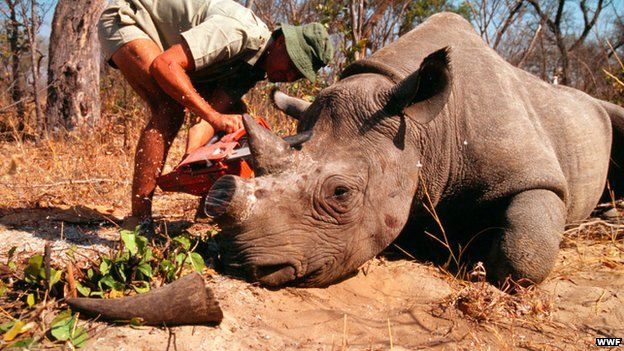
No matter most people’s best intentions, poaching of species in Sub-Saharan Africa for horn and ivory continues unabated. Despite decades of policies, restrictions, interventions, protections, and incentives, many species of elephant and rhino are still hurtling toward extinction primarily because of poaching.
Clearly, we’re doing something heinously wrong.
Collectively, we have to take a long, hard look in the conservation mirror and ask ourselves some difficult questions. Why haven’t we been able to put any real dent in the illegal trade of poached elephant ivory and rhino horn? How many millions (billions?) of dollars have we spent seemingly to little avail? Why haven’t trade bans and intensive security measures done the trick?
The reasons are many, but they boil down to two main culprits:
neo-colonial sentiments driven by the best intentions of mainly overseas NGOs have inadvertently created the ideal conditions for the poaching economy — what we term poachernomics — to thrive by ensuring the continued restriction of legal supply of wildlife products; and
shutting off conservation areas to local people and directing the bulk of ecotourism profits away from source communities have maintained steady poaching incentives in the absence of other non-destructive livelihoods.
Back in June of this year I wrote (whinged) about the disappointment of writing a lot of ecological models that were rarely used to assist real-world wildlife management. However, I did hint that another model I wrote had assistance one government agency with pig management on Kangaroo Island.
Modelling by the Flinders UniversityGlobal Ecology Laboratory shows the likelihood and feasibility of feral pig eradication under different funding and eradication scenarios. With enough funding, feral pigs could be eradicated from Kangaroo Island in 2 years.
This basically means that because of the model, PIRSA was successful in obtaining enough funding to pretty much ensure that the eradication of feral pigs from Kangaroo Island will be feasible!
Why is this important to get rid of feral pigs? They are a major pest on the Island, causing severe economic and environmental impacts both to farms and native ecosystems. On the agricultural side of things, they prey on newborn lambs, eat crops, and compete with livestock for pasture. Feral pigs damage natural habitats by up-rooting vegetation and fouling waterholes. They can also spread weeds and damage infrastructure, as well as act as hosts of parasites and diseases (e.g., leptospirosis, tuberculosis, foot-and-mouth disease) that pose serious threats to industry, wildlife, and even humans.
I’d be surprised if any Australians with even a passing interest in science could claim not to have listened to the Science Show before, and I suspect a fair mob of people overseas would be in the same boat.
It was a real privilege to talk with Robyn about our work on the ghastly future, and as always, the production value is outstanding.
Those of us living with cats share our homes with an ancestral predator, one adapted for hunting and the frequent, exclusive consumption of meat. These instincts become fully activated outside the domestic environment, where cats pose a global threat to wildlife. Pets are family. We celebrate their arrival with the same joy as a grand…
Many animals avoid contact with people. In protected areas of the African savanna, mammals flee more intensely upon hearing human conversations than when they hear lions or sounds associated with hunting. This fear of humans affects how species use and move in their habitat. Throughout our lives, we interact with hundreds of wildlife species without…
Deep-sea sharks include some of the longest-lived vertebrates known. The record holder is the Greenland shark, with a recently estimated maximum age of nearly 400 years. Their slow life cycle makes them vulnerable to fisheries. Humans rarely live longer than 100 years. But many other animals and plants can live for several centuries or even millennia, particularly…











 ConservationBytes.com