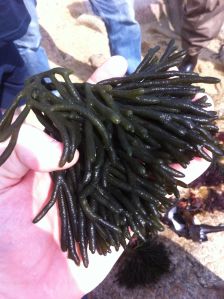
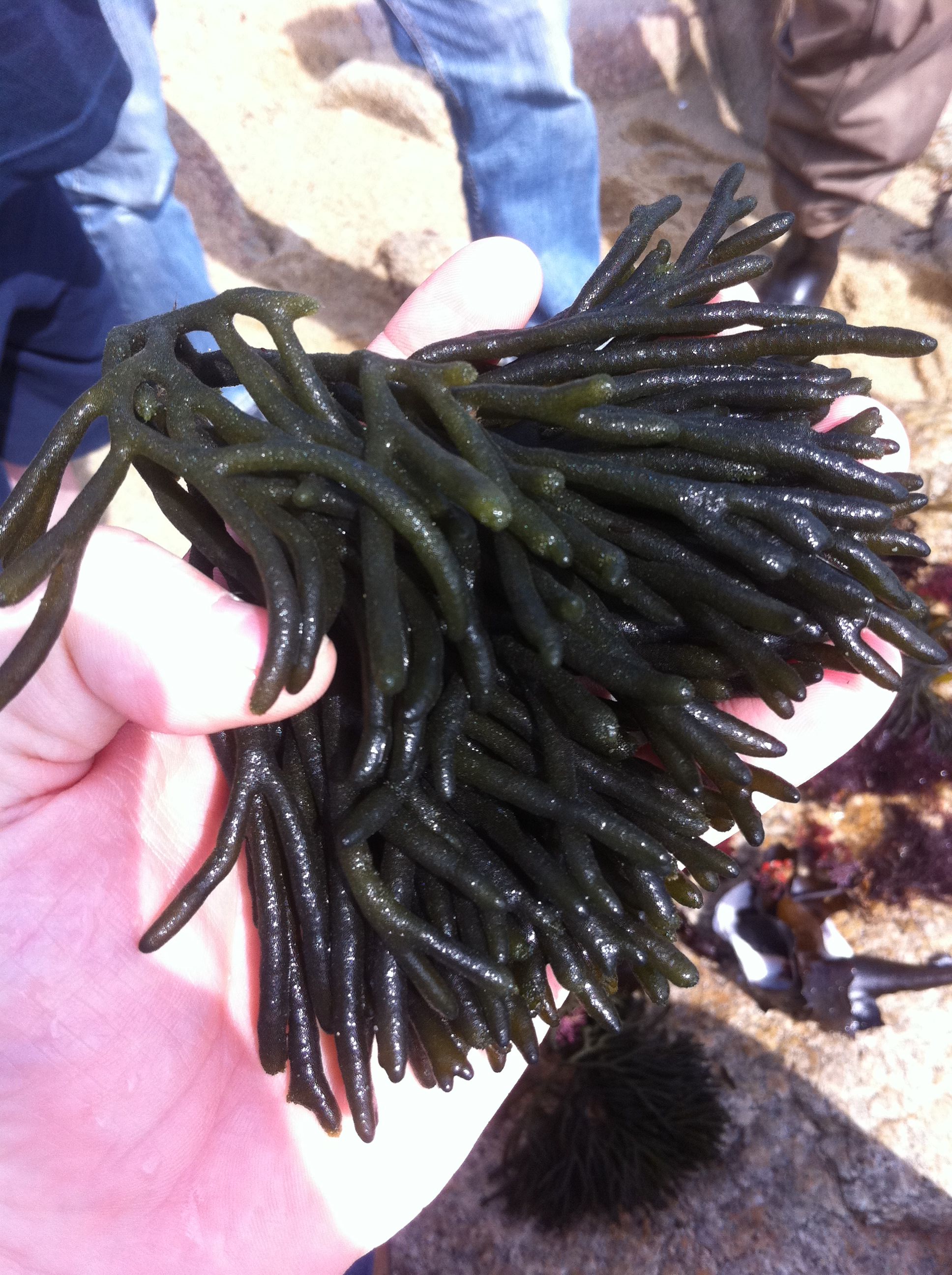
Dead man's fingers (Codium fragile) - © CJA Bradshaw
I’ve had an interesting week. First, it’s been about 6 years since I was last in Japan, and I love coming here; the food is exquisite, the people are fantastic (polite, happy, accommodating), everything works (trains, buses, etc.) and most importantly, it has an almost incredible proportion of its native forests intact.
But it wasn’t for forests that I travelled to Japan (nor the sumo currently showing on the guest-room telly where I’m staying – love the sumo): I was here for a calcareous macroalgae workshop.
What?
First, what are ‘macroalgae’, and why are some ‘calcareous’? And why should anyone in their right mind care?
Good questions. Answers: 1. Seaweeds; 2. Many incorporate calcium carbonate into their structures as added structural support; 3. Read on.
Now, I’m no phycologist (seaweed scientist), but I’m fascinated by this particular taxon. I’ve written a few posts about their vital ecological roles (see here and here), but let me regale you with some other important facts about these amazing species.
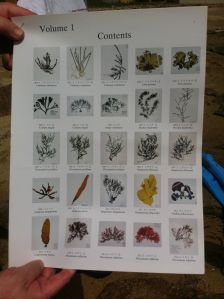
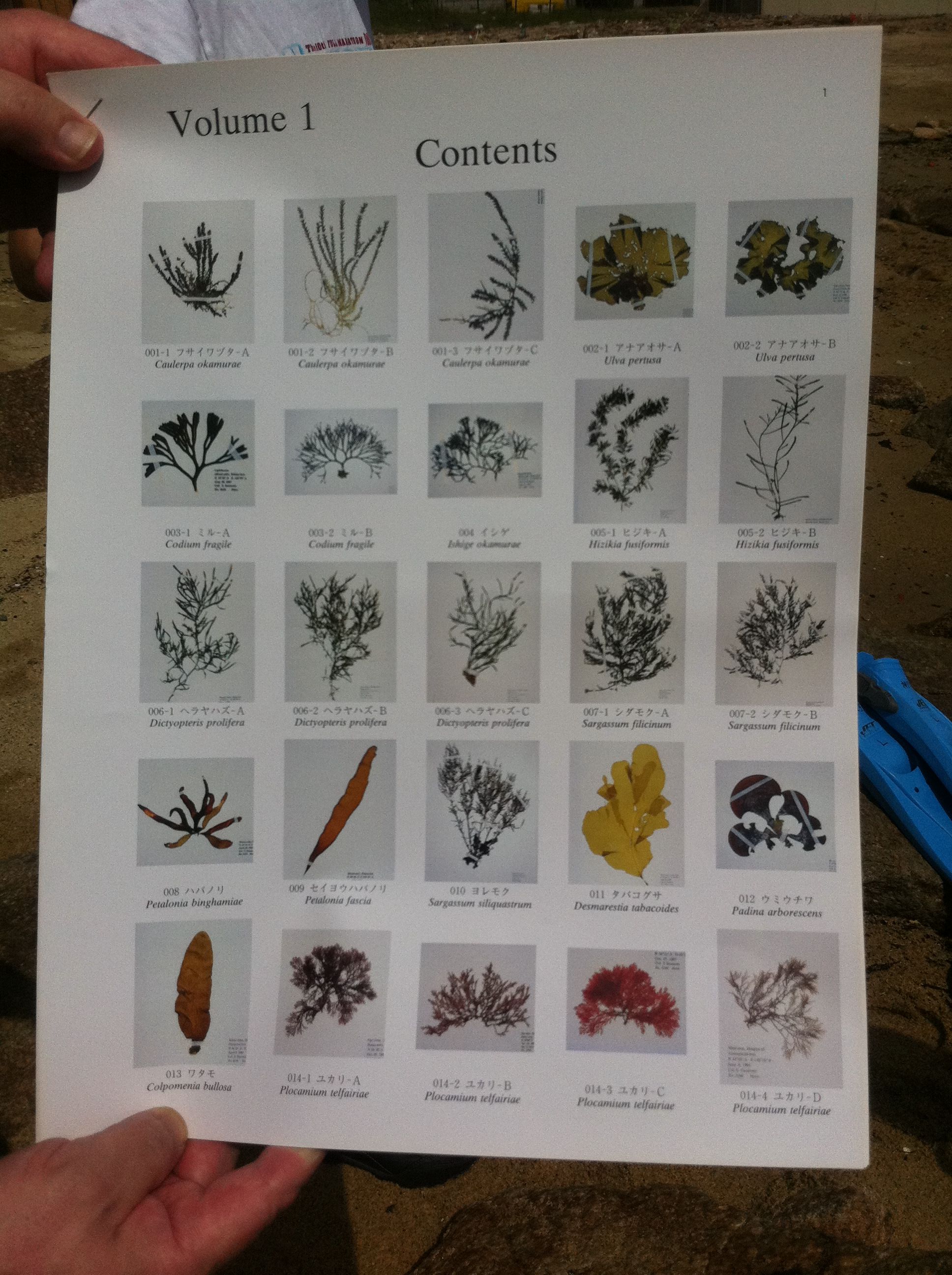
Some Japanese macroalgae - © CJA Bradshaw
There are about 12,000 known species of macroalgae described by phycologists, but as I’ve learnt this week, this is obviously a vast underestimate. For most taxa that people are investigating now using molecular techniques, the genetic diversity is so high and so geographically structured that there are obviously a huge number of ‘cryptic’ species within our current taxonomic divisions. This could mean that we’re out by up to a factor of 2 in the number of species in the world.
Another amazing fact – about 50 % of all known seaweed species are found in just two countries – Japan and Australia (hence the workshop between Japanese and Australian phycologists). Southern Australia in particular is an endemism hotspot.
Ok. Cool. So far so good. But so what? Read the rest of this entry »
-34.917731
138.603034
 I have been thinking a lot lately about poor governance and bad choices when it comes to biodiversity conservation policy. Perhaps its all that latent anger arising from blinkered, backward policies recently implemented by conservative state and national governments in Australia and elsewhere that leads me to contemplate: What would I do if I had the power to change policy?












 ConservationBytes.com
Rocking the scientific boat
14 12 2012© C. Simpson
One thing that has simultaneously amused, disheartened, angered and outraged me over the past decade or so is how anyone in their right mind could even suggest that scientists band together into some sort of conspiracy to dupe the masses. While this tired accusation is most commonly made about climate scientists, it applies across nearly every facet of the environmental sciences whenever someone doesn’t like what one of us says.
First, it is essential to recognise that we’re just not that organised. While I have yet to forget to wear my trousers to work (I’m inclined to think that it will happen eventually), I’m still far, far away from anything that could be described as ‘efficient’ and ‘organised’. I can barely keep it together as it is. Such is the life of the academic.
More importantly, the idea that a conspiracy could form among scientists ignores one of the most fundamental components of scientific progress – dissension. And hell, can we dissent!
Yes, the scientific approach is one where successive lines of evidence testing hypotheses are eventually amassed into a concept, then perhaps a rule of thumb. If the rule of thumb stands against the scrutiny of countless studies (i.e., ‘challenges’ in the form of poison-tipped, flaming literary arrows), then it might eventually become a ‘theory’. Some theories even make it to become the hallowed ‘law’, but that is very rare indeed. In the environmental sciences (I’m including ecology here), one could argue that there is no such thing as a ‘law’.
Well-informed non-scientists might understand, or at least, appreciate that process. But few people outside the sciences have even the remotest clue about what a real pack of bastards we can be to each other. Use any cliché or descriptor you want – it applies: dog-eat-dog, survival of the fittest, jugular-slicing ninjas, or brain-eating zombies in lab coats.
Read the rest of this entry »
Share:
Comments : 10 Comments »
Tags: comments, conspiracy, peer review, publishing, referees, responses, scientific process, Scientist
Categories : climate change, conservation, conservation biology, environmental science, fragmentation, habitat loss, minimum viable population, mvp, research, science, scientific publishing, scientific writing