Flooding in the Murray-Darling Basin is creating ideal breeding conditions for many native species that have evolved to take advantage of temporary flood conditions. Led by PhD candidate Rupert Mathwin, our team developed virtual models of the Murray River to reveal a crucial link between natural flooding and the extinction risk of endangered southern bell frogs (Litoria raniformis; also known as growling grass frogs).
Southern bell frogs are one of Australia’s 100 Priority Threatened Species. This endangered frog breeds during spring and summer when water levels increase in their wetlands. However, the natural flooding patterns in Australia’s largest river system have been negatively impacted by expansive river regulation that some years, sees up to 60% of river water extracted for human use.
Our latest paper describes how we built computer simulations of Murray-Darling Basin wetlands filled with simulated southern bell frogs. By changing the simulation from natural to regulated conditions, we showed that modern conditions dramatically increase the extinction risk of these beloved frogs.
The data clearly indicate that successive dry years raise the probability of local extinction, and these effects are strongest in smaller wetlands. Larger wetlands and those with more frequent inundation are less prone to these effects, although they are not immune to them entirely. The models present a warning — we have greatly modified the way the river behaves, and the modern river cannot support the long-term survival of southern bell frogs.’
Following my annual tradition, I present the retrospective list of the ‘top’ 20 influential papers of 2022 as assessed by experts in Faculty Opinions(formerly known as F1000). These are in no particular order. See previous years’ lists here: 2021, 2020, 2019, 2018, 2017, 2016, 2015, 2014, and 2013.
Climate change is one of the main drivers of species loss globally. We know more plants and animals will die as heatwaves, bushfires, droughts and other natural disasters worsen.
But to date, science has vastly underestimated the true toll climate change and habitat destruction will have on biodiversity. That’s because it has largely neglected to consider the extent of “co-extinctions”: when species go extinct because other species on which they depend die out.
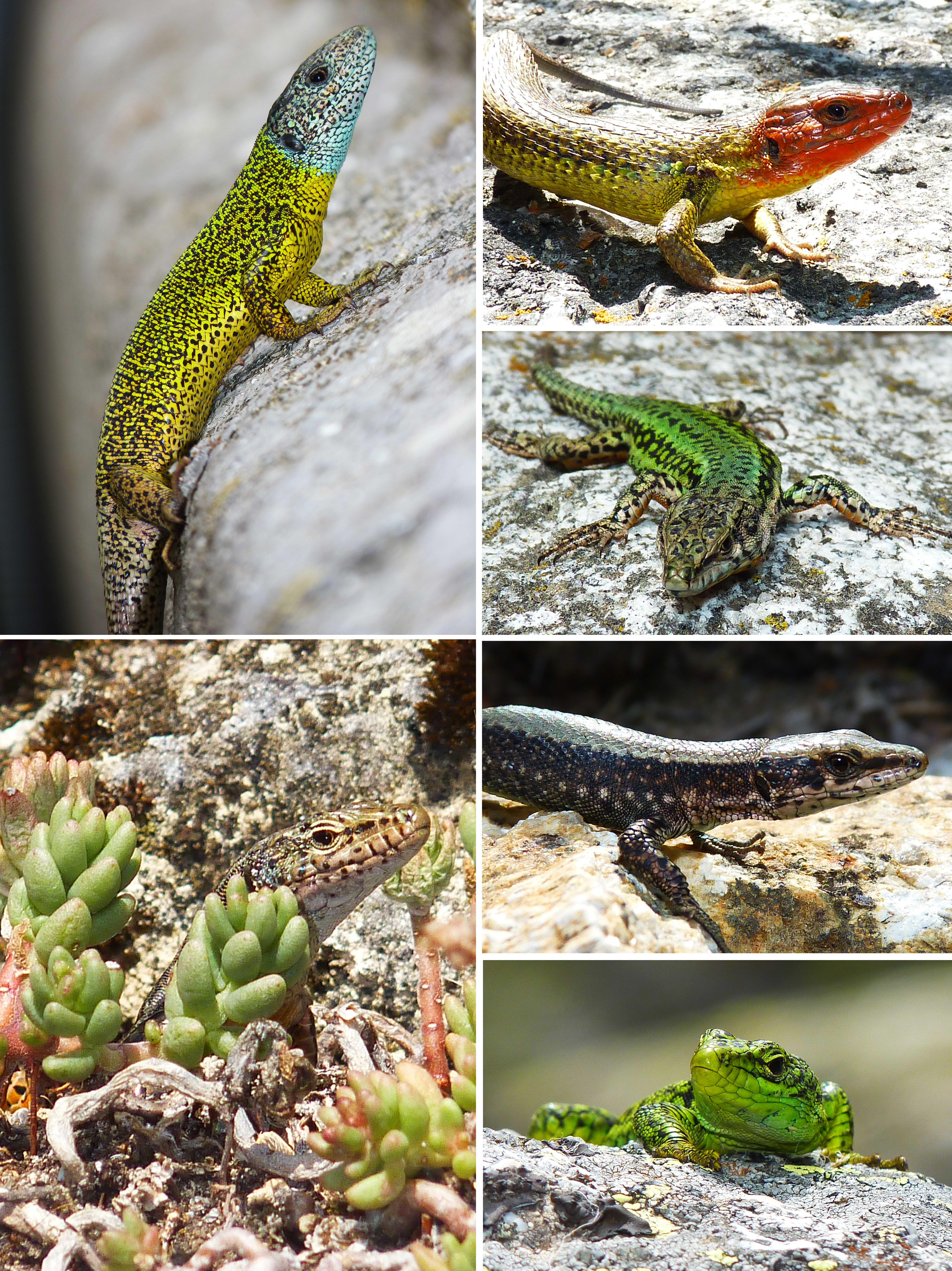
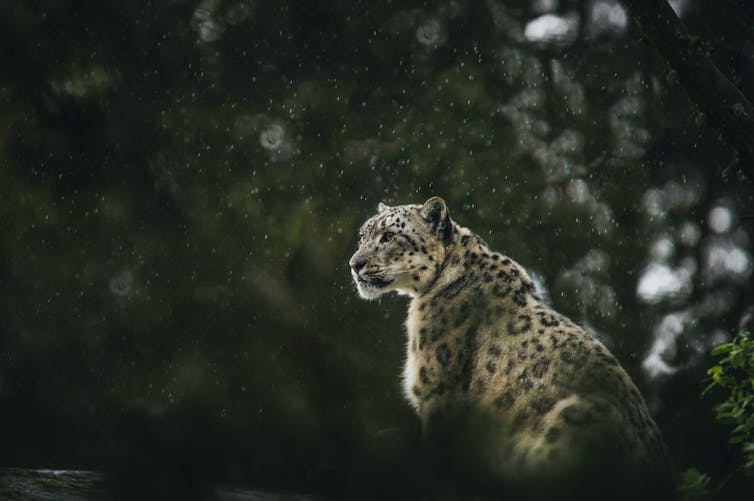
Our new research shows 10% of land animals could disappear from particular geographic areas by 2050, and almost 30% by 2100. This is more than double previous predictions. It means children born today who live to their 70s will witness literally thousands of animals disappear in their lifetime, from lizards and frogs to iconic mammals such as elephants and koalas.
But if we manage to dramatically reduce carbon emissions globally, we could save thousands of species from local extinction this century alone.
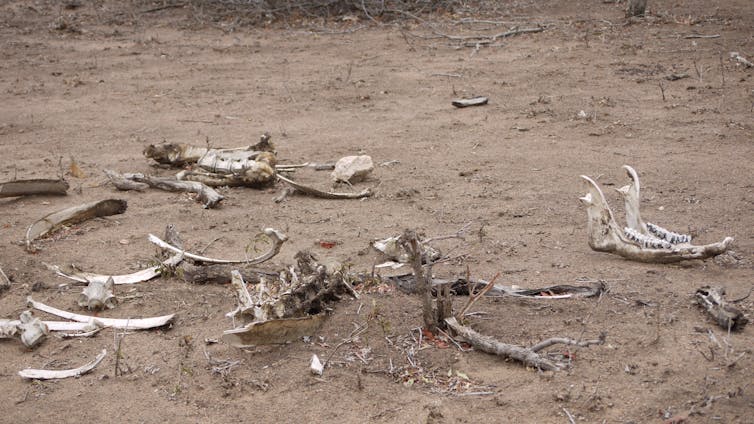
Ravages of drought will only worsen in coming decades. CJA Bradshaw
An extinction crisis unfolding
Every species depends on others in some way. So when a species dies out, the repercussions can ripple through an ecosystem.
For example, consider what happens when a species goes extinct due to a disturbance such as habitat loss. This is known as a “primary” extinction. It can then mean a predator loses its prey, a parasite loses its host or a flowering plant loses its pollinators.
A real-life example of a co-extinction that could occur soon is the potential loss of the critically endangered mountain pygmy possum (Burramys parvus) in Australia. Drought, habitat loss, and other pressures have caused the rapid decline of its primary prey, the bogong moth (Agrotis infusa).
My definition of a ‘lab’ is simply a group of people who do the science in question — and people are a varied bunch, indeed. But I wager that most scientists would not necessarily give much dedicated thought to the diversity of the people in their lab, and instead probably focus more on obtaining the most qualified and cleverest people for the jobs that need doing.
For example, I have yet to meet an overtly racist, sexist, or homophobic scientist involved actively in research today (although unfortunately, I am sure some do still exist), so I doubt that lab heads consciously avoid certain types of people when hiring or taking on new students as they once did. The problem here is not that scientists tend to exclude certain types of people deliberately based on negative stereotypes; rather, it concerns more the subconscious biases that might lurk within, and about which unfortunately most of us are blissfully unaware. But all scientists must be aware of, and seek to address, their hidden biases.
It is time to place my cards on the table: I am a middle-aged, Caucasian, male scientist who has lived in socially inclusive and economically fortunate countries his entire life. As such, I am the quintessential golden child of scientific opportunity, and I am therefore also one of the biggest impediments to human diversity in science. I am not able to change my status per se; however, I can change how I perceive, acknowledge, and act to address my biases.
The earlier scientists recognise these challenges in their career, the more effective they will be.
I acknowledge that as a man, I am already on thin ice discussing gender inequality in science today, for it is a massive topic that many, far more qualified people are tackling. But being of the male flavour means that I have to, like an alcoholic, admit that I have a problem, and then take steps to resolve that problem. After all, privilege is generally invisible to those who have it. If you are a male scientist reading this now, then my discussion is most pertinent to you. If you are female, then perhaps you can use some of these pointers to educate your male colleagues and students.
There is now ample evidence that science as a discipline is just as biased against women as most other sectors of professional employment, even though things have improved since the bad old days of scientific old-boys’ clubs. Journals tend to appoint more men than women on their editorial boards, and that editors display what is known as homophily when selecting reviewers for manuscripts: the tendency to select reviewers of the same gender as themselves.
Likewise, experimental evidence demonstrates that scientists in general rate male-authored science writing higher than female-authored works, and that academic scientists tend to favour male applicants over females for student positions. In the United Kingdom, as I suspect is more or less the case almost everywhere else, female academics in science, engineering, and mathematics also tend to have more administrative duties, and hence, less time to do research; they also have fewer opportunities for career development and training, as well as earning a lower salary, holding fewer senior roles, and being less likely to be granted permanent positions.
The conservation, environment, and sustainability literature is rife with the term ‘collapse’, applied to concepts as diverse as species extinction to the complete breakdown of civilisation. I have also struggled with its various meanings and implications, so I’m going to attempt to provide some clarity on collapse for my own and hopefully some others’ benefit.
From a strictly ecological perspective, ‘collapse’ could be described in the following (paraphrased) ways:
abrupt transition of one ecosystem state to another, usually invoking the idea that something has declined in the process (species richness, beta diversity, functional diversity, trophic network connectance, trait volume, production, etc.);
But there is still nor formal definition of ‘collapse’ in ecology, as identified by several researchers (Keith et al. 2013; Boitani et al. 2015; Keith et al. 2015; Sato and Lindenmayer 2017; Bland et al. 2018). While this oversight has been discussed extensively with respect to quantifying changes, I can find nothing in the literature that attempts a generalisable definition of what collapse should mean. Perhaps this is because it is not possible to identify a definition that is sufficiently generalisable, something that Boitani et al. (2015) described with this statement:
“The definition of collapse is so vague that in practice it will be possible (and often necessary) to define collapse separately for each ecosystem, using a variety of attributes and threshold values
Despite all the work that has occurred since then, I fear we haven’t moved much beyond that conclusion.
Hell, cutting down the trees in the bush block next to my property constitutes a wholesale ‘collapse’ of the microcommunity of species using that patch of bush. An asteroid hitting the Earth and causing a mass extinction is also collapse. And everything in-between.
But at least ecologists have made some attempts to define and quantify collapse, even if an acceptable definition has not been forthcoming. The sustainability and broader environment literature has not even done that.
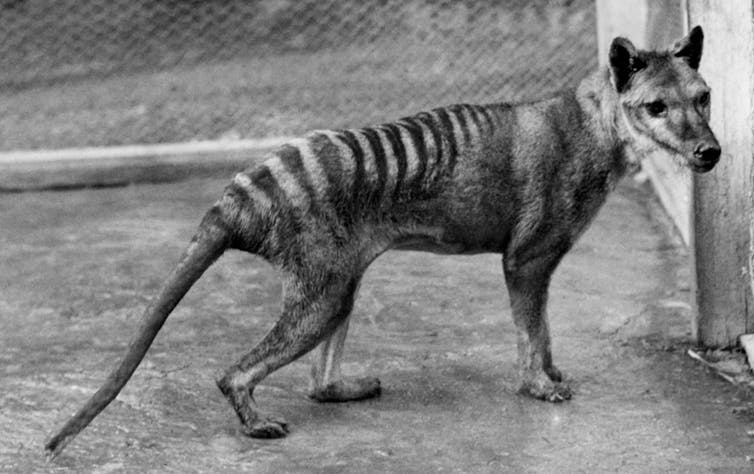
In a newly announced partnership with Texas biotech company Colossal Biosciences, Australian researchers are hoping their dream to bring back the extinct thylacine is a “giant leap” closer to fruition.
Scientists at University of Melbourne’s TIGRR Lab (Thylacine Integrated Genetic Restoration Research) believe the new partnership, which brings Colossal’s expertise in CRISPR gene editing on board, could result in the first baby thylacine within a decade.
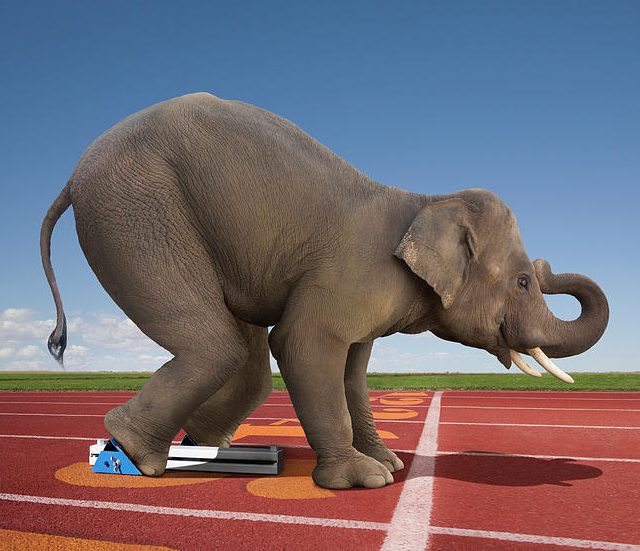
The genetic engineering firm made headlines in 2021 with the announcement of an ambitious plan to bring back something akin to the woolly mammoth, by producing elephant-mammoth hybrids or “mammophants”.
But de-extinction, as this type of research is known, is a highly controversial field. It’s often criticised for attempts at “playing God” or drawing attention away from the conservation of living species. So, should we bring back the thylacine? We asked five experts.
As is my tendency, I like to wade carefully into other disciplines from time to time to examine what components they can bring to the conservation table. I do not profess any sort of expertise when I do so, but if I require a true expert for research purposes, then I will collaborate with said experts.
I often say to my students that in many ways, the science of sustainability and conservation is more or less resolved — what we need now is ways to manage the human side of the problems we face. The disciplines that deal with human management, such as psychology, economics, political science, and sociology, are mainly pursuits of the humanities (have I just argued myself out of a job?).
On the topic of human psychology, I think most people involved in some way with biodiversity conservation often contemplate why human societies are so self-destructive. Even in the face of logic and evidence, people deny what’s going on in front of their eyes (think anti-vaxxers, climate-change denialists, etc.), so it should be no wonder why many (most?) people deny their own existential threats. Yet, it still doesn’t seem to make much sense to us until we put the phenomenon into a psychological framework.
My apologies here to actual psychologists if I oversimplify or otherwise make mistakes, but the following explanation has done a lot for me personally in my own journey to understand this conundrum. It is also a good way to teach others about why there is so much reticence to fixing our environmental problems.
The idea is a rather simple one, but it requires a little journey to appreciate. Let’s pop back to the 1970s with the publication of Ernest Becker’s The Denial of Death, for which he won the Pulitzer Prize in 1974 (ironically, two months after his own death). In this book, Becker examined the awareness of death on human behaviour and the strategies that we have developed to mitigate our fear of it. This particular quote sums it up nicely:
This is the terror: to have emerged from nothing, to have a name, consciousness of self, deep inner feelings, and excruciating inner yearning for life and self expression — and with all this yet to die
Ernest Becker in The Denial of Death (1973)
The upshot is that we have evolved a whole raft of coping mechanisms to this personal existential dread. Some engage in overly hedonic pursuits to numb the anxiety; others try to “tranquillise themselves with the trivial”, essentially ignoring the terror, while others still manage the dread through religion and the hope of an existence beyond the mortal.
I seem to end up frequently explaining to students and colleagues that it’s a good idea to spend a good deal of time to make your scientific figures the most informative and attractive possible.
But it’s a fine balance between overly flashy and downright boring. Needless to say, empirical accuracy is paramount.
But why should you care, as long as the necessary information is transferred to the reader? The most important answer to that question is that you are trying to catch the attention of editors, reviewers, and readers alike in a highly competitive sea of information. Sure, if the work is good and the paper well-written, you’ll still garner a readership; however, if you give your readers a bit of visual pleasure in the process, they’re much more likely to (a) remember and (b) cite your paper.
I try to ask myself the following when creating a figure — without unnecessary bells and whistles, would I present this figure in a presentation to a group of colleagues? Would I present it to an audience of non-experts? Would I want this figure to appear in a news article about my work? Of course, all of these venues require differing degrees of accuracy, complexity, and aesthetics, but a good figure should ideally serve to educate across very different audiences simultaneously.
A sub-question worth asking here is whether you think a colleague would use your figure in one of their presentations. Think of the last time you made a presentation and found that perfect figure that brilliantly portrays the point you are trying to get across. That’s the kind of figure you should strive to make in your own research papers.
I therefore tend to spend quite a bit of time crafting my figures, and after years of making mistakes and getting a few things right, and retrospectively discovering which figures appear to garner more attention than others, I can offer some basic advice about the DOs and DON’Ts of figure making. Throughout the following section I provide some examples from my own papers that I think demonstrate some of the concepts.
tables vs. graphs — The very first question you should ask yourself is whether you can turn that boring and ugly table into a graph of some sort. Do you really need that table? Can you not just translate the cell entries into a bar/column/xy plot? If you can, you should. When a table cannot easily be translated into a figure, most of the time it probably belongs in the Supplementary Information anyway.
Now that Clarivate, Google, and Scopus have recently published their respective journal citation scores for 2021, I can now present — for the 14th year running on ConvervationBytes.com — the 2021 conservation/ecology/sustainability journal ranks based on my journal-ranking method.
Like last year, I’ve added a few journals. I’ve also included in the ranking the Journal Citation Indicator (JCI) in addition to the Journal Impact Factor and Immediacy Index from Clarivate ISI, and the CiteScore (CS) in addition to the Source-Normalised Impact Per Paper (SNIP) and SCImago Journal Rank (SJR) from Scopus.
I therefore present the new 2021 ranks for: (i) 106 ecology, conservation and multidisciplinary journals, (ii) 27 open-access (i.e., you have to pay) journals from the previous category, (iii) 64 ‘ecology’ journals, (iv) 32 ‘conservation’ journals, (v) 43 ‘sustainability’ journals (with general and energy-focussed journals included), and (vi) 21 ‘marine & freshwater’ journals.
Remember not to take much notice if a journal boasts about how its Impact Factor has increased this year, because these tend to increase over time anyway What’s important is a journal’s relative (to other journals) rank.
The other day I was asked to do an interview for a South Korean radio station about the declining-population “crisis”.
Therein lies the rub — there is no crisis.
While I think the interview went well (you can listen to it here), I didn’t have ample time to flesh out my arguments; I’ve decided to put them down in more detail here.
Probably the most important aspect that I didn’t even get a chance to cover is that globally, our economic system is essentially broken because we are forced to exist inside a paradigm that erroneously assumes Earth’s resources are infinite. They are not, as the global ecological footprint clearly shows.
To slow and perhaps even reverse climate change, as well as mitigate the extinction crisis underway, we are obliged to reduce consumption globally. Shrinking human populations will contribute to that goal (provided we simultaneously reduce per-capita consumption).
But that argument, no matter how defensible, is still not even remotely appreciated by most people. It is the aim of only a minority, most of whom have very little political power to engender change.
The reason for the hyped-up panic generally comes down to the overly simplistic ‘dependency ratio‘, which has several different forms but generally compares the number of people in the labour force against those who have retired from it. The idea here is that once the number of people no longer in the labour force exceeds the number of those in the labour force, the latter can no longer support the entirety of the former.
This simplistic 1:1 relationship essentially assumes that you need one person working to support one retired person. Errrh. Right. Let’s look at this in more detail.
This week I’m going to discuss national indices of economic performance and prosperity. There are indeed some surprises.
But standard metrics of economic performance at the national level almost universally fail to encapsulate the sustainable economic prosperity of its citizens. One could, for example, simply list the ‘wealthiest’ nations according to simple economic turnover by employing the standard, but wholly unsatisfactory metrics of gross domestic product (GDP) and gross national income (GNI). Even most economists admit that GDP and GNI are dreadful measures of ‘wealth’, and the differences between them are largely immaterial.
Top 5 ‘wealthiest’ nations according to per-capita gross national income: Qatar, Macao, Singapore, Kuwait, Luxembourg.
It is probably easier to view GDP as a speedometer, for it measures the speed with which an economy is contributing to the generation of goods and services (i.e., economic turnover), but it does not measure the loss of biodiversity, ecosystem services, and other environmental assets such as forests and mined resources, it does not measure the build-up of greenhouse gases or hormone-mimicking toxic chemicals, nor does it take depreciation of physical capital in our society’s infrastructure in account. As it turns out, GDP actually rises following environmental disasters such as a major oil spill because of the jobs created to clean up the mess, but it does not measure in any way the economic advantage of growing produce in your garden because the goods are not ‘traded’ in the standard market.
Nor does GDP account for the disparity in wealth among a nation’s citizens, so even though most people might be poor, the existence of even a handful of billionaires can in fact raise a country’s GDP. The GDP metric is so unappealing that even the World Bank has tried to come up with better ways to measure wealth. Although it still falls short of measuring true wealth, ‘total wealth’ — measured as the present (discounted) value of future consumption that is ‘sustainable’ — tries to take into account a country’s present wealth minus damage to its non-renewable stock that is currently being exploited unsustainably (e.g., forests). As such, economic policies based on total wealth would be better able to ensure the long-term sustainability of a nation by including the ‘stock’ of existing capital that includes natural capital.
Top 5 ‘wealthiest’ nations according to per-capita total wealth: Norway, Qatar, Switzerland, Luxembourg, Kuwait.
I’ll preface this post with a caveat — the data herein are a few years old (certainly pre-COVID), so things have likely changed a bit. Still, I think the main message holds.
That last observation is important because there are really two main ways to quantify a country’s environmental performance. First, there is its relative environmental damage, which essentially means what proportion of its own resources a country has pilfered or damaged. This type of measure standardises the metrics to account for the different areas of countries (e.g., Russia versus Singapore) and how much of, say, forests, they had to start with, and what proportion of them they have thus far destroyed.
Looking at it this way, small countries with few large-scale industries came out in the lead as the least-damaged environmentally — the least environmentally damaged country according this metric is Cape Verde (followed by Central African Republic, Swaziland, Niger, and Djibouti).
However, another way to look at it is how much of the overall contribution to the world’s environmental damage each country is responsible, which of course implies that the countries with the highest amounts of resources damaged in absolute terms (i.e., the biggest, most populous ones) disproportionately contribute more to global environmental damage.
Using this absolute metric, the countries with the greatest overall damage are Brazil (largely due to the destruction of the Amazon and its other forests), the USA (for its greenhouse-gas emissions and conversion of its prairies to farmland), and China (for its water pollution, deforestation, and carbon emissions). On the flip side, this means that the smallest countries with the fewest people are ranked ‘better’ because of their lower absolute contribution to the world’s total environmental damage.
Looking more closely at how countries do relative to each other using different and more specific measures of environmental performance, the best-known and most-reported metric is the ecological footprint. This measures the ecological ‘assets’ that any particular population of people requires to produce the natural resources it consumes and to absorb its wastes.
Nearly a decade ago (my how time flies*), I wrote a post about the guaranteed failure of government policies purporting no-extinction targets within their environmental plans. I was referring to the State of South Australia’s (then) official policy of no future extinctions.
In summary, zero- (or no-) extinction targets at best demonstrate a deep naïvety of how ecology works, and at worst, waste a lot of resources on interventions doomed to fail.
4. Climate change will also guarantee additional (perhaps even most) future extinctions irrespective of Australian policies.
I argued that no-extinction policies are therefore disingenuous to the public in the extreme because they sets false expectations, engender disillusionment after inevitable failure, and ignores the concept of triage — putting our environment-restoration resources toward the species/systems with the best chance of surviving (uniqueness notwithstanding).
I’ve been on the Australian Research Council (ARC) College of Experts now for a little over two and a half years. It has been a time-consuming, yet insightful experience. Without attempting to breach all the confidentiality agreements I signed when I joined up, I would like to explain a few of the internal machinations that go on behind the scenes once a grant application is submitted.
Given that academics spend A LOT of (i.e., way too much) time writing research grants, I think it’s essential to understand not only how to maximise your probability of success (see this post for some generic tips), but also how your grant is treated once you submit it. I’ve heard from colleagues (and been responsible for myself) many unhappy gripes about the ARC over time, which appear to have increased over the last five years in particular.
There are certainly some very good reasons to be upset about the research-grant environment in Australia. While I will restrict this post to issues concerning the ARC because that’s what I know best, I gather that many of the same issues plague other national agencies, such as the National Health and Medical Research Council (NHMRC). But to dispel the suspicion that the ARC is just out to make our lives hell, I’m going to provide a list of my experiences on what I think they do exceptionally well. I’m definitely not taking sides here, because after the list of pros, I’ll provide a detailed list of cons and some ways I think the ARC can move forward.
Impartiality
The ARC is very, very good at avoiding bias in the assessment process. Even if some potential bias does manage to creep in, the ARC is also extremely efficient at identifying and removing it. First, all assigned ‘carriages’ (College Experts) assigned to grants cannot work at the same institution as the applicants, they cannot have published with any of the applicants, nor can they have any other association with them. All potential conflicts of interest are declared and dealt with immediately up front.
Second, carriages cannot assign assessors with any of the aforementioned conflicts of interest given restrictions in the online applications that we use to identify and assign suitable assessors.
Third, during the actual deliberations, anyone who has any perceived conflict of interest must ‘leave the room’ (done in Zoom these days), nor can those people even see the grants under discussion for which they’ve been deemed conflicted.
Democracy
I have to admit that I’ve been involved in few processes that were more democratic than advisory panel meetings for deciding the fate of ARC grant applications. Any grant under discussion is not only pored over by the ‘detailed assessors’ (those are the comments to which you have to write a rejoinder), it is discussed in gory detail by the carriages. We not only read all of the detailed assessors’ reports and your rejoinder (after already having read the proposal itself many times), we also compare our scores among carriage members, discuss any scoring disparities, argue for or against various elements, and generally come to a consensus. For those grants under discussion, we also vote as an entire panel, with only majority ‘yes’ grants getting through.
Word of advice here — treat your rejoinder very seriously, and be succinct, polite, erudite, and topical. A good rejoinder can make or break any application.
This is not a rhetorical question. I really do want to solicit responses to the aspects I will raise in this post, because I have to admit that I’m a little unclear on the subject.
Preamble — While I do not intend to deflate the value of any particular academic society, I’m sure some might take offence to the mere notion that someone would dare challenge the existence of academic societies. I confess to have belonged to several academic societies in my career, but haven’t bothered for some time given the uncertainties I describe below.
A Subjective History
In my view, the academic society represented an important evolutionary step in the organisation of thematic collegiality. As disciplines became ever more specialised, it was an opportunity to unite like-minded colleagues and support new generations of academics in the field.
In the pre-internet days, academic societies provided the necessary fora to interact directly with one’s peers and advance. They also published thematic journals, organised field trips, garnered funds for scholarships, recognised prowess via awards, and crafted and promulgated constitutions on issues as varied as academic behaviour, societal warnings, governance, and politics.
Face-to-face meetings were indeed the primary vehicle for these interactions, and are a mainstay even in today’s pandemic world (but more discussion on the modern implications of these below).
Peer-reviewed disciplinary journals were arguably one of the most important products of the academic society. Back before academic publishing became the massive, profit-churning, mega-machine rort that it is today, such journals were integral to the development of different academic fields.
Bees are essential for pollination, but their critical function can be perturbed by pesticides. The detrimental effects of those chemicals accumulate through a bee’s life, and become stronger if females cannot collect pollen from wildflowers.
Our childhood experiences partly determine our health, personality, and lifestyle when we are adults, and our experiences accumulate over time. Accumulation also occurs in any living being and can explain why some populations and species adapt to their environments better than others.
Migratory birds are a clear example. Thousands can travel to their breeding grounds after wintering elsewhere, and those coming from regions laden with resources (e.g., food, shelter, water) will have a greater reproductive success than those that migrated from resource-poor regions (1). In ecology, these ‘carry-over’ effects can take place between seasons, but also across the different phases of the life cycle of a plant or animal (2).
From larvae to adults
Clara Stuligross and Neal Williams have studied the carry-over effect of pesticides on the blue orchard beeOsmia lignaria in California (3). Instead of the typical hives constructed by the honey bee (Apis mellifera), solitary blue orchard bees make lines of brood cells with mud partitions, glued into holes and crevices of branches and trunks from fallen trees (see videos here, here, & here).
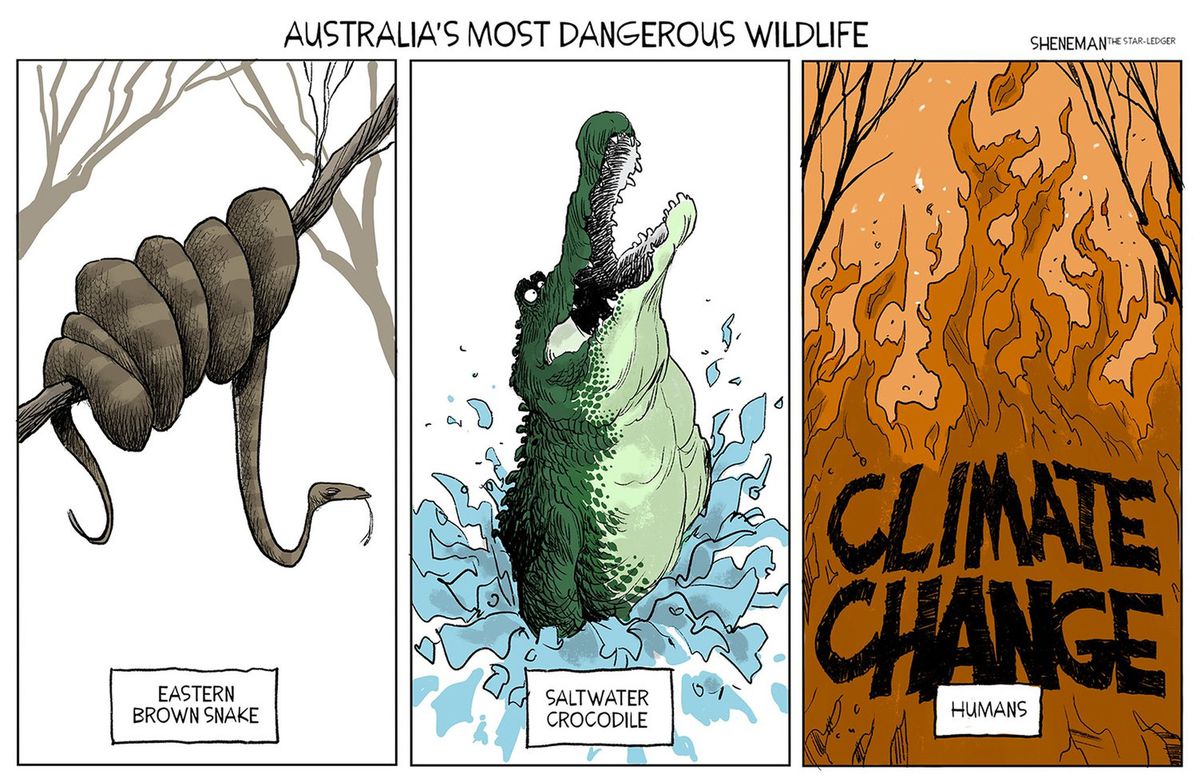
Now that the Australian election has been called for next month, here are a few cartoon reminders of the state of environmental politics in this country (hint: they’re abysmal). I’ve surpassed my normal 6 cartoons/post here in this second set for 2022 because, well, our lives depend on the outcome of 21 May. See full stock of previous ‘Cartoon guide to biodiversity loss’ compendia here.
Have you ever done any research that relied to any degree on Indigenous Knowledges? How did you cite those Knowledges, if at all? It’s probably time we rethink how we engage with Indigenous Knowledge systems. In a new article published in BioScience, we — a large group of Indigenous and non-Indigenous scholars in Australia —…
A recent paper, co-authored with the late Paul Ehrlich, reveals that the global human population has surpassed Earth’s sustainable capacity. It highlights the dire implications for food security, climate stability, and wellbeing. The study underscores that immediate changes in consumption and population management are crucial for a sustainable future.
Using animals as sport symbols reflects the integration of biodiversity into cultural identity and the transmission of collective values. This raises the possibility that the economic muscle of the sport industry could translate its symbolic capital into tangible commitments to biodiversity conservation. Those who have had the privilege of travelling in remote areas might have…