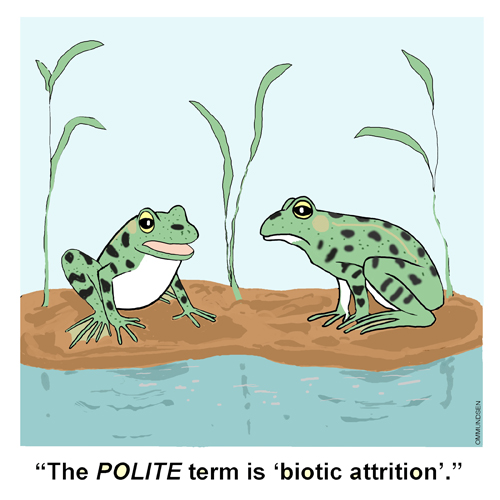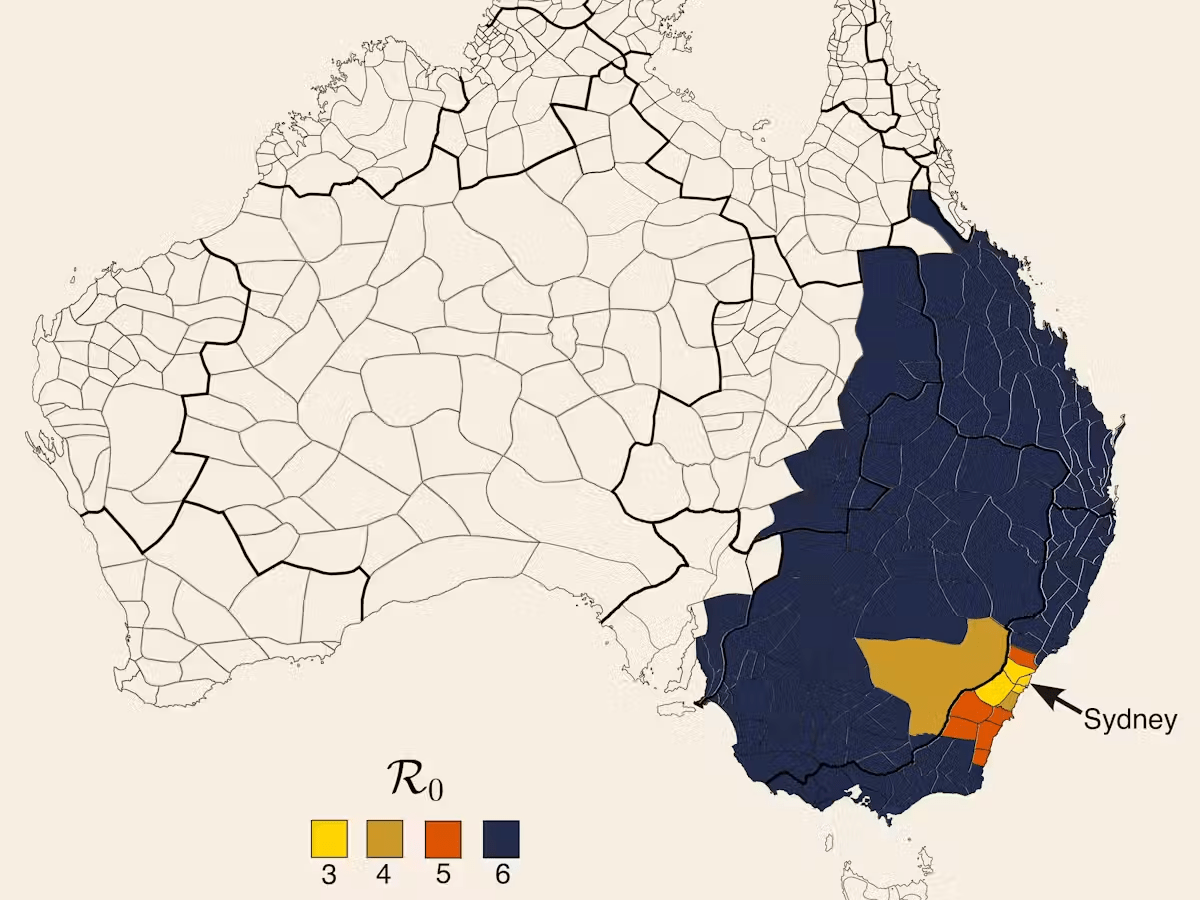
The last set of biodiversity cartoons for 2017. See full stock of previous ‘Cartoon guide to biodiversity loss’ compendia here.
—

© xkcd.com
I normally don’t do this, but this is an extra-ordinary circumstance.
As many of you are already aware, Franck Courchamp and I published a paper in Nature Ecology and Evolution on Monday that ranked high-profile ecology papers. I won’t go into any details about the list here, because you can read the paper and the associated blog posts themselves.
The publication caused a bit of a stir among ecologists, evidenced by the rather high and rising Altmetrics score for the paper (driven mainly by a Boaty McBoatface-load of tweets). I haven’t done any social-media analysis, but it appears that most of the tweets were positive, a few were negative, and a non-trivial proportion of them were highly critical of the obvious male-biased nature of the list (in terms of article authors).
On that last point, we couldn’t agree more.
Which is why we have a follow-up analysis specifically addressing this gender bias, but that’s currently in review in Nature Ecology and Evolution.
In the meantime, however, and at the suggestion of possibly one of the coolest, nicest, and most logical editors in the world, Dr Patrick Goymer (Editor-in-Chief of Nature Ecology and Evolution), I’ve just posted a pre-print of our paper entitled “Gender-biased perceptions of important ecology articles” on bioRxiv.
—
If you’re a regular reader of CB.com, you’ll be used to my year-end summaries of the influential conservation papers of that calendar year (e.g., 2016, 2015, 2014, 2013), as somewhat subjectively assessed by F1000 Prime experts. You might also recall that I wrote a post with the slightly provocative title Essential papers you’ve probably never read back in 2015 where I talked about papers that I believe at least my own students should read and appreciate by the time they’ve finished the thesis.
But this raised a much broader question — of all the thousands of papers out there that I should have read/be reading, is there a way to limit the scope and identify the really important ones with at least a hint of objectivity? And I’m certainly not referring to the essential methods papers that you have to read and understand in order to implement their recommended analysis into your own work — these are often specific to the paper you happen to be writing at the moment.
The reason this is important is that there is absolutely no way I can keep on top of my scientific reading, and not only because there are now over 1.5 million papers published across the sciences each year. If you have even the slightest interest in working across sub-disciplines or other disciplines, the challenge becomes more insurmountable. Finding the most pertinent and relevant papers to read, especially when introducing students or young researchers to the concepts, is turning into an increasingly nightmarish task. So, how do we sift through the mountain of articles out there?
It was this question that drove the genesis of our paper that came out only today in Nature Ecology and Evolution entitled ‘100 articles every ecologist should read‘. ‘Our’ in this case means me and my very good friend and brilliant colleague, Dr Franck Courchamp of Université Paris-Sud and the CNRS, with whom I spent a 6-month sabbatical back in 2015. Read the rest of this entry »
Well, we’ve been a bit unlucky.
We had a fantastic round of applicants for our previously advertised position in palaeo-ecological network modelling, and had offered the position to someone who had great potential.
Well, due to unforeseen circumstances (the person to whom we offered the position received another offer for a longer contract in her existing place of residence; such is life), we now have to re-advertise the position, and this one is open to both genders.
The brief overview of the position follows: Read the rest of this entry »
Here’s another set of biodiversity cartoons to make you giggle, groan, and contemplate the Anthropocene extinction crisis. See full stock of previous ‘Cartoon guide to biodiversity loss’ compendia here.
—
Climate changes exert selective pressures on the reproduction and survival of species. A study of tawny owls from Finland finds that the proportion of two colour morphs varies in response to the gradual decline of snowfall occurring in the boreal region.
Someone born in the tropics who travels to the Antarctic or the Himalaya can, of course, stand the cold (with a little engineering help from clothing, however). The physiology of our body is flexible enough to tolerate temperatures alien to those of our home. We can acclimate and, if we are healthy, we can virtually reside anywhere in the world.
However, modern climate change is steadily altering the thermal conditions of the native habitats of many species. Like us, some can live up to as much heat or cold as their genetic heritage permits, because each species can express a range of morphological, physiological, and behavioural variation (plasticity). Others can modify their genetic make-up, giving way to novel species-specific features or genotypes (evolution).
When genetic changes are speedy, that is, within a few generations, we are witnessing ‘microevolution’ — in contrast to ‘macroevolution’ across geological time scales as originally reported by Darwin and Wallace (1). To date, the detection of microevolution in response to modern climate change remains elusive, and many studies claiming so seem to lack the appropriate data to differentiate microevolution from phenotypic plasticity (i.e., the capacity of a single genotype to exhibit variable phenotypes in different environments) (2, 3). Read the rest of this entry »
One potentially useful metric to measure how different nations value their biodiversity is just how much of a country’s land its government sets aside to protect its natural heritage and resources. While this might not necessarily cover all the aspects of ‘environment’ we need to explore, we know from previous research that the more emphasis a country places on protecting its biodiversity, the more it actually achieves this goal. This might sound intuitive, but there is no shortage of what have become known as ‘paper parks’ around the world, which are essentially only protected in principle, but not in practice.

For example, if a national park or some other type of protected area is not respected by the locals (who might rightly or wrongly perceive them as a limitation of their ‘rights’ of exploitation), or is pilfered by corrupt government officials in cahoots with extractive industries like logging or mining, then the park does not do well in protecting the species it was designed to safeguard. So, even though the proportion of area protected within a country is not a perfect reflection of its environmental performance, it tends to indicate to what extent its government, and therefore, its people, are committed to saving its natural heritage.
A modified excerpt from my upcoming book for you to contemplate after your next rejection letter.
—
This is a delicate subject that requires some reflection. Early in my career, I believed the appeal process to be a waste of time. Having made one or two of them to no avail, and then having been on the receiving end of many appeals as a journal editor myself, I thought that it would be a rare occasion indeed when an appeal actually led to a reversal of the final decision.
It turns out that I was very wrong, but not in terms of simple functional probability that you might be thinking. Ironically, the harder it is to get a paper published in a journal, the higher the likelihood that an appeal following rejection will lead to a favourable outcome for the submitting authors. Let me explain. Read the rest of this entry »
I’m travelling again, so here’s another set of fishy cartoons to appeal to your sense of morbid fascination with biodiversity loss in the sea. See full stock of previous ‘Cartoon guide to biodiversity loss’ compendia here.
—
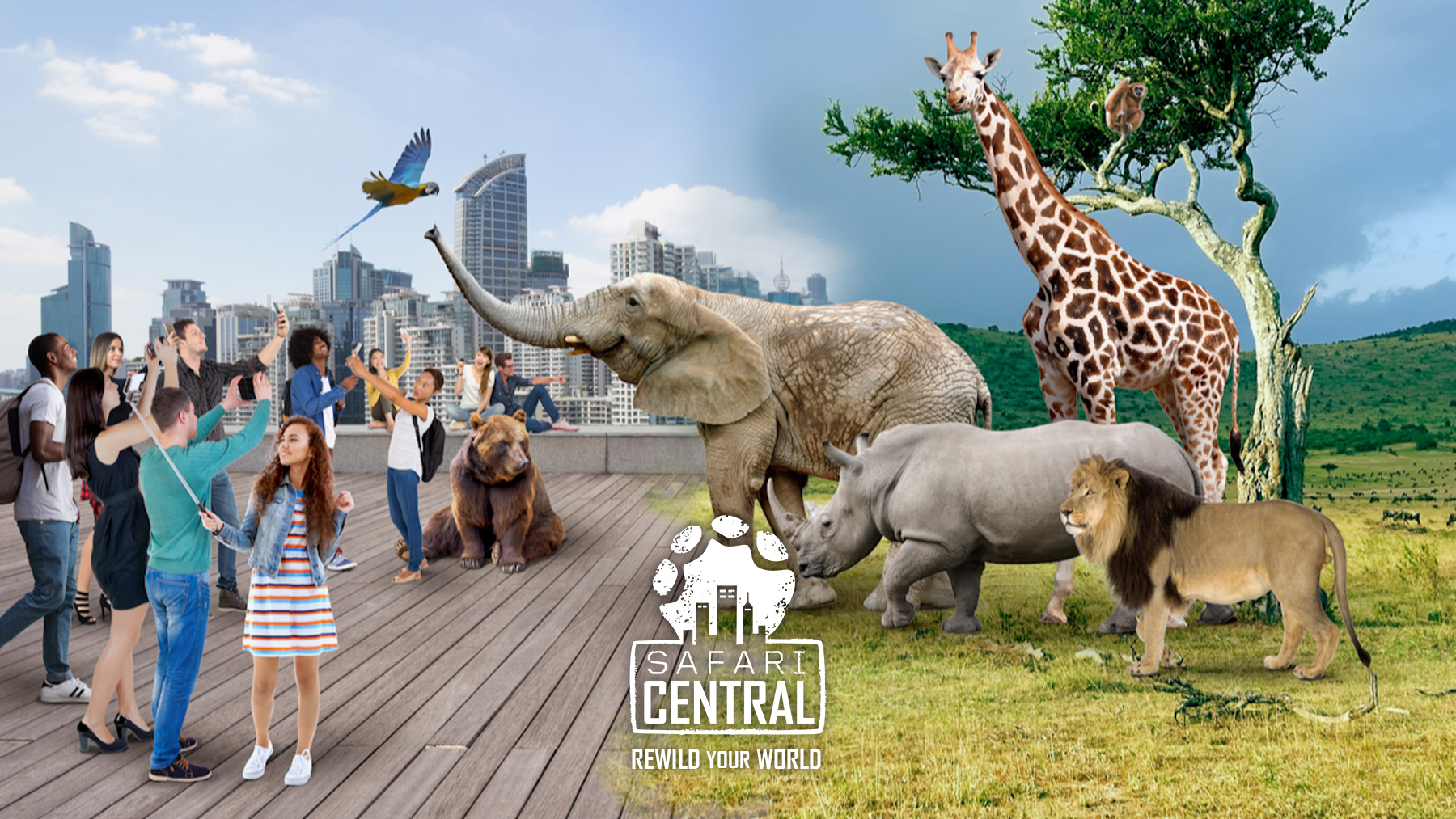
Bridging the gap between an urban population and the wildlife we love.
The world continues to urbanise. According to the Population Reference Bureau, the developed nations of the world are 74% urban, and it is expected that by 2050, 70% of the entire world will be ‘urban’. Besides all the other consequences, people’s connection to nature will become more and more distant. With more people living in concrete jungles, a faster pace of life and a barrage of things competing for their attention, we cannot expect that nature, wildlife protection, ocean sustainability, et cetera will be high on the list of their priorities. Other than when the most sensational of news stories are released, how many of them will even think about wildlife, let alone take any personal steps that would make a difference to its survival?
If these are the people who define consumer behaviour and impact policy decisions, they are the ones who will also unwittingly drive the wildlife-conservation agenda. The conservation sector must therefore make a more concerted effort to connect with city dwellers and to do so, understand the motivations and desires of the greater public.
The good news is that despite the grander evidence against it, people do love animals. As children, we are surrounded by animals. Many of our favourite books, movies, clothes, and toys are associated with animals. Even as adults, 163 million of us have watched a video of a panda clinging to its caretaker, 100 million of us went to see Jungle Book, and 700 million more of us visited zoos last year. Marketers play into our love of animals and use the sympathetic or iconic nature of animals on a massive scale in advertising and branding.
If you threw practicality out the window, the most impactful thing you could do to convert that love of animals into a love of conservation would be to airlift those hundreds of millions of people into the Amazon, Serengeti, or Alaskan wilderness for a week. While the experience wouldn’t make all of them conservationists, it would certainly change the way they thought about the importance of nature.
Given this impossibility, the next best thing is to bring nature to them and entice them to explore more within their own means. Shows like BBC Planet Earth or Wild Kratts do a fantastic job of revealing the awesomeness of nature in a way that most everyone appreciates.
But TV shows are still a passive experience where the viewer takes in what he/she is being shown.
Our work at Internet of Elephants is to supplement this type of programming with games about wildlife that can actively be played every day. Our goal is to get people to think about wildlife for five minutes every day and convert the urban world into wildlife addicts. Read the rest of this entry »
We conservationists don’t get a lot of good news these days, and even when we do, I am reminded of the (slightly modified) expression: one step forward, but ten steps backward. It’s enough to lead to depression.
Still, we soldier on, and now there are more and more philosophically positive events and venues for ‘optimistic’ conservation stories. Indeed, some of them have even appeared here on ConservationBytes.com (mainly from Claire Wordley‘s excellent string of posts from Conservation Evidence — see here, here, here, here), as well as the much-publicised Conservation Optimism Summit and its American version, Earth Optimism.
A decade or so ago, payment for ecosystem services was all the rage. The idea was simple — pay people to conserve forests and other intact habitats instead of cutting them down for timber or to grow food. However, as the years passed, these types of programmes — which were often funded (or intended to be funded) through carbon-sequestration schemes) — showed little capacity to prevent deforestation at a landscape scale. Many people have therefore binned the entire idea as a result. Read the rest of this entry »
—
With the official start of the new ARC Centre of Excellence for Australian Biodiversity and Heritage (CABAH) in July, I am pleased to announce two new CABAH-funded postdoctoral positions (a.k.a. Research Associates) in my global ecology lab at Flinders University in Adelaide (Flinders Modelling Node).
One of these positions is a little different, and represents something of an experiment. The Research Associate in Palaeo-Vegetation Modelling is being restricted to women candidates; in other words, we’re only accepting applications from women for this one. In a quest to improve the gender balance in my lab and in universities in general, this is a step in the right direction.
The project itself is not overly prescribed, but we would like something along the following lines of inquiry: Read the rest of this entry »
Last year we wrote a bibliometric paper describing a new way to rank journals, which I contend is a fairer representation of relative citation-based rankings by combining existing ones (e.g., ISI, Google Scholar and Scopus) into a composite rank. So, here are the 2016 ranks for (i) 93 ecology, conservation and multidisciplinary journals, and a subset of (ii) 46 ecology journals, (iii) 21 conservation journals, just as I have done in previous years (2015, 2014, 2013, 2012, 2011, 2010, 2009, 2008).
The global human population is now over 7.5 billion, and increasing by about 90 million each year. This means that we are predicted to exceed 9 billion people by 2050, with no peak in site this century and a world population of up to 12 billion by 2100. These staggering numbers are the result of being within the exponential phase of population growth since last century, such that some 14% of all human beings that have ever lived on the planet are still alive today. That is taking into account about the past 200,000 years, or 10,000 generations.

Of course just like the Earth’s resources, human beings are not distributed equally around the globe, nor are the population trends consistent among regions or nations. In fact, developing nations are contributing to the bulk of the global annual increase (around 89 million per year), whereas developed nations are contributing a growth of only about 1 million each year. Another demonstration of the disparity in human population distributon is that about half of all human beings live in just seven countries (China, India, USA, Indonesia, Brazil, Pakistan, Nigeria, and Bangladesh), representing just one quarter of the world’s total land area. Read the rest of this entry »
Just like there are many styles to writing scientific manuscripts, there are also many ways to respond to a set of criticisms and suggestions from reviewers. Likewise, many people and organisations have compiled lists of what to do, and what not to do, in a response to reviews of your manuscript (just type ‘response to reviewer comments’ or similar phrase into your favourite search engine and behold the reams of available advice).

It clearly is a personal choice, but from my own experience as an author, reviewer, editor, and the myriad suggestions available online, there are a few golden rules about how to respond:
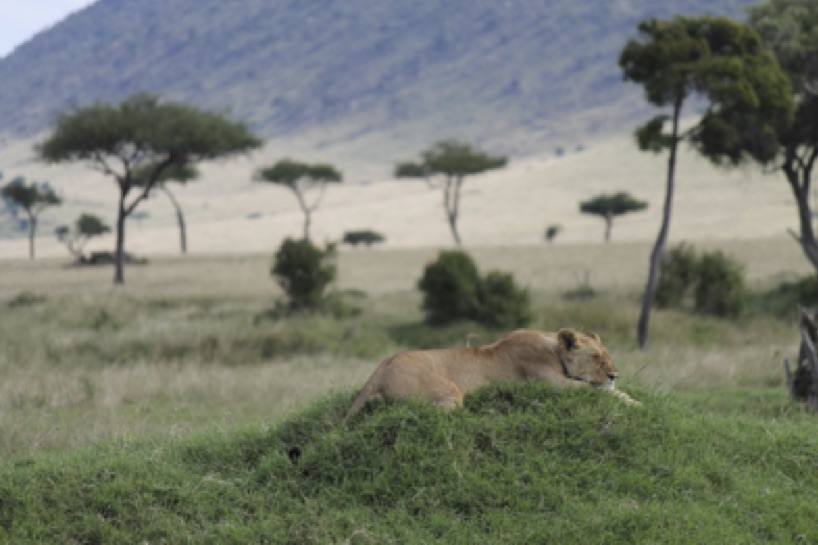
Seeing majestic lions strolling along the Maasai Mara at sunset — a dream vision for many conservationists, but a nightmare for pastoralists trying to keep their cattle safe at night. Fortunately a conservation success story from Kenya, published today in the journal Conservation Evidence, shows that predation of cattle can be reduced by almost 75% by constructing chain-link livestock fences.
The Anne K. Taylor Fund (AKTF) subsidises over 70% of the cost of building a fully fortified chain-link livestock enclosure (‘boma’) to keep cattle safe from predators at night, in the hope that this will lessen the retaliatory killings of lions by frustrated farmers. While lions, leopards and cheetahs draw in crowds of tourists who marvel at their strength and beauty, living alongside big predators can be tough. Traditionally, local people keep their animals overnight in bomas made of acacia thorns — but depredation by lions and other large carnivores cause losses of on average more than nine head of cattle per year, or US$1870 that farmers see disappear down the throat of big, hairy animals. Building a solid fortification of chain-link fence costs just $890, of which the AKTF paid $638, helping to make this an affordable option for hard-pressed locals. Read the rest of this entry »
While I’m in transit (yet a-bloody-gain) to Helsinki, I wanted to take this opportunity to reflect on one of the most inspiring eco-tourism experiences I recently had in South Australia.
If you are South Australian and have even the slightest interest in wildlife, you will have of course at least heard of the awe-inspiring mass breeding aggregation of giant cuttlefish (Sepia apama) that occur in May-July every year in upper Spencer Gulf near the small town of Whyalla. If you have been lucky enough to go there and see these amazing creatures themselves, then you know exactly what I’m talking about. And if you haven’t yet been there, take it from me that it is so very much worth it to attempt the voyage.
Despite having lived in South Australia for nearly a decade now, I only got my chance to see these wonderful creatures when a father at my daughter’s school organised a school trip. After driving for five hours from Adelaide to Whyalla, we hired our snorkelling gear and got into the water the very next morning. Read the rest of this entry »
New roads can be treacherous — even fatal — for wildlife, native forests, and the global environment.
If you don’t believe this, just watch this two-minute video, “Why Roads Are So Dangerous”
New roads can also be surprisingly risky for human economies and societies, as shown in this brief video, “Why Roads are Like Pandora’s Box”.