10 things I wish I knew before doing an Honours degree

19 08 2019

ORIGINALLY PUBLISHED ON THE GE.BLOG

1*rIJq-egkw9wL-D9ZGsF54g

In 2018 I started my Honours degree in biodiversity and conservation at Flinders University. I had completed my Bachelor of Science in 2017, after being accepted in the Honours stream through my Year 12 Australian Tertiary Admission Rank (ATAR).

I will not sugar-coat it — I was a bad Bachelor student. I scarcely attended classes and at times submitted sub-par work. I believed that as long as I didn’t fail anything I would still be able to do my Honours, so I did the bare minimum and just got by. However in the last semester I discovered I needed an average GPA of 5.0 to secure my Honours position, regardless of what stream I was doing. Panic ensued, I was already too deep in my final semester of not achieving to pull my grades around. Thankfully, I was eventually accepted, after having to plead my case with the Honours board.

In the end I managed to score myself a First Class Honours and a PhD candidature (and hopefully soon a publication). Honours was definitely a struggle, but it was also one of the best experiences of my life. I just wish I had known these 10 things before I started …

1. You will fail

Not the brightest note to start on, but don’t fear, everyone fails. Honours is full of ups and downs, and at some point, somewhere along the line, something in your project will go wrong. But it’s okay! It happens to every person that has ever done an Honours or a PhD. Whether the failing is small or catastrophic, remember this happens all the time.

More importantly your supervisor or co-ordinator sees it all the time. The best thing to do is tell your supervisor and your co-ordinator early on. It may be a simple case of steering your research in a slightly new direction, changing the scope of your project, or even taking some extra time. It’s okay to fail, just keep pushing. Read the rest of this entry »




The (not-so) funny question of whether scientists should be political leaders

15 08 2019

67401945_2509778735770137_9029097557816508416_n

At the risk of precociously setting fire to my powder keg, I thought it would be interesting to discuss the very real question of whether there should be more scientists in politics.

The reason I’m contemplating this particular question is because I’ve been forced to. Perhaps contrary to better judgement, I’ve agreed to take part in a the SciFight Science Comedy Debate in Adelaide on 31 August. Organised by scientist-comedian Alanta Colley, the event will pitch two scientist-comedian teams against each other to argue either in the affirmative or negative regarding this — scientists should rule the world.

Of course, the primary goal of the evening is to make people laugh (which still has me wondering whether I was a worthy choice for the role — thank Cthulu there will be some actual, live comedians there too).

But there’s a serious side to this question that I don’t think has any simple answers. Read the rest of this entry »


Nothing like a good forest

31 07 2019

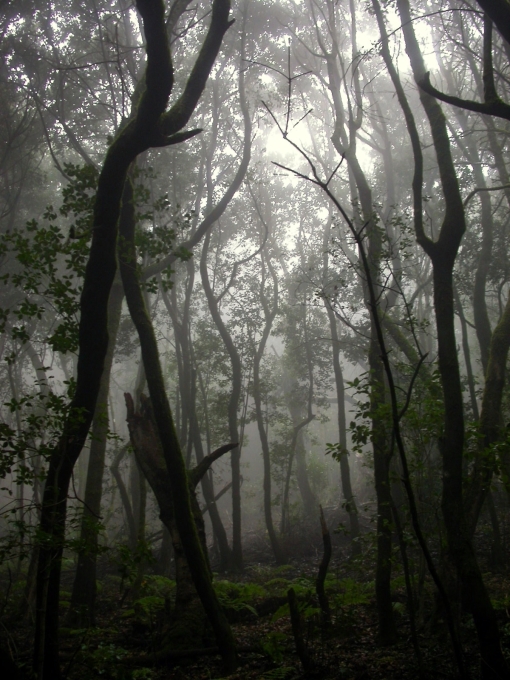
Our history and culture are intimately tied to the planet’s forests and the services they provide to all living beings. In modern times, forests also help combat the impacts of anthropogenic climate change, not only by acting as powerful sinks of the carbon excess resulting from our greenhouse-gas emissions, but also as thermal shields we and many other species can benefit from.

55_ForestBufferingPhotoPortadaQuercusCoverProposed2

Understory of the laurel forest in Garajonay National Park (La Gomera, Canary Islands) – also part of the World Network of Biosphere Reserves since 2012. The fog, combined with the cloud belt blowing from the Atlantic Ocean against the mountains (Garajonay is the highest peak at 1500 m), creates a mesic microclimate crucial for plant endemism. Forest canopies reinforce humidity and buffer temperature variation for many species. Photo: Paco Rodríguez.

If we were to choose a house to live, most would likely opt for one with water and electricity supply, noiseless nights, nearby leisure and shopping, and easy communication by public transport. Lacking only one of those aspects could be off-putting.

In truth, those who have the privilege of living in a stable household value it by the full set of available commodities. Similarly, the value of an ecosystem rests on its entire repertoire of ecological functions (1). And this is particularly so for forest ecosystems.

The ecological value of a forest relies on the collection of its native characteristics (2): how many autochthonous and mature trees it can host, how much photosynthesis it fuels, how many pollinisers it feeds, how much soil and water it creates and retains, and many more (3). Read the rest of this entry »


Journal ranks 2018

23 07 2019

journal stacks

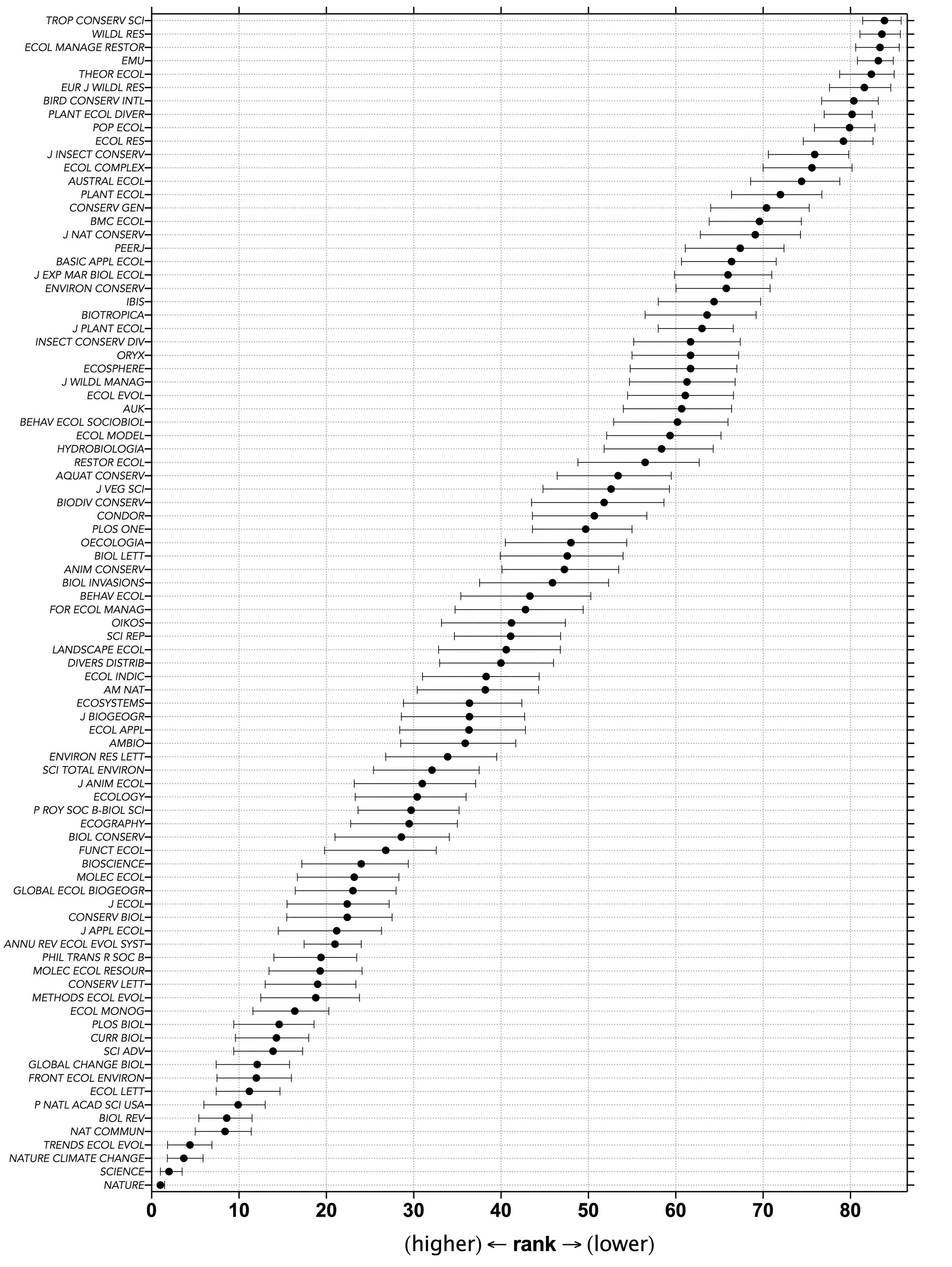
As has become my custom (11 years and running), and based on the journal-ranking method we published several years ago, here are the new 2018 ranks for (i) 90 ecology, conservation and multidisciplinary journals, and a subset of (ii) 56 ‘ecology’ journals, and (iii) 26 ‘conservation’ journals. I’ve also included two other categories — (iv) 40 ‘sustainability’ journals (with general and energy-focussed journals included), and 19 ‘marine & freshwater’ journals for the watery types.

See also the previous years’ rankings (20172016201520142013, 2012, 20112010, 2009, 2008).

Read the rest of this entry »


“Overabundant” wildlife usually isn’t

12 07 2019

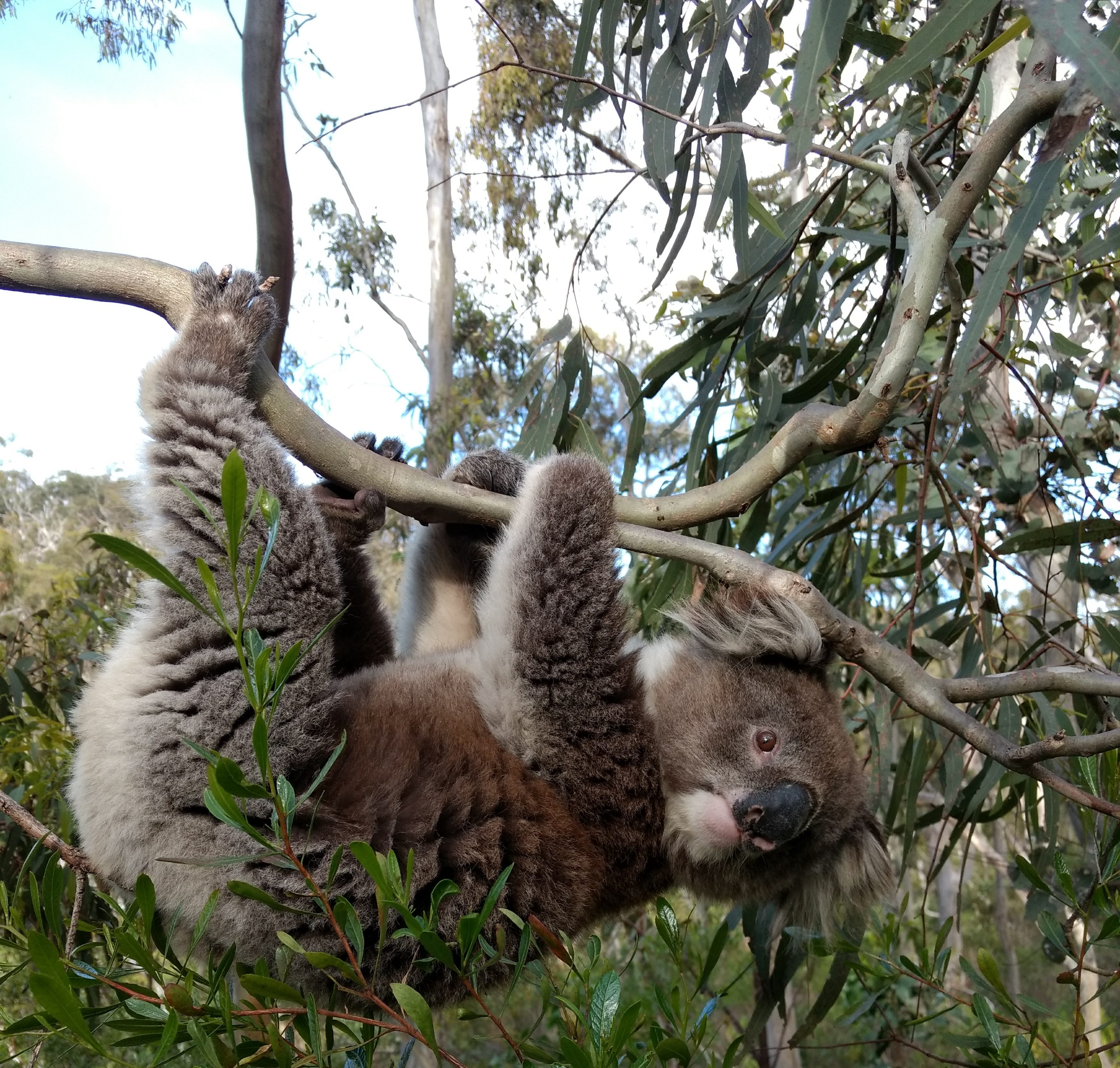
koalacrosshairsLate last year (10 December) I was invited to front up to the ‘Overabundant and Pest Species Inquiry’ at the South Australian Parliament to give evidence regarding so-called ‘overabundant’ and ‘pest’ species.
There were the usual five to six Ministers and various aides on the Natural Resources Committee (warning here: the SA Parliament website is one of the most confusing, archaic, badly organised, and generally shitty government sites I’ve yet to visit, so things require a bit of nuanced searching) to whom I addressed on issues ranging from kangaroos, to dingoes, to koalas, to corellas. The other submissions I listened to that day were (mostly) in favour of not taking drastic measures for most of the human-wildlife conflicts that were being investigated.

Forward seven months and the Natural Resources Committee has been reported to have requested the SA Minister for Environment to allow mass culling of any species (wildlife or feral) that they deem to be ‘overabundant’ or a ‘pest’.

So, the first problem is terminological in nature. If you try to wade through the subjectivity, bullshit, vested interests, and general ignorance, you’ll quickly realise that there is no working definition or accepted meaning for the words ‘overabundant’ or ‘pest’ in any legislation. Basically, it comes down to a handful of lobbyists and other squeaky wheels defining anything they deem to be a nuisance as ‘overabundant’, irrespective of its threat status, ecological role, or purported impacts. It is, therefore, entirely subjective, and boils down to this: “If I don’t like it, it’s an overabundant pest”. Read the rest of this entry »


Cartoon guide to biodiversity loss LV

4 07 2019

The fourth set of six biodiversity cartoons for 2019. See full stock of previous ‘Cartoon guide to biodiversity loss’ compendia here.


Read the rest of this entry »


Increasing human population density drives environmental degradation in Africa

26 06 2019


stumps

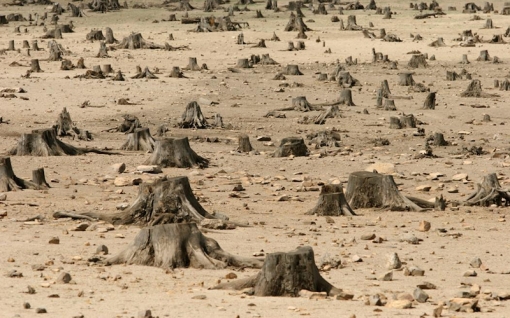
Almost a decade ago, I (co-) wrote a paper examining the socio-economic correlates of gross, national-scale indices of environmental performance among the world’s nations. It turned out to be rather popular, and has so far garnered over 180 citations and been cited in three major policy documents.

In addition to the more pedestrian ranking itself, we also tested which of three main socio-economic indicators best explained variation in the environmental rank — a country’s gross ‘wealth’ indicator (gross national income) turned out to explain the most, and there was no evidence to support a non-linear relationship between environmental performance and per capita wealth (the so-called environmental Kuznets curve).

Well, that was then, and this is now. Something that always bothered me about that bit of research was that in some respects, it probably unfairly disadvantaged certain countries that were in more recent phases of the ‘development’ pathway, such that environmental damage long since done in major development pulses many decades or even centuries prior to today (e.g., in much of Europe) probably meant that certain countries got a bit of an unfair advantage. In fact, the more recently developed nations probably copped a lower ranking simply because their damage was fresher

While I defend the overall conclusions of that paper, my intentions have always been since then to improve on the approach. That desire finally got the better of me, and so I (some might say unwisely) decided to focus on a particular region of the planet where some of the biggest biodiversity crunches will happen over the next few decades — Africa.

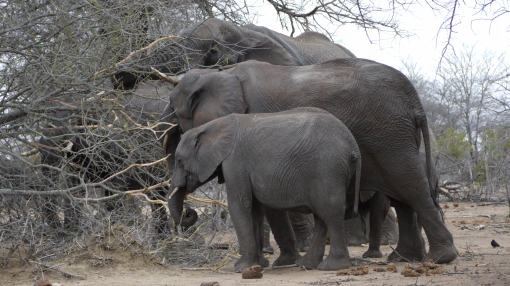
Africa is an important region to re-examine these national-scale relationships for many reasons. The first is that it’s really the only place left on the planet where there’s a semi-intact megafauna assemblage. Yes, the great Late Pleistocene megafauna extinction event did hit Africa too, but compared to all other continents, it got through that period relatively unscathed. So now we (still) have elephants, rhinos, giraffes, hippos, etc. It’s a pretty bloody special place from that perspective alone.

P1080625

Elephants in the Kruger National Park, South Africa (photo: CJA Bradshaw)

Then there’s the sheer size of the continent. Unfortunately, most mercator projections of the Earth show a rather quaint continent nuzzled comfortably in the middle of the map, when in reality, it’s a real whopper. If you don’t believe me, go to truesize.com and drag any country of interest over the African continent (it turns out that its can more or less fit all of China, Australia, USA, and India within its greater borders).

Third, most countries in Africa (barring a few rare exceptions), are still in the so-called ‘development’ phase, although some are much farther along the economic road than others. For this reason, an African nation-to-nation comparison is probably a lot fairer than comparing, say, Bolivia to Germany, or Mongolia to Canada.

Read the rest of this entry »


First Australians arrived in large groups using complex technologies

18 06 2019

file-20190325-36276-12v4jq2

One of the most ancient peopling events of the great diaspora of anatomically modern humans out of Africa more than 50,000 years ago — human arrival in the great continent of Sahul (New Guinea, mainland Australia & Tasmania joined during periods of low sea level) — remains mysterious. The entry routes taken, whether migration was directed or accidental, and just how many people were needed to ensure population viability are shrouded by the mists of time. This prompted us to build stochastic, age-structured human population-dynamics models incorporating hunter-gatherer demographic rates and palaeoecological reconstructions of environmental carrying capacity to predict the founding population necessary to survive the initial peopling of late-Pleistocene Sahul.

As ecological modellers, we are often asked by other scientists to attempt to render the highly complex mechanisms of entire ecosystems tractable for virtual manipulation and hypothesis testing through the inevitable simplification that is ‘a model’. When we work with scientists studying long-since-disappeared ecosystems, the challenges multiply.

Add some multidisciplinary data and concepts into the mix, and the complexity can quickly escalate.

We do have, however, some powerful tools in our modelling toolbox, so as the Modelling Node for the Australian Research Council Centre of Excellence for Australian Biodiversity and Heritage (CABAH), our role is to link disparate fields like palaeontology, archaeology, geochronology, climatology, and genetics together with mathematical ‘glue’ to answer the big questions regarding Australia’s ancient past.

This is how we tackled one of these big questions: just how did the first anatomically modern Homo sapiens make it to the continent and survive?

At that time, Australia was part of the giant continent of Sahul that connected New Guinea, mainland Australia, and Tasmania at times of lower sea level. In fact, throughout most of last ~ 126,000 years (late Pleistocene and much of the Holocene), Sahul was the dominant landmass in the region (see this handy online tool for how the coastline of Sahul changed over this period).

Read the rest of this entry »


Koala extinctions past, present, and future

12 06 2019
Koala

Photo by John Llewelyn

Koalas are one of the most recognised symbols of Australian wildlife. But the tree-living marsupial koala is not doing well throughout much of its range in eastern Australia. Ranging as far north as Cairns in Queensland, to as far west as Kangaroo Island in South Australia, the koala’s biggest threats today are undeniably deforestation, road kill, dog attacks, disease, and climate change.

With increasing drought, heatwaves, and fire intensity and frequency arising from the climate emergency, it is likely that koala populations and habitats will continue to decline throughout most of their current range.

But what was the distribution of koalas before humans arrived in Australia? Were they always a zoological feature of only the eastern regions?

The answer is a resounding ‘no’ — the fossil record reveal a much more complicated story.

Read the rest of this entry »


Being empathetic for better interdisciplinarity

4 06 2019

Source: taazatadka.com(originally published on the GE.blog)

Scientists appear to have mixed feelings when it comes to interdisciplinarity in science — the reaction spans from genuine enthusiasm right through to pure disdain.

I myself have crossed many research fields since my Masters project, but despite the support of my supervisors, I have already had to face some tough gatekeeping from science specialists in conferences and in front of other panels. Several times I was taken aback by some reactions, so I have started to become interested in the topic from a more analytical perspective. How are these fields’ boundaries defined in science?

Although each field’s specific methodology, jargon, and tendency to interpret results could represent communication barriers among them, this can be easily overcome by spending time learning the language of other groups, in the company of specialist collaborators, or by attending workshops.

But what about ideology — a philosophy of science inherent to a specific group of individuals? This is one of the things making us human. It definitely affects our society, and even if it is never assumed, it also affects the generation of scientific knowledge from its production to its transmission. Scientists have that connection to their field, its history, its identity, and its compromises.

For example, historians or philosophers use different ways of thinking than do physicists or biologists. The first group aims to clarify and analyse the reconstruction of past events, while the second group strives for conceptual understanding. While useful withina field, these specific ways of seeing science can generate roadblocks when two fields need to start a conversation.

I will tell you a story based on my own experience. Read the rest of this entry »


Cartoon guide to biodiversity loss LIV

17 05 2019

The third set of six biodiversity cartoons for 2019. See full stock of previous ‘Cartoon guide to biodiversity loss’ compendia here.


Read the rest of this entry »


11 things academic research and surfing have in common

2 05 2019
1surf

Our very own surfing scientist, Dr Katharina Peters

(originally published on the GE.blog)

The last time I went surfing the waves were very slow and between sets I had a lot of time to contemplate life. This was when it occurred to me that the pursuit of a career in academic research was similar, in many ways, to trying to catch waves. Here are 11 surprising things surfing and academic research have in common:

1. It’s a constant struggle and a long, hard slog to get past the white water

Paddling out through the white water, having wave after wave come crushing down on you while trying to turtle-roll through the biggest ones, can be a real challenge. Likewise, in science it takes most people years of study, work (often unpaid), long hours in the lab, the field, and at the desk, to establish themselves and potentially secure employment for a period longer than a year or two. You find yourself working late finishing papers from research you did years ago (again, usually unpaid), or volunteering to get more hands-on experience because you know how important these things are. But you power on, always trusting that, just like paddling through the white water will help get you the stamina and shoulder muscles you need to catch waves, all this work will lay the foundation for your career and make you a better scientist.

2Academia

2. Women are underrepresented and often treated badly (but it’s changing!)

Whether you look around you in the line-up at your surf spot or at a scientific conference, women are underrepresented. Many women I know have experienced discrimination related to their gender, as women are often not assessed based purely on their ability to shred or do high-quality research. Indeed, reviewers have an unconscious bias against women in science, and in surf competitions men get to compete when conditions are optimal whilst women are relegated to whatever is left. Nevertheless, slowly but surely, things are changing for women. It will still take many years to reach an equilibrium (if there is such a thing), but people are becoming more and more aware of the gap, and female researchers and surfers are pushing that glass ceiling.

3. Others always seem to be performing better than you

This is probably true for many areas in life! It always looks so much easier when others do it, and we tend to only see those who do better than us (also, imposter syndrome, anyone??). I guess it’s a lifelong task to learn not to compare yourself to others, to stay focused on your path and try to take inspiration from the achievements of others, rather than letting them demotivate you. Read the rest of this entry »


Academics and Indigenous groups unite to stand up for the natural world

26 04 2019
rainforest

Rain forest gives way to pastures in the Brazilian Amazon in Mato Grosso. Photo by Thiago Foresti.

More than 600 scientists from every country in the EU and 300 Brazilian Indigenous groups have come together for the first time. This is because we see a window of opportunity in the ongoing trade negotiations between the EU and Brazil. In a Letter published in Science today, we are asking the EU to stand up for Brazilian Indigenous rights and the natural world. Strong action from the EU is particularly important given Brazil’s recent attempts to dismantle environmental legislation and ‘develop the unproductive Amazon’.

It’s worth clarifying — this isn’t about the EU trying to control Brazil — it’s about making sure our imports aren’t driving violence and deforestation. Foreign white people trying to ‘protect nature’ abroad have a dark and shameful past, where actions done in the name of conservation have led to the eviction of millions of Indigenous people. This has predominantly been to create (what we in the world of conservation would call) ‘protected areas’. The harsh reality is that most protected areas either are or have been ancestral lands of Indigenous people who are closely linked to their land and depend on it for their survival. Clearly, conservationists need to support Indigenous people. This new partnership between European scientists and Brazilian Indigenous groups is doing just that.

Brazil

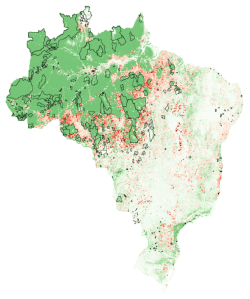
Brazil’s forest loss 2001-2013 shown in red. Indigenous lands outlined. By Mike Clark; data from GlobalForestWatch.org

In Brazil, many Indigenous groups still have a right to their land. This land is predominantly found in the Amazon rainforest, where close to a million Indigenous people live and depend on a healthy forest. Indigenous people are some of the best protectors of this vast forest, and are crucial to a future of long-term successful conservation. But Brazilian Indigenous groups and local communities are increasingly under attack. Violence on deforestation frontiers in Brazil has spiked this month, with at least 9 people found dead. The future is particularly scary for Indigenous people when there are quotes such as this from the man who is currently the President It’s a shame that the Brazilian cavalry hasn’t been as efficient as the Americans, who exterminated the Indians.

On top of human rights and environmental concerns, there is a strong profit driven case for halting deforestation. For example, ongoing deforestation in the Amazon risks flipping large parts of the rainforest to savanna – posing a serious risk to agricultural productivity, food security, local livelihoods, and the Brazilian economy. Zero-deforestation doesn’t harm agri-business, it allows for its longevity. Read the rest of this entry »


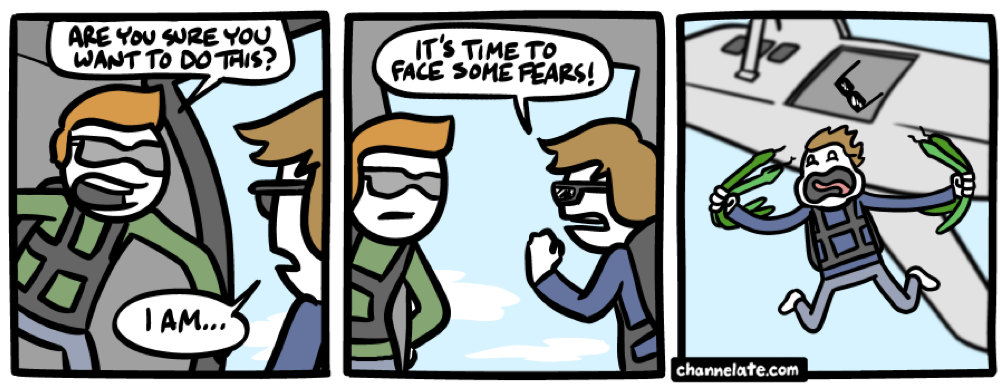
Skydive your PhD

23 04 2019

Originally published on the Global Ecology Blog.


skydive1

Many students start a PhD by just continuing in the same subject and same institution from their Masters or Honours project. But this is not necessarily the best way to do things. In fact, switching fields and countries for your PhD could end up giving you a decide boost to your career.

Sure, continuing a project with the same supervisors has a lot of advantages for both the student and supervisor. As students, we are familiar with the environment, the research topic, and the specific, technological know-how of our current field. We also know that we have no more than 3 to 4 years to complete a PhD thesis. This period is short, and so avoiding the time to adapt to a new setting and topic is a distinct advantage. From the perspective of the supervisor, this time-saving can also increase the likelihood that the student will finish in time

Given these reasons, it’s difficult to argue why someone should contemplate doing things differently. This was exactly my point of view a few years ago, but I am now convinced that I was wrong.

I decided to do a PhD when I was 16 after an interview I did with a professor as part of a high school project. His eyes were bright, and his obvious passion for the subject fascinated me. A few years later, my first internship in a research lab was so captivating that I subsequently chose my courses and internships accordingly. I had decided to do a PhD in that field, and to become an ‘expert’. In so doing, I thought that I would be more likely to get one of the local PhD scholarships that were on offer. But at the end of my Masters degree, I missed out on being selected. Read the rest of this entry »


How to improve (South Australia’s) biodiversity prospects

9 04 2019
Fig2

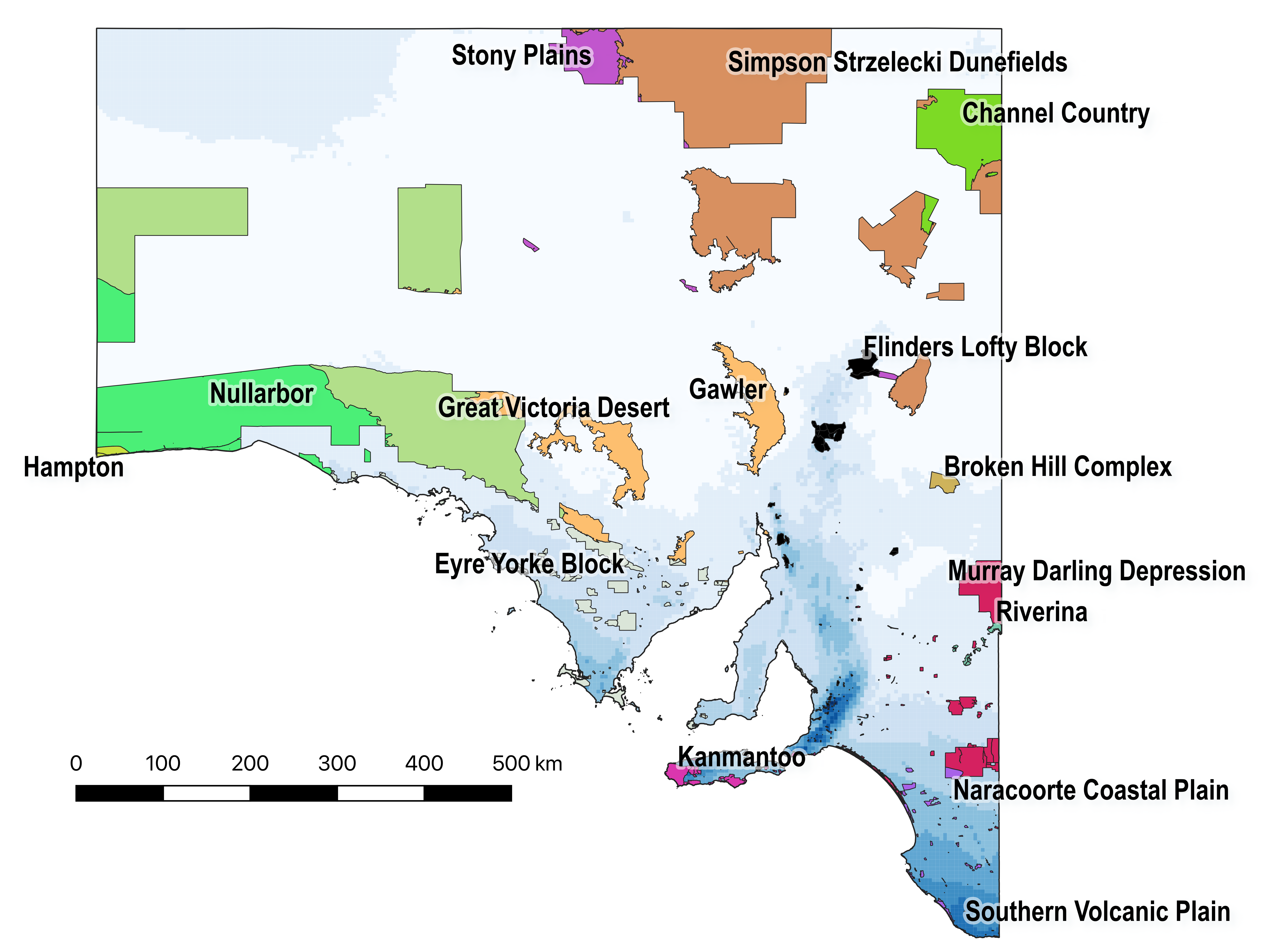
Figure 2 (from the article). Overlaying the South Australia’s Protected Areas boundary data with the Interim Biogeographic Regionalisation for Australia layer indicates that 73.2% of the total protected area (excluding Indigenous Protected Areas) in South Australia lies in the arid biogeographic regions of Great Victoria Desert (21.1%), Channel Country (15.2%), Simpson Strzelecki Dunefields (14.0%), Nullarbor (9.8%), Stony Plains (6.6%), Gawler (6.0%), and Hampton (0.5%). The total biogeographic-region area covered by the remaining Conservation Reserves amounts to 26.2%. Background blue shading indicates relative average annual rainfall.

If you read CB.com regularly, you’ll know that late last year I blogged about the South Australia 2108 State of the Environment Report for which I was commissioned to write an ‘overview‘ of the State’s terrestrial biodiversity.

At the time I whinged that not many people seemed to take notice (something I should be used to by now in the age of extremism and not giving a tinker’s about the future health of the planet — but I digress), but it seems that quietly, quietly, at least people with some policy influence here are starting to listen.

Not satisfied with merely having my report sit on the virtual shelves at the SA Environment Protection Authority, I decided that I should probably flesh out the report and turn it into a full, peer-reviewed article.

Well, I’ve just done that, with the article now published online in Rethinking Ecology as a Perspective paper.

The paper is chock-a-block with all the same sorts of points I covered last year, but there’s a lot more, and it’s also a lot better referenced and logically sequenced.

Read the rest of this entry »


Ecological Network Analysis Workshop

8 04 2019

network-transformation-optimizednfv-16x9.jpg.rendition.intel.web.480.270We are most fortunate that Dr Giovanni Strona of the EU Joint Research Centrein Ispra, Italy, will be visiting Flinders University for most of April. As a recipient of the prestigious International Visitor Fellowship, Dr Strona has kindly agreed to give a day-long (and hands-on) workshop in network modelling.

What is network analysis? Well, anything that is connected to other things is ostensibly a ‘network’ — think social-media users, neurones, electric elements in a circuit, or species in an ecological community. It doesn’t really matter what the ‘nodes’ of a network actually represent, because all networks more or less share the same properties. The analysis of network structure and behaviour is what Dr Strona will focus on for the workshop.

Being ecologists, we will of course be primarily interested in ecological networks, but maths and coding is essentially the same for all types of networks. Interested in attending this free and rare opportunity? If so, please register your interest here.

The workshop will be held at the Bedford Park Campus of Flinders University from 09:00-17:00 on 29 April 2019. The outline of the workshop is described in more detail below. Read the rest of this entry »


How to fix a broken river

5 04 2019

murraycod

It seems that most of what I do these days is measure, model, or otherwise quantify environmental damage. While I dabble in restoration, occasionally I’m involved in a project that really can make a positive difference.

If you’re an Australian, you’ll know a thing or two about just how much of a clusterfuck our biggest river system has turned into. From mismanagement, to outright theft, to lobbyist-driven over-exploitation, to climate change itself, the Murray-Darling system is now in a right mess.

So, I’ll pretext this post with a caveat — no amount of ecological restoration can ‘fix’ a compromised river if there’s no water in it. Goes without saying, really.

But, if you do have water, then there are things one can do to promote populations of various creatures living in it, like fish.

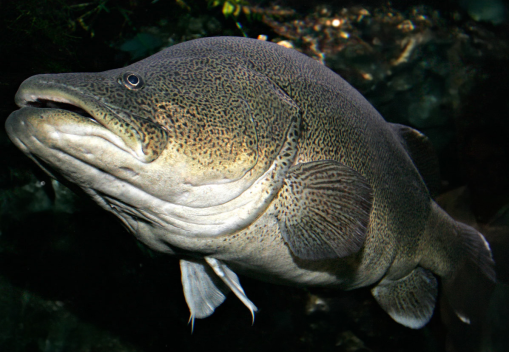
Dubbed the ‘honeypot effect’ — we have just shown that providing woody habitat, or ‘snags’, for native fish in the Murray River increases population size. Read the rest of this entry »


Even the IPCC undersells the climate emergency

31 03 2019

uncertainty.0

Uncertainty is to science what the score is to music. Everything scientists measure is subject to various types of ‘error’ — from measurements to models. And climate change is no exception. The Intergovernmental Panel on Climate Change (IPCC) is the United Nation’s scientific body informing the political response to the human disruption of our planet’s climate. In a recent paper, we reveal that the IPCC’s language to address climatic uncertainty is overly conservative in its assessment reports.

Uncertainty dominates our lives. We might grumble, but we generally accept the bus arriving late, the risotto being a little colder than we might want, or a blood test unexpectedly announcing higher cholesterol than usual. We even treat uncertainty as an inevitable outcome of many professions: meteorologists might fail to predict rain for our camping weekend, an investor might make back the money today that was lost yesterday, or Messi might fail to score in the last minute of a Champions League final.

So, we shouldn’t be surprised that scientific research is suffused with uncertainty. In fact, scientists indulge themselves with uncertainty. For them, acknowledging an uncertain outcome is not enough; instead, a critical component of their work is to quantify the amount of that uncertainty by, say, measuring the degree of variance (uncertainty) in the average height of a tree in a forest, or in the exact number of bees in a hive.

The treatment of uncertainty even gains added value when we deal with themes that directly affect our society — like climate change. But whoever communicates the uncertainty of climate science faces two formidable challenges. First, people often have a flawed understanding of science as a source of statements of fact. Instead, science is, in essence, about asking questions (1) and gradually refining the accuracy of our answers to those questions. Second, people perceive climate change through the lens of their ideology, education, and personal interests (2, 3, 4).

Therefore, what scientists say about the climate is not necessarily what some people will hear, even to the point that what scientists collectively recommend as ‘useful’ for addressing climate change might instead be deemed ‘useless’ by policymakers (5). 

Mathematical jargon

The IPCC evaluates the technical literature about climate change, and publishes such comprehensive evaluations in the form of periodical ‘assessment reports’ (AR). Those reports — which receive vast, global attention — provide policy-relevant, but not policy-prescriptive, advice to national governments and international organizations. The reports also catch the eye of a variety of audiences such as business people, educators, scientists, and the public as a whole.

To date, the IPCC has published five assessment reports in 1990 (AR1), 1995 (AR2), 2001 (AR3), 2007 (A4) and 2014 (AR5), and the next one (see progress updates here) is scheduled for 2022 (AR6) (6). With a focus on climate change, each report comprises three components: (i) the physical basis of climate, (ii) its socio-economic consequences, and (iii) adaptation and mitigation options. Every component is elaborated by a different ‘working group’ in charge of editing, integrating, and synthesizing the inputs of multiple experts. Read the rest of this entry »


Cartoon guide to biodiversity loss LIII

25 03 2019

The second set of six biodiversity cartoons for 2019. See full stock of previous ‘Cartoon guide to biodiversity loss’ compendia here.


Read the rest of this entry »


A call to wings

19 03 2019

This week sees the launch of an updated bat synopsis from Conservation Evidence, adding new studies that have come out since the first synopsis was published in 2013.

The synopsis collects and summarises studies that test conservation actions such as ‘provide bat boxes for roosting bats’, and organises the studies by the action that they test. This focus on solutions makes it a handy point of reference for conservationists wishing to see what might work — and what is unlikely to work — to conserve bats.

Bechstein’s bat – photo credit Claire Wordley

Bechstein’s bat (Myotis bechsteinii) — photo credit Claire Wordley


Free to read or download from Conservation Evidence, the update represents a major addition to the original, containing 173 studies to the original 101. Studies are included if they tested an action that could be put in place for conservation, and measured an outcome for bats. As well as adding studies published from 2013 on, the update adds studies originally published in Spanish or Portuguese, and it is hoped that more languages will be added in future editions. Read the rest of this entry »