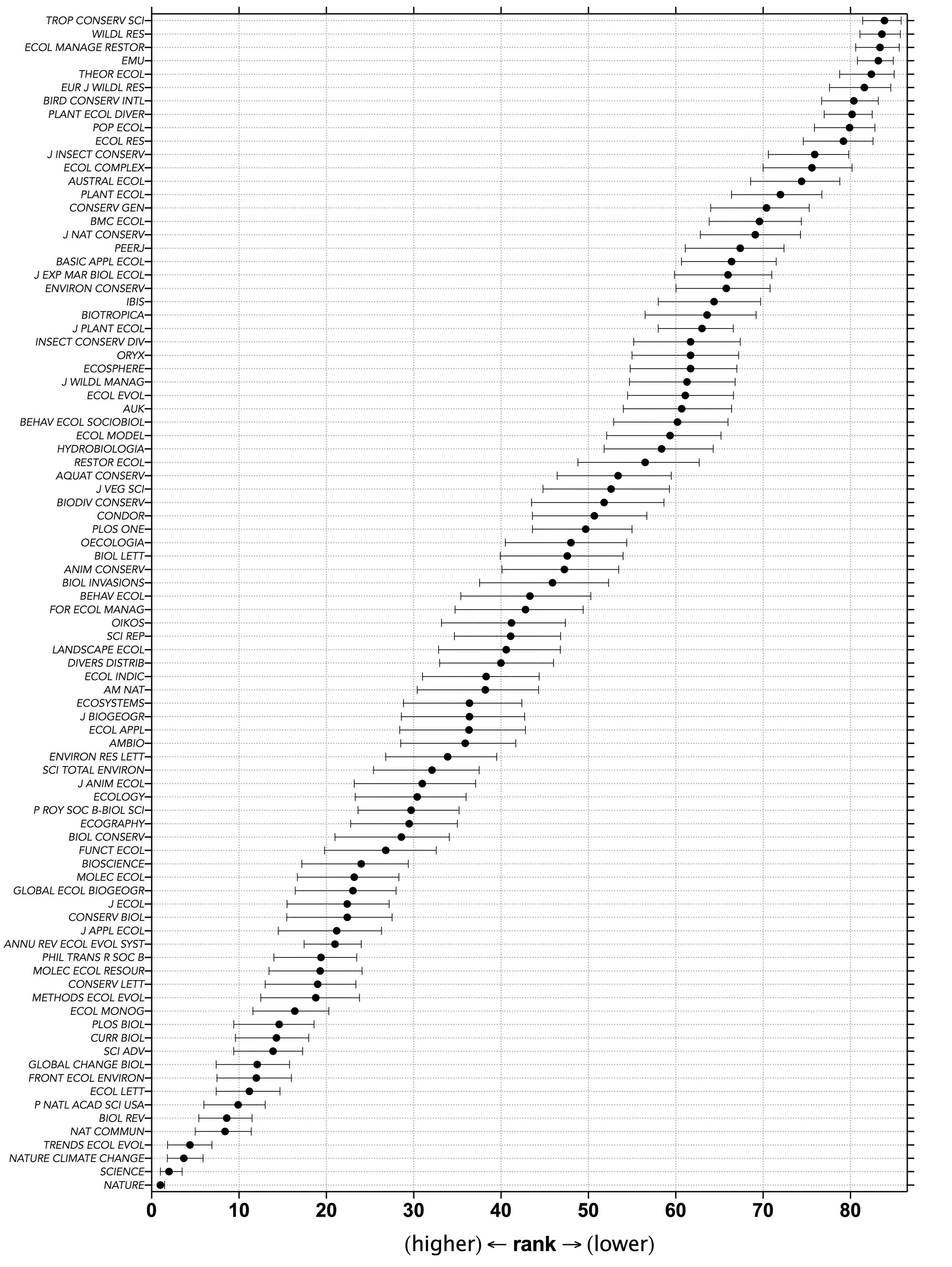
This might be a little outside the realms of ‘conservation’ per se, but put has a lot of ecology-evolution components, with spin-off applications to modern conservation. Please spread the word.
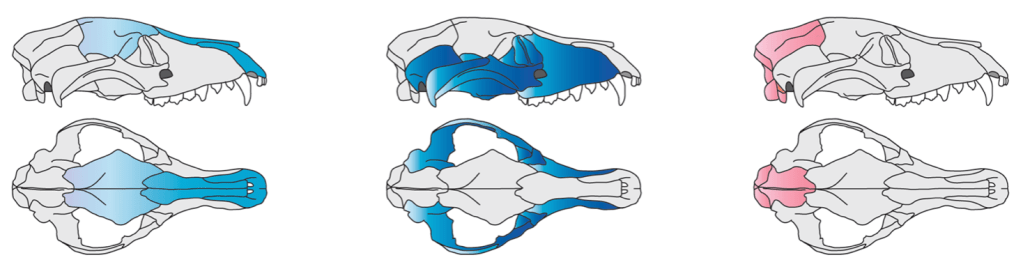
The Research Associate will investigate how the skull of extant mammal populations varies according to their environment, with a focus on the interaction between mega-herbivores and vegetation change.
The project aims to understand the relationship between evolved morphological adaptation and phenotypic plasticity in changing local environments. The Research Associate will extrapolate this knowledge to the iconic extinct Australian megafauna, with the aim of establishing how changing conditions of the past might have contributed to the demise of the Australian megafauna.
The candidate will be expected to work within a large group of collaborators at Flinders University and interstate, and supervise postgraduate students. The collaboration environment includes teams of national and international researchers, and will particularly integrate research in Global Ecology Lab led by Corey Bradshaw, and Chris Johnson‘s lab at the University of Tasmania. The candidate will be expected to liaise with academic, administrative and technical staff according to the University’s policies, practices and standards.
Key position responsibilities
The Research Associate will be responsible for:
Read the rest of this entry »


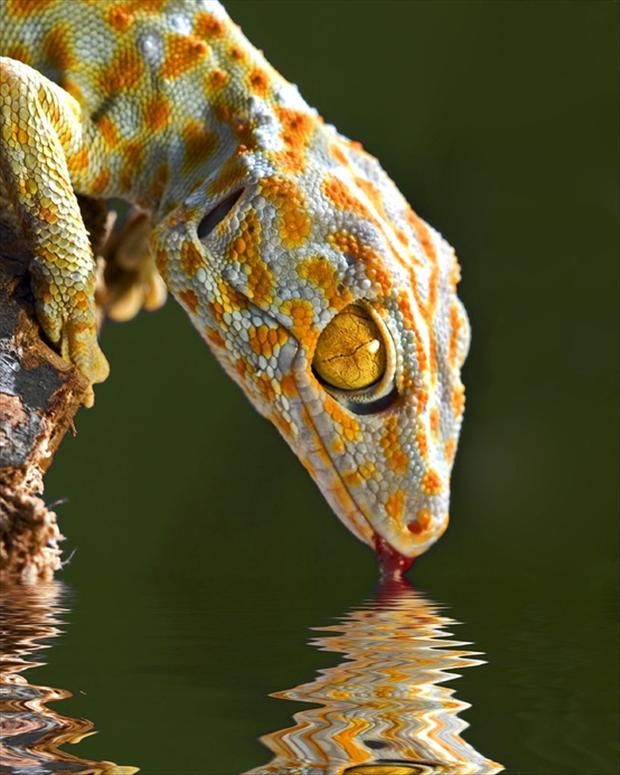
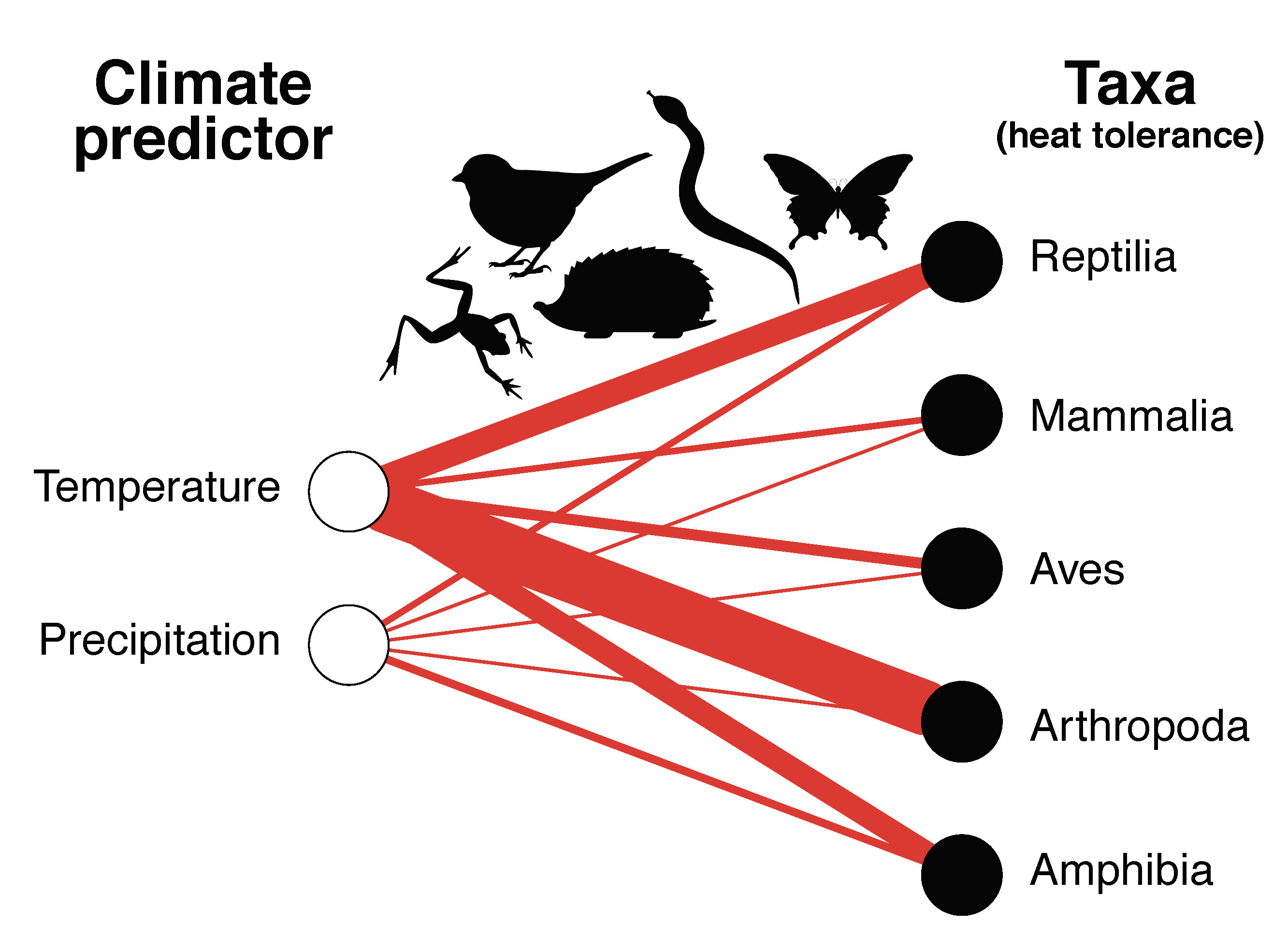



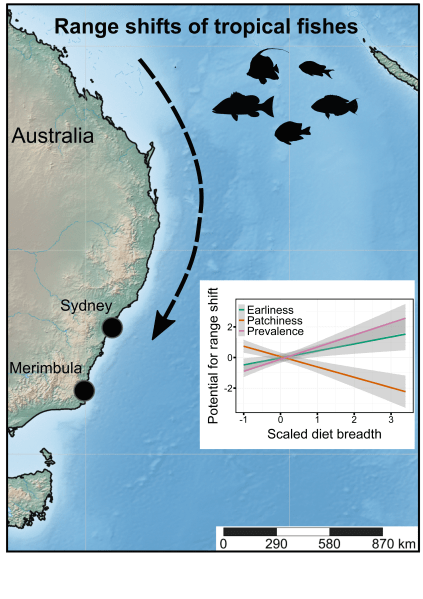 Ecologists often rely on measuring certain elements of a species’ characteristics, behaviour, or morphology to determine if these — what we call ‘traits’ — give them certain capacities to exploit their natural environments. While sometimes a bit arbitrarily defined, the traits that can be measured are many indeed, and sometimes they reveal rather interesting elements of a species’ resilience in the face of environmental change.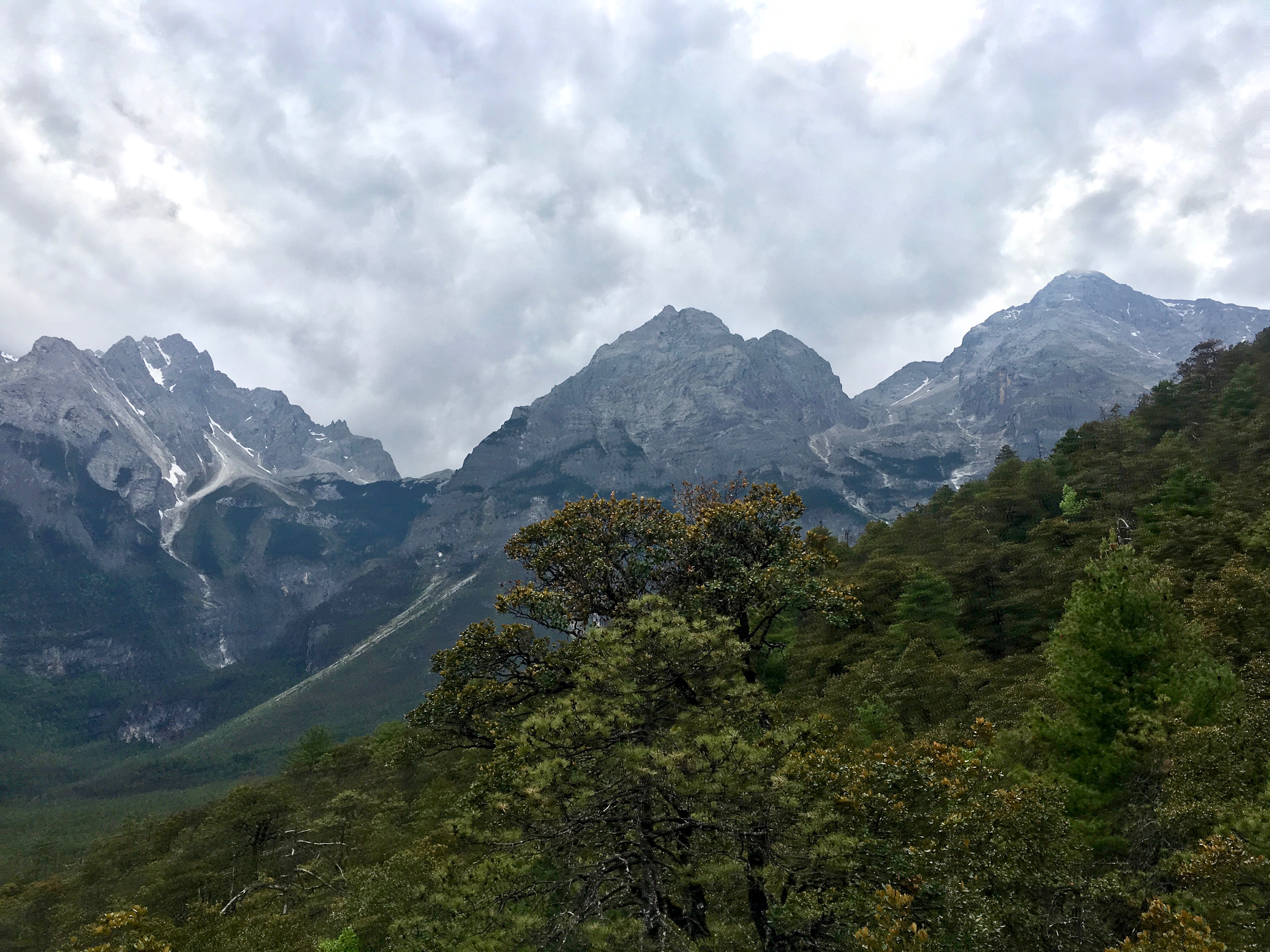
 An excerpt from

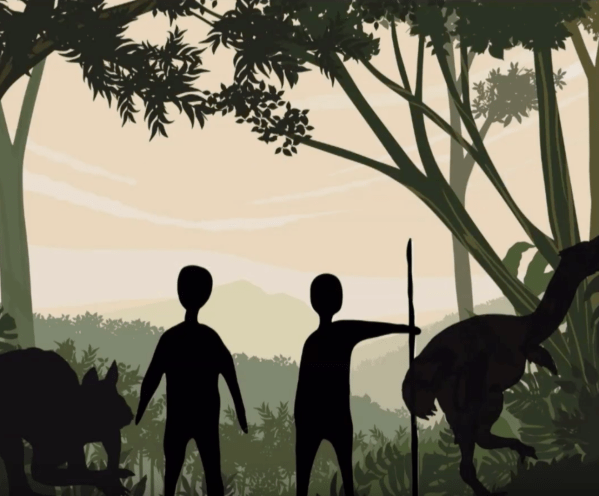 Over the last 60,000 years, many of the world’s largest species disappeared forever. Some of the largest that we generally call ‘megafauna’ were first lost in Sahul — the super-continent formed by the connection of Australia and New Guinea during periods of low sea level. The causes of these extinctions have been heavily debated for decades within the scientific community.
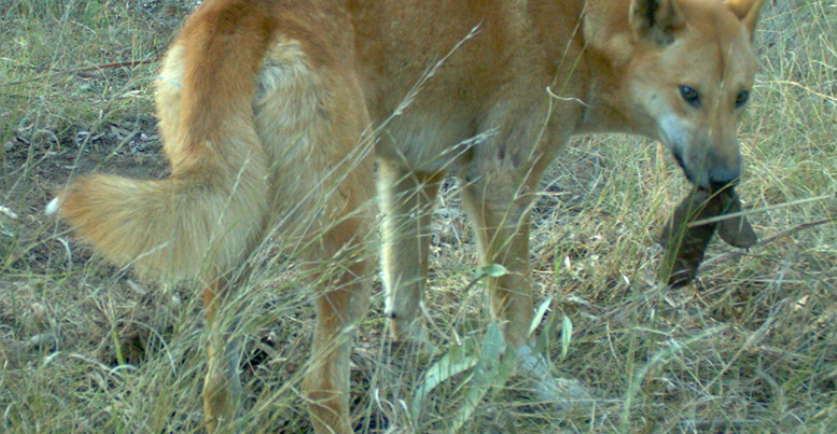

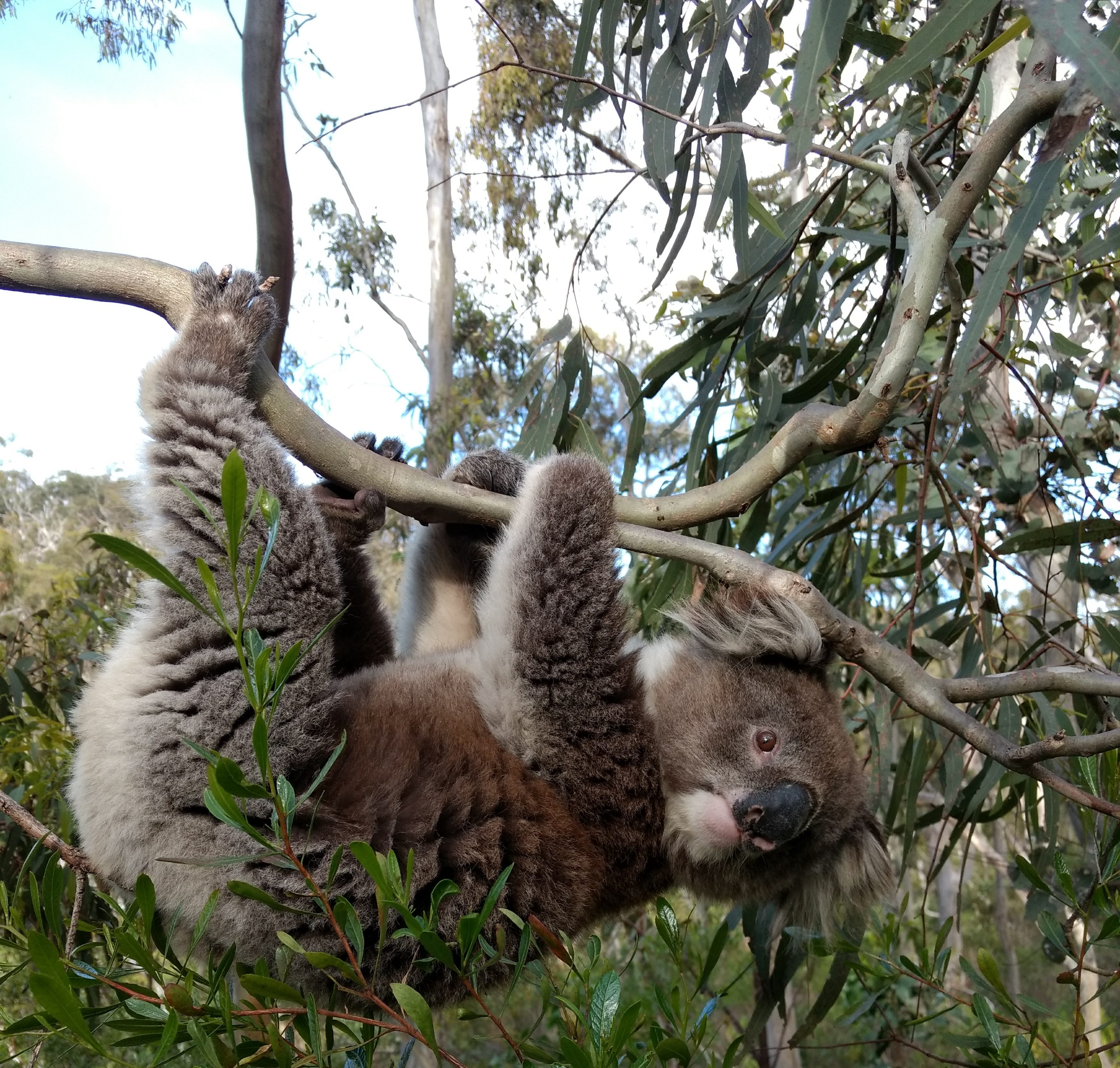
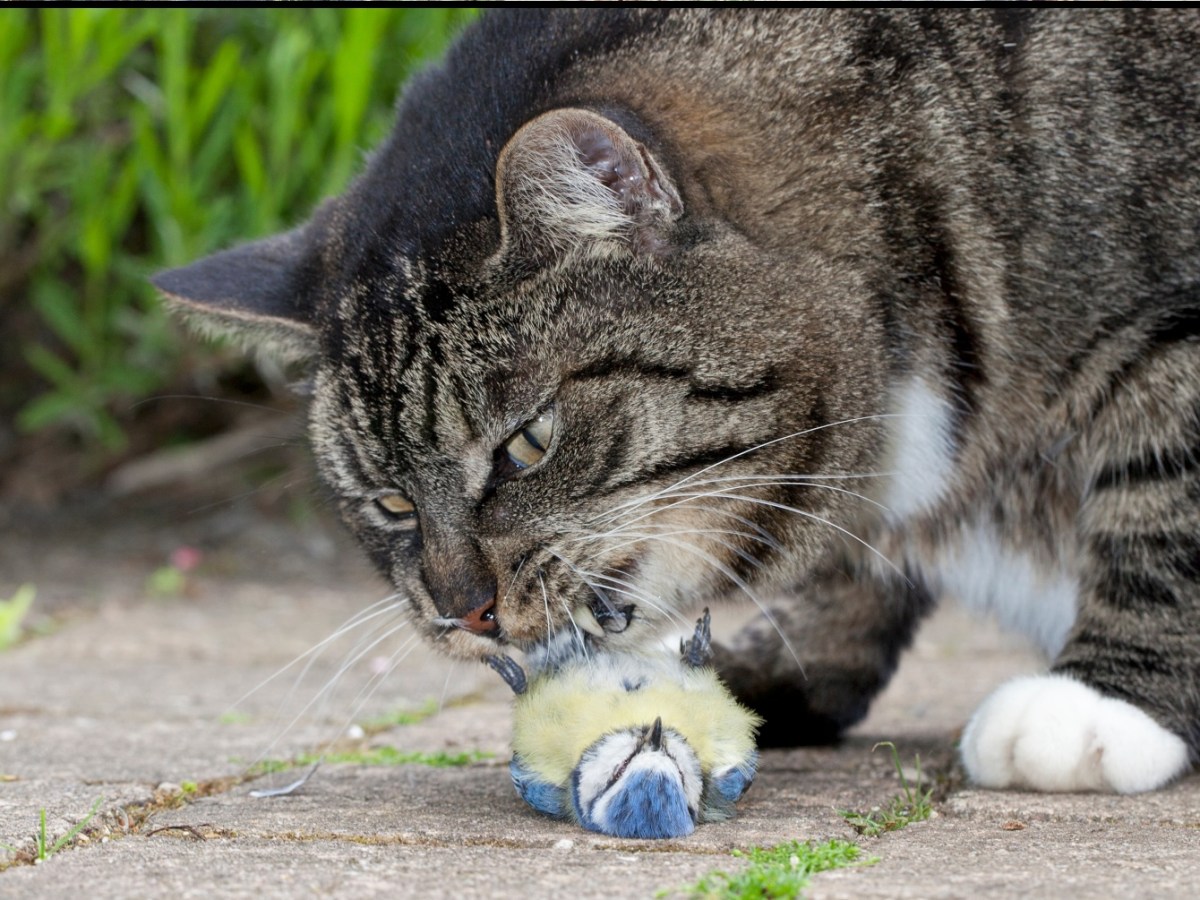
 Late last year (10 December) I was invited to front up to the ‘Overabundant and Pest Species Inquiry’ at the South Australian Parliament to give evidence regarding so-called ‘overabundant’ and ‘pest’ species.



 ConservationBytes.com