Easy. Don’t go swimming/surfing/snorkelling/diving in the ocean.

Sure, that’s true, but if you’re like many Australians, the sea is not just a beautiful thing to look at from the window, it’s a way of life. Trying telling a surfer not to surf, or a diver not to dive. Good luck with that.
A few years ago, I joined a team of super-cool sharkologists led by Charlie ‘Aussie-by-way-of-Belgium shark-scientist extraordinaire‘ Huveneers, and including Maddie ‘Chomp’ Thiele and Lauren ‘Acid’ Meyer — to publish the results of some of the first experimentally tested shark deterrents.
It turns out that many of the deterrents we tested failed to show any reduction in the probability of a shark biting, with only one type of electronic deterrent showing any effect at all (~ 60% reduction).
Great. But what might that mean in terms of how many people could be saved by wearing such electronic deterrents? While the probability of being bitten by a shark is low globally, even in Australia (despite public perceptions), we wondered if the number of lives saved and injuries avoided was substantial.
In a new paper just published today in Royal Society Open Science, we attempted to answer that question.
To predict how many people could avoid shark bites if they were using properly donned electronic deterrents that demonstrate some capacity to dissuade sharks from biting, we examined the century-scale time series of shark bites on humans in Australia. This database — the ‘Australian Shark Attack File‘ — is one of the most comprehensive databases of its kind.
Read the rest of this entry »

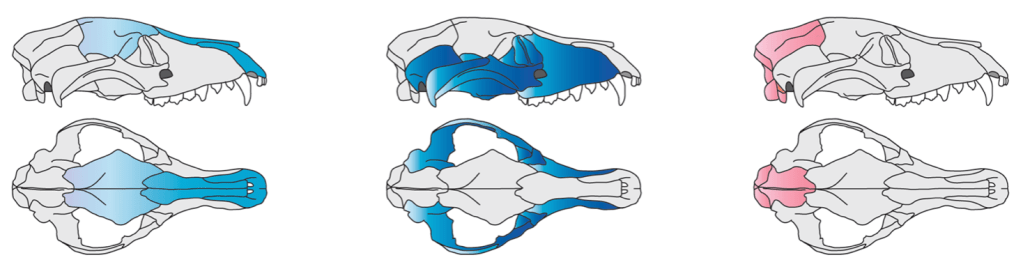


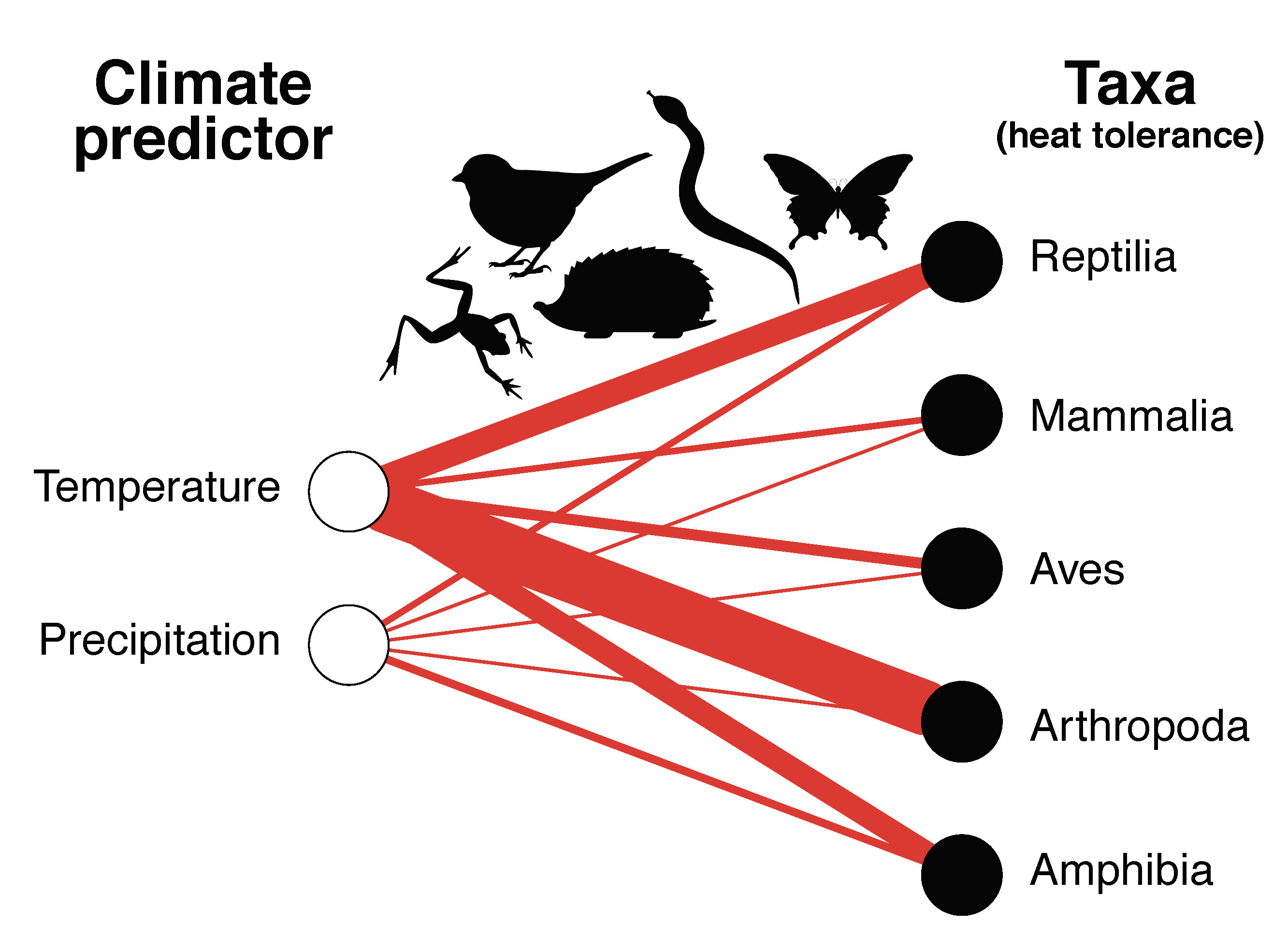



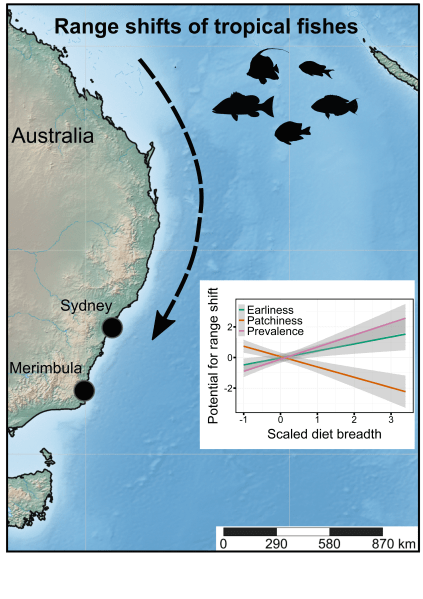 Ecologists often rely on measuring certain elements of a species’ characteristics, behaviour, or morphology to determine if these — what we call ‘traits’ — give them certain capacities to exploit their natural environments. While sometimes a bit arbitrarily defined, the traits that can be measured are many indeed, and sometimes they reveal rather interesting elements of a species’ resilience in the face of environmental change.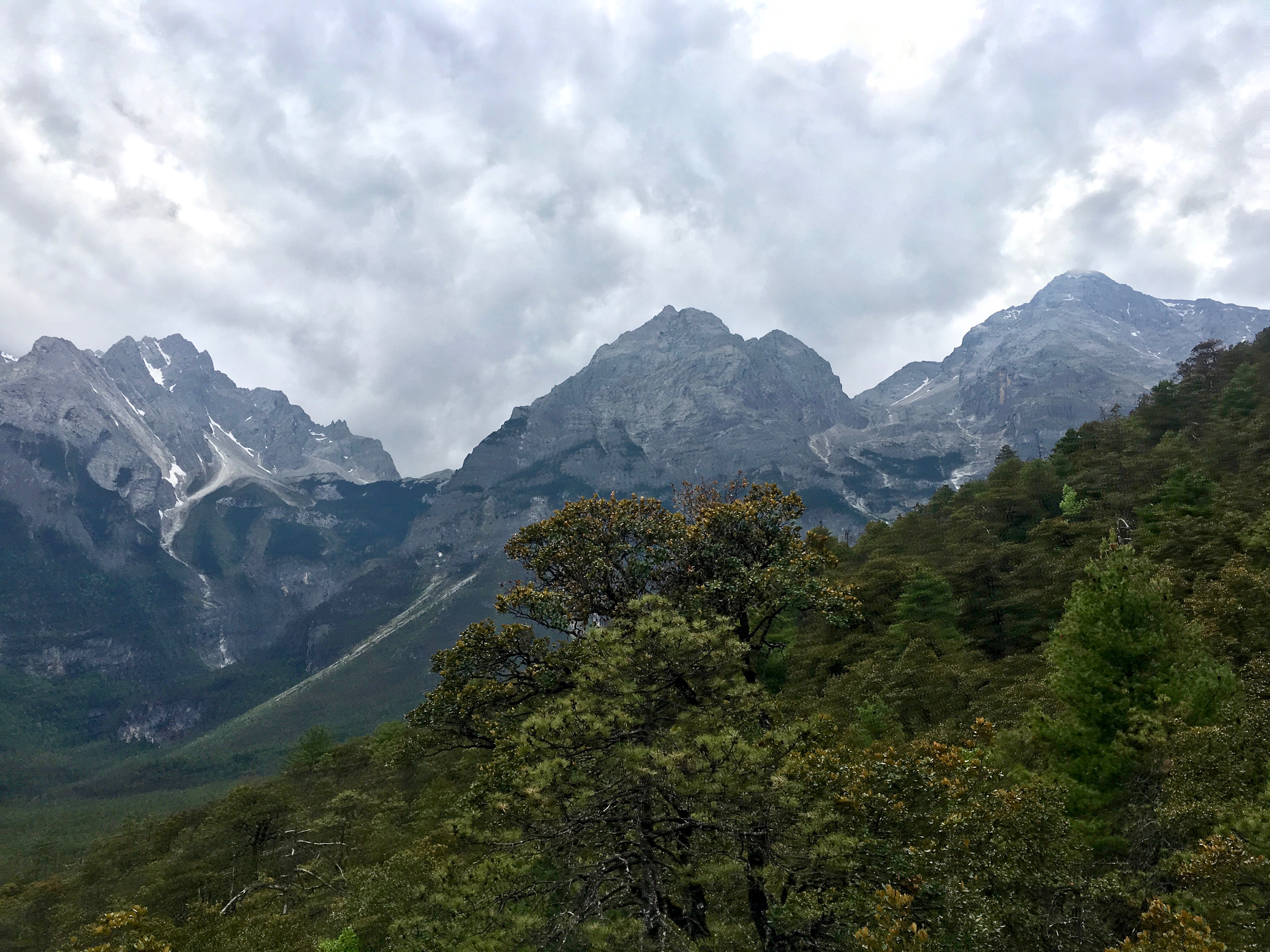
 An excerpt from

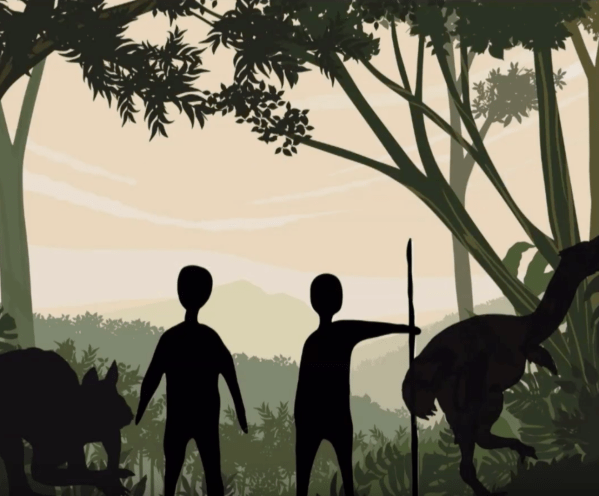 Over the last 60,000 years, many of the world’s largest species disappeared forever. Some of the largest that we generally call ‘megafauna’ were first lost in Sahul — the super-continent formed by the connection of Australia and New Guinea during periods of low sea level. The causes of these extinctions have been heavily debated for decades within the scientific community.
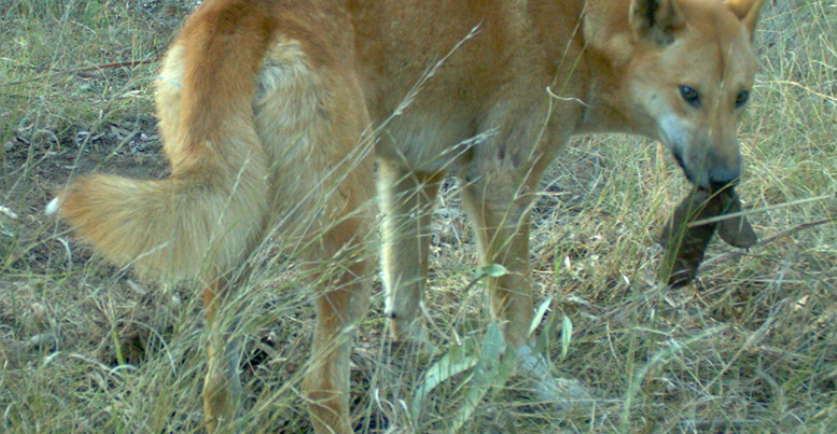

 Late last year (10 December) I was invited to front up to the ‘Overabundant and Pest Species Inquiry’ at the South Australian Parliament to give evidence regarding so-called ‘overabundant’ and ‘pest’ species.