Influential conservation ecology papers of 2018

17 12 2018

e35f9ddeada029a053a15cd023abadf5
For the last five years I’ve published a retrospective list of the ‘top’ 20 influential papers of the year as assessed by experts in F1000 Prime — so, I’m doing so again for 2018 (interesting side note: six of the twenty papers highlighted here for 2018 appear in Science magazine). See previous years’ posts here: 2017, 20162015, 2014, and 2013.

Read the rest of this entry »


Fancy a job in biosecurity controlling pest species?

13 12 2018

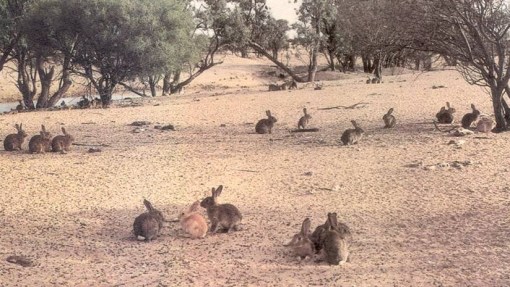
Rabbits-Western-NSW

My mate Dr Brad Page — Principal Biosecurity Officer (Pest Animals) at Biosecurity SA — asked me to post the following jobs he’s advertising for pest-animal control. Now, I’m near-completely opposed to ‘wild dog’ (i.e., dingo) control in Australia, but I’ve agreed to post the third position as well, despite my ecological misgivings. Brad has a different perspective.

We have exciting opportunities for three new pest animal control coordinators, who will be working to support and reinvigorate control of deer, rabbits, and ‘wild dogs’.

All three coordinators will be part of our Biosecurity SA Division within PIRSA. These new positions will report to our Principal Biosecurity Officer, Pest Animals.

cnt-deer

Deer and Rabbit Control Coordinators (two positions)

The Deer Control Coordinator and the Rabbit Control Coordinator will provide tailored professional support to natural resource management (NRM) staff and community groups doing control programs. These coordinators will aim to increase the impact of deer and rabbit control programs to support primary producers and biodiversity managers. The position will connect and empower existing community and industry groups, maximising impacts of their efforts to control feral deer and rabbits in agricultural landscapes. Read the rest of this entry »


Perseverance eventually gets the policy makers’ attention

10 12 2018
IMG_2819

My entry badge today to the South Australian Parliament (sorry for the shitty reproduction, but it’s a shitty photo of a shitty photo)

I’ve often commented on it over the years, as well as written about it both in my latest book, as well as featured it here on CB.com, that little of the conservation science we do appears to reach the people making all the decisions. This is, of course, a massive problem because so much policy that affects biodiversity is not evidence-based, nor do we seem to be getting any better at telling them how buggered our natural world is.

Even the Extinction Rebellion, or school kids screaming in the streets about lack of climate-change policies appears unable to budge the entrenched, so what hope do we lonely little scientists have of getting in a Minister’s ear? It’s enough to make one depressed.

look-at-me-girlSo, we go through the motions; we design ideal reserves with the aid of our computers, we tell people how much to fish, we tell them why feral species are bad, etc., etc., and then we publish our findings and walk away. We might do a little more and shout our messages loudly from the media rooftops, or submit comments to proposed policies, or even draft open letters or petitions. Yet no matter how hard we seem to try, our messages of urgency and despair largely fall on deaf ears.

It’s enough to make you reconsider and not bothering at all.

But! Despite my obviously jaded perspective, two things have happened to me recently that attest to how a little perseverance, sticking to your guns, and staying on message can reach the ears of the powerful. My examples are minuscule in the grand scheme of things, nor will they necessarily translate into anything really positive on the ground; yet, they give me a modicum of hope that we can make a positive difference.

The first event happened a few weeks ago after we did a press release about our paper on co-extinction cascades published in Scientific Reports. Yes, it got into a few big newspapers and radio, but I thought it wouldn’t do much more than peak the punters’ interest for the typical 24-hour news cycle. However, after the initial media interest died down, I received an e-mail from one of my university’s media officers saying that the we had been cited in The Senate (one of the two houses in the Australian Parliament)! An excerpt of the transcript is shown below (you can read the whole thing — if you could be bothered — here): Read the rest of this entry »


With a Rebel Yell, Scientists Cry ‘No, no, more!’

29 11 2018

Adrenaline makes experiences hyper-real. Everything seems to move in slow motion, apart from my heart, which is so loud that I am sure people can hear it even over the traffic.

It’s 11:03 on a sunny November morning in central London. As the green man starts to shine, I walk into the middle of the road and sit down. On either side of me, people do the same. There can only be about 50 of us sitting on this pedestrian crossing, and I murmur ‘are we enough?’

‘Look behind you,’ says a new friend.

I turn. Blackfriar’s Bridge, usually covered in cars and buses, is filling with people. Citizens walking into the road and staying there, unfurling colourful flags with hourglass symbols on them. The police film us, standing close, but make no move to arrest anyone. Later, we discover that at least some of them encourage our disobedience.

Messages start coming in — 6,000 people are here, and we’ve blocked five bridges in central London with Extinction Rebellion, protesting for action to stop climate change and species extinctions. I’m a scientist participating in my first ever civil disobedience, and for me, this changes everything.

ER1

Left to right: protestors include kids, company directors, and extinct species.

What makes a Cambridge academic — and thousands of other people — decide that sitting in a road is their best chance of being heard? In short, nothing else has got us the emissions cuts we need. The declaration that global warming is real and that greenhouse-gas emissions need to be cut came in 1988, when I was a year old. Since then, scientists have continued to be honest brokers, monitoring greenhouse gases, running models, presenting the facts to governments and to the people. And emissions have continued to climb. The 2018 IPCC report that shocked many of us into action told us we have 12 years to almost halve emissions, or face conditions incompatible with civilisation. How did we end up here? Read the rest of this entry »


Global warming causes the worst kind of extinction domino effect

25 11 2018

Dominos_Rough1-500x303Just under two weeks ago, Giovanni Strona and I published a paper in Scientific Reports on measuring the co-extinction effect from climate change. What we found even made me — an acknowledged pessimist — stumble in shock and incredulity.

But a bit of back story is necessary before I launch into describing what we discovered.

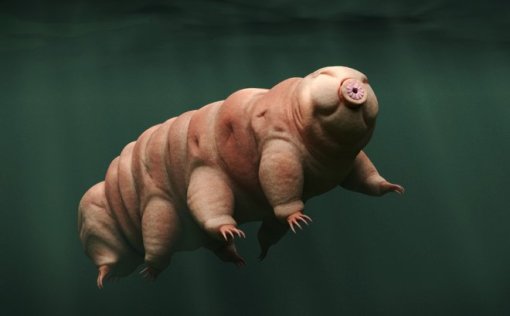
Last year, some Oxbridge astrophysicists (David Sloan and colleagues) published a rather sensational paper in Scientific Reports claiming that life on Earth would likely survive in the face of cataclysmic astrophysical events, such as asteroid impacts, supernovae, or gamma-ray bursts. This rather extraordinary conclusion was based primarily on the remarkable physiological adaptations and tolerances to extreme conditions displayed by tardigrades— those gloriously cute, but tiny (most are around 0.5 mm long as adults) ‘water bears’ or ‘moss piglets’ — could you get any cuter names?

aHR0cDovL3d3dy5saXZlc2NpZW5jZS5jb20vaW1hZ2VzL2kvMDAwLzA5OC81NzMvb3JpZ2luYWwvc3dpbW1pbmctdGFyZGlncmFkZS5qcGc=

Found almost everywhere and always (the first fossils of them date back to the early Cambrian over half a billion years ago), these wonderful little creatures are some of the toughest metazoans (multicellular animals) on the planet. Only a few types of extremophile bacteria are tougher.

So, boil, fry or freeze the Earth, and you’ll still have tardigrades around, concluded Sloan and colleagues.

When Giovanni first read this, and then passed the paper along to me for comment, our knee-jerk reaction as ecologists was a resounding ‘bullshit!’. Even neophyte ecologists know intuitively that because species are all interconnected in vast networks linked by trophic (who eats whom), competitive, and other ecological functions (known collectively as ‘multiplex networks’), they cannot be singled out using mere thermal tolerances to predict the probability of annihilation. Read the rest of this entry »


Better Prospects for the Future of South Australia’s Biodiversity

21 11 2018

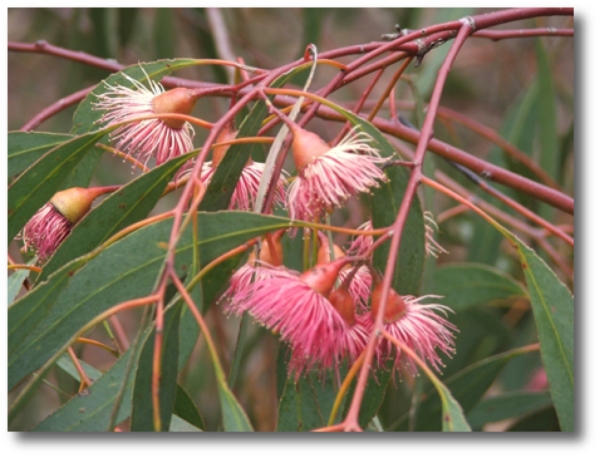
eucalypt

A major environmental event quietly slipped through the major news outlets in South Australia this week without much of a mention at all. Yet, I argue it’s one of the most important collective assessments of the state of South Australia’s environment to date. 

Yes, it’s been exactly five years since the last State of the Environment Report released by the South Australia Environment Protection Authority (EPA), and on Monday this week they released the 2018 Report. What’s perhaps even sadder than the poor performance of our state’s environmental performance is that it barely got a mention, nor does seem to have been noticed by many South Australians at all. I suppose I shouldn’t be surprised, when major protests like the UK’s Extinction Rebellion movement hardly got a mention at all last week, it’s no wonder that the release of the Report fails to raise the interest of average citizens in South Australia.

Full disclosure here — I contributed to this year’s State of the Environment Report as one of several independent ‘experts’ commenting on particular aspects of our environment. Yes, this year’s report has made a major leap in this regard by not merely reporting the trends of various indicators (and with rather unconvincing conclusions in many cases because of a lack of monitoring data), but by also including independent overviews of Aquatic Ecosystems, Biodiversity, and Coastal Protection. I was the one asked to write the Biodiversity Issues paper.

While you can download the full report here, I thought it best to summarise the key findings in this blog post (supporting references can be found in the report itself):

Read the rest of this entry »


Why a (young) scientist should blog

12 11 2018

I started to blog in the middle of my PhD, exactly on 17 February 2011 — as a scientist I remember my first blog like a soccer-loving kid might remember his/her first soccer ball. Postgraduates from ACAD have recently asked me to give a talk about my blogging experience, and I couldn’t resist turning my talk into a blog.

Salvador Herrando-Pérez

CB_ScientificBlogging_nov2018

The cover of the February (polar bears) and December (water flea) 2017 issues of the Spanish magazine Quercus featured two of my popular-science articles. Founded in 1981, and with a current print run of some 15,000 copies monthly, Quercus has pioneered the dissemination of ecological and environmental science with a conservation edge in Spain and survived the digitalisation age, which has recently deserved the prestigious 2018 BBVA prize for Biodiversity Conservation. My liaison with the magazine already spans seven years with 49 articles published in three theme series (conservation biology: 2011-2012; animal behaviour: 2013; and climate change: active since January 2017 in collaboration with my colleague David Vieites).

I write in blogs, but I am not a blogger in the sense of owning and managing a blog. More exactly, I write about science using a language that should be understandable by an audience of scientists and, primarily, non-scientists. The best English expression I have found to qualify such activity is ‘popular science’ (I use it interchangeably with ‘blog’ hereafter). And blogs are just one platform (internet) to publish popular science.

In fact, I publish popular science on a regular basis here in ConservationBytes, and in Quercus: a printed Spanish-language magazine about ecology and biodiversity. My articles in those outlets typically synthesise the findings, and expand the background and implications, of high-profile research papers from the primary literature. Sometimes, I also write blogs to maximise the audience of my own publications (e.g., here and here), or to discuss a topic of general interest (e.g., numerical literacy). I have listed all my blogs on ConservationBytes at the end of the text.

Frankly, I had never stopped to think why I started and why I keep writing popular science. So after a bit of brainstorming, I have come up with five personal motivations which will probably resonate with those of other scientists entering the Blogosphere (1) — see here Corey’s take on the virtues of blogging.

Self-promotion

When you are in the early stage of your research career, letting your peers know that you exist is essential, unless one already publishes hot papers that everybody reads and cites, and/or you have already amassed quite a reputation in the scientific community (not my case). Let’s be clear: my blogs are bound to be read by more people than my research papers, because blogs magnify the chances of being detected by search engines (2), and because the size of the scientific community is dwarfed by the size of the internet community. Doubtless, self-promotion drew me into popular science in the first place, when I was just a PhD student — ahead of me lay some five to ten years over which I would have to compete hard for funding and publication space with a respectable crowd of other researchers, let alone to create new partnerships with colleagues in and out of my area of expertise. So, blogging initially meant like saying ‘hey! I am here, I am doing science’.

Funding/Outreach

Read the rest of this entry »


Biodiversity offsetting is off-putting

5 11 2018

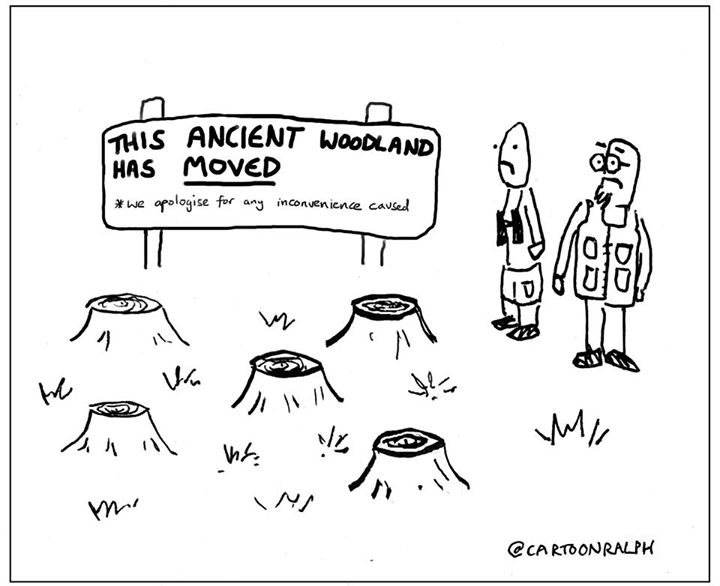
Ancient-woodland-has-movedBiodiversity offsets are becoming more popular in Australia and elsewhere as a means to raise money for conservation and restoration while simultaneously promoting economic development (1). However, there are many perverse consequences for biodiversity if they are not set up carefully (1-3).

Biodiversity ‘offsets’ are intended to work in a similar way to carbon offsets1, in that the destruction of a part of an ecosystem (e.g., a native forest or grassland, or a wetland) can be offset by paying to fund the restoration of another, similar ecosystem elsewhere. As such, approval to clear native vegetation usually comes with financial and other conditions.

But there are several problems with biodiversity offsetting, including the inconvenient fact that creating an equivalent ecosystem somewhere takes substantially longer than it does to destroy one somewhere else (e.g., 4). While carbon emitted in one place is essentially the same as that sequestered elsewhere, a forest can take hundreds of years to develop the same biodiversity values and ecological functions it had prior to destruction. Read the rest of this entry »


Ecophysiological feedbacks under climate change

29 10 2018

Variability in heat tolerance among populations modifies the climate-driven periods of diurnal activity expected for ectotherm species. We illustrate this phenomenon for Iberian lizards in a paper we have just published in the Journal of Animal Ecology (blog post reproduced with permission by the Journal; see related blog).

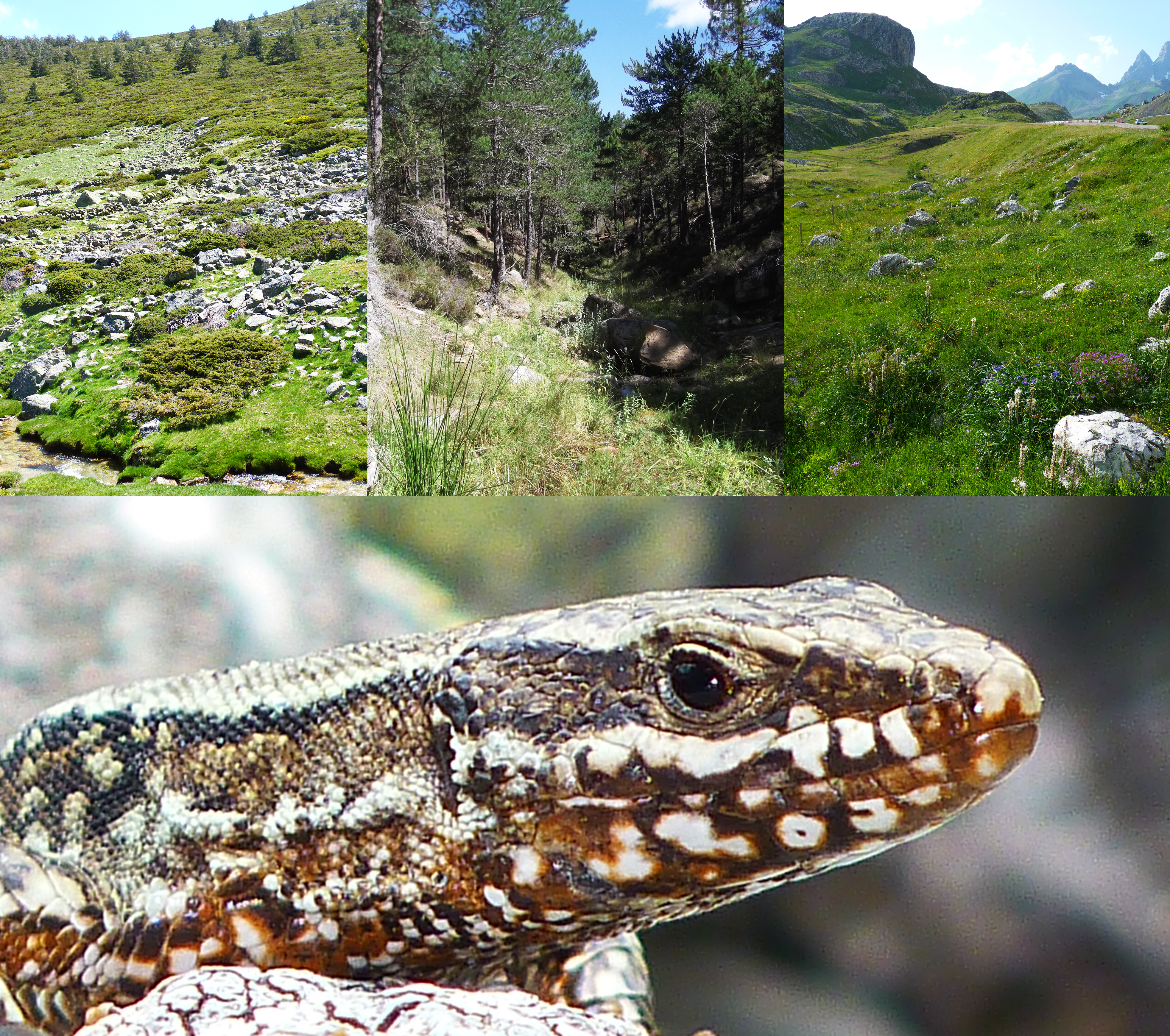
Common wall lizard (Podarcis muralis, male) and three localities where the species is abundant in Spain, left to right including Valdesquí/Madrid (Central System), Peñagolosa/Castellón (Iberian System) and El Portalet/Huesca (The Pyrenees).

Iberia is a wonderful natural laboratory, with a complex blend of flat/hilly, open/woody and coastal/continental terrain, swept by climatic gradients of temperature and moisture. In 2013, I launched a BES-supported project about the thermal ecology of Iberian lizards and managed to drive over much of the Iberian Peninsula in fairly little time. Not being a reptile specialist myself, I was confronted by the consistent observation that lizard populations occupied very different habitats across the known distribution of each of the ~ 25 known Iberian species belonging to the family Lacertidae.

For instance, the common wall lizard (Podarcis muralis) likes water, rocks and mountains, but you can find this pencil-long reptile at the top of a summit, along the slopes or riversides of shallow and deep ravines, on little stones barely surfacing above peatland grasslands, or among the bricks of buildings. These animals must experience different local climates conditional on where they live, and adapt their thermal physiology accordingly.

Having then started a postdoc in Miguel Araújo’s lab — a world-class site for global change ecology and ‘big’ biodiversity patterns — I reviewed a sizeable body of literature looking into large-scale gradients of thermal tolerance. Most of those papers had collated (mostly) one estimate of tolerance from each of tens to thousands of species, then mapped them against regional and global metrics of climate change through sophisticated mathematical frameworks. But these studies rarely accounted for population-level thermal tolerance.

Read the rest of this entry »


Cartoon guide to biodiversity loss LI

23 10 2018

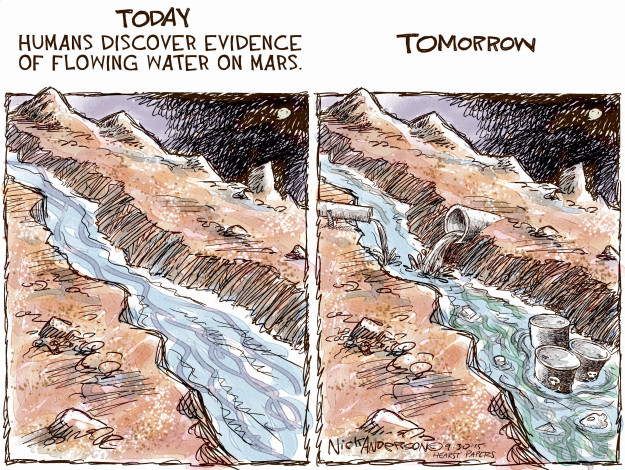
The six set of six biodiversity cartoons for 2018. See full stock of previous ‘Cartoon guide to biodiversity loss’ compendia here.


Read the rest of this entry »


Save a jaguar by eating less meat

8 10 2018

Kaayana

My encounter with Kaayana in Kaa-Iya National Park in the Bolivian Chaco. Her cub was around but cannot be seen in the photo

I was trapped. Or so I thought.

The jaguar came towards me on the dirt road, calmly but attentively in the dusky light, her nearly full grown cub behind her. Nervous and with only a torch as defence, I held the light high above my head as she approached, trying to look taller. But she was merely curious; and, after 20 minutes, they left. I walked home in the thickening darkness, amazed at having come so close to South America’s top predator. We later named this mother jaguar ‘Kaayana’, because she lives inside Kaa-Iya National Park in the Bolivian Chaco. My fascination with jaguars has only grown since then, but the chances of encountering this incredible animal in the wild have shrunk even since that night.

A few years after that encounter, I’m back to study jaguars in the same forest, only now at the scale of the whole South American Gran Chaco. Jaguars are the third largest cats in the world and the top predators across Latin America. This means that they are essential for keeping ecosystems healthy. However, they are disappearing rapidly in parts of their range.

Understanding how and where the jaguar’s main threats — habitat destruction and hunting — affect them is fundamental to set appropriate strategies to save them. These threats are not only damaging on their own, but they sometimes act simultaneously in an area, potentially having impacts that are larger than their simple sum. For instance, a new road doesn’t only promote deforestation, it also increases hunters’ ability to get into previously inaccessible forests. Similarly, when the forest is cut for cattle ranching, ranchers often kill jaguars for fears of stock loss.

Kaayana & kittens

Kaayana was seen years later by Daniel Alarcón, who took much better photos of her and her new cubs

However, the interactions between these threats are still not fully understood. In our new study, just published in the journal Diversity and Distributions, we developed a new framework to quantify how and where habitat destruction and hunting risk acted together over three decades, at the expense of highly suitable jaguar habitat in the Gran Chaco. We also analyzed how well the different Chaco countries — Bolivia, Paraguay and Argentina — and their protected areas maintained key jaguar habitat. Read the rest of this entry »


Sex on the beach

2 10 2018
Female green turtles (Chelonia mydas) spawning (top) and diving (bottom) on Raine Island (Great Barrier Reef, Queensland, Australia) — photos courtesy of Ian Bell. This species is ‘Endangered’ globally since 1982, mainly from egg harvesting (poaching conflict in Mexico for olive ridley Lepidochelys olivacea featured by National Geographic’s video here), despite the success of conservation projects (39). Green turtles inhabit tropical and subtropical seas in all oceans. Adults can grow > 150 kg and live for up to ~ 75 years. Right after birth, juveniles venture into the open sea to recruit ultimately in coastal areas until sexual maturity. They then make their first reproductive migration, often over 1000s of km (see footage of a real dive of a camera-equipped green turtle), to reach their native sandy beaches where pregnant females will lay their eggs. Each female can deposit more than one hundred eggs in her nest, and in several clutches in the same season because they can store the sperm from multiple mating events.

When sex is determined by the thermal environment, males or females might predominate under sustained climatic conditions. A study about marine turtles from the Great Barrier Reef illustrates how feminisation of a population can be partitioned geographically when different reproductive colonies are exposed to contrasting temperatures.

Fortunately, most people in Western societies already perceive that we live in a complex blend of sexual identities, far beyond the kind of genitals we are born with. Those identities start to establish themselves in the embryo before the sixth week of pregnancy. In the commonest scenario, for a human foetus XY with one maternal chromosome (X) and one paternal (Y) chromosome, the activation of the Sry gen (unique to Y) will trigger the differentiation of testicles and, via hormonal pathways, the full set of male characteristics (1).

Absence of that gene in an XX embryo will normally lead to a woman. However, in just one of many exceptions to the rule, Sry-expression failure in XY individuals can result in sterile men or ambiguous genitals — along a full gradient of intermediate sexes and, potentially, gender identities. A 2015 Nature ‘News’ feature echoes two extraordinary cases: (i) a father of four children found to bear a womb during an hernia operation, and (ii) a pregnant mother found to host both XX and XY cells during a genetic test – with her clinical geneticist stating “… that’s the kind of science-fiction material for someone who just came in for an amniocentesis” (2). These real-life stories simply reflect that sex determination is a complex phenomenon.

Three ways of doing it

In nature, there are three main strategies of sex determination (3) — see scheme here: Read the rest of this entry »


South Australia’s broken biodiversity legislation

24 09 2018

It might come as a bit of shock to some who might give more than a shit about our State’s environmental integrity that there is no dedicated legislation to protect biodiversity in South Australia today.

What? Well, ok, we do have the Native Vegetation Act that is supposed to restrict the clearing of existing native vegetation (of which there is precious little left), and the National Parks and Wildlife Act 1972 to legislate protected areas and species endangerment. We also have the Wilderness Protection Act 1992 that addresses wilderness protection and land restoration, and the Natural Resource Management Act 2004 that is designed to promote sustainable and integrated management of the State’s natural resources. Finally, the South Australia Environment Protection Authority operates under various acts1 to limit environmental damage.

However, South Australia has no act specifically focussed on biodiversity conservation, and the legislation that does exist does not even consider invertebrates (like insects) as animals — because most animals are in fact invertebrates, this means that most of South Australia’s species are ineligible for official threat listing, even if they have a high risk of extinction.

If you recall, I reported in July this year that in 2017 we had a Parliamentary Inquiry into Biodiversity2, which concluded that existing environmental legislation in South Australia “… lacks cohesion and consistency, particularly regarding enforcement and compliance provisions”.

In my judgement, therefore, an entirely new, biodiversity-focussed act would add legislative teeth to biodiversity conservation in South Australia. As it turns out, that very same Parliamentary Inquiry into Biodiversity I mentioned above recommended3 the creation of a Biodiversity Expert Panel to reform the legislative framework of environmental protection. Thus, the new Government of South Australia has the perfect opportunity to do so under their proposed changes to natural resource management legislation. Following these calls for reform and the new direction of Nature of SA, there is a real opportunity here for statutory reform that includes integrated biodiversity legislation analogous to the New South Wales Biodiversity Conservation Act 2016.

Read the rest of this entry »


Legacy of human migration on the diversity of languages in the Americas

12 09 2018

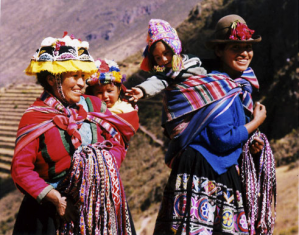
quechua-foto-ale-glogsterThis might seem a little left-of-centre for CB.com subject matter, but hang in there, this does have some pretty important conservation implications.

In our quest to be as transdisciplinary as possible, I’ve team up with a few people outside my discipline to put together a PhD modelling project that could really help us understand how human colonisation shaped not only ancient ecosystems, but also our own ancient cultures.

Thanks largely to the efforts of Dr Frédérik Saltré here in the Global Ecology Laboratory, at Flinders University, and in collaboration with Dr Bastien Llamas (Australian Centre for Ancient DNA), Joshua Birchall (Museu Paraense Emílio Goeldi, Brazil), and Lars Fehren-Schmitz (University of California at Santa Cruz, USA), I think the student could break down a few disciplinary boundaries here and provide real insights into the causes and consequences of human expansion into novel environments.

Interested? See below for more details?

Languages are ‘documents of history’ and historical linguists have developed comparative methods to infer patterns of human prehistory and cultural evolution. The Americas present a more substantive diversity of indigenous language stock than any other continent; however, whether such a diversity arose from initial human migration pathways across the continent is still unknown, because the primary proxy used (i.e., archaeological evidence) to study modern human migration is both too incomplete and biased to inform any regional inference of colonisation trajectories. Read the rest of this entry »


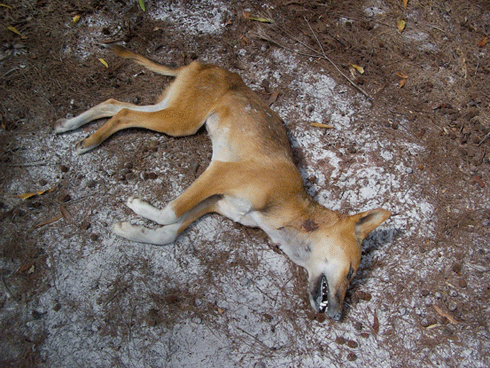
Minister, why is the dingo no longer ‘fauna’?

7 09 2018

dead dingoSo, a few of us have just submitted a letter contesting the Western Australia Government’s recent decision to delist dingoes as ‘fauna’ (I know — what the hell else could they be?). The letter was organised brilliantly by Dr Kylie Cairns (University of New South Wales), and she and the rest of the signatories have agreed to reproduce the letter in full here on ConservationBytes.com. If you feel so compelled, please voice your distaste of this decision officially by contacting the Minister (details below).

CJA Bradshaw

Honourable Stephen Dawson MLC
Minister for Environment; Disability Services
Address: 12th Floor, Dumas House
2 Havelock Street, WEST PERTH WA 6005
(minister.dawson@dpc.wa.gov.au)

cc: Department of Biodiversity, Conservation and Attractions (biodiversity@dbca.wa.gov.au)
cc: Brendan Dooley (brendan.dooley@dpc.wa.gov.au)

Dear Minister,

The undersigned welcome the opportunity to comment on and recommend alteration of the proposed section (9)(2) order of the Biodiversity Conservation Act 2016 (BC Act) that changes the listing of the dingo from “fauna” to “non-fauna” in Western Australia. Removing the “fauna” status from dingoes has serious consequences for the management and conservation of this species and other native biota it benefits. Currently, dingoes are classed as A7, or fauna that requires a management policy. The proposed section (9)(2) order will move dingoes (as “non-fauna”) to the A5 class, meaning that dingoes must be (lethally) controlled and there will be no obligation for the Department of Biodiversity, Conservation and Attractions to have an appropriate management policy (or approval).

Currently, under the Wildlife Conservation Act 1950 (WC Act) the dingo is considered “unprotected” fauna allowing management under a Department of Biodiversity, Conservation and Attractions management policy. A section (9)(2) order demoting dingoes to “non-fauna” will remove the need for Department of Biodiversity, Conservation and Attractions management policy and instead mandate the lethal control of dingoes throughout Western Australia.

As prominent researchers in top predator ecology, biology, cultural value and genetics, we emphasise the importance of dingoes within Australian, and particularly Western Australia’s ecosystems. Dingoes are indisputably native based on the legislative definition of “any animal present in Australia prior to 1400 AD” from the BC Act. Dingoes have been present in Australia for at least 5000 years. On the Australian mainland they are now the sole non-human land-based top predator. Their importance to the ecological health and resilience of Australian ecosystems cannot be overstated. Read the rest of this entry »


South Australia doesn’t value its environment

5 09 2018

how we treat our environmentThe South Australian State Budget was released yesterday, and as has been the trend for the last ten years or so, the numbers are not good for the State’s environment.

While it has been reported that the budget includes the loss of 115 full-time staff from the Department of Environment and Water, the overall cuts run much deeper. They also herald a new era of not giving a tinker’s cuss for the sorry state of our environment.

I took the liberty of amassing the budget data with respect to environmental spending in this State since 2002-2003 (the earliest year I could find budget papers), and now I’ve just added the 2018-2019 data.

If I’ve selected the appropriate amounts, — side note: someone desperately needs to teach these budget bean-counters how to standardise, report, itemise, and organise data much, much better than they do (my first-year students could do a better job drunk and blindfolded) — then this is what environmental spending (including environment, biodiversity, water, and the Environment Protection Authority) has looked like since 2002: Read the rest of this entry »


Journal ranks 2017

27 08 2018

book-piles

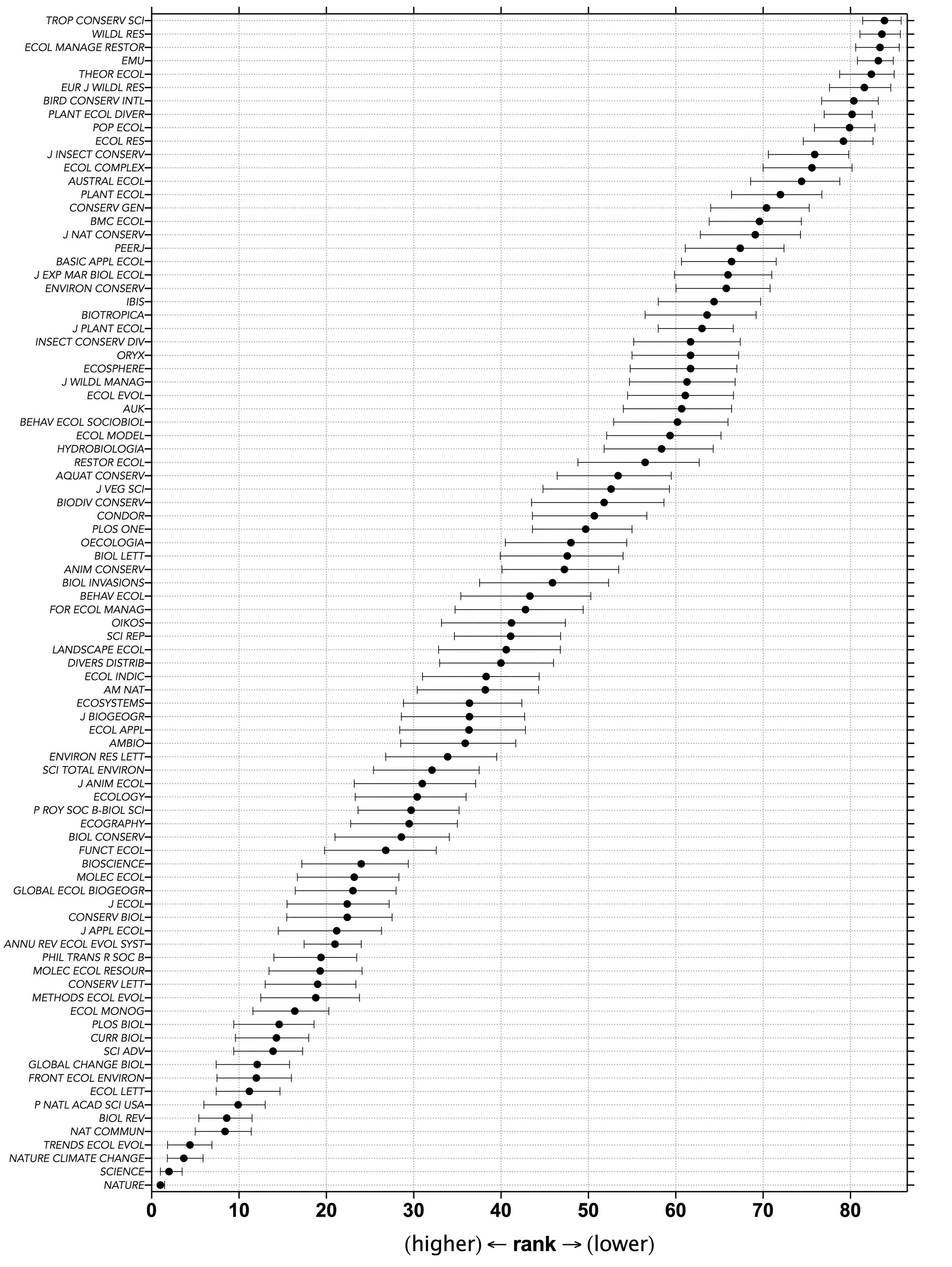
A few years ago we wrote a bibliometric paper describing a new way to rank journals, and I still think it is one of the better ways to rank them based on a composite index of relative citation-based metrics . I apologise for taking so long to do the analysis this year, but it took Google Scholar a while to post their 2017 data.

So, here are the 2017 ranks for (i) 88 ecology, conservation and multidisciplinary journals, and a subset of (ii) 55 ‘ecology’ journals, (iii) 24 ‘conservation’ journals. Also this year, I’ve included two new categories — (iv) 38 ‘sustainability’ journals (with general and energy-focussed journals included), and 19 ‘marine & freshwater’ journals for you watery types.

See also the previous years’ rankings (2016201520142013, 2012, 20112010, 2009, 2008).

Read the rest of this entry »


The European Union just made bioenergy worse for biodiversity

21 08 2018

bioenergy2While some complain that the European Union (EU) is an enormous, cumbersome beast (just ask the self-harming Brexiteers), it generally has some rather laudable legislative checks and balances for nature conservation. While far from perfect, the rules applying to all Member States have arguably improved the state of both European environments, and those from which Europeans source their materials.

But legislation gets updated from time to time, and not always in the ways that benefit biodiversity (and therefore, us) the most. This is exactly what’s just happened with the new EU Renewable Energy Directive (RED) released in June this year.

Now, this is the point where most readers’ eyes glaze over. EU policy discussions are exceedingly dry and boring (I’ve dabbled a bit in this arena before, and struggled to stay awake myself). But I’ll try to lighten your required concentration load somewhat by being as brief and explanatory as possible, but please stay with me — this shit is important.

In fact, it’s so important that I joined forces with some German colleagues with particular expertise in greenhouse-gas accounting and EU policy — Klaus Hennenberg and Hannes Böttcher1 of Öko-Institut (Institute of Applied Ecology) in Darmstadt — to publish an article available today in Nature Ecology and Evolution.

bioenergy4So back to the RED legislation. The original ‘RED 2009‘ covered reductions of greenhouse-gas emissions and the mitigation of negative impacts on areas of high biodiversity value, such as primary forests, protected areas, and highly biodiverse grasslands, and for areas of high carbon stock like wetlands, forests, and peatlands.

But RED 2009 was far from what we might call ‘ambitious’, because globally mandatory criteria on water, soil and social aspects for agriculture and forestry production were excluded to avoid conflicts with rules of the World Trade Organization.

Nor did RED 2009 apply to all bioenergy types, and only included biofuels used in transport, including gaseous and solid fuels, and bioliquids used for electricity, heating, and cooling. But RED 2009 requirements also applied to all raw materials sourced from agriculture and forestry, especially as forest biomass is explicitly mentioned as a raw material for the production of advanced biofuels in the RED 2009 extension from 2015.

Thus, one could conceivably call RED 2009 criteria ‘minimum safeguards’.

But as of June this year, the EU accepted a 2016 proposal to recast RED 2009 into what is now called ‘RED II’. While the revisions might look good on paper by setting new incentives in transport (advanced biofuels) and in heating and cooling that will likely increase the use of biomass sourced from forests, and by extending the directive on solid and gaseous biomass, the amendments unfortunately take some huge leaps backwards in terms of sustainability requirements.

These include the following stuff-ups: Read the rest of this entry »


Primate woes where the oil palm grows

16 08 2018

gorilla

A new article just published in PNAS reveals how future expansion of the palm-oil industry could have terrible consequences for African primates.

Researchers from the European Commission’s Joint Research Centre, CIRAD, Liverpool John Moores University, and ETH Zurich searched for “areas of compromise” combining high oil palm suitability with low primate vulnerability, as possible locations where to accommodate new oil-palm plantations while reducing detrimental effects on primate populations.

Results show that there is small room for compromise. In fact, potential areas of compromise are rare across the whole African continent, covering a total extent of 0.13 Mha of land highly suited to oil palm cultivation where primate vulnerability is low, rising to just 3.3 Mha if all land with at least minimum suitability to grow oil palm is taken into account.

Palm oil production is steadily rising, and expected to accelerate in response to growing world’s population, with future demand driven not only by the food industry, but also by the biofuel market. Read the rest of this entry »


Cartoon guide to biodiversity loss L

3 08 2018

The fifth set of six biodiversity cartoons for 2018. See full stock of previous ‘Cartoon guide to biodiversity loss’ compendia here.


Read the rest of this entry »